Dog Fruit Safety Checker
Check If a Fruit is Safe for Your Dog
The Sweet Trap: Why Not All Fruit Is Dog-Friendly
Imagine handing your dog a slice of apple as a healthy treat, only to realize later it contained seeds that could harm them. Many owners share their human snacks out of love, unaware that some fruits carry hidden dangers. While fresh produce seems universally good, canine digestion and metabolism differ significantly from ours. Some fruits trigger immediate sickness, while others cause long-term organ damage. Understanding which foods belong in the compost bin versus the dog bowl is essential for responsible ownership.
When you walk through a grocery store or grab produce from your garden, you encounter hundreds of varieties. For us, the variety means flavor; for dogs, variety can mean risk. You don't need to turn your home into a sterile zone, but knowing the blacklist of toxic fruits for dogs keeps them safe. We will break down exactly what stays off the menu, why it hurts them, and what you can safely offer instead.
Fruits That Must Stay Off The Menu
Not all fruits are created equal when it comes to veterinary safety. Some are outright banned due to acute toxicity, while others pose risks only in large quantities. Knowing the difference prevents unnecessary panic but ensures serious threats are avoided entirely.
| Fruit Type | Toxic Component | Risk Level |
|---|---|---|
| Grapes & Raisins | Unknown toxin | Critical |
| Avocado | Persin | High |
| Cherries | Cyanide (seeds/pits) | Moderate to High |
| Licorice Fruit | Caffeine-like alkaloids | High |
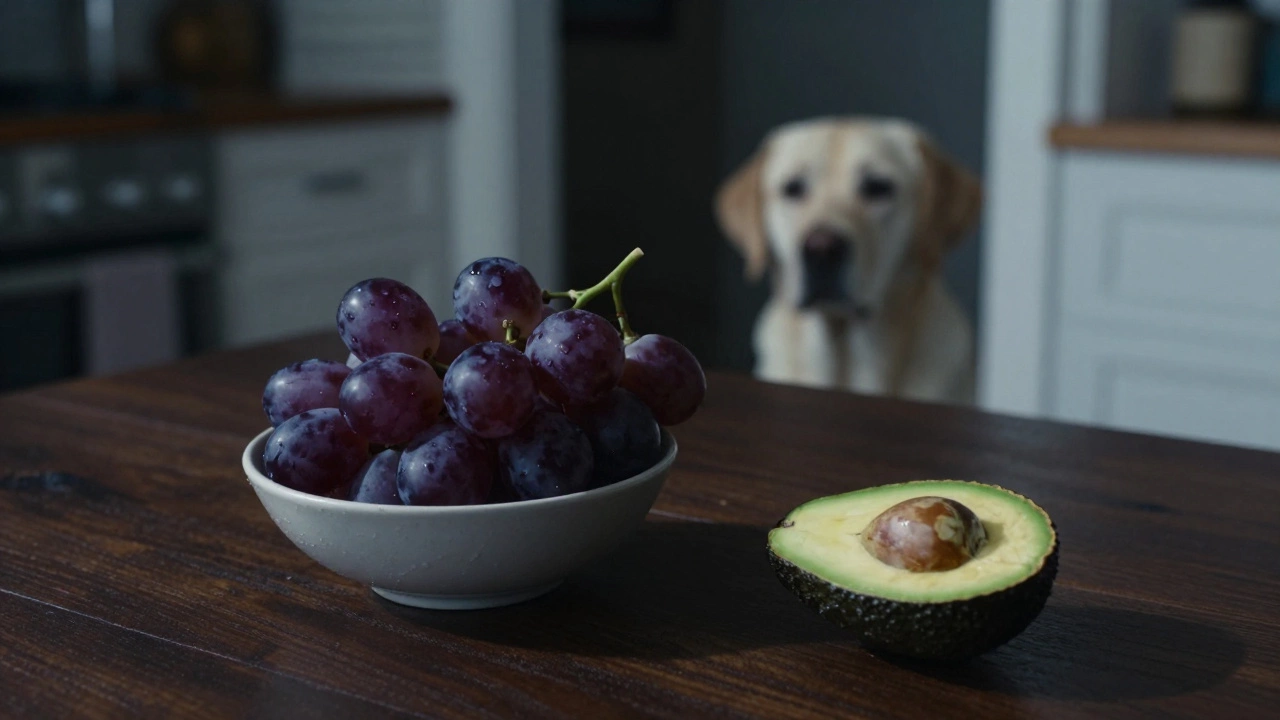
Grapes and Raisins sit at the top of the danger list. Despite extensive research, scientists haven't pinpointed the exact substance that causes kidney failure in dogs after ingestion. The mystery doesn't lower the risk; in fact, it makes them more unpredictable. Even a small amount can lead to severe renal issues in some dogs, while others seem unaffected. Because we cannot predict which dog is sensitive, the rule is absolute zero tolerance.
Avocados contain persin, a fungicidal toxin found in high concentrations in the skin, pit, and flesh. While cats tend to tolerate avocado well, dogs can suffer vomiting and diarrhea. In severe cases, it affects the heart muscle. If your dog swallows a pit, beyond the toxin, there is the physical risk of choking or intestinal blockage. It's safer to skip the guacamole sharing entirely.
When discussing stone fruits, Cherries require caution. The fleshy part isn't the problem; the stem, pit, and leaves hold amygdalin. This chemical converts to cyanide in the body. Choking on a cherry pit is a mechanical hazard, but swallowing crushed pits releases the poison. Always remove every trace before offering any piece to your pet.

The Science Behind the Danger
Understanding the chemistry helps you understand the severity. Different fruits attack different systems in the dog's body. For instance, the xylitol issue isn't just about sugar; it's a sweetener often hidden in processed fruit products or yoghurt mixes. Xylitol triggers a massive insulin spike, causing hypoglycemia dangerously low blood sugar levels.
Oxalates are another concern found in certain plants. They interfere with calcium absorption and can lead to kidney stones over time. While raw vegetables often get the blame, some fruit skins contribute too. The gut of a dog handles fermentation differently than humans. Too much sugary fruit ferments in their stomach, leading to gas, bloating, and potentially pancreatitis, which is inflammation of the pancreas gland.
Some fruits naturally contain compounds that act similarly to alcohol. If a dog eats moldy fruit that has started fermenting, even mildly, the natural yeast creates ethanol. A small dog consuming fermented fruit can become intoxicated, affecting balance and breathing. This highlights why inspecting food quality matters as much as identifying the fruit type.
Fruits Your Dog Can Safely Enjoy
If you thought the list was long, you might feel limited, but nature provides plenty of safe alternatives. These options often come with nutritional bonuses that support coat health, immunity, and energy. Think of these as healthy rewards rather than full meals.
- Blueberries: These powerhouses are rich in antioxidants. Their small size makes them perfect training treats. They contain anthocyanins, which help reduce cell aging.
- Watermelon: Hydration is key, especially during warmer months. The rind contains citrulline, which reduces pain in joints, so removing seeds and feeding rind-free chunks is beneficial.
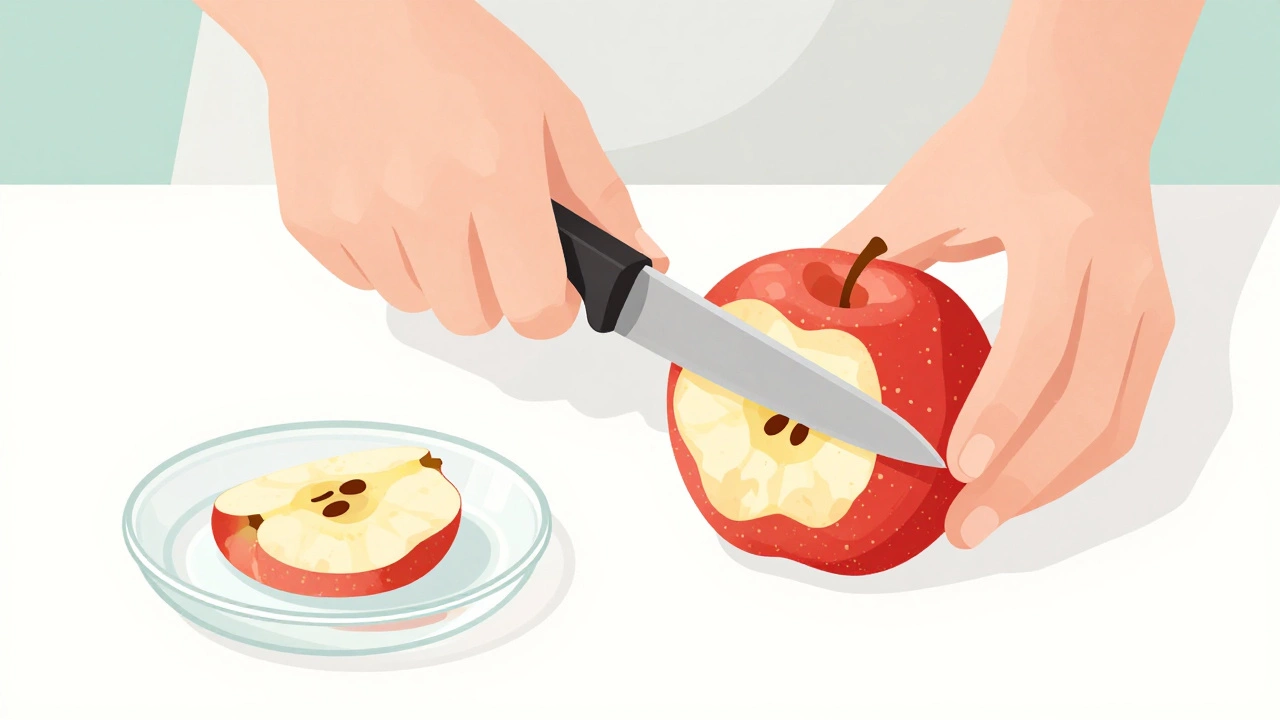
- Apples: A crunchy favorite packed with Vitamin C and A. The seeds contain amygdalin, so always core the apple before slicing.
- Bananas: High in potassium and biotin. Good for muscle function, but limit portions due to sugar content.
- Carrots: Though a vegetable, they pair well with fruit discussions. They are low calorie and great for dental scraping.
In New Zealand, seasonal produce varies. During summer harvests, berries like blackcurrants are often safe and available. However, always wash produce thoroughly. Pesticides used on conventional farming practices can be irritating to a dog's mouth and digestive tract if not rinsed off. Organic options minimize this risk, especially for smaller breeds who consume a higher ratio of pesticide residue relative to their weight.
Recognizing the Signs of Trouble
Dogs often hide illness until symptoms escalate. Being observant allows for earlier intervention. Immediate signs include excessive drooling, pawing at the mouth, or sudden lethargy. If your dog eats something unknown and vomits within an hour, it is likely the body trying to purge the toxin.
More insidious symptoms appear days later. Grape toxicity shows up as reduced urine output, loss of appetite, and confusion. This indicates kidney stress. If you suspect exposure, contact a veterinarian immediately. Do not wait for symptoms to fully manifest; early decontamination like induced vomiting works best within the first few hours.
Pancreatitis symptoms mimic many other issues. Look for "praying position" where the dog stands with hindquarters high and elbows tucked. This signals severe abdominal pain. Sudden onset of this behavior following a meal of fatty or sugary fruit requires urgent vet care.
Serving Rules for Treats
Even safe fruits have limits. Sugar, natural or otherwise, counts toward daily calories. Overfeeding leads to weight gain and diabetes. Aim for treats to make up less than 10% of daily caloric intake. Slice fruits into bite-sized pieces to prevent choking. Introduce new foods slowly to monitor for allergic reactions or digestive upset like loose stool.
Keep your bins covered. An open garbage can is an invitation for scavenging. Compost bins specifically attract curious snouts. Secure lids or place waste outside of reach. Education extends to family members and visitors too. Guests may inadvertently feed forbidden snacks.
Can dogs eat pineapple?
Yes, pineapples are safe in moderation. They contain bromelain, an enzyme that aids digestion, but the core is tough to chew. Remove the spiky skin and serve small chunks to avoid mouth irritation.
Are coconut flakes safe?
Raw coconut meat is generally safe and non-toxic. However, it is high in fat. Large amounts can cause vomiting or diarrhea due to lipid overload. Watch out for chocolate-covered or sugar-coated versions.
Is lemon juice poisonous?
Lemons are acidic and citrus oils can irritate the stomach lining. Small licks won't hurt, but eating the pulp causes nausea. Keep lemons away as a treat source.
What about dried fruits?
Dried fruits concentrate sugars and often contain sulfites as preservatives, which are harmful. Stick to fresh produce whenever possible. Avoid anything sweetened or candied.
Should I feed fruits as a main meal replacement?
Absolutely not. Fruit lacks the protein, fats, and specific micronutrients required for balanced canine nutrition. Use fruits strictly as supplemental treats to maintain health standards.
This ensures your dog gets the vitamins without compromising their essential nutrient requirements for growth and activity.