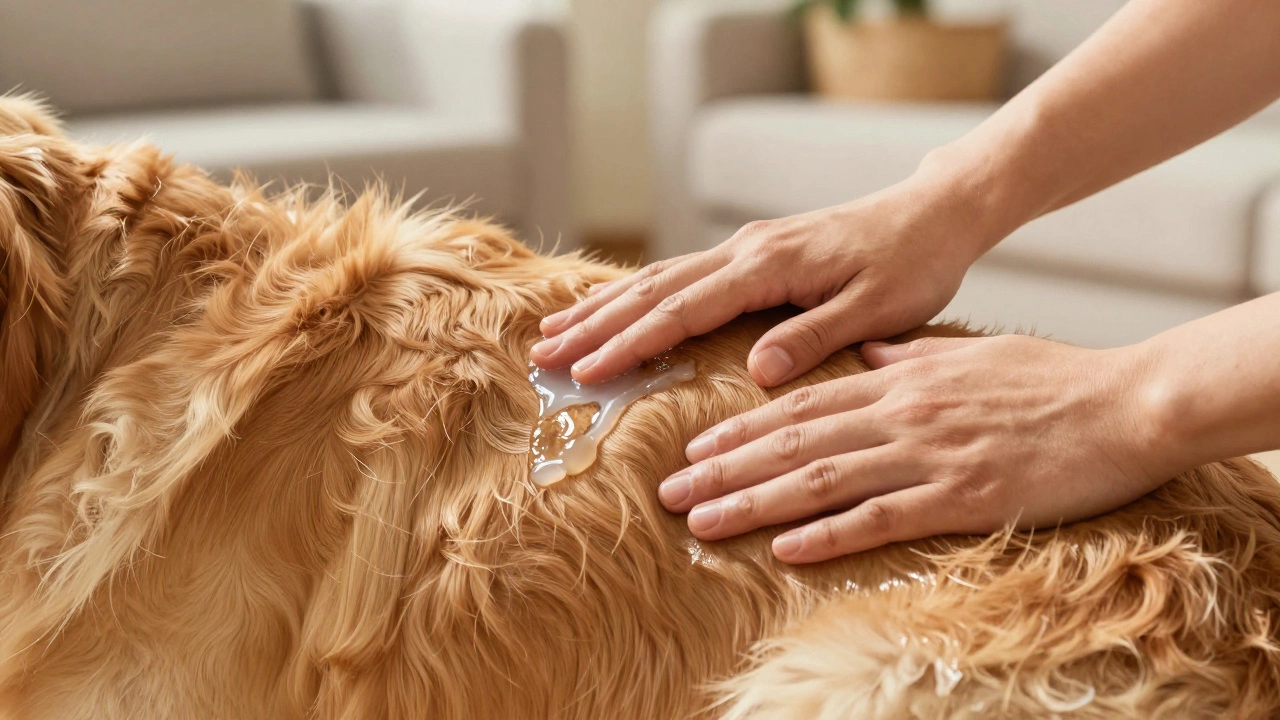
Coconut Oil Application Guide
Track the absorption progress after application.
Oil is liquid and spreading. Keep dog stationary.
Initial absorption occurs. Shine becomes matte.
Most fatty acids penetrate skin barrier.
Residue is superficial and safe to leave alone.
Recommendation
Picture this: you just finished massaging warm coconut oil is a popular natural supplement derived from the meat of mature coconuts, rich in medium-chain triglycerides (MCTs) into your dog’s dry, flaky patch on their back. The fur looks shiny, the itching seems to have stopped, and you’re feeling pretty proud of your DIY grooming session. Then, a nagging thought hits you. Did I leave too much on? Should I wipe it off? Do I actually need to rinse my dog with water?
If you’ve ever applied topical oils to your pet, you know that "greasy" is the first word that comes to mind. It feels uncomfortable to think about walking around with a slick coat. But here is the short answer that saves you time and stress: No, you do not need to rinse coconut oil off your dog with water and shampoo. In fact, rinsing it immediately defeats the purpose of using it in the first place.
Why Rinsing Defeats the Purpose
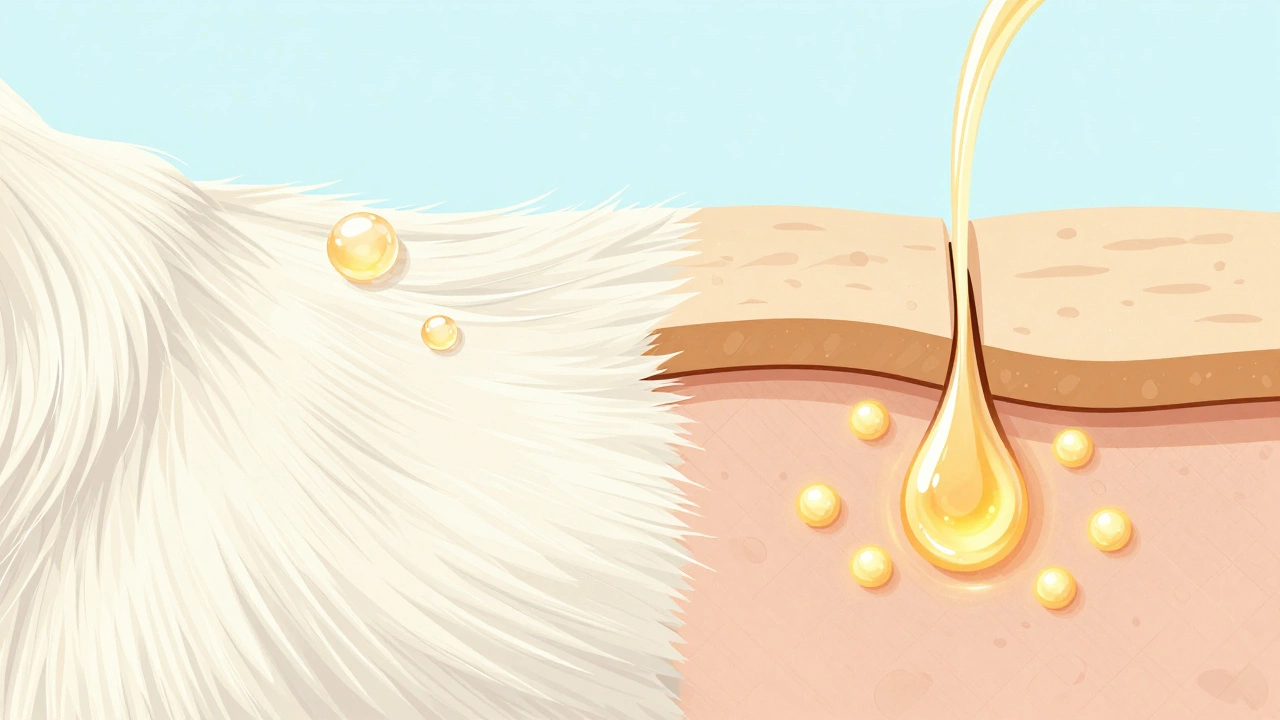
To understand why rinsing is unnecessary, we have to look at what coconut oil is primarily composed of lauric acid, caprylic acid, and capric acid, which have antimicrobial properties beneficial for skin health does to your dog’s skin. When you apply it topically, you aren't just moisturizing; you are creating a barrier. This barrier locks in moisture and protects the skin from environmental irritants like pollen or dry air.
If you rinse your dog immediately after application, you wash away those active fatty acids before they can absorb. You also strip away the protective layer you just created. Think of it like putting lotion on your own hands. If you washed your hands with soap right after applying lotion, would your hands still feel soft? Probably not. The same logic applies to your dog’s coat.
However, there is a difference between "not rinsing" and "leaving a puddle." While you don’t need a bath, you do need to manage the excess. Leaving a thick, unabsorbed layer of oil can lead to other problems, such as attracting dirt or causing digestive issues if your dog licks it off excessively.
The Absorption Timeline
Coconut oil is semi-solid at room temperature but melts upon contact with skin warmth. Once melted, it begins to penetrate the hair shaft and the outer layer of the skin. This process takes time. Most veterinarians and groomers suggest waiting at least 15 to 30 minutes after application before allowing your dog to roam freely or interact with furniture.
During this window, the oil transitions from a surface slick to an absorbed nutrient. If you touch your dog’s coat after 20 minutes and it feels slightly damp but not greasy, the absorption is working correctly. If it still feels slippery enough to slide off a couch cushion, you likely applied too much product initially.
- 0-5 minutes: The oil is liquid and spreading. Keep your dog stationary.
- 5-15 minutes: Initial absorption occurs. The shine becomes more matte.
- 15-30 minutes: Most of the beneficial fatty acids have penetrated the skin barrier.
- After 30 minutes: Any remaining residue is superficial and safe to leave alone.
Managing Excess Oil Without Water
Since rinsing isn’t required, how do you handle the mess? If you notice your dog is leaving oily footprints on your floor or sticking dust bunnies to their belly, you have two simple options that don’t involve a full bath.
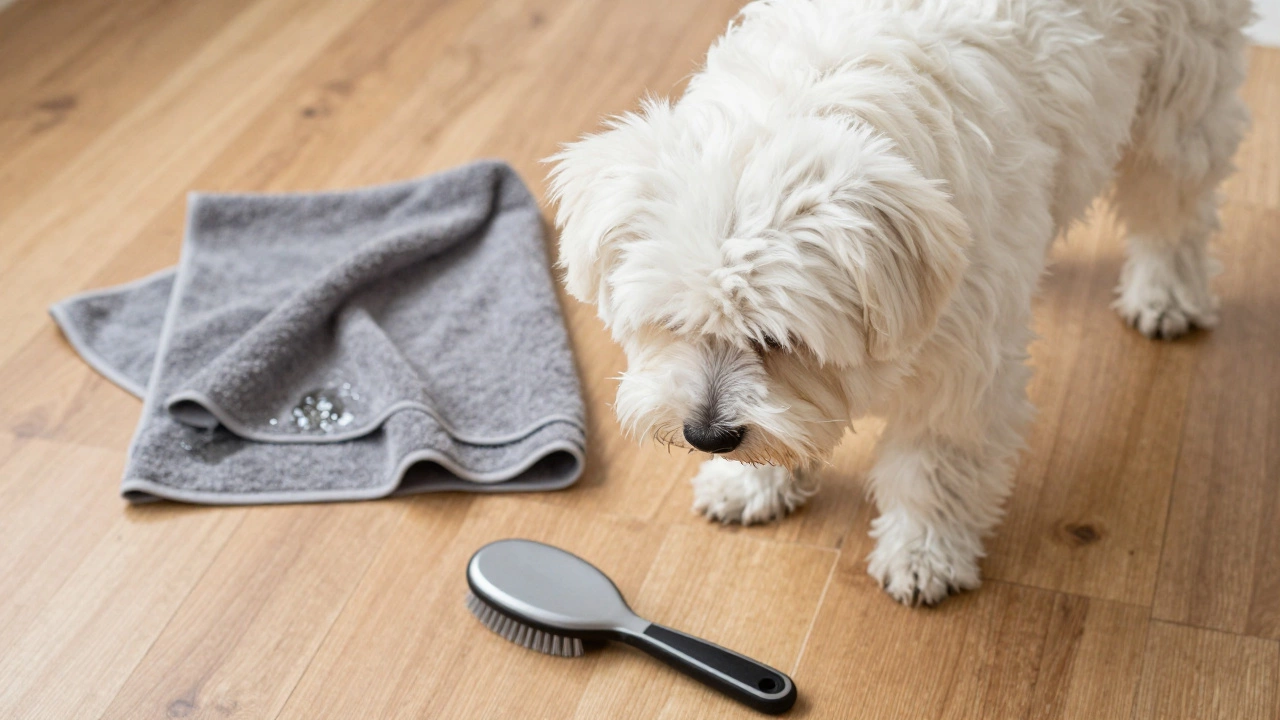
Option 1: The Towel Wipe Take a clean, dry microfiber towel or an old t-shirt. Gently blot and wipe the areas where you applied the most oil. Microfiber is excellent because it traps oils rather than spreading them around. Focus on the paws, the underbelly, and the tail base-areas where dogs tend to accumulate excess product.
Option 2: The Brush-Out For dogs with longer coats, use a slicker brush or a detangling comb. Brushing helps distribute the oil evenly through the fur so it doesn’t pool in one spot. It also removes loose hair that might otherwise trap the oil against the skin, potentially leading to clogged pores or folliculitis.
Avoid using paper towels for large areas. They often disintegrate when wet with oil and leave behind tiny white fragments stuck in your dog’s fur, which is a nightmare to pick out later.
Risks of Over-Absorption and Licking
One of the biggest concerns owners have is whether their dog will lick the oil off themselves. Dogs are curious creatures, and the scent of coconut is appealing to many. While ingesting small amounts of coconut oil is generally safe and even beneficial for digestion, excessive ingestion can cause gastrointestinal upset.
If your dog licks off a significant amount of topical oil, you might see loose stools or diarrhea within a few hours. This is because the high fat content can overwhelm their digestive system. To prevent this, ensure you are applying only a thin layer. A pea-sized amount is usually sufficient for a small dog, while a tablespoon might be needed for a large breed like a Labrador or Golden Retriever.
If your dog is a compulsive licker, consider using an Elizabethan collar (cone) for the 30-minute absorption period. Alternatively, apply the oil to areas they cannot reach, such as the mid-back or the tops of the shoulders.
When You Actually Should Wash Your Dog
There are specific scenarios where rinsing or washing becomes necessary. These are exceptions to the "no rinse" rule and usually involve contamination or over-application.
| Situation | Action Required | Reason |
|---|---|---|
| Dog rolled in dirt/mud after oil application | Full bath with mild shampoo | Oil traps dirt against skin, risking infection |
| Excessive application causing matting | Wash with conditioner or dematting spray | Prevents skin irritation from tight mats |
| Dog licked oil and developed diarrhea | No immediate wash needed | Focus on hydration and bland diet |
| Normal application, slight sheen | None (let it absorb) | Maximizes skin benefits |
If your dog gets dirty after you apply the oil, the mixture of oil and soil can create a breeding ground for bacteria. In this case, a gentle wash with a pH-balanced dog shampoo is appropriate. Use lukewarm water and ensure you rinse thoroughly, as leftover shampoo combined with residual oil can cause further irritation.
Choosing the Right Coconut Oil
Not all coconut oils are created equal. For topical application on dogs, you should always choose virgin coconut oil is unrefined coconut oil extracted without high heat or chemicals, retaining maximum nutrients and antioxidants. Refined coconut oil undergoes processing that strips away many of the beneficial compounds and may contain residues from bleaching agents or deodorizers.
Cold-pressed virgin coconut oil retains the highest levels of lauric acid, which has anti-inflammatory and antifungal properties. This makes it particularly effective for treating hot spots, yeast infections, and dry skin conditions. Check the label to ensure it is 100% pure coconut oil with no added fragrances, preservatives, or other oils.
Scented products should be avoided entirely. Dogs have sensitive noses, and artificial fragrances can irritate their respiratory systems or cause allergic reactions on their skin. Stick to the natural, subtle coconut scent.
Alternatives to Coconut Oil
While coconut oil is a favorite among pet owners, it isn’t the only option. Some dogs may be allergic to coconuts, or their owners may prefer a less greasy alternative. Here are a few substitutes that work similarly but may require different handling regarding rinsing.
- Jojoba Oil: Closely mimics the natural sebum produced by dog skin. It absorbs quickly and leaves less residue than coconut oil. No rinsing needed.
- Almond Oil: Lightweight and hypoallergenic for many dogs. Great for sensitive skin. Ensure it is sweet almond oil, not bitter almond oil, which is toxic.
- Olive Oil: Contains oleic acid which soothes inflammation. However, it can go rancid faster than coconut oil and has a stronger smell. Apply sparingly.
Regardless of the oil you choose, the rule remains the same: apply a thin layer, allow it to absorb for 15-30 minutes, and wipe off any obvious excess. Do not rinse with water unless contamination occurs.
Troubleshooting Common Issues
Even with proper application, things can go wrong. Here is how to handle common hiccups associated with topical oil treatments.
Problem: The coat looks stringy or matted. This happens when too much oil is applied to long-haired breeds. Stop adding product immediately. Use a detangling spray designed for dogs and gently comb through the mats. If the mats are severe, trim them out rather than pulling, which hurts the skin.
Problem: Increased itching after application. If your dog starts scratching more after you apply coconut oil, they may have an allergy or sensitivity to it. Discontinue use immediately. Clean the area with a mild antiseptic wipe or a dilute chlorhexidine solution if recommended by your vet. Consult your veterinarian before trying another topical treatment.
Problem: Stains on furniture. Coconut oil can leave yellowish stains on light-colored fabrics. Blot the stain immediately with a cloth soaked in warm water and a drop of dish soap. Avoid rubbing, which pushes the oil deeper into the fibers. Let it air dry before brushing the fabric.
How long should I wait after applying coconut oil before letting my dog outside?
Wait at least 15 to 30 minutes. This allows the oil to absorb into the skin and coat. Going outside immediately risks the dog rolling in dirt, which sticks to the oil, or licking off the unabsorbed product, which could cause stomach upset.
Can I use human shampoo to rinse off coconut oil?
It is not recommended. Human shampoo has a different pH balance than dog skin, which can disrupt the skin's natural barrier and cause dryness or irritation. If you must wash your dog, use a gentle, pH-balanced dog shampoo.
Is it safe if my dog licks the coconut oil off their fur?
In small amounts, yes. Coconut oil is edible and can aid digestion. However, excessive licking can lead to diarrhea or pancreatitis in sensitive dogs. Try to limit licking during the initial 30-minute absorption period.
How much coconut oil should I apply to my dog?
Start with a small amount. For small dogs, a pea-sized amount is sufficient. For medium to large dogs, start with a teaspoon. Rub it between your hands to melt it, then massage it into the skin. You can always add more, but it is hard to remove excess once applied.
Does coconut oil help with fleas?
No, coconut oil is not a flea repellent or treatment. While some anecdotal evidence suggests it might make the skin less appealing to parasites due to its scent, it does not kill fleas or prevent infestations. Use veterinary-approved flea control products instead.