Dog Grooming Tip Calculator
Calculate Your Tip
Recommended Tip
Alternative Appreciation Options
While cash tips are appreciated, these alternatives are equally valuable to groomers:
- Leave a Google/Facebook review (most valuable for small businesses)
- Bring a coffee or snack for the staff
- Refer a friend who needs grooming
- Give a small gift (cookies, tea, pet supplies)
Ever walked out of a dog grooming salon and wondered if you should’ve left a tip? You paid $80 for a full bath, blow-dry, trim, and nail clip-and your pup looks amazing. But the groomer didn’t say a word about tipping. So now you’re stuck: Do most people even do it?
The short answer? Not everyone tips, but a solid chunk of dog owners do-and it’s not just about being polite. It’s about recognizing work that’s physically demanding, emotionally taxing, and often underpaid.
What Dog Groomers Actually Do
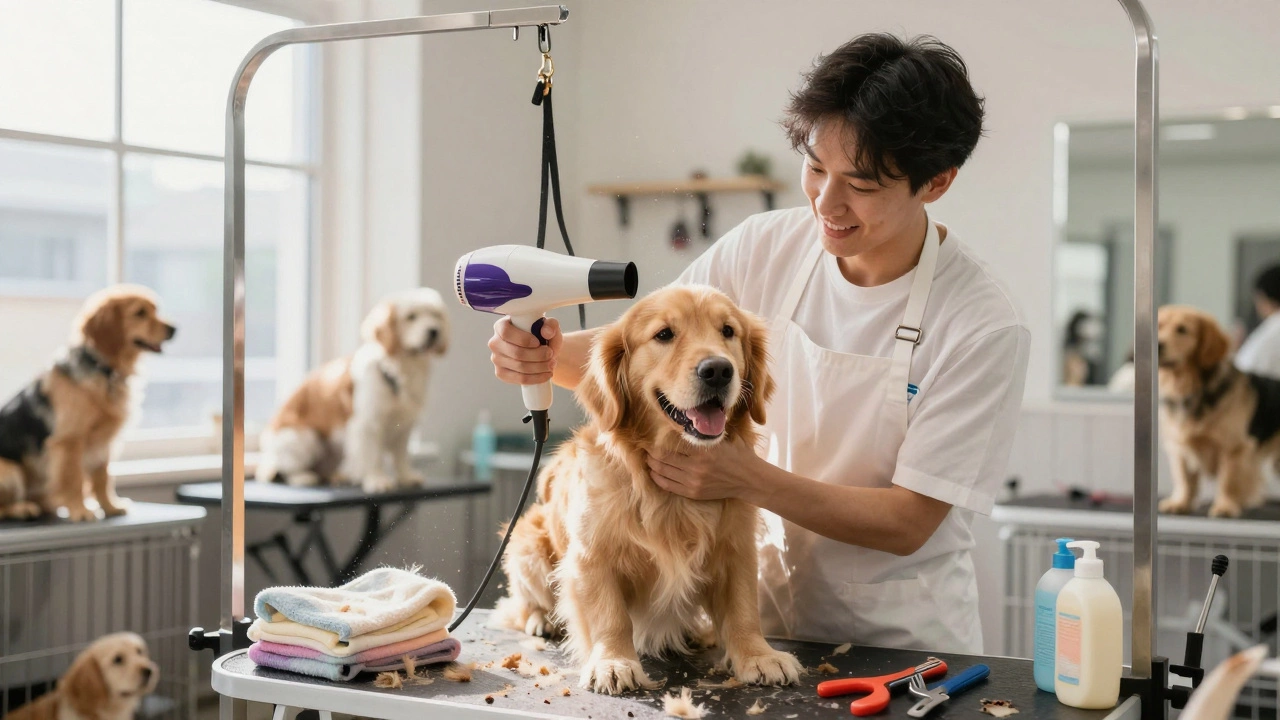
Dog grooming isn’t just brushing fur. A professional groomer handles everything from matted Poodles to anxious Shiba Inus who’ve never been near a dryer. They scrub dirt out of paw pads, clean ears that smell like old socks, clip nails so close you hold your breath, and wrestle with dogs who’ve never had a bath before.
It’s not uncommon for a groomer to handle five to eight dogs in a single day. Each one takes 45 to 90 minutes. That’s back-to-back physical labor. They’re on their feet for hours, bending over, lifting dogs, dealing with shedding, biting, scratching, and sometimes even urine accidents. And they do it all while smiling.
Most groomers aren’t making six figures. In New Zealand, the average hourly wage for a pet groomer is around $22-$28 an hour. That’s before taxes, equipment costs, and product expenses. Many work for small businesses that pay them a flat rate per dog, not hourly. So if you’re paying $75 for a groom, the groomer might only see $25-$35 after the salon takes its cut.
Who Tips-and Who Doesn’t
Surveys from pet industry groups show that about 40% to 50% of dog owners tip their groomers. The tipping rate jumps to 70% or higher among people who take their dogs to the same salon every 4 to 6 weeks. Why? Because they’ve built a relationship.
Regular clients know the groomer’s name. They remember that their golden retriever hates the blow dryer and the groomer always turns it off early. They know the groomer stayed late once because their dog was scared and needed extra time. That kind of care doesn’t show up on a receipt. But it shows up in the dog’s calm demeanor.
On the flip side, people who only go once or twice a year rarely tip. They see grooming as a service like getting a haircut-something you pay for and walk away from. But here’s the thing: your dog isn’t a chair. It’s a living creature with moods, fears, and habits. A good groomer adjusts for that.
How Much Should You Tip?
There’s no official rule. But here’s what most regulars do:
- $5 to $10 for a basic bath and brush ($40-$50 service)
- $10 to $20 for a full groom ($60-$90)
- $20+ if your dog had major mats, was extremely nervous, or required extra time
Some people tip 15% to 20%, just like restaurants. Others just round up to the nearest $10. If your bill is $87, handing over $100 and saying "keep the change" is a perfectly fine tip.
And if you’re on a tight budget? Don’t feel guilty. A simple "Thank you, you did a great job" means a lot. Groomers hear that more than you think-and it sticks with them.
What Happens When You Don’t Tip
Most groomers won’t say anything. They’re professionals. But here’s what happens behind the scenes:
- They remember who tips and who doesn’t. Regular tippers get priority booking.
- Dogs with anxious owners often get extra attention from groomers who’ve seen them before. That attention? It’s earned.
- If a groomer knows you never tip and never say thank you, they might not go the extra mile next time. Not out of spite-but because they’re human.
It’s not about guilt. It’s about reciprocity. If someone gives you consistent care, especially when your pet is vulnerable, a little extra shows you notice.
Alternatives to Cash Tips
Not everyone carries cash. And some groomers don’t want money-they want something else.
- Leave a Google or Facebook review. One five-star review can mean a new client-and that’s worth more than a $10 tip to a small business.
- Bring a coffee or snack. A simple "Here, I got you a coffee" goes a long way on a busy morning.
- Refer a friend. If you know someone who needs grooming, tell them who to call. Word-of-mouth is gold.
- Give a small gift. A box of cookies, a pack of tea, or even a new brush for their station shows you think of them.
These aren’t replacements for tipping-they’re bonuses. But they matter just as much.
Why This Matters Beyond the Tip
Dog grooming is one of the most overlooked jobs in pet care. People spend hundreds on dog food, toys, and vet bills. But when it comes to grooming, they treat it like a commodity.
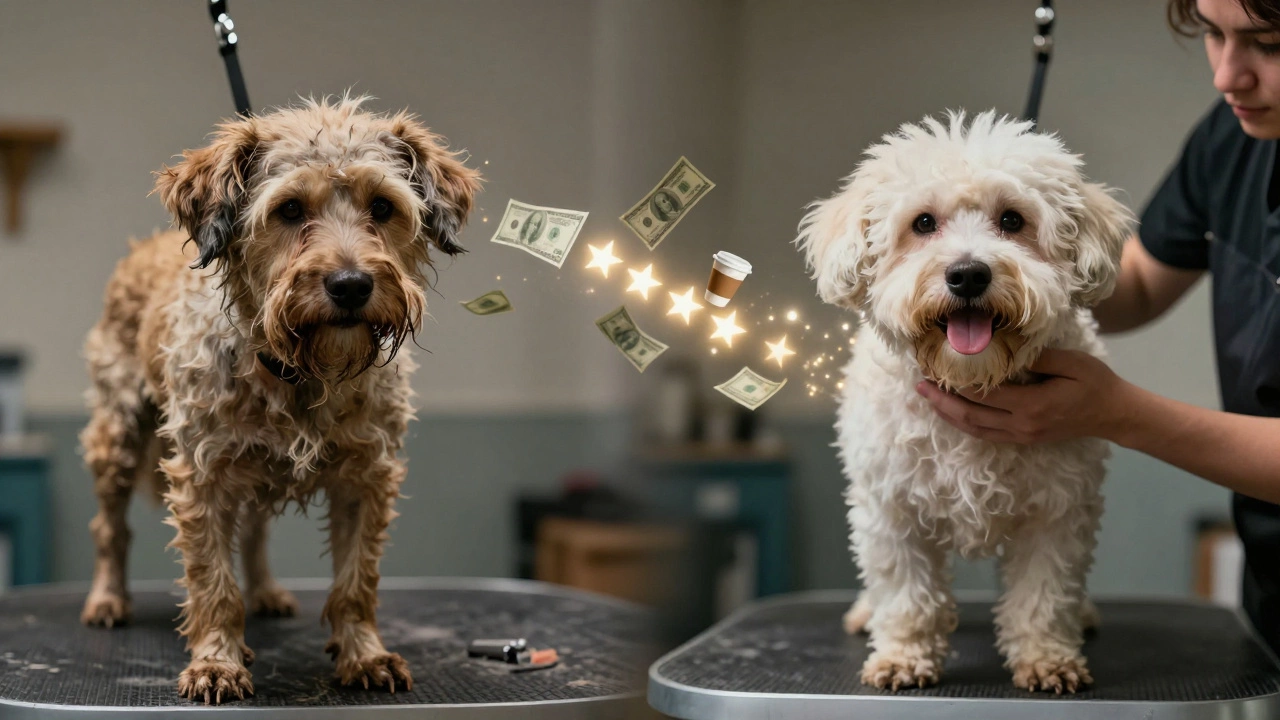
Yet without groomers, many dogs would suffer. Matted fur leads to skin infections. Overgrown nails cause joint pain. Dirty ears lead to infections. A good groomer prevents health problems before they start.
Tipping isn’t charity. It’s fair pay for skilled labor. It’s acknowledging that someone took care of your family member while you were at work, at the gym, or on vacation.
Next time your dog walks out looking like a brand-new pup, think about who made that happen. Then ask yourself: Did they get the thanks they deserve?
What If Your Groomer Says "No Tip Needed"?
Sometimes, groomers will say, "Don’t worry about it," or "You’ve been so kind already." That doesn’t mean you shouldn’t tip. It means they’re humble.
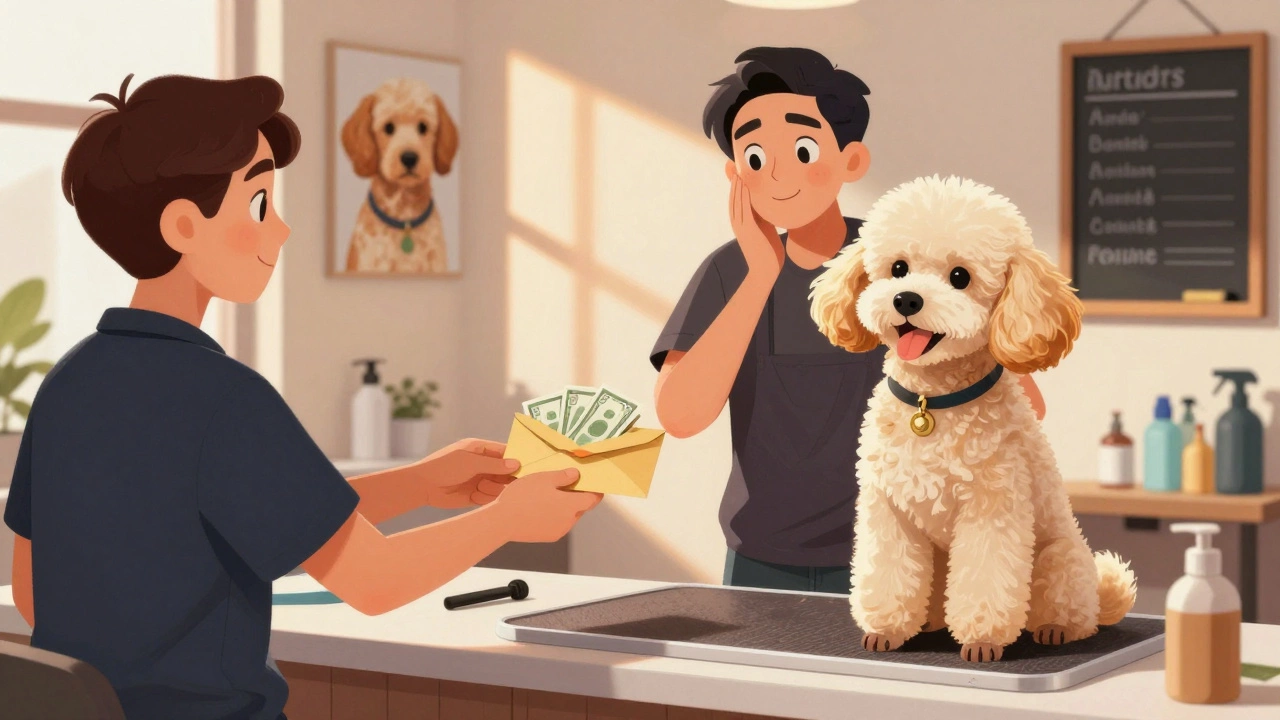
Here’s what to do: Thank them sincerely. Say, "I really appreciate how you handled [dog’s name]. I’d love to leave something small for you." Then hand them an envelope with cash or a gift card. If they refuse again, respect it-but leave it on the counter on your way out. Most will find it later and be touched.
They’re not saying no because they don’t want it. They’re saying no because they care more about your dog than your money.
Final Thought: It’s About Respect
You don’t tip because you’re forced to. You tip because you see the effort. You tip because you know your dog feels safer with this person than with a stranger. You tip because you know they didn’t just wash your dog-they cared for them.
And that’s worth more than a few dollars.