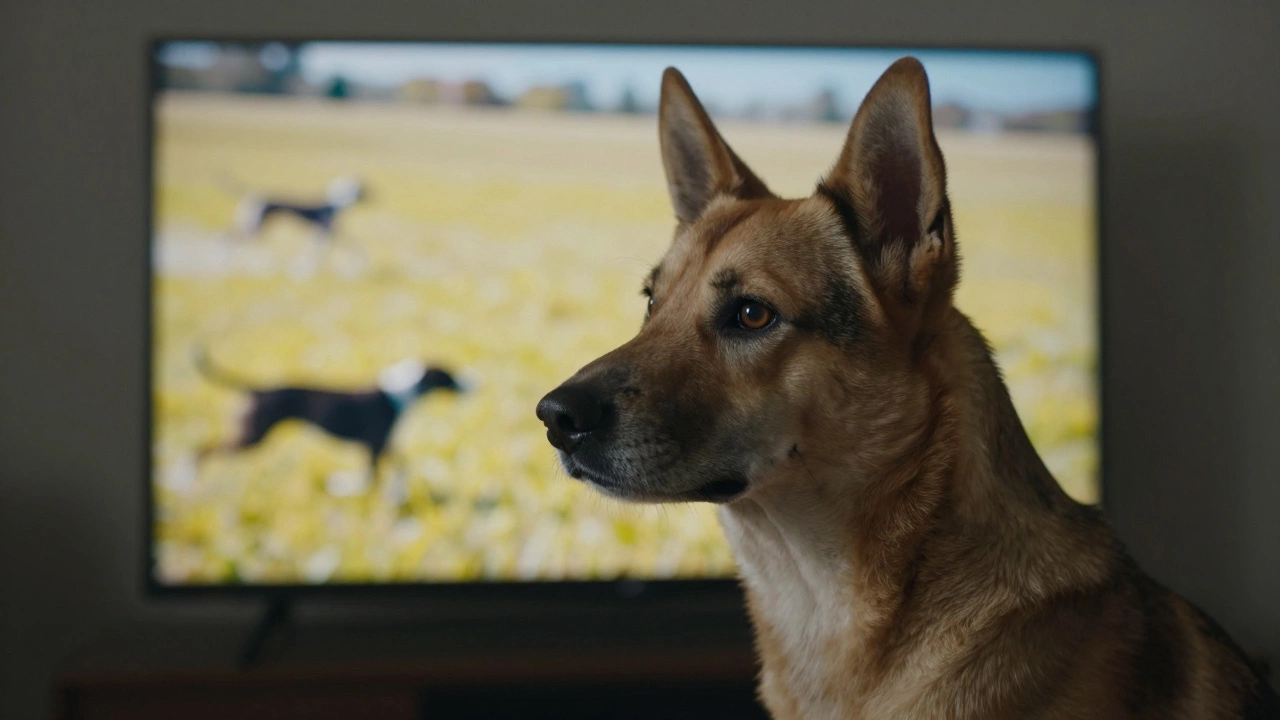
Ever left the TV on for your dog while you headed out for work? You might’ve thought you were doing them a favor-keeping them company, maybe even calming them down. But do dogs actually like TV left on? Or is it just something we assume because we’d hate to come home to silence?
The truth? It’s not that simple. Dogs don’t experience TV the way we do. Their eyes, ears, and brains process the world differently. And what might seem like entertainment to you could be confusing, overstimulating, or even ignored entirely.
How Dogs See the World
Dogs see colors differently. While humans see red, green, and blue, dogs mostly see blues and yellows. Reds and greens look grayish to them. That means a red couch or a green lawn? To your dog, it’s just a shade of gray. Their vision is also less sharp. A human with 20/20 vision can read a sign from 100 feet away. A dog would need to be about 20 feet away to see it clearly.
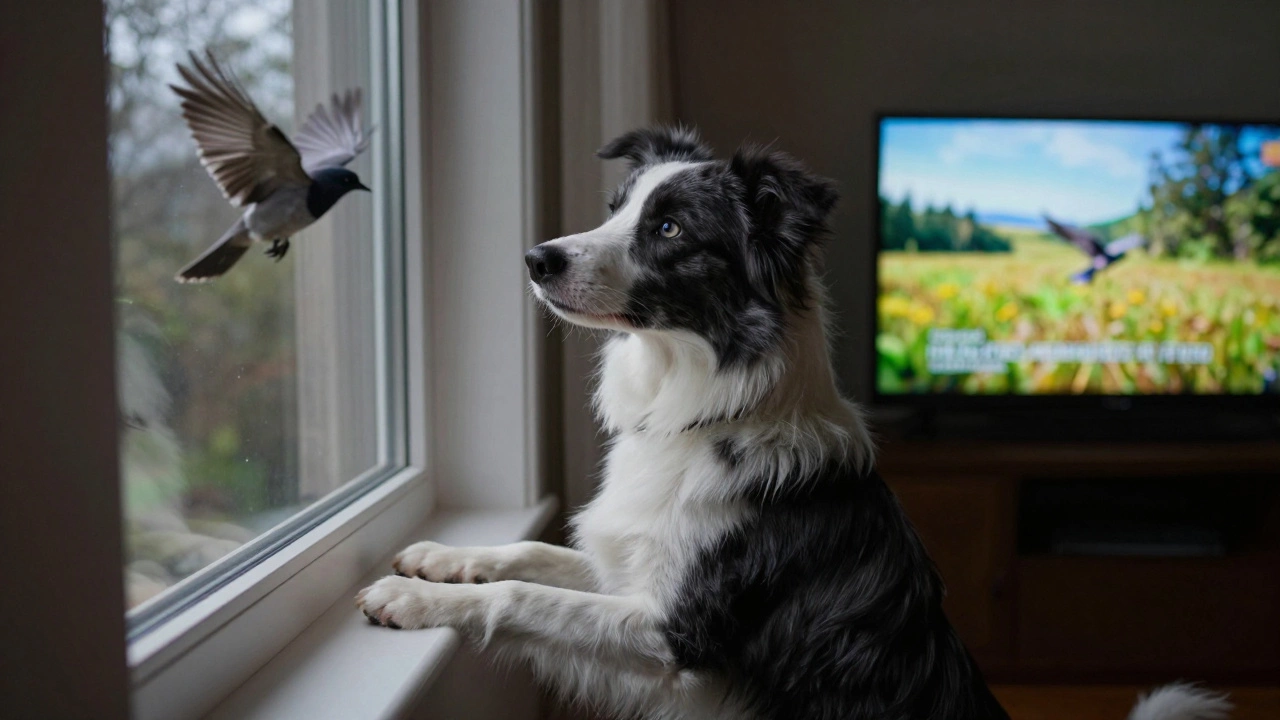
But here’s the kicker: dogs are way better at spotting motion. Their eyes are built to catch movement-even a flicker at the edge of their vision. That’s why your dog might suddenly bolt toward the window when a bird flies by. It’s also why they sometimes stare at the TV. The moving images? They’re registering that. The colors? Not so much.
What Sounds Do Dogs Notice?
Dogs hear frequencies humans can’t. They can pick up sounds above 20,000 Hz. That’s why your dog reacts to the vacuum cleaner or the high-pitched whistle of a dog training device. TV audio? It’s full of those high frequencies-barking dogs on screen, birds chirping, even the whir of a car engine. These sounds can trigger a reaction. Your dog might perk up at the sound of another dog barking, or freeze when they hear a squeaky toy.
Some dogs respond so strongly to TV sounds that they bark, whine, or even try to chase the image. Others? They tune it out. It depends on their breed, age, and personality. A Border Collie might fixate on a moving object on screen. A Bulldog? Probably not.
Do Dogs Actually Enjoy Watching TV?
There’s no evidence dogs watch TV for fun the way humans do. They don’t sit there for hours following a plot. But some dogs do react to certain content. Studies from the University of Auckland and the University of Lincoln found that dogs respond more to videos with other animals-especially dogs-moving quickly across the screen. One 2013 study showed that dogs spent more time looking at TV when it showed real dogs than when it showed humans or random shapes.
That’s why companies like DogTV created channels designed for dogs. These channels use slower motion, blue and yellow tones (colors dogs see best), and sounds that match dog communication-like calm panting or gentle barks. They don’t use loud ads or sudden cuts. The goal? Not entertainment. It’s calming.
Is Leaving the TV On Helpful for Separation Anxiety?
If your dog gets anxious when you leave, leaving the TV on might seem like a good idea. But here’s the catch: TV noise isn’t the same as human presence. A dog with separation anxiety needs reassurance, not background noise. In fact, some dogs get more stressed by unpredictable sounds-like sudden commercials or loud music.
Research from the University of Edinburgh found that dogs left alone with calming music or white noise showed lower stress levels than those left with TV. Why? Because music has consistent rhythm and tone. TV doesn’t. It jumps from quiet to loud, from speech to music to silence. That unpredictability can make anxious dogs more alert, not calmer.
Instead of TV, try:
- Playing low-volume classical music or dog-specific calming playlists
- Leaving behind a piece of clothing with your scent
- Using puzzle toys filled with peanut butter or frozen treats
What About Puppies and Senior Dogs?
Puppies are curious. They might stare at the TV, chase shadows, or bark at the screen. But their attention span is short. They’ll lose interest fast. Don’t rely on TV to keep them busy. Instead, give them safe chew toys or napping spots near you.
Senior dogs? Their vision and hearing fade. They might not notice the TV at all. If they do, it could be overwhelming. Bright flashes, loud noises, or fast movement might confuse them. A quiet room with soft lighting and familiar smells is better than a buzzing screen.
Do Some Dogs Actually Like TV?
Yes-but only some. Breeds with strong prey drives, like terriers, herding dogs, or sighthounds, are more likely to react. A Greyhound might fixate on a fast-moving animal on screen. A Border Collie might try to herd the ducks in a nature documentary.
One dog owner in Wellington told me her Jack Russell, Buster, would sit in front of the TV every time a dog show came on. He’d whine when the dogs barked and wag his tail when they got treats. He didn’t watch the whole show-he responded to the cues he understood.
So if your dog stares, tilts their head, or barks at the screen? They’re not watching for plot. They’re reacting to motion, sound, and scent cues they recognize. That’s not enjoyment-it’s instinct.
Should You Leave the TV On?
Leaving the TV on won’t harm your dog. But it won’t help much either. If your dog doesn’t react to it, it’s just noise. If they do react, it might cause stress or overstimulation.
Instead of TV, focus on real enrichment:
- Rotate toys weekly to keep them interesting
- Use food puzzles that make them work for snacks
- Leave on a radio tuned to calm talk shows or classical stations
- Consider a pet camera with two-way audio so you can talk to them
And if you’re worried about boredom or anxiety? Talk to a certified dog behaviorist. They can help you find real solutions-not just noise.
What About DogTV?
DogTV is a real channel designed for dogs. It’s split into three segments: relaxation, stimulation, and exposure. Each one uses colors, motion, and sounds tailored to dog senses. It’s not meant to replace human interaction. It’s meant to fill quiet hours when you’re gone.
Some owners swear by it. Others say their dogs ignore it completely. One study found that 70% of dogs showed interest in DogTV, but only 30% spent more than 10 minutes watching it. So it works for some-not all.
If you want to try it, start with the relaxation channel. Put it on low volume. See if your dog sits near it. If they walk away? That’s fine. You didn’t fail. They just don’t need it.
Final Takeaway
Dogs don’t like TV the way we do. They don’t binge-watch. They don’t laugh at sitcoms. They react to movement and sound that triggers their instincts. Sometimes that’s curiosity. Sometimes it’s stress.
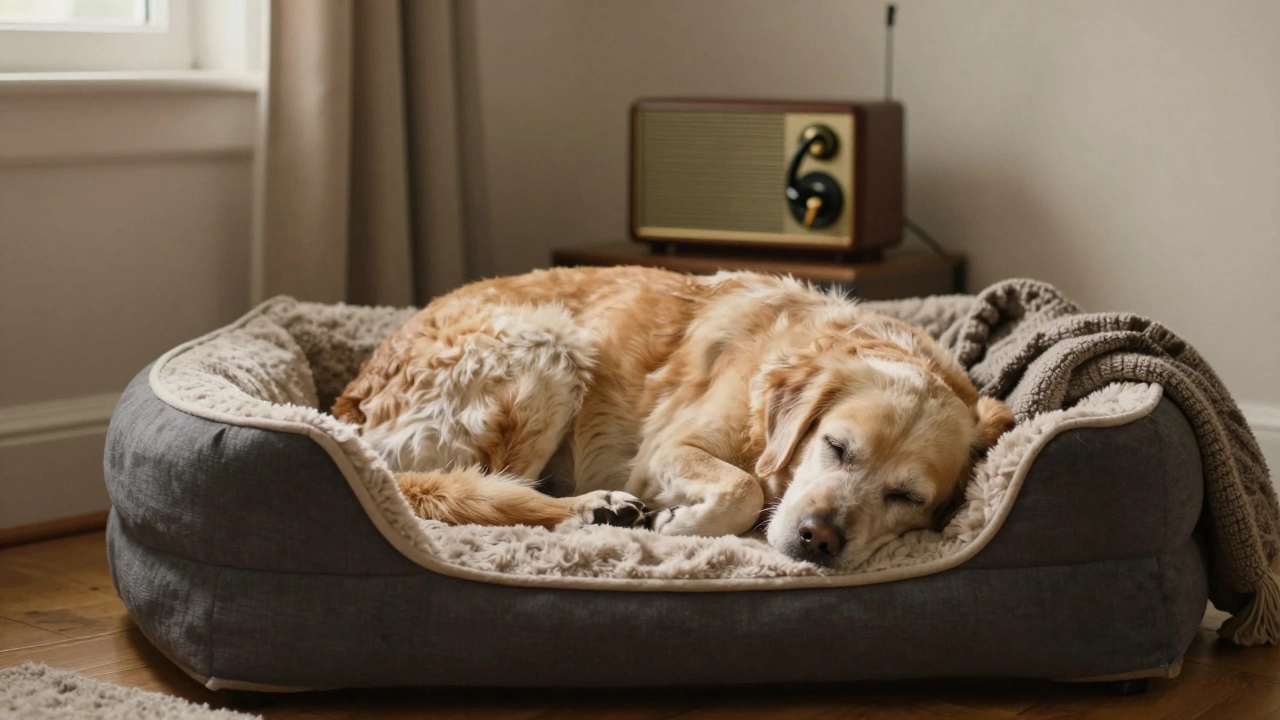
Leaving the TV on won’t solve boredom or anxiety. What works better? A comfortable dog bed in a quiet corner, a puzzle toy with a treat inside, and the sound of familiar, steady noise-not flashing screens and sudden commercials.
If your dog glances at the TV once in a while? That’s normal. If they stare for hours? Maybe they’re bored, anxious, or just trying to make sense of a strange world. Give them something real to engage with-not a screen.
Do dogs understand what’s on TV?
Dogs don’t understand stories or plotlines. They react to movement, sounds, and shapes that match things they recognize-like other animals, barks, or squeaky toys. They see the screen as a source of stimuli, not entertainment.
Can TV help with dog anxiety?
TV is not a reliable solution for anxiety. The unpredictable sounds and visuals can increase stress. Calming music, familiar scents, and interactive toys work better. If your dog has separation anxiety, consult a certified behaviorist for proven strategies.
Do all dogs react to TV the same way?
No. Breeds with high prey drive-like terriers, greyhounds, or border collies-are more likely to react. Older dogs or those with poor vision/hearing may not notice it at all. Personality matters too. A calm dog might ignore the TV. A curious one might stare.
Is DogTV worth subscribing to?
It might help some dogs, but not all. Studies show only about 30% of dogs spend more than 10 minutes watching it. If your dog doesn’t respond after a few tries, it’s not worth the cost. Try free alternatives like calming music or puzzle toys first.
Should I turn off the TV when I’m home?
Not necessarily. If your dog ignores it or enjoys the background noise, leave it on. But don’t rely on it for stimulation. Real interaction-playtime, walks, training-is far more valuable. TV is just noise. Your presence is the real comfort.