Cat Satiety & Feeding Optimizer
Compare how different food types and feeding methods affect your cat's feeling of fullness (satiety) and risk of overeating.
Analysis Result:
Analysis will appear here.
The Science of Feline Fullness
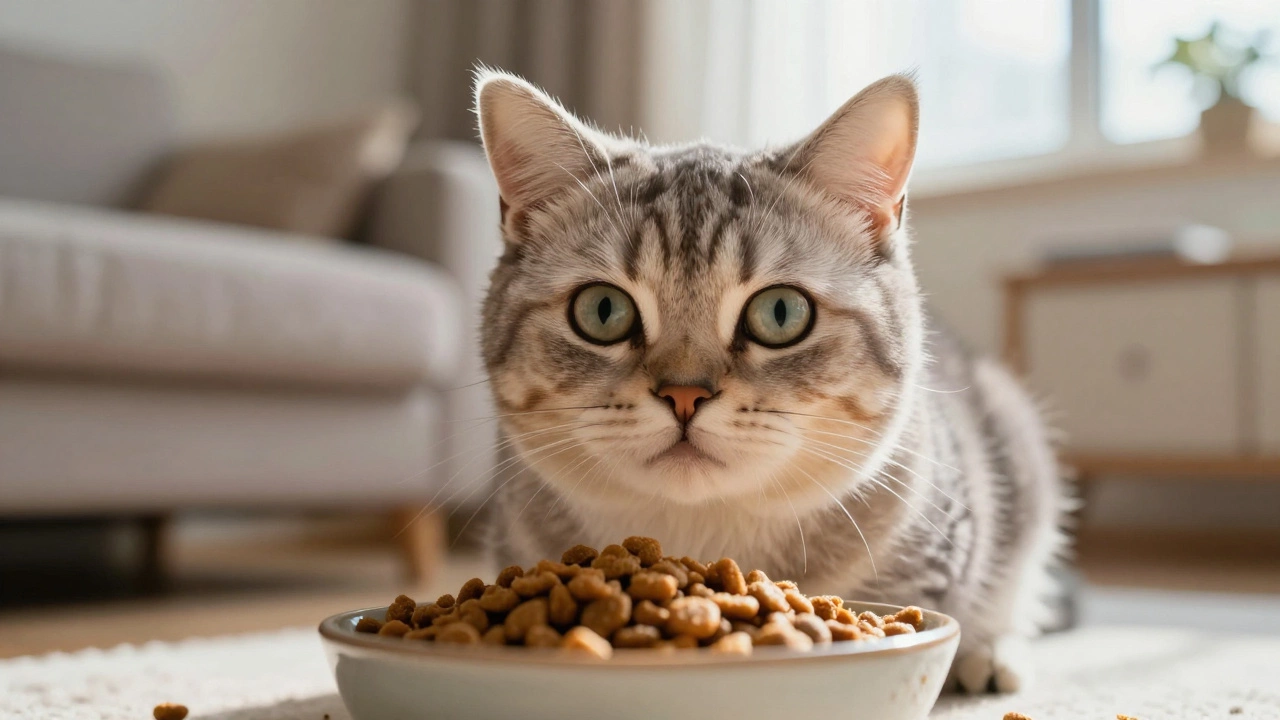
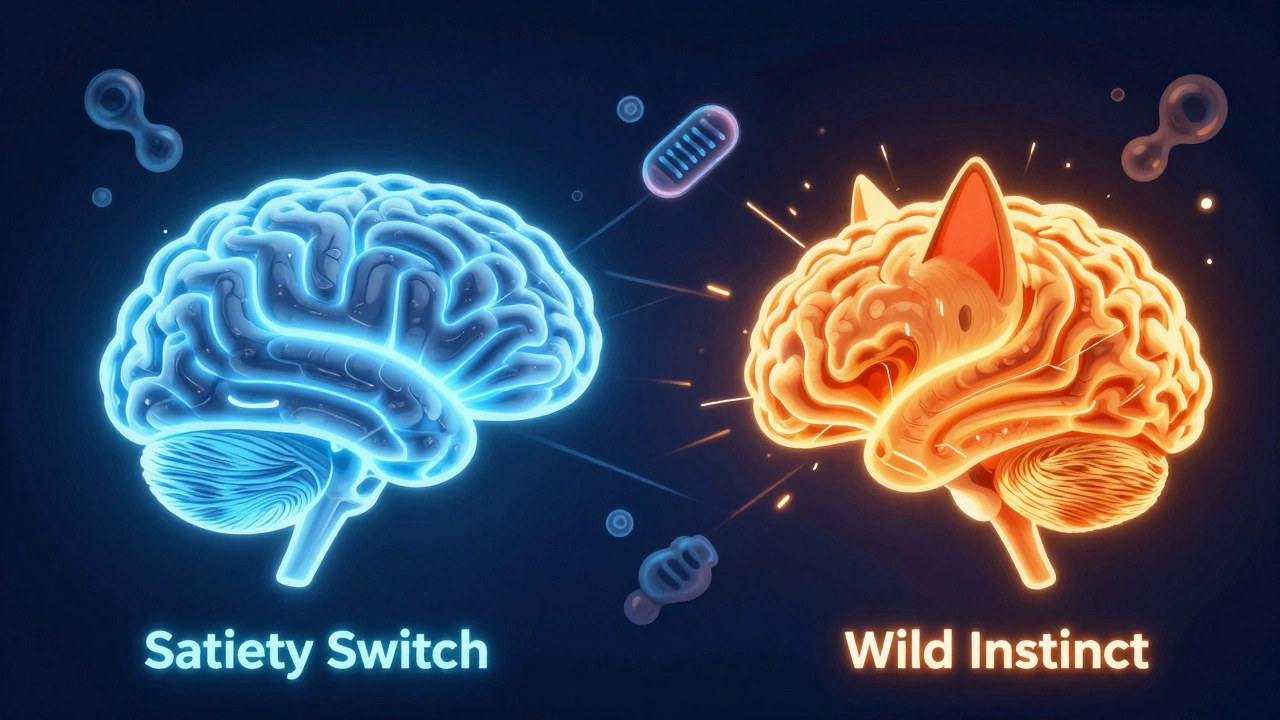
To understand why your cat might keep eating, we have to look at how their bodies handle hunger. Satiety is the feeling of being full and satisfied after eating. This process is controlled by a complex interaction between the gut and the brain. When a cat eats, their stomach stretches, and the intestines release hormones like Cholecystokinin (CCK), which tells the brain, "Okay, we're good here, stop the food coming in."However, cats are Obligate Carnivores, meaning their bodies are designed to process high protein and fat. Because they evolved as opportunistic hunters in the wild, eating a large meal when it's available was a survival strategy. This "feast or famine" instinct is still hardwired into your pampered house cat. Even if they are biologically full, the instinct to eat more just in case food disappears tomorrow can override their internal satiety signals. This is why some cats will practically beg for food an hour after a massive meal. cat appetite is often more about instinct and habit than actual caloric need.
Why Some Cats Overeat
If your cat refuses to leave the bowl alone, it's usually not because they're actually hungry. There are several reasons why the "stop" signal isn't working. Boredom is a huge factor. For a house cat, the act of eating is one of the few stimulating activities in their day. If they've spent six hours napping and two hours staring at a fly, the food bowl becomes their primary source of entertainment. They aren't eating for fuel; they're eating because it's the most interesting thing happening in the living room.Then there's the role of Leptin, a hormone that helps regulate long-term energy balance. In overweight cats, a condition called leptin resistance can occur. Essentially, the brain stops "hearing" the signal that says the body has enough fat stores. It's like a broken thermostat; the room is warm, but the heater keeps running because the sensor is malfunctioning. This leads to a vicious cycle where the cat feels hungry even when they are clinically obese.
The Danger of Free-Feeding
Many owners rely on "free-feeding," which is just leaving a giant bowl of dry food out all day. While it's convenient, it's often the worst approach for a cat's weight management. When food is always available, cats stop associating eating with a specific time or reward, and they lose the habit of listening to their hunger cues. Instead, they graze. This grazing often leads to overeating because the cat is eating based on availability rather than need.Consider the difference between a structured meal and a buffet. In a structured environment, the cat focuses on the meal and is more likely to recognize the point of satiety. In a buffet scenario, the food is just a permanent part of the environment. If you've noticed your cat is putting on a few extra pounds, the first step is usually moving away from the open bowl and toward scheduled feedings. This resets their internal clock and makes them more mindful of when they are actually hungry.
| Feeding Method | Satiety Control | Risk of Obesity | Behavioral Impact |
|---|---|---|---|
| Free-Feeding (Ad Libitum) | Low | High | Grazing/Boredom eating |
| Scheduled Kibble | Medium | Low | Anticipatory excitement |
| Wet Food Portions | High | Very Low | High satisfaction/Hydration |
Wet Food vs. Dry Food: The Satiety Gap
Not all calories are created equal when it comes to how full a cat feels. Dry food is incredibly calorie-dense. A small handful of kibble can have as many calories as a large portion of wet food. Because the volume is so small, the stomach doesn't stretch as much, and the physical signal of fullness takes longer to reach the brain. This is why cats often seem "bottomless" when eating dry food-they are consuming a huge amount of energy without the physical sensation of being stuffed.Wet Cat Food is a game-changer here. It has a much higher water content, which increases the volume of the meal without adding massive amounts of extra calories. This physically fills the stomach, triggering the stretch receptors more effectively. Furthermore, wet food usually contains higher protein levels and fewer fillers (like corn or soy), which helps the cat feel satisfied for longer. If your cat is a constant beggar, swapping some of their dry kibble for a high-protein wet pâté can often quiet the constant demands for snacks.
When Stopping Eating is a Red Flag
While we've talked about cats who won't stop, the opposite is also a concern. If your cat suddenly stops eating when they aren't full, or if they walk away from a favorite meal, it's a medical emergency. Unlike dogs, cats can develop Hepatic Lipidosis (fatty liver disease) very quickly if they stop eating for just a couple of days. This happens because their bodies aren't efficient at processing fat stores for energy when they aren't consuming protein.If a cat is acting "picky" but also seems lethargic, it could be dental pain. Imagine trying to eat a crunchy cracker with a severe toothache; you'd probably take a few bites and then give up, even if you were starving. Other culprits include kidney disease or gastrointestinal blockages. If the behavior change is sudden, don't assume they're just being fussy. A quick vet check to rule out inflammation or infection is the only safe move.
Practical Tips to Manage Your Cat's Appetite
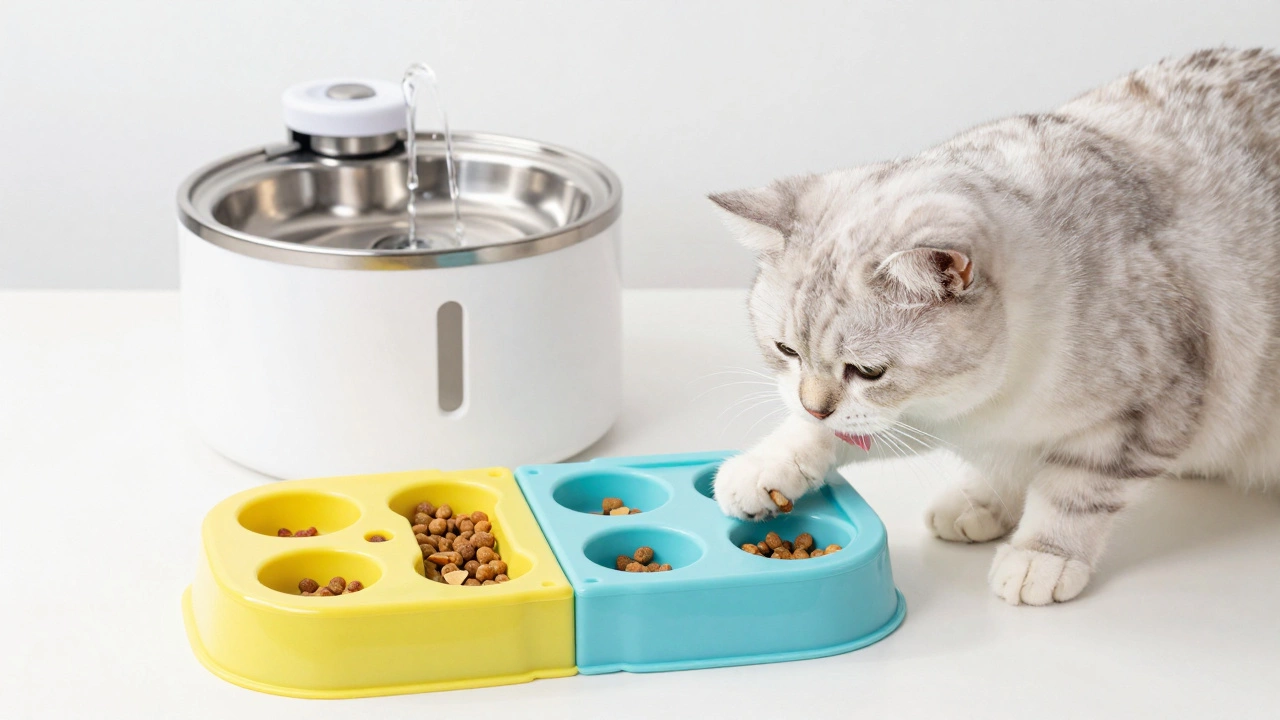
So, how do you handle a cat that doesn't seem to have an "off" switch? The goal is to simulate a natural hunting cycle. Instead of one or two big meals, try four to six tiny meals throughout the day. This mimics how wild cats eat and keeps their blood sugar stable, which reduces the frantic hunger signals.
- Use Puzzle Feeders: Instead of a bowl, put food in a treat ball or a foraging mat. This forces the cat to "work" for their food, slowing them down and giving their brain time to register the satiety signals.
- Focus on Protein: Check your labels. Food with high percentages of meat-based proteins and low carbohydrates will keep them full longer than foods loaded with grains.
- Increase Water Intake: Sometimes cats confuse thirst with hunger. A Cat Water Fountain can encourage more drinking, which helps fill the stomach and keeps them hydrated.
- Scheduled Play: Schedule a vigorous play session with a wand toy right before mealtime. This completes the "hunt-catch-kill-eat" sequence, making the meal more psychologically satisfying.
Understanding the "Begging" Psychology
It is helpful to realize that when your cat meows at the bowl, they aren't always asking for food because they're hungry. They are often asking for a dopamine hit. Eating triggers a release of feel-good chemicals in the brain. If your cat knows that meowing leads to a treat, they are simply training you to provide a reward. This is called positive reinforcement-not for the cat's health, but for the cat's habit.To break this, stop rewarding the begging. It sounds cruel, but giving in to a "starving" cat that just ate only reinforces the behavior. Use a consistent schedule. Once they know that food only arrives at 7 AM and 6 PM, the constant begging usually subsides because the uncertainty-and the gamble of the "extra" treat-is gone.
Can a cat actually overeat to the point of getting sick?
Yes, although it's rare for them to eat until they burst, overeating can lead to vomiting. If a cat eats too quickly (scarfing and barfing), the stomach expands too rapidly, causing the food to come back up. Long-term overeating leads to obesity, which causes diabetes and joint pain.
Why does my cat act hungry even after a big meal?
This is usually due to evolutionary instincts. Wild cats don't know when their next meal is coming, so they are wired to eat whenever food is available. Additionally, boredom or a lack of protein in their diet can make them feel less satisfied.
Is it normal for kittens to eat more than adult cats?
Absolutely. Kittens are in a massive growth phase and need significantly more calories per pound of body weight than adults. They often have a much more aggressive appetite to support their developing bones and muscles.
Does the type of food affect how full my cat feels?
Yes. Wet food is generally more satiating because it has more volume and water, which physically fills the stomach. High-protein diets also trigger satiety signals more effectively than high-carb diets.
How do I know if my cat is actually overweight?
Use the "rib test." You should be able to feel your cat's ribs with a light touch, but they shouldn't be poking out. If you have to press hard to find the ribs, or if the cat has a rounded belly that hangs down, they are likely overweight and need a diet adjustment.