Dog Fish Oil Selection Tool
Answer a few questions about your dog's needs to find the most suitable supplement.
Recommendation: Salmon Oil
Salmon oil is rich in EPA and DHA, making it the best choice for fighting inflammation and repairing the skin barrier.
Recommendation: Cod Liver Oil
Cod liver oil is a powerhouse of fat-soluble vitamins, ideal for specific nutritional deficiencies.
The Great Fish Oil Debate
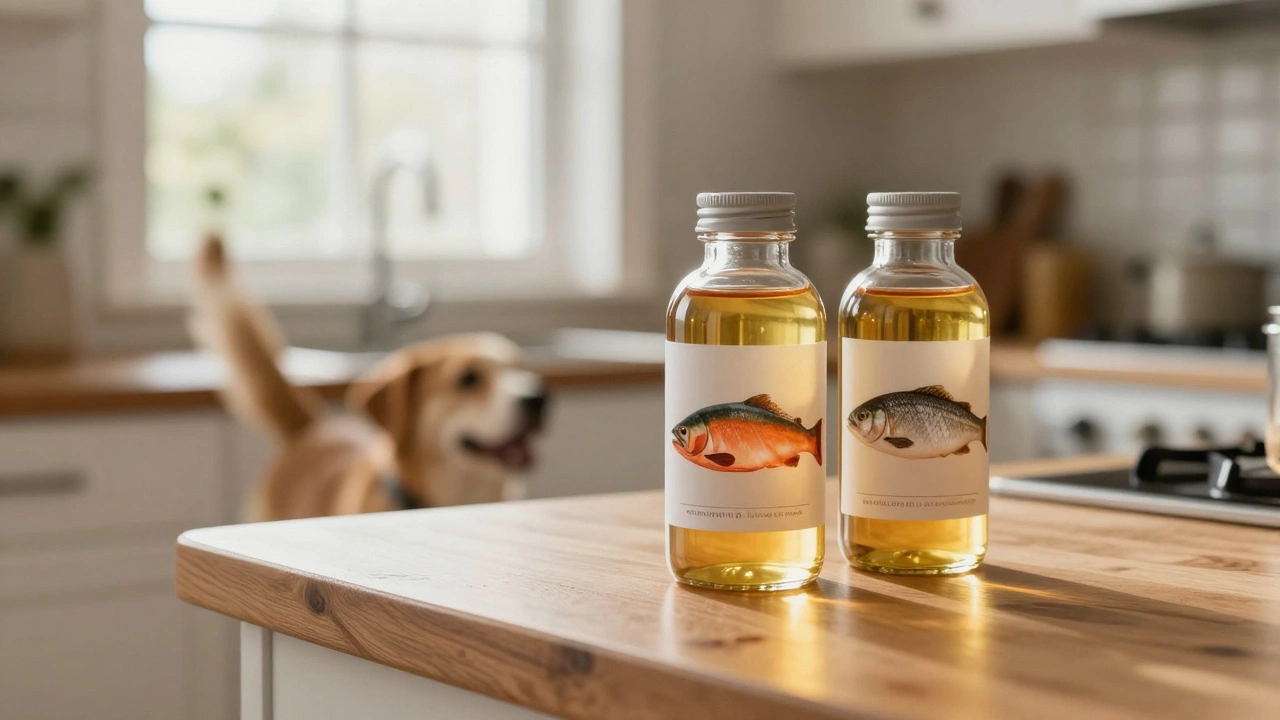
You've probably seen those shiny bottles of fish oil at the pet store and wondered if your pup actually needs them. Most owners are just looking for a way to stop that "doggy smell" or help an old dog get back up from their nap. But when you look closer, you'll see two main contenders: cod liver oil and salmon oil. While they both come from the ocean, they aren't the same thing. One is essentially a concentrated vitamin powerhouse, while the other is a targeted fatty acid boost.
Choosing the wrong one isn't necessarily dangerous, but it can be a waste of money if you're treating a specific problem. For instance, giving a dog cod liver oil when they actually need a high dose of omega-3s for skin allergies is like using a hammer when you need a screwdriver. It's a tool, but maybe not the right one for this specific job.
Quick Guide: Which one to pick?
- Go for Salmon Oil if you want to fix dry skin, itchy paws, or joint inflammation.
- Go for Cod Liver Oil if your dog is deficient in Vitamin A or D (though this is rare with modern dog food).
Breaking Down Salmon Oil
When we talk about Salmon Oil is a concentrated source of long-chain omega-3 fatty acids derived from the flesh of salmon. , we are primarily talking about EPA (eicosapentaenoic acid) and DHA (docosahexaenoic acid). These aren't just fancy letters; they are the heavy lifters for your dog's health.
EPA acts as a natural anti-inflammatory. Imagine it as a fire extinguisher for the joints. If your Golden Retriever is starting to limp after a game of fetch, the EPA in salmon oil helps dampen the inflammation in the joint lining. DHA, on the other hand, is a building block for the brain and retina. This is why you'll often see it recommended for growing puppies to help their cognitive development.
The biggest win with salmon oil is the skin barrier. Dogs with "winter itch" or chronic allergies often have "leaky" skin that lets moisture out and irritants in. The omega-3s in salmon oil help seal those gaps, giving them a glossy coat that doesn't shed as much on your sofa.
The Power of Cod Liver Oil
Now, Cod Liver Oil is an oil extracted from the liver of cod fish, rich in both omega-3s and fat-soluble vitamins. is a different beast entirely. While it does contain some omega-3s, its real claim to fame is the high concentration of Vitamin A and Vitamin D.
Vitamin A is essential for vision and immune function. Vitamin D helps the body absorb calcium, which keeps bones strong. In the wild, these were crucial. However, most commercial dog foods are already fortified with these vitamins. If you add too much cod liver oil on top of a high-quality kibble, you risk hypervitaminosis A. This is a fancy way of saying "too much of a good thing," and it can actually lead to joint stiffness and bone deformities in some dogs.
Because it comes from the liver, cod liver oil is also more likely to concentrate toxins from the ocean, like heavy metals, compared to oil taken from the muscle meat of a fish. This is why purity and sourcing are non-negotiable when buying this specific supplement.
| Feature | Salmon Oil | Cod Liver Oil |
|---|---|---|
| Primary Benefit | Anti-inflammatory / Skin & Coat | Vitamin Boost / Immune Support |
| Key Nutrients | High EPA & DHA | Vitamin A & Vitamin D |
| Risk of Overdose | Low (mostly calories) | Moderate (Vitamin A toxicity) |
| Best For | Arthritis, Allergies, Puppies | Vitamin Deficiencies |
| Sourcing | Fish Muscle/Body | Fish Liver |

Which One Wins for Joint Health?
If you're dealing with a dog that has Osteoarthritis or general age-related stiffness, salmon oil is the clear winner. Why? Because joint pain is usually caused by inflammation. The EPA in salmon oil specifically targets the inflammatory pathways in the body.
I've seen plenty of owners try cod liver oil for joints, but the results are usually slower. While the omega-3s in cod liver oil help, the dose is often lower than what you find in a concentrated salmon oil supplement. If your dog is struggling to get up the stairs, you want the high-potency EPA and DHA found in salmon oil to lubricate those joints and reduce the swelling.
Skin, Coat, and the "Itch" Factor
We've all seen it: the constant scratching, the red paws, and the dull, dry fur. This is often a sign that the skin's lipid barrier is failing. Omega-3 Fatty Acids act like a sealant for the skin. Salmon oil is generally more effective here because it provides a higher concentration of these fats without the risk of adding too many fat-soluble vitamins.
A common mistake is thinking that any fish oil will work. But if you use cod liver oil for a skin condition, you might find that you can't give a high enough dose of omega-3s to see a difference without accidentally overdosing your dog on Vitamin A. With salmon oil, you have more room to scale the dose (under your vet's guidance) to actually see that "glow" return to their coat.
Safety Pitfalls and How to Avoid Them
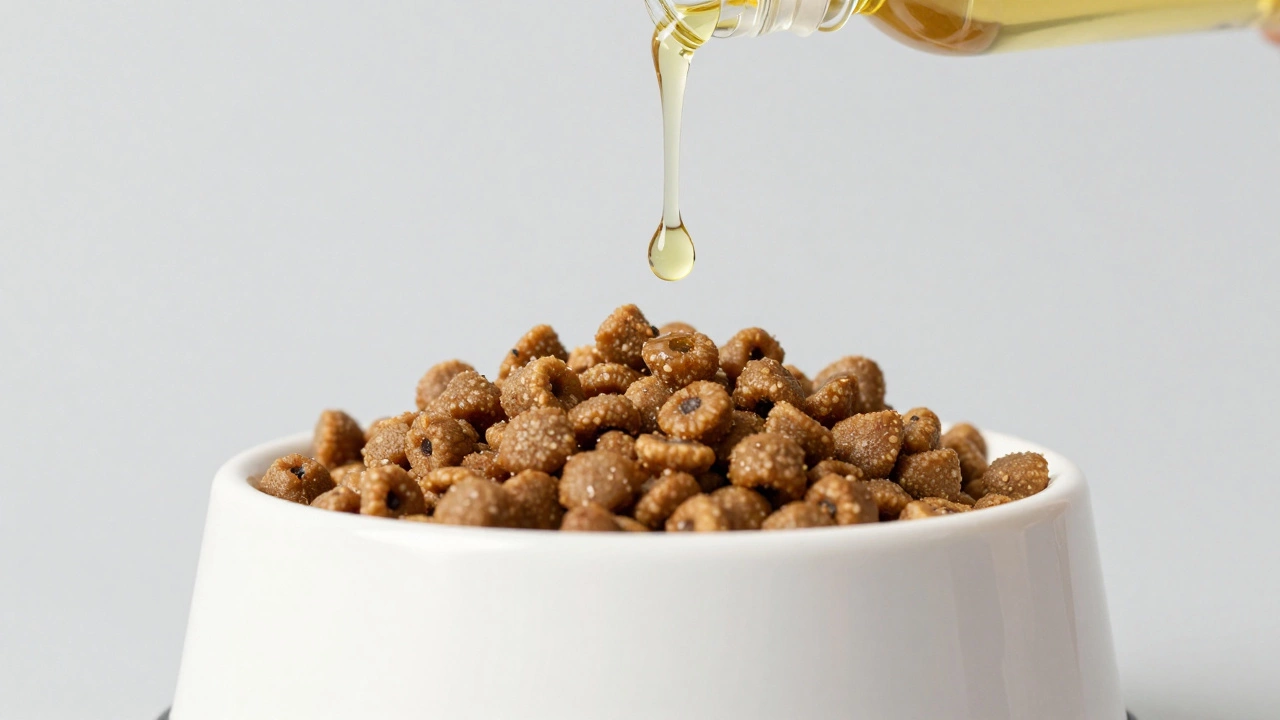
Before you start squeezing oil onto your dog's dinner, there are a few things you need to know. First, fish oils are basically fats. If your dog is prone to weight gain, those extra calories add up fast. A tablespoon of oil might not seem like much, but over a month, it's a significant amount of extra energy that can lead to obesity.
Second, there's the risk of Pancreatitis. Some dogs, especially breeds like Schnauzers or overweight dogs, can have a sensitive pancreas. A sudden surge of high-fat supplements can trigger an inflammatory response in the pancreas, which is a medical emergency. Always introduce fish oils slowly-start with a tiny amount and gradually increase it over two weeks.
Lastly, watch out for oxidation. Fish oil goes rancid quickly when exposed to air and light. If your oil smells like "rotten fish" rather than just "fishy," throw it away. Rancid oil creates free radicals, which actually do the opposite of what you want-they cause inflammation instead of stopping it.
Practical Tips for Feeding Fish Oil
To get the most out of your supplement, follow these a few simple rules of thumb:
- Storage: Keep your oil in the fridge. This slows down the oxidation process and keeps the oil fresh.
- Dosage: Follow the weight-based chart on the bottle, but always check with your vet first, especially if your dog is on blood thinners (omega-3s can have a mild thinning effect).
- Quality: Look for "molecularly distilled" oils. This process removes heavy metals like mercury, which is especially important for cod liver oil.
- The Taste Test: Some dogs hate the smell. If your pup rejects the oil, try mixing it into a bit of plain Greek yogurt or a piece of wet food to mask the scent.
Can I give my dog both salmon and cod liver oil?
It is generally not recommended. Since both provide omega-3s, you'd be doubling up on fats, which increases the risk of pancreatitis and weight gain. More importantly, adding cod liver oil to a diet already supplemented with salmon oil increases the risk of Vitamin A toxicity. Stick to one based on your dog's specific needs.
How long does it take to see results in the coat?
Don't expect a miracle overnight. Fish oils work from the inside out. Most owners notice a difference in skin flake reduction after about 3 to 4 weeks, while a visible change in the shine and softness of the coat usually takes 6 to 8 weeks of consistent daily use.
Are there any side effects I should look for?
The most common side effect is loose stools or diarrhea, which usually happens if you start the dose too high. If you notice this, cut the dose in half for a week and then slowly ramp back up. If your dog develops vomiting or severe lethargy, stop immediately, as this could signal a pancreatic issue.
Is human fish oil safe for dogs?
Generally, yes, as long as it is pure fish oil. However, you must be extremely careful with "Omega-3 complexes" sold for humans. Some contain Xylitol (an artificial sweetener) or flavorings like garlic or onion powder, which are toxic to dogs. Always read the full ingredient list.
Does the type of fish matter for puppies?
For puppies, Salmon Oil is usually preferred because of the high DHA content, which is critical for brain and eye development. While cod liver oil is fine, the risk of Vitamin A overdose is higher in growing puppies, who are more sensitive to fat-soluble vitamin imbalances.
Next Steps for Pet Owners
If you're still unsure which one to pick, start by looking at your dog's current food. Check the label for Vitamin A and D. If those numbers are already high, put the cod liver oil back on the shelf and go for the salmon oil.
For those with senior dogs, I'd suggest a quick vet visit to check their kidney and liver function before starting any high-fat supplement. Once you've got the green light, start with a low dose and keep a diary of your dog's coat and movement for a month. You'll likely find that the targeted anti-inflammatory power of salmon oil provides the most noticeable relief for the average pet.