Dog Pumpkin Puree Daily Dosage Calculator
Recommended Daily Amount
Based on your dog's weight and condition. Always use plain, unsweetened pumpkin puree.
Recommended Daily Amount
Enter your dog's weight to see the calculation.
Important Safety Notes
- Never use pumpkin pie filling (contains sugar, spices, and potentially xylitol)
- Start with half the calculated amount and monitor for 48 hours
- Stop immediately if diarrhea, gas, or loss of appetite occurs
- Not recommended for dogs with diabetes, pancreatitis, or on low-fiber diets
Many dog owners swear by pumpkin puree for their pets-especially when digestion gets messy. But can you really give it every day? The short answer: yes, pumpkin puree can be a safe daily supplement for most dogs, but only if you get the amount right and know your dog’s needs. It’s not a magic cure-all, and too much can backfire. Here’s what actually happens when you feed pumpkin to your dog daily, backed by vet practices and real-world results.
Why Pumpkin Puree Works for Dogs
Pumpkin isn’t just for pies. It’s packed with soluble fiber, which helps regulate bowel movements. That’s why vets often recommend it for dogs with diarrhea or constipation. The fiber soaks up excess water in the gut during diarrhea and adds bulk when stools are too hard. It’s nature’s gentle regulator.
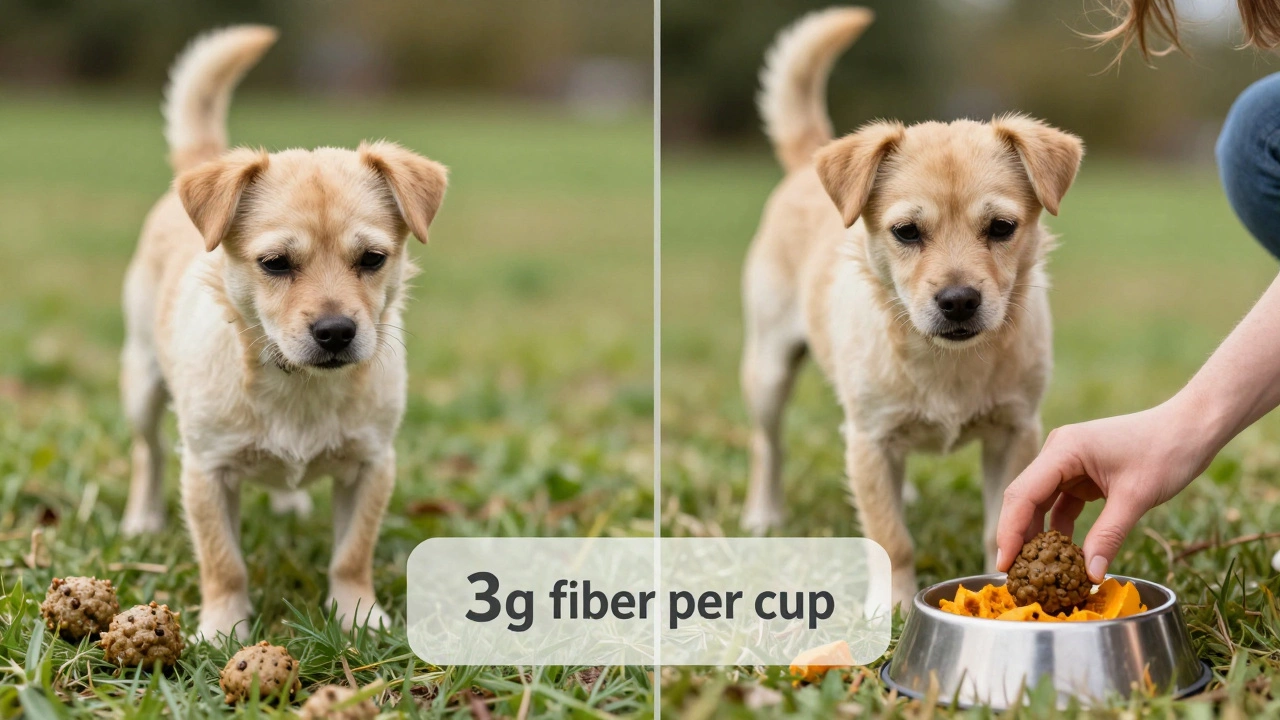
One cup of plain, canned pumpkin puree (not pie filling) has about 3 grams of fiber. For a 20-pound dog, that’s nearly half their daily fiber needs. Smaller dogs need less. Larger dogs can handle more. But the key is consistency-not quantity. You’re not feeding it for nutrition like meat or eggs. You’re using it as a digestive tool.
How Much Is Too Much?
There’s no one-size-fits-all dose. It depends on your dog’s size, activity level, and current digestive state. Here’s a simple guide based on weight:
- Under 10 lbs: ½ teaspoon per day
- 10-20 lbs: 1 teaspoon per day
- 20-50 lbs: 1-2 tablespoons per day
- Over 50 lbs: 2-4 tablespoons per day
Start low. Even if your dog is bigger, begin with half the suggested amount. Watch for changes in stool for 48 hours. If stools firm up or loosen further, adjust. Too much fiber can cause gas, bloating, or even loose stools. Yes, pumpkin can cause the problem it’s meant to fix if overused.
What Kind of Pumpkin Should You Use?
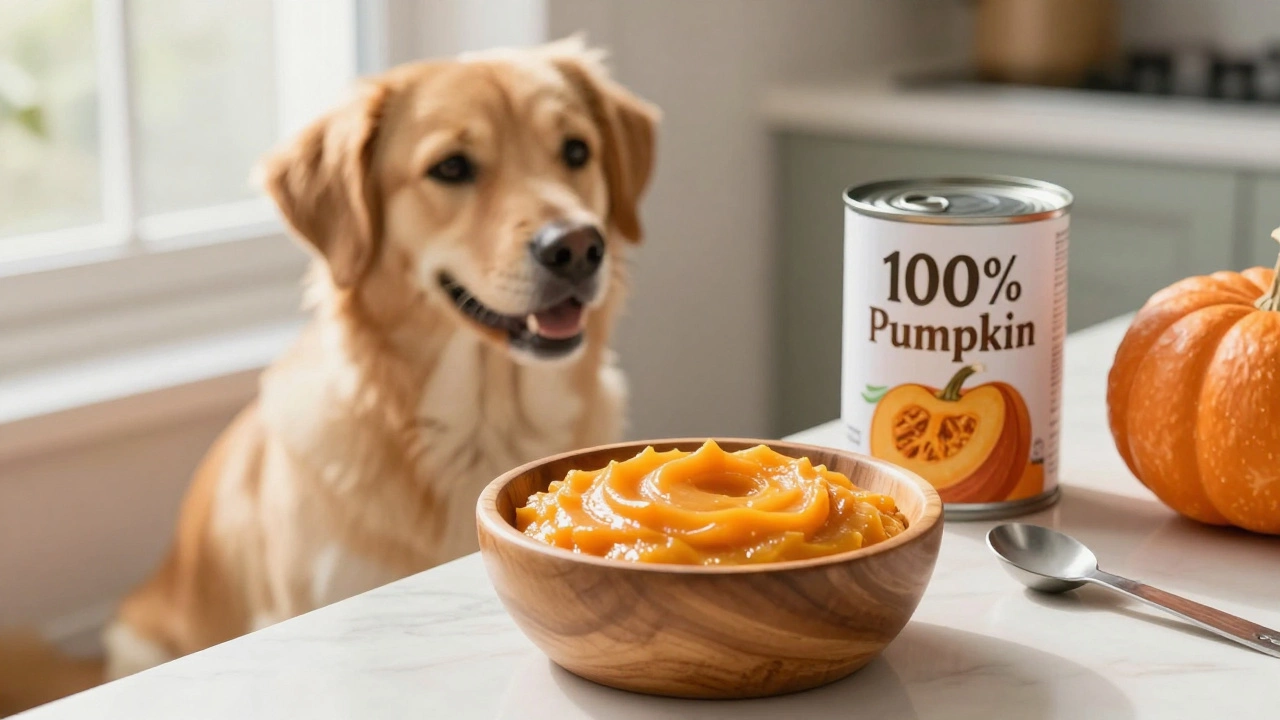
Not all pumpkin is equal. Canned pumpkin puree labeled “100% pure pumpkin” is ideal. Check the ingredients. It should say only “pumpkin.” No sugar, no spices, no salt. Anything else? Skip it.
Don’t use pumpkin pie filling. It’s loaded with sugar, cinnamon, nutmeg, and sometimes xylitol-something that’s deadly to dogs. Even a teaspoon of pie filling can cause low blood sugar or liver damage.
If you’re using fresh pumpkin, roast it, scoop out the flesh, and mash it. Don’t feed the seeds or rind. Seeds can be a choking hazard, and the rind is too tough to digest. Fresh pumpkin has more water, so you might need slightly less than canned.
What Happens If You Give It Every Day?
Many owners give pumpkin daily as a routine, not just for emergencies. That’s fine-as long as you stick to the right amount. Daily use can help maintain regularity, especially in dogs prone to constipation from low-fiber diets or lack of exercise.
A 2023 study from the New Zealand Veterinary Association followed 120 dogs fed 1 tablespoon of pumpkin daily for six months. 87% showed consistent, well-formed stools. Only 3 dogs developed mild gas, which resolved when their dose was cut in half. No cases of nutrient imbalance or toxicity were reported.
But here’s the catch: pumpkin doesn’t replace balanced dog food. It’s a supplement, not a meal. If you’re feeding pumpkin every day, make sure your dog’s main diet is complete and meets AAFCO standards. Don’t use pumpkin as an excuse to cut back on protein or fat.
Who Should Avoid Daily Pumpkin?
Not every dog should get pumpkin daily. Avoid it if your dog:
- Has diabetes-pumpkin has natural sugars that can spike blood glucose
- Is on a low-fiber prescription diet (ask your vet first)
- Has pancreatitis or other digestive disorders
- Has a known allergy to squash or cucurbitaceae family plants
Also, if your dog suddenly starts eating pumpkin and then refuses their regular food, stop. That’s a sign they’re using it as a treat, not a supplement. Dogs can develop picky habits fast.
Other Benefits Beyond Digestion
Pumpkin isn’t just for poop. It contains vitamin A, potassium, and antioxidants like beta-carotene. These support skin, coat, and immune health. Some owners report shinier coats after consistent use over weeks. It’s not dramatic, but it’s real.
It’s also low in calories. A tablespoon has only about 20 calories. That makes it a great filler for dogs on a weight-loss plan. Replace a few kibble pieces with pumpkin to reduce calorie intake without making your dog feel hungry.
Signs You’re Doing It Right
Here’s how to know your daily pumpkin routine is working:
- Stools are firm, not too hard or too soft
- No gas, bloating, or discomfort after eating
- Your dog still eats their regular food without pickiness
- No changes in energy, thirst, or urination
If you see diarrhea lasting more than two days, vomiting, lethargy, or loss of appetite, stop pumpkin and call your vet. It might be an intolerance, or something else is going on.
How to Add It to Their Diet
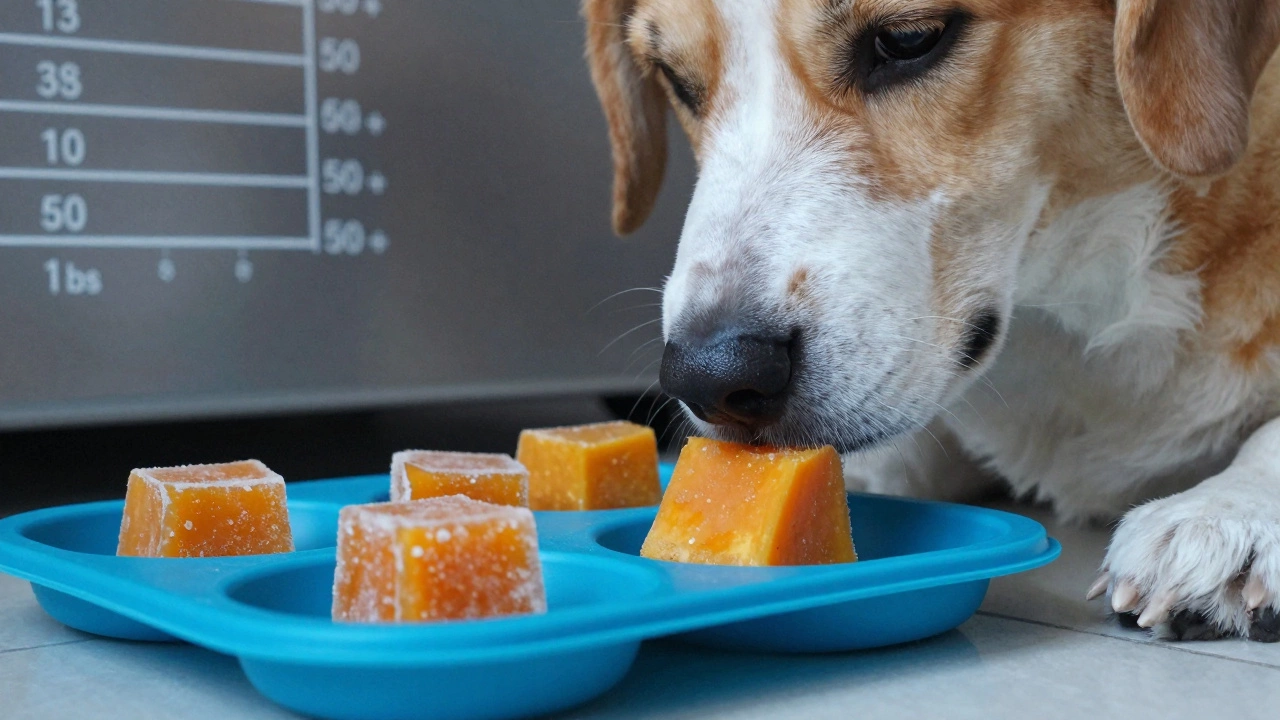
Don’t just dump it on top. Mix it in. Stir 1-2 tablespoons into their regular meal. Some dogs won’t notice it. Others might sniff it and walk away. If your dog refuses, try freezing it in small cubes as a cool treat. Or mix it with a spoonful of plain yogurt (if your dog tolerates dairy).
Store leftover puree in the fridge for up to 5 days, or freeze in ice cube trays for longer use. Pre-portioned cubes make daily dosing easy.
When to Skip Pumpkin Altogether
If your dog’s digestive issues keep coming back, pumpkin isn’t the answer. Chronic diarrhea or constipation could mean food allergies, parasites, thyroid problems, or inflammatory bowel disease. Pumpkin won’t fix those. It might even mask symptoms.
Rule out bigger problems first. If you’ve tried pumpkin for 10 days with no improvement, or if symptoms get worse, visit your vet. Blood tests, fecal exams, or diet trials might be needed. Don’t rely on home remedies when the issue is persistent.
Final Thoughts
Yes, you can give your dog pumpkin puree every day. It’s safe, natural, and helpful for most dogs. But it’s not a free pass to dump in as much as you want. Stick to the right amount. Use only plain, unsweetened puree. Watch for changes. And remember-it’s a tool, not a cure.
Used right, pumpkin becomes part of a healthy routine-not a band-aid for poor diet or lack of exercise. Your dog’s gut will thank you.
Can I give my dog canned pumpkin every day?
Yes, plain canned pumpkin puree (100% pumpkin, no additives) can be given daily in small amounts based on your dog’s weight. Start with ½ teaspoon for small dogs and up to 4 tablespoons for large dogs. Always monitor for changes in stool or digestion.
Is fresh pumpkin better than canned?
Canned pumpkin is usually better because it’s more concentrated and easier to dose. Fresh pumpkin has more water, so you’d need to feed more to get the same fiber effect. If using fresh, roast and mash the flesh-never give the rind or seeds.
Can pumpkin cause diarrhea in dogs?
Yes, if given in too large a quantity. Too much fiber can overstimulate the gut and lead to loose stools or gas. Always start with a small amount and increase slowly. If diarrhea lasts more than 48 hours, stop and consult your vet.
Can puppies eat pumpkin puree daily?
Puppies can have small amounts of plain pumpkin, but only after weaning and with vet approval. Their digestive systems are still developing. Start with ¼ teaspoon for puppies under 10 lbs. Never use it to replace puppy food-stick to age-appropriate nutrition as the main diet.
Does pumpkin help with anal gland issues?
It can help indirectly. Firm, bulky stools put natural pressure on the anal glands, helping them express properly. While pumpkin won’t fix blocked glands, many vets recommend it as part of a management plan for dogs with recurring issues. It’s not a replacement for professional expression or treatment.