Dog Benadryl Dosage Calculator
Benadryl (diphenhydramine) is commonly used for allergies in dogs. The standard dosage is 1 mg per pound of body weight. However, it's important to know that this is not a sedative and may not help with travel anxiety. Always consult your veterinarian before giving any medication to your dog.
Calculated Benadryl Dosage
This equals 25mg tablet(s)
Important Safety Information
Benadryl may not be safe for your dog if:
- Your dog has heart disease, glaucoma, or thyroid issues
- Your dog has prostate problems or seizures
- Your dog is pregnant or nursing
- Your dog is taking other medications like SSRIs or sedatives
Do not give Benadryl if your dog has any of these conditions.
Side effects can include excessive drowsiness, dry mouth, vomiting, diarrhea, or hyperactivity. In rare cases, it can cause seizures or heart rhythm problems.
Important Notes
• Benadryl is not a reliable sedative for flights. Many dogs become agitated instead of calm.
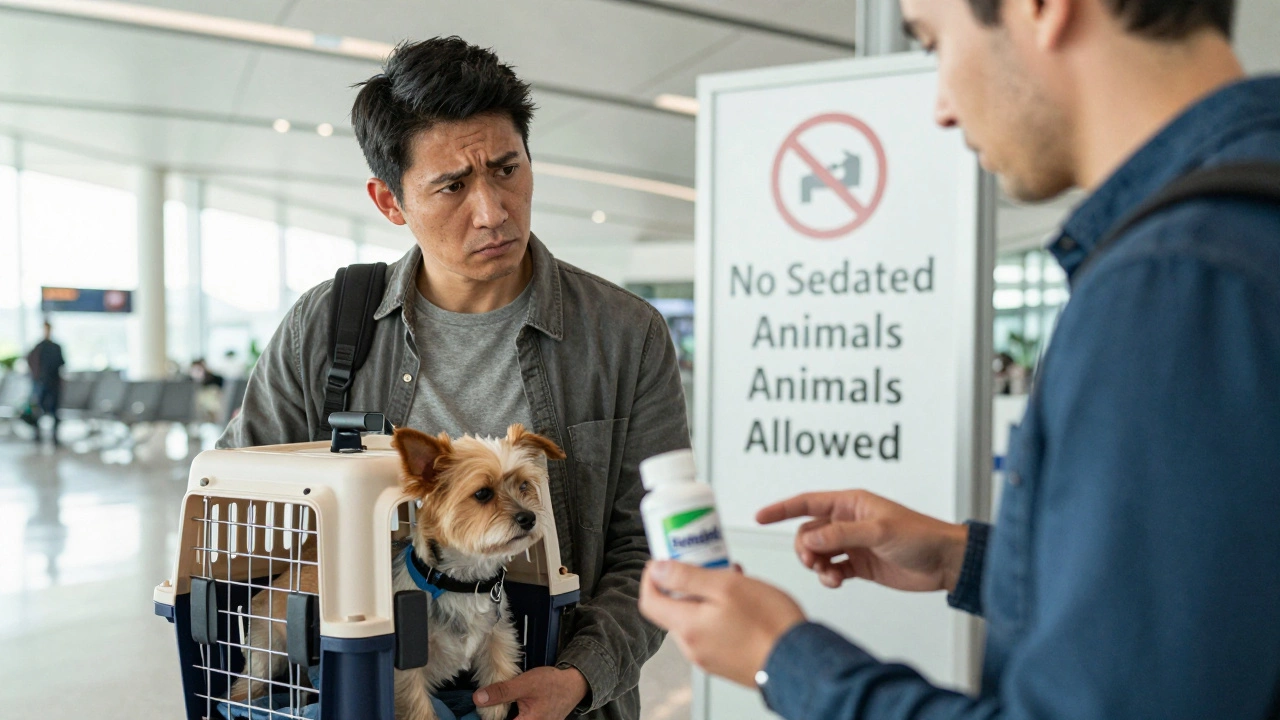
• Most airlines do not allow sedated dogs on flights. Delta, United, and Qantas prohibit dogs that have been given sedatives.
• For travel anxiety, consider safer alternatives like calming wraps, pheromone sprays, or prescription medications prescribed by your vet.
• Always consult your veterinarian before giving your dog any medication.
If you’re planning to fly with your dog, you’ve probably wondered: Can I give my dog Benadryl before flying? It’s a common question. Many pet owners reach for Benadryl because it’s cheap, easy to find, and seems like a quick fix for travel stress. But giving your dog Benadryl before a flight isn’t as simple as popping a pill. Some dogs react fine. Others get sicker. And in some cases, it makes things worse.
What Is Benadryl, Really?
Benadryl is the brand name for diphenhydramine, an antihistamine. It’s used in humans for allergies, colds, and sleep. In dogs, vets sometimes prescribe it for allergic reactions-like bug bites or environmental irritants-and occasionally for mild anxiety. But it’s not a sedative. It doesn’t knock dogs out like a tranquilizer. What it does is block histamine, which reduces itching and swelling. The drowsiness some dogs show? That’s a side effect, not the goal.
Many people think Benadryl will calm their dog down during a flight. But if your dog is anxious because they’re scared of loud noises, confined spaces, or separation, Benadryl might not help much. In fact, some dogs become more agitated or disoriented instead of relaxed.
How Much Benadryl Can You Give a Dog?
The standard dose for dogs is 1 mg per pound of body weight, given every 8 to 12 hours. So a 25-pound dog would get 25 mg. A 50-pound dog would get 50 mg. Most human Benadryl tablets are 25 mg, so that’s easy to measure. Liquid forms exist too, but you must check the concentration-some children’s formulas have added alcohol or xylitol, which are deadly for dogs.
But here’s the catch: this dose is based on treating allergies, not anxiety. There’s no proven dose for flight anxiety because it’s not a medically approved use. And dogs metabolize drugs differently than humans. A dose that works for one dog might make another sick.
When Benadryl Can Hurt Your Dog
Benadryl isn’t safe for every dog. Avoid it if your dog has:
- Heart disease or high blood pressure
- Glaucoma
- Prostate issues
- Thyroid problems
- Seizure disorders
- Are pregnant or nursing
- Are on other medications like SSRIs, trazodone, or sedatives
Side effects can include excessive drowsiness, dry mouth, vomiting, diarrhea, or even hyperactivity. In rare cases, dogs have had seizures or heart rhythm problems after taking it. One owner in Wellington reported her 12-year-old Beagle became disoriented and wobbled for hours after a 25 mg dose before a flight. She ended up in an emergency clinic.
Why Flying Makes Dogs Stressed (And Why Benadryl Won’t Fix It)
Most dogs don’t panic because of the flight itself. They panic because of the whole experience: the carrier, the car ride to the airport, the noise, the unfamiliar smells, being separated from you, the changes in air pressure. Benadryl doesn’t address any of that. It doesn’t make the carrier feel safer. It doesn’t reduce the fear of loud engines. It doesn’t help them feel less alone.
Think of it like giving a child a sleeping pill before a school trip. They might fall asleep, but they’re still scared. And when they wake up, they’re confused and alone in a strange place.
Real anxiety relief comes from preparation-not chemicals. Dogs that are used to their carrier at home, exposed to gentle noise simulations, and trained to relax in confined spaces handle flights better. A dog that’s practiced sitting calmly in their crate for an hour while you’re out of the room? That dog is more likely to stay calm on the plane.
What Veterinarians Actually Recommend
Most vets won’t recommend Benadryl as a first-line solution for flight anxiety. Instead, they suggest:
- Behavioral training: Get your dog used to the carrier weeks before the trip. Leave it out with treats inside. Play calming music while they’re in it.
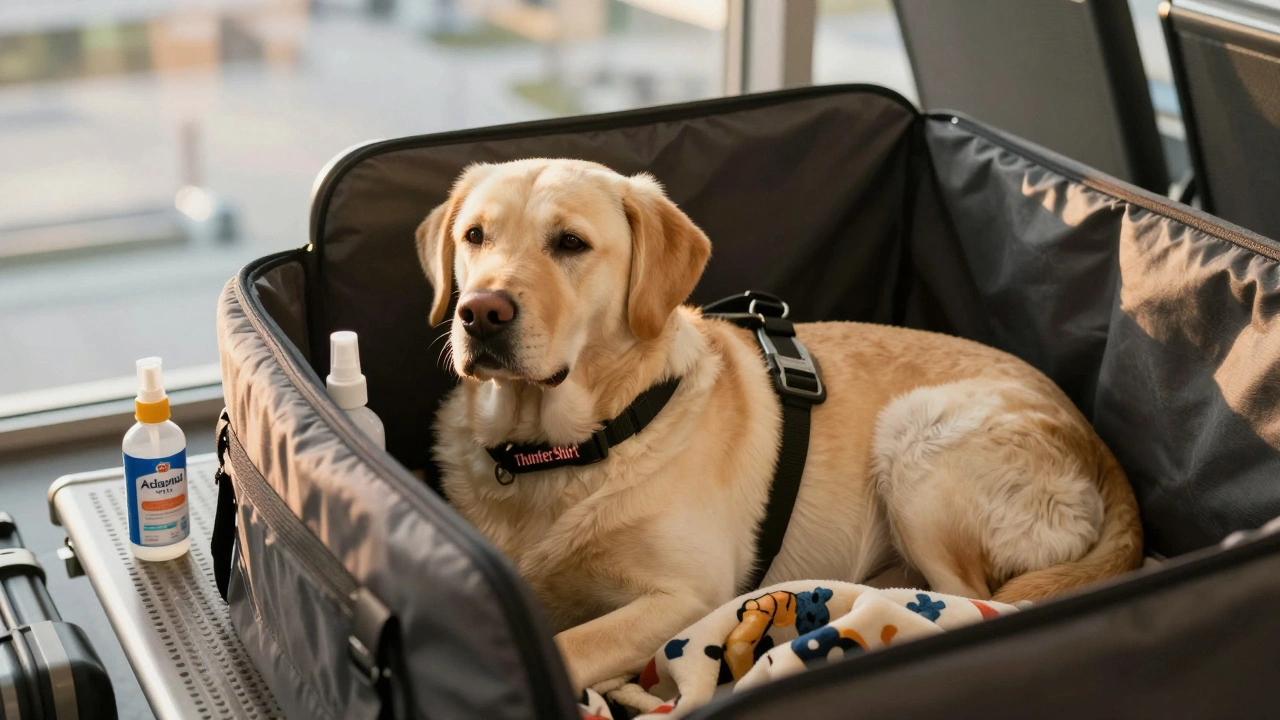
- Calming aids: Try pheromone sprays like Adaptil, or calming wraps like ThunderShirt. These work by mimicking natural signals that reduce stress.
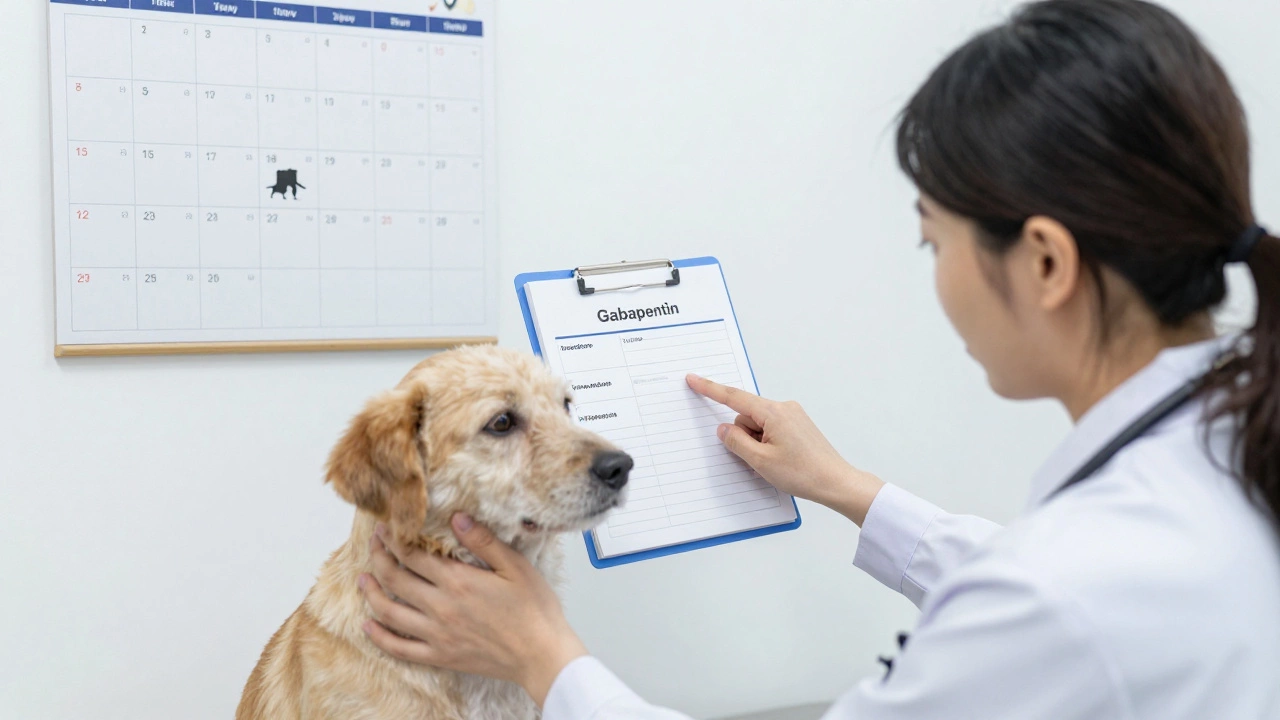
- Prescription meds: If your dog has severe anxiety, vets can prescribe safer, targeted medications like trazodone or gabapentin. These are proven to reduce fear without the unpredictable side effects of Benadryl.
- Flight prep: Don’t feed your dog 4-6 hours before flying. Offer water. Take them for a long walk before you leave. A tired dog is a calmer dog.
A 2024 study from the University of Sydney tracked 127 dogs on domestic flights. Dogs given trazodone showed 78% less stress behavior compared to those given Benadryl. The Benadryl group had higher heart rates and more panting. The trazodone group was calmer and recovered faster after landing.
What Airlines Actually Require
Most airlines don’t allow sedated dogs. Why? Because sedatives can interfere with breathing at high altitudes. The FAA and IATA both warn against using sedatives for pets in cargo. Even in the cabin, airlines can refuse to board a dog that appears overly sedated or unresponsive.
Delta, United, and Qantas all state in their pet policies that they do not accept animals that have been given sedatives or tranquilizers. If your dog is too drowsy to stand or respond to you, they may be denied boarding.
What to Do Instead
Here’s a simple, proven plan:
- Start training 4-6 weeks before your flight. Let your dog sleep in their carrier at night.
- Take short car rides with the carrier. Reward calm behavior with treats.
- Use a calming spray or wrap on the day of travel.
- Feed a light meal 6 hours before departure. Don’t give water right before boarding.
- Bring a familiar blanket or toy with your scent.
- Call the airline ahead of time. Confirm their pet policies and ask if they have a pet relief area.
- If anxiety is severe, talk to your vet about prescription options. Don’t guess with over-the-counter drugs.
One Auckland dog owner, Sarah, flew with her 8-year-old Labrador last month. She didn’t use Benadryl. Instead, she trained him for three weeks, used an Adaptil spray, and gave him a light walk before the flight. He slept through most of the trip. No vomiting. No whining. No vet visits.
When to Call the Vet
If your dog has ever had a bad reaction to medication, or if they’re older or have health issues, talk to your vet before flying. Don’t rely on internet advice or what worked for someone else’s dog. Your dog’s body is unique. What’s safe for one might be dangerous for another.
Also, if you’re flying internationally, some countries require health certificates and proof of vaccinations. Some ban certain breeds or require quarantine. Check the destination country’s rules. New Zealand, for example, has strict biosecurity laws. Even a small dog coming from Australia needs paperwork.
Final Answer: Can You Give Your Dog Benadryl Before Flying?
You can give Benadryl to your dog before flying-but you shouldn’t, unless your vet says it’s safe for your dog’s specific health needs. It’s not reliable for anxiety. It’s not approved for travel. And it could put your dog at risk.
The real solution isn’t a pill. It’s preparation. Training. Patience. And a vet who knows your dog.
Is Benadryl safe for all dogs?
No. Benadryl isn’t safe for dogs with heart disease, glaucoma, thyroid issues, or those on other medications. Some dogs react badly with vomiting, hyperactivity, or seizures. Always check with your vet before giving any medication.
Will Benadryl make my dog sleep during the flight?
Maybe, but not reliably. Benadryl causes drowsiness in some dogs, but others become restless or agitated. It’s not a guaranteed sedative. Even if your dog does sleep, they may wake up confused or disoriented mid-flight.
Can airlines refuse to fly my dog if I give them Benadryl?
Yes. Most major airlines, including Delta, United, and Qantas, prohibit dogs that have been given sedatives. If your dog appears overly drowsy or unresponsive, they can deny boarding for safety reasons.
What’s a better alternative to Benadryl for flight anxiety?
Calming wraps like ThunderShirt, pheromone sprays like Adaptil, and prescription medications like trazodone or gabapentin are safer and more effective. Behavioral training is the most important long-term solution.
How long before the flight should I give Benadryl if my vet approves it?
If your vet says it’s okay, give it 1-2 hours before departure. This gives time for it to take effect and lets you watch for side effects before you’re at the airport. Never give it right before boarding.
Do I need a health certificate to fly with my dog?
Yes, for most flights-especially international ones. Your vet must examine your dog and issue a health certificate within 10 days of travel. Some countries, like New Zealand, require additional paperwork and quarantine periods.