Dog Mall-Readiness Checker
Is your pup ready for a shopping spree? Answer these questions to see if your dog is prepared for a mall visit.
Result Title
Result description goes here.
The Short Answer to the Big Question
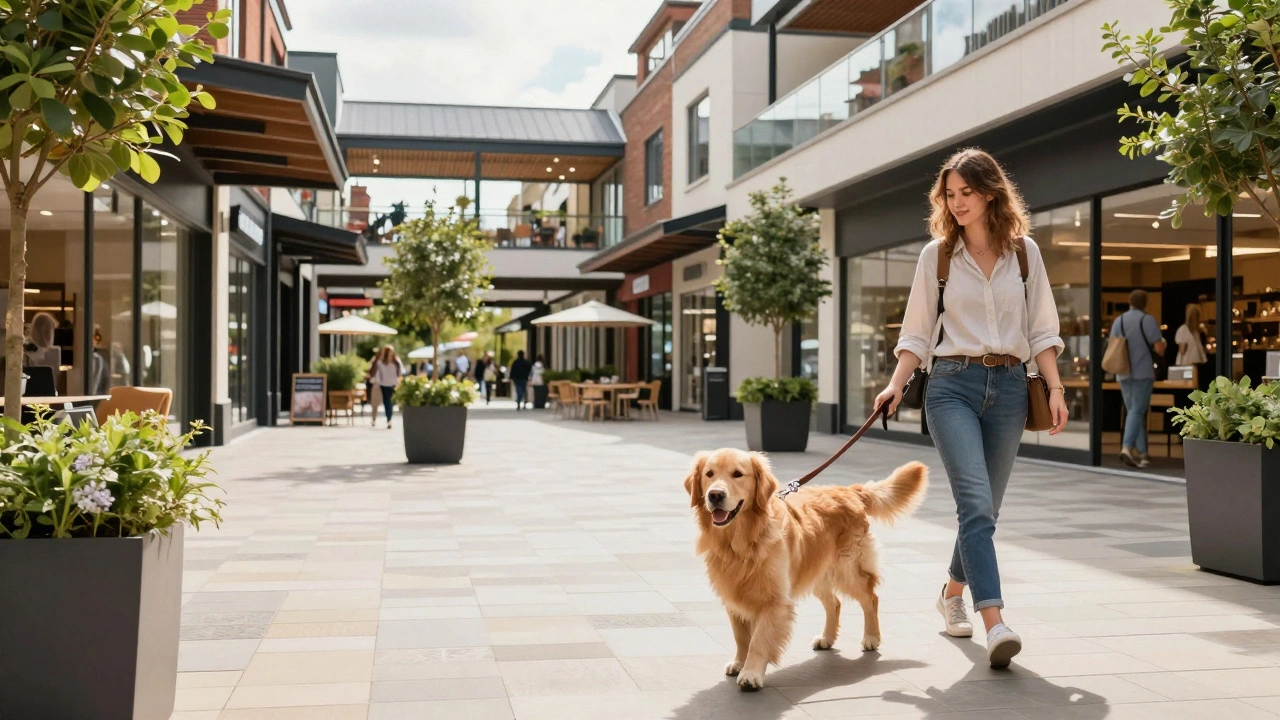
You've probably wondered if you can bring your furry friend along for a shopping trip. The truth is: it depends entirely on the property owner. While most traditional malls in the US and UK have strictly forbidden pets for decades, the tide is turning. We are seeing a massive shift toward outdoor "lifestyle centers" and mixed-use developments that welcome dogs with open arms. If you're planning a day out, don't just roll up to the entrance; a quick check of the mall's official website or a phone call can save you from the embarrassment of being asked to leave after you've already parked.
Shopping with dogs is a great way to socialize your pet, but it requires more than just a leash. It's about timing, preparation, and knowing when to turn around if your dog is getting overwhelmed. If your pup thinks every stranger is a new best friend or treats the mall directory like a fire hydrant, you might be in for a stressful afternoon.
Quick Takeaways for Pet Parents
- Check the mall's specific pet policy before leaving home.
- Focus on outdoor "lifestyle centers" over enclosed indoor malls.
- Always carry a portable water bowl and a roll of waste bags.
- Avoid peak hours (like Saturday afternoons) to reduce stress for your dog.
- Keep a close eye on store-specific rules, as some shops may differ from the mall's general policy.
Understanding the Different Types of Malls
Not all shopping centers are built the same. Understanding the layout helps you predict whether your dog will be welcome. Traditional enclosed malls-the ones with huge parking lots and a single interior climate-controlled corridor-are the least likely to be pet-friendly. These facilities often cite health codes or safety concerns regarding allergies and tripping hazards.
On the other hand, Lifestyle Centers are open-air shopping districts designed to mimic a traditional main street. Because these centers have open walkways and natural ventilation, they are significantly more likely to allow dogs. You'll often find that the "common areas" (the sidewalks and plazas) are open to pets, even if some individual stores maintain a "no dogs" rule.
Then you have the "Destination Malls" or high-end boutiques. In cities like New York or London, these smaller, luxury-focused hubs often welcome well-behaved dogs because they cater to a demographic that views pets as family members. If you're visiting a high-end district, your chances of a successful trip are much higher than at a suburban mega-mall.
| Mall Type | Likelihood of Pets | Best Feature | Main Drawback |
|---|---|---|---|
| Enclosed Mega-Mall | Low | Climate Control | Strict "No Pet" Policies |
| Lifestyle Center | High | Fresh Air | Weather Dependent |
| Boutique District | Medium-High | High-end Service | Crowded Sidewalks |
The Legal Side: Service Dogs vs. Pets
It is vital to understand the distinction between a pet and a service animal. In the United States, the Americans with Disabilities Act (or ADA) is a civil rights law that prohibits discrimination against individuals with disabilities. Under the ADA, Service Animals-specifically dogs trained to do work or perform tasks for a person with a disability-must be allowed in all areas of a mall where the public is allowed to go.
This includes food courts, clothing stores, and elevators. If a dog is a legitimate service animal, the mall cannot ask for "papers" or a certification, though they can ask if the dog is required because of a disability and what work the dog has been trained to perform. However, this does NOT apply to "Emotional Support Animals" (ESAs). ESAs provide comfort but are not trained to perform specific tasks, meaning they do not have the same legal access rights as service dogs in retail spaces.
If you try to pass off a pet as a service animal to get into a store, you aren't just risking being kicked out; you're contributing to a culture of skepticism that makes it harder for people with actual disabilities to navigate public spaces. Be honest about your dog's status to keep the environment welcoming for everyone.

Preparing Your Dog for a Shopping Trip
Walking through a mall is a sensory overload. Between the smell of cinnamon rolls, the loud music, the clicking of heels, and the crowd of people, your dog's brain is working overtime. To prevent a meltdown, you need a game plan.
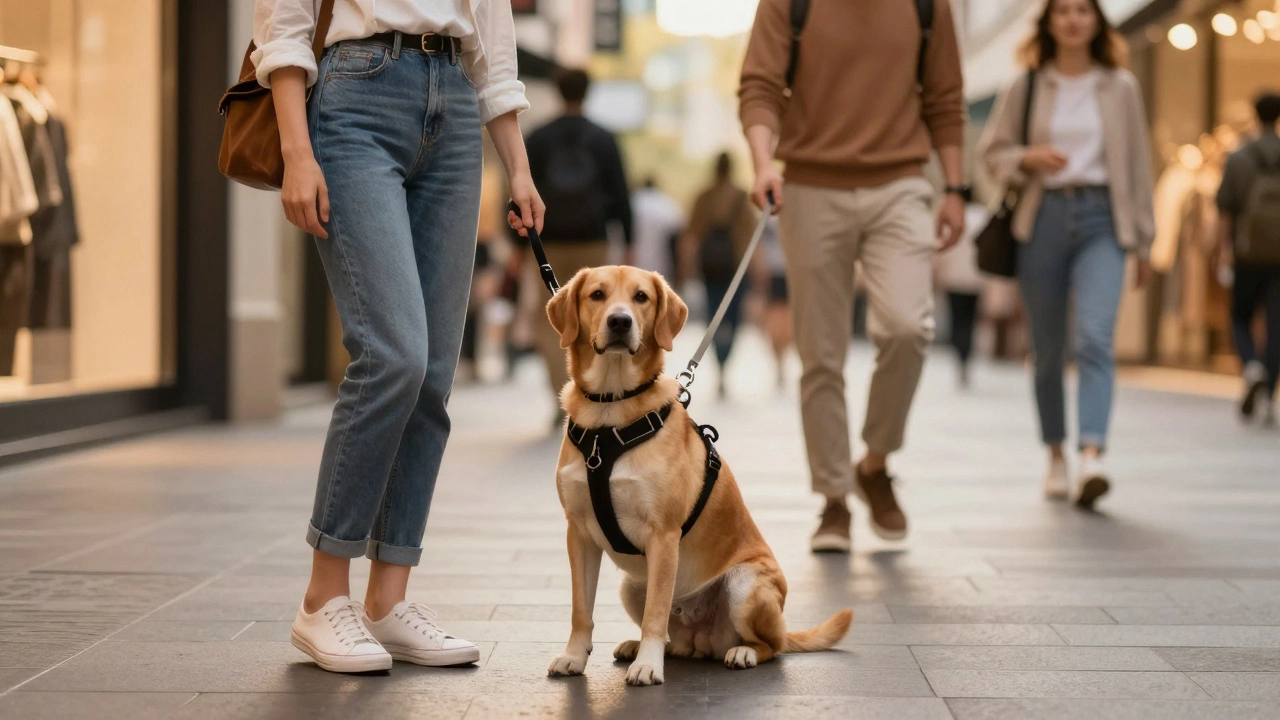
First, focus on the gear. A standard retractable leash is a nightmare in a mall. They are too long, create trip hazards, and give you less control. Instead, use a 4-to-6 foot sturdy nylon or leather leash. A front-clip harness is a pro move here; it prevents your dog from lunging toward a fancy display or another pup, making the walk much smoother for both of you.
Second, consider the timing. If you go on a Saturday at 2 PM, you're walking into a swarm. Your dog will be stressed, and you'll be fighting crowds. Try a weekday morning or early evening. The environment is quieter, the staff are less stressed, and your dog can explore the smells without being pushed by a crowd of shoppers.
- The Pre-Trip Warm-up: Give your dog a long walk in the park before heading to the mall. A tired dog is a calm dog.
- The "Scent-Sation" Check: Carry a small bag of high-value treats (like dried liver or small pieces of cheese) to reward calm behavior.
- The Hydration Station: Most malls don't have water bowls in the middle of the hallway. Bring a collapsible silicone bowl and a bottle of water.
- The Exit Strategy: Have a pre-planned spot where you can take your dog for a quick break or a bathroom trip if they can't make it back to the car.
Common Pitfalls to Avoid
Even in dog-friendly areas, things can go sideways. One of the biggest mistakes is forgetting that "dog-friendly" doesn't always mean "dog-permitted everywhere." You might find that the rest of the mall is fine, but the high-end jewelry store or the pharmacy has a strict no-pet policy for hygiene reasons. Always look for a sign on the door or ask the employee before stepping inside.
Another common issue is "leash creep." This happens when a dog is so relaxed that they start wandering too far ahead or blocking the flow of traffic. Keep your dog in a "heel" position. If your pup decides to stop and sniff a display for five minutes, it's time to move them along. Be mindful of other shoppers who might be allergic to dogs or genuinely afraid of them.
Lastly, watch for "environmental stressors." A sudden loud noise-like a dropped tray in the food court-can trigger a bark. If your dog starts getting agitated, it's a sign that they've reached their limit. Don't push through it. The goal is a positive experience; forcing a stressed dog to stay in a crowd only creates a negative association with shopping trips.
The Social Etiquette of Shopping With Dogs
When you bring a dog into a public retail space, you are essentially an ambassador for all dogs. If your pup is a joy to be around, store managers are more likely to keep their policies pet-friendly. If your dog is chewing on a rug or barking at customers, it reinforces the "no dogs" rule.
Practice the "three-second rule": if your dog is interacting with another dog or person, keep it brief. Long, intense sniffing sessions can block walkways and make other shoppers uncomfortable. A quick greeting and then moving on is the gold standard for mall etiquette.
If you notice someone looking uncomfortable, simply give your dog a little more space. You don't need to apologize for having your dog there, but being aware of the social dynamics ensures that these spaces remain open to pets in the long run.
What should I do if a security guard asks me to remove my dog?
Stay calm and polite. Ask if there is a specific policy they can show you or if there is a designated pet-friendly area of the mall. If your dog is a certified service animal, calmly explain their role. If it's a pet, the best move is to comply immediately and find a nearby outdoor area where your dog is welcome. Arguing usually results in a bad experience for everyone involved.
Can I take my dog into the mall food court?
Generally, no. Most local health departments have strict regulations against animals in areas where food is prepared or served. While some outdoor seating areas at food courts might allow dogs, indoor dining areas are almost always off-limits for pets. Service dogs are the only exception here due to ADA laws.
How do I find out if a specific mall is dog-friendly?
The most reliable way is to check the "Visitor Information" or "Policies" section of the mall's official website. If it's not listed, a quick call to the mall management office is your best bet. You can also check social media tags for the mall to see if other people have posted photos of their dogs inside.
Is it a good idea to bring a puppy to the mall?
It can be a great socialization experience, but only in small doses. Puppies can easily become overwhelmed by the noise and smells. Keep the trip short (under 30 minutes), avoid high-traffic areas, and focus on positive reinforcements. Ensure they are up-to-date on their vaccinations since malls can be breeding grounds for various germs.
What if my dog has an accident inside the mall?
Immediately notify a mall employee or security guard. Be honest and take responsibility. If you have cleaning supplies (like enzyme cleaner or wipes), use them, but usually, the mall staff will want to handle it with their professional equipment to ensure it's sanitized correctly. This honesty helps maintain the mall's willingness to allow pets in the future.
Next Steps for Your Shopping Adventure
Ready to try it out? Start by identifying the nearest open-air shopping center in your area. These are your best bets for a stress-free experience. Before you go, do a "dry run" at a local pet store to see how your dog handles the environment. If they can stay calm among other dogs and strange smells for 20 minutes, they're probably ready for the mall.
If you find that your dog is too anxious for the mall, don't sweat it. Not every dog is built for the hustle and bustle of retail. You can still enjoy shopping by using "curbside pickup" services or visiting smaller, independent boutiques that are often more flexible with their pet policies. The most important thing is that your dog feels safe and happy, whether they are carrying a shopping bag or napping at home.