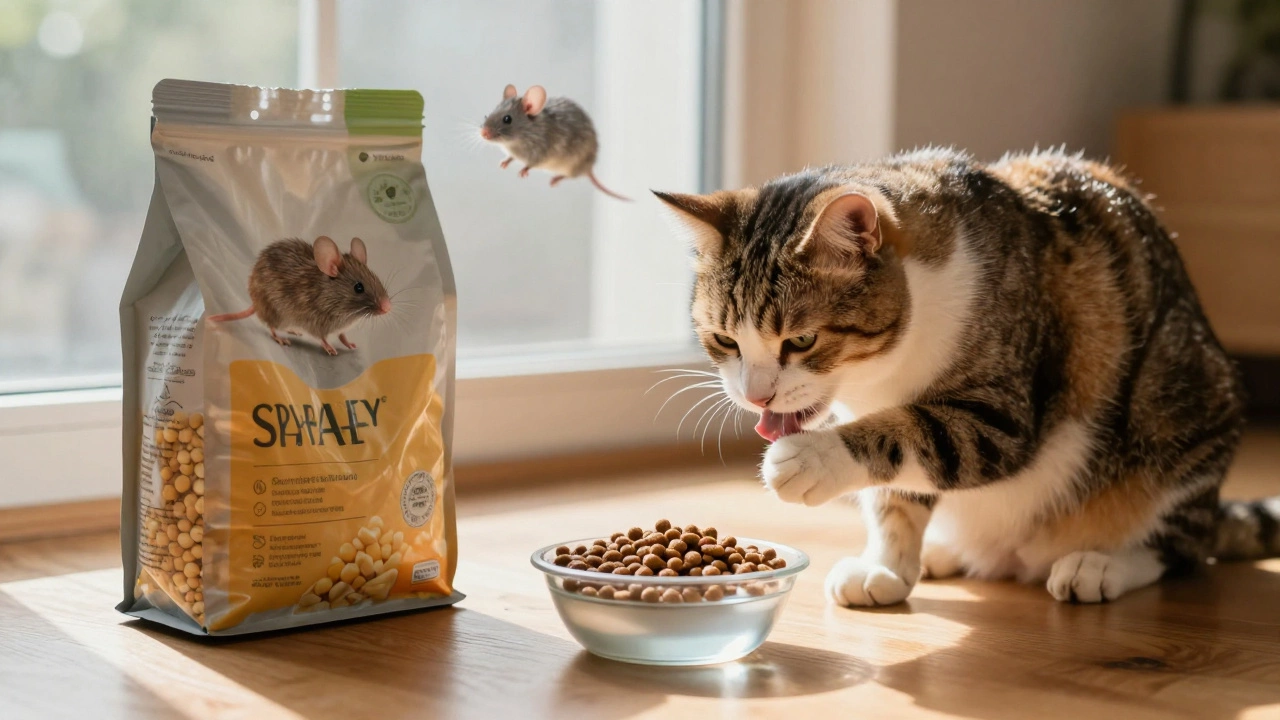
Most cat owners reach for a bag of dry food because it’s convenient, cheap, and lasts for weeks. But if you’ve ever wondered whether your cat can truly thrive on dry food alone, you’re not alone. The answer isn’t simple - it’s not a simple yes or no. It’s about what your cat actually needs to survive versus what it needs to thrive.
What Dry Food Really Contains
Dry cat food is typically 8-10% water. That means 90% or more of the bag is dry matter: protein, fat, carbohydrates, vitamins, and minerals. The rest? Just air and moisture. Most commercial dry foods are made from rendered meats, grains, and fillers like corn, wheat, or soy. Even premium brands often rely on plant-based proteins to cut costs, because animal protein is expensive.
Here’s the thing: cats are obligate carnivores. Their bodies evolved to get energy and nutrients from animal tissue - not grains or vegetables. Their digestive tracts are short. They don’t produce enough of the enzymes needed to break down large amounts of carbs. When you feed them dry food daily, you’re asking their bodies to process a diet that’s biologically mismatched.
Hydration: The Silent Crisis
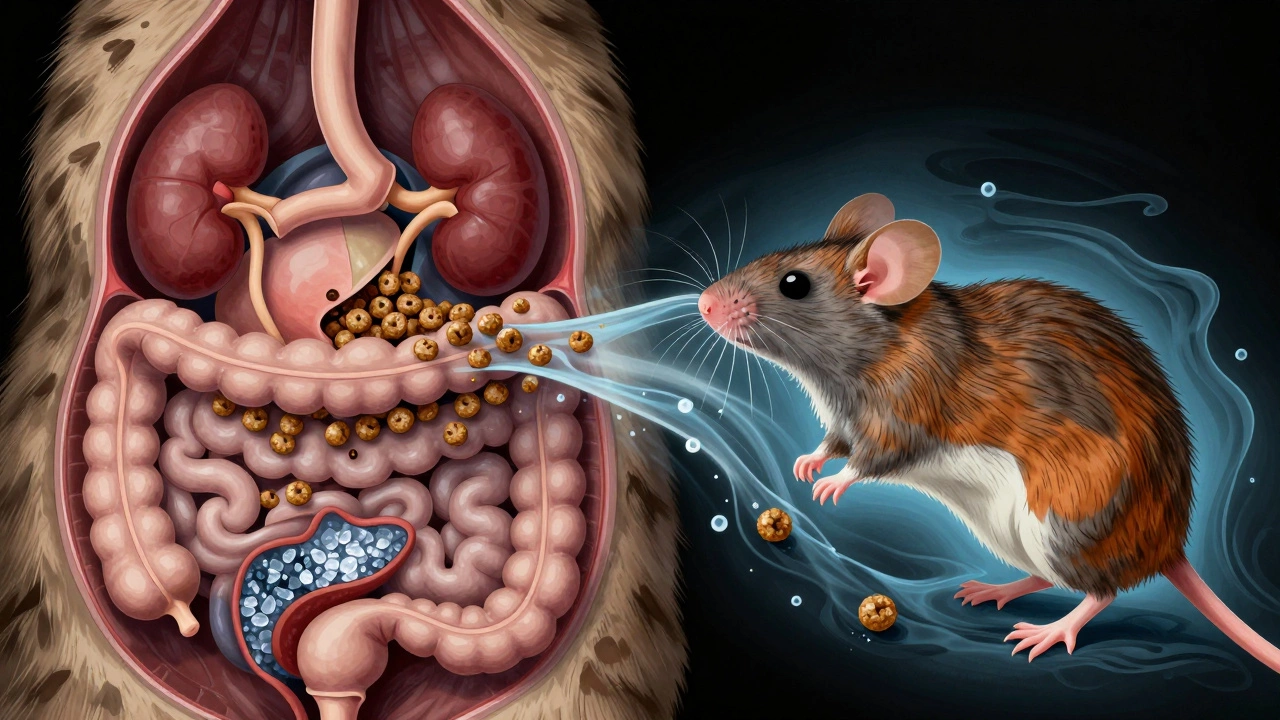
Cats get most of their water from their food. In the wild, they eat mice, birds, and lizards - prey that’s about 70% water. Dry food gives them less than 10%. That’s a massive gap.
Many cats don’t drink enough water on their own. They don’t have a strong thirst drive like dogs or humans. Their ancestors evolved in deserts - they didn’t need to drink much because their prey provided everything. Today, that same biology works against them. When they’re on dry food only, they’re chronically under-hydrated.
This isn’t just theoretical. A 2020 study from the University of Edinburgh tracked over 2,000 cats and found that those fed exclusively dry food had a 2.5 times higher risk of developing lower urinary tract disease than cats eating wet food. Kidney disease, bladder stones, and urinary crystals are all linked to long-term low water intake. These aren’t rare problems - they’re the top reasons cats end up at the vet.
Carbs: The Hidden Problem
Dry food needs starch to hold its shape. That means it’s packed with carbohydrates - sometimes as high as 40% of the calories. Cats don’t need carbs. They can make glucose from protein if needed. But excess carbs? They turn into fat.
Obesity is the number one health issue in domestic cats. And dry food is a major contributor. A 10-pound cat eating a typical dry kibble might consume 250-300 calories a day. That’s fine if they’re active. But most indoor cats are sedentary. They burn 150-200 calories. The rest? Stored as fat.
And it’s not just weight. High-carb diets can trigger insulin spikes. Over time, that increases the risk of diabetes. A 2023 study from the University of California, Davis found that cats fed dry food daily were 3.5 times more likely to develop type 2 diabetes than those eating wet food.
What About Dental Health?
You’ve heard the claim: dry food cleans teeth. It’s a myth. Kibble shatters on impact. It doesn’t scrape plaque like chewing on raw meat or crunchy vegetables would. A 2021 veterinary dental survey showed no significant difference in tartar buildup between cats on dry food and those on wet food - as long as both groups had regular dental checkups.
Some brands add shape or texture to their kibble to make it seem like it’s cleaning teeth. But unless your cat is chewing each piece slowly and thoroughly (most just gulp it), it’s doing almost nothing. Dental disease affects 70% of cats by age three. Blaming dry food for clean teeth is like saying eating toast prevents cavities.
Can Cats Survive on Dry Food Alone?
Yes. They can survive. But survival isn’t the same as thriving.
Some cats eat dry food for years and seem fine. They’re active, their coat is shiny, they don’t vomit. But that doesn’t mean they’re healthy. Many problems - like early kidney damage or chronic dehydration - show no symptoms until they’re advanced. By the time you notice weight loss, lethargy, or bad breath, it’s often too late.
Think of it like a human eating only processed snacks and soda. You might not collapse right away. But over time, your organs pay the price. Cats are no different.
The Better Way: Balance Is Key
You don’t need to go full raw or homemade. But you can make small changes that add up.
- Switch to a high-protein, low-carb dry food. Look for meat as the first ingredient. Avoid corn, wheat, and soy. Aim for less than 10% carbs.
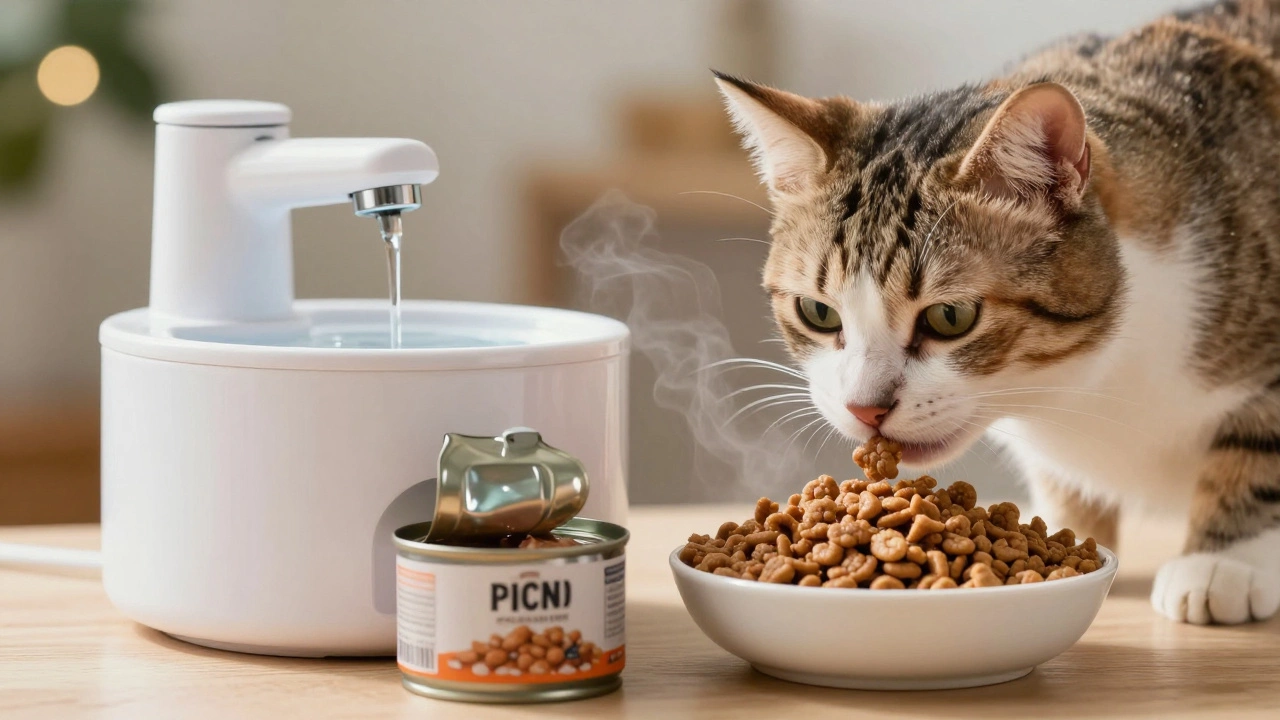
- Add one can of wet food every day. Even just 2-3 ounces makes a huge difference in hydration.
- Use a water fountain. Cats prefer running water. Many will drink 50% more from a fountain than a still bowl.
- Feed smaller meals more often. Cats are natural grazers. Free-feeding dry food leads to overeating.
A 2024 study from the Royal Veterinary College found that cats eating just one can of wet food per day had 40% lower levels of urinary markers linked to kidney stress - even if they still ate dry food the rest of the time.
When Dry Food Might Be Necessary
There are exceptions. Some older cats with dental issues can’t chew wet food. Some cats with severe food allergies may only tolerate a prescription dry diet. In those cases, work with your vet to find the best option.
But even then, hydration is still critical. Add water to the dry food. Soak it. Let it sit for 10 minutes. It turns into a mushy paste - not pretty, but it increases water intake by 30-40%.
What to Look for in Dry Food
If you’re sticking with dry food, don’t just pick the cheapest bag. Look for:
- Animal protein listed first (chicken, salmon, turkey - not "meat meal" or "poultry by-product")
- Less than 10% carbohydrates (check the guaranteed analysis or contact the brand)
- No artificial colors, flavors, or preservatives
- A statement that it’s "complete and balanced" for adult cats by AAFCO
Brands like Tiki Cat, Orijen, and Wellness CORE meet these standards. They’re pricier, but you’re feeding less of it - and your cat’s health is worth it.
Final Thought: It’s Not All or Nothing
You don’t have to be perfect. You don’t have to give up dry food forever. But if your cat eats only dry food, you’re playing Russian roulette with their kidneys, bladder, and metabolism.
Start small. Add one wet meal a day. Switch to a better dry food. Put out a water fountain. These aren’t expensive fixes. But they can add years to your cat’s life.
Your cat didn’t evolve to eat pellets. They evolved to eat prey. Give them a little of what their body was built for - even if it’s just once a day. They’ll thank you with more energy, fewer vet visits, and a longer, healthier life.
Can cats live on dry food only without health problems?
Cats can survive on dry food only, but they’re unlikely to thrive. Chronic dehydration, high carbohydrate intake, and poor nutrient balance increase the risk of kidney disease, urinary tract issues, and diabetes. Many cats appear healthy on dry food until sudden illness strikes - often too late for full recovery.
Why do vets recommend wet food for cats?
Vets recommend wet food because it matches a cat’s natural diet. It’s high in moisture (70-80%), low in carbs, and made mostly from animal protein. This helps prevent urinary tract disease, supports kidney function, and reduces obesity risk. Wet food also encourages natural eating patterns - small, frequent meals.
Is dry food cheaper in the long run?
Dry food seems cheaper upfront, but it can cost more over time. Cats on dry food are more likely to develop expensive health issues like urinary blockages, kidney failure, or diabetes - each costing hundreds to thousands in vet bills. Adding wet food or switching to better-quality dry food reduces these risks and can save money long-term.
How much water should a cat drink daily?
A healthy cat needs about 4-6 ounces of water per 5 pounds of body weight daily. That’s roughly half a cup for a 10-pound cat. But if they’re eating dry food, they’re getting almost none from their meals - so they must drink more. Most cats on dry food drink far less than they should, putting them at risk for dehydration.
Can I mix wet and dry food together?
Yes, mixing wet and dry food is one of the easiest ways to improve your cat’s diet. You can add a spoonful of wet food to their dry kibble to boost moisture and protein. Just make sure the total calories match your cat’s needs - don’t overfeed. Many cats prefer the texture and smell of wet food mixed in.
What’s the best dry food for cats?
The best dry food has animal protein as the first ingredient, less than 10% carbohydrates, and no artificial additives. Brands like Tiki Cat, Orijen, Wellness CORE, and Acana meet these standards. Always check the guaranteed analysis or contact the manufacturer for carb content - many brands don’t list it on the bag.
If you’re unsure where to start, talk to your vet. Bring a sample of your cat’s food. Ask: "Is this meeting my cat’s biological needs?" Most vets will tell you the same thing: cats need more water, less carbs, and more real meat. Start there.