Quick Guide to Puppy Sleep
- Ideal Bedtime: Between 7:00 PM and 9:00 PM (depending on your own schedule).
- Total Sleep Needed: 18-20 hours a day.
- Key Goal: Mimicking the security of their littermates.
- The Golden Rule: No high-energy play 30 minutes before the crate.
Creating a Predictable Sleep Routine
Puppies crave consistency. If every night is different, they'll spend their time on edge instead of resting. To get a good 8-week-old puppy sleep cycle, you need a "wind-down" sequence. Start by dimming the lights and lowering the volume in your home around 7:00 PM. This signals to their brain that the day is ending.
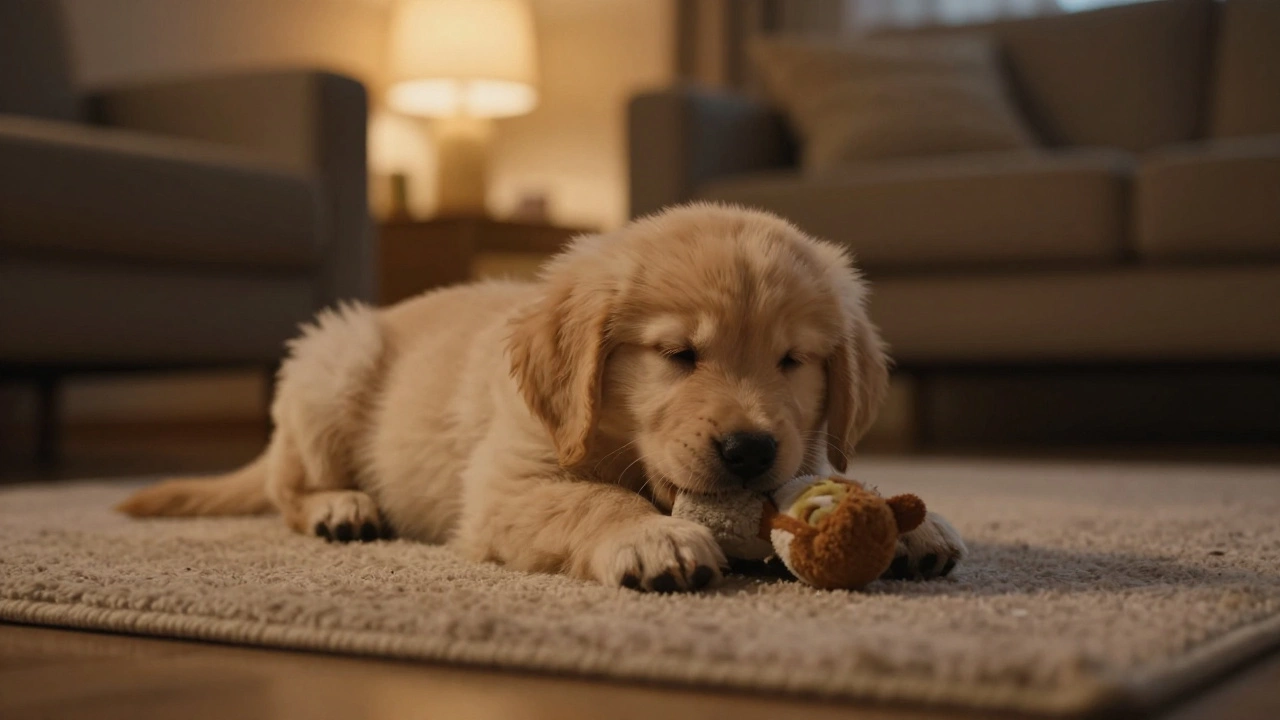
One of the biggest mistakes new owners make is playing a high-energy game of fetch or tug-of-war right before bed. While you might think this tires them out, it actually spikes their cortisol and adrenaline. Instead, switch to low-stimulation activities. This is where Puppy Toys come into play. Give them a chew toy or a soft plushie they can gnaw on while lying down. Chewing is a self-soothing behavior for dogs and helps them drift off naturally.
A typical evening flow looks like this: a final potty trip, a light snack if their feeding schedule requires it, a few minutes of calm cuddling, and then into the crate. If you consistently follow this order, your pup will start to recognize the cues and actually begin to get sleepy before they even hit the bed.
The Role of the Crate in Sleep Quality
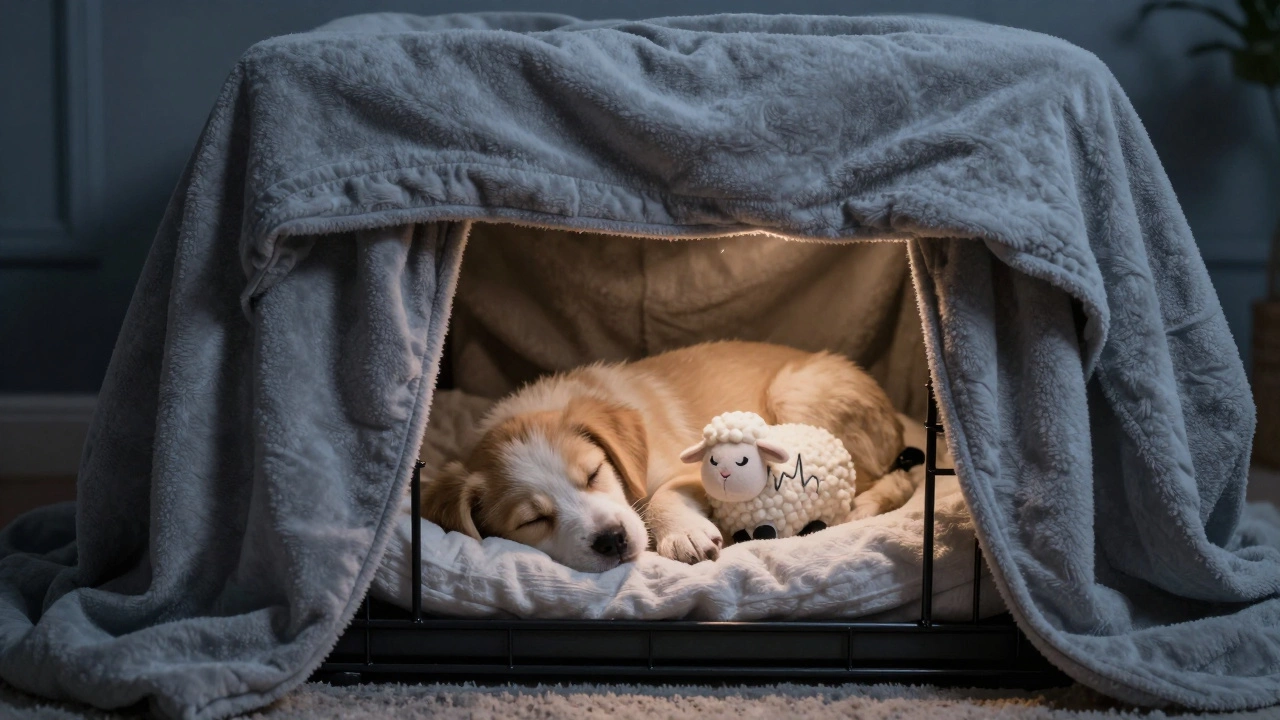
You can't talk about bedtime without mentioning the Crate. This isn't about locking them away; it's about creating a "den." In the wild, canines sleep in tight, enclosed spaces for protection. An open room is terrifying for an 8-week-old pup because they feel exposed.
To make the crate feel like home, cover it with a blanket to block out visual distractions. Many owners find that adding a Snuggle Puppy-a toy with a simulated heartbeat and heat pack-works wonders. It mimics the feeling of sleeping next to their mother and siblings, which drastically reduces the nighttime crying.
| Tool | Primary Benefit | Best Use Case | Potential Downside |
|---|---|---|---|
| Heartbeat Toy | Emotional Security | First 2 weeks at home | May be outgrown quickly |
| Crate Cover | Reduces Stimulation | Light sleepers / Anxious pups | Can trap heat if too thick |
| Chew Toys | Self-Soothing | The 30-min wind-down | Risk of chewing through fabric |
| White Noise Machine | Blocks House Noise | Apartments or noisy homes | Some pups find it distracting |
Managing the Midnight Potty Breaks
Here is the hard truth: your puppy cannot hold their bladder for 8 hours. At 8 weeks, their bladder capacity is tiny. If you put them down at 8:00 PM, don't expect them to make it until 6:00 AM. You will likely need to wake up at least twice.
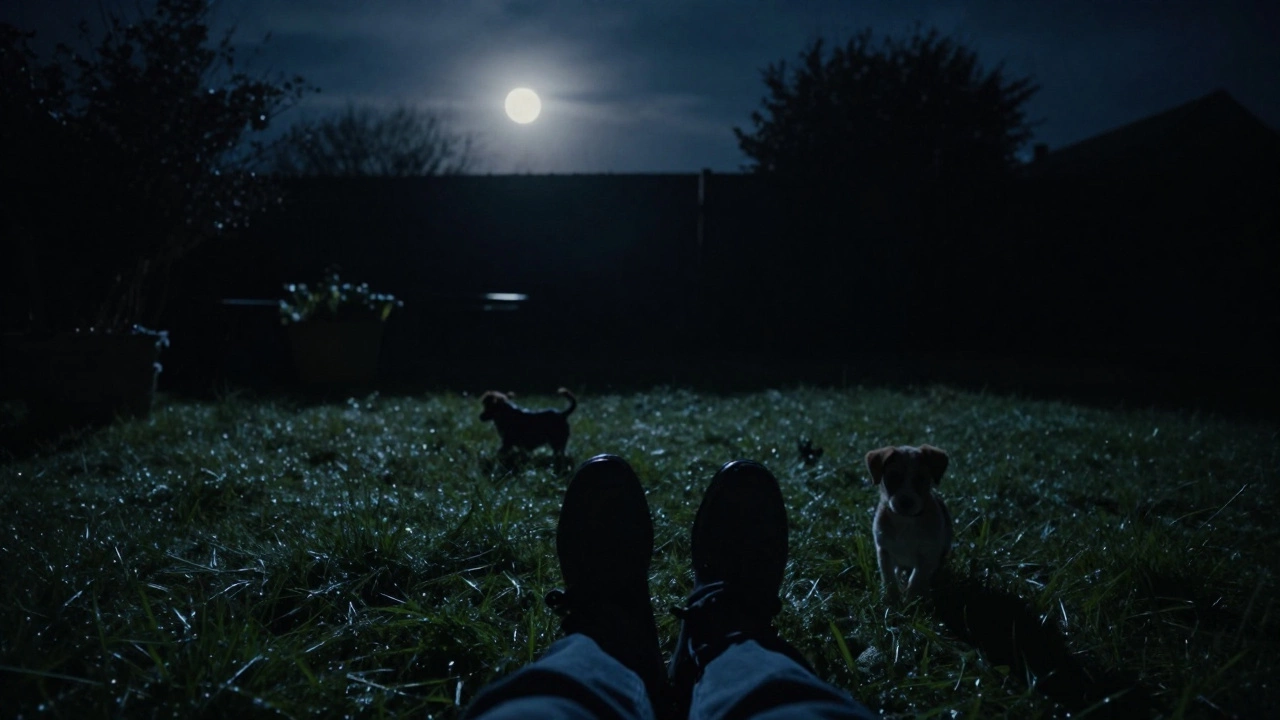
The key to these breaks is to keep them "boring." When you take them out at 2:00 AM, do not talk to them in an excited voice, do not give them treats, and do not turn on the big lights. You want the puppy to understand that midnight is for business, not for socializing. If you make the midnight trip a party, you'll find that your pup starts waking up just to hang out with you, which makes puppy bedtime much harder to maintain.
Once they've done their business, lead them straight back to the crate. If they are still restless, a quick, calm pet is fine, but avoid engaging them in play. The goal is to keep their brain in "sleep mode." If you start playing, you've just reset their internal clock, and you'll be waiting another two hours for them to fall asleep again.
Dealing with Overstimulation and the "Witching Hour"
Have you noticed that your puppy becomes a little terror around 7:00 PM? This is often called the "witching hour." It happens when a puppy is overtired but doesn't know how to shut down. They might start biting your ankles, zooming around the living room, or barking at nothing. This is actually a sign that their bedtime should have happened 30 minutes ago.
When this happens, resisting the urge to "tire them out" with more play is crucial. Instead, implement a mandatory nap or a very low-energy activity. Give them a puzzle toy-like a Kong stuffed with a tiny bit of puppy-safe peanut butter-which forces them to use their brain and slow down their heart rate. Mental exhaustion is often more effective than physical exhaustion for getting a puppy to sleep.
If you consistently miss the window of sleepiness, your puppy's body produces cortisol to keep them going. This makes it significantly harder for them to settle into a deep REM cycle, leading to fragmented sleep for both of you. Watch for the signs: rubbing their face on the carpet, glazing over, or becoming suddenly hyperactive.
The Long-Term Sleep Strategy
As your puppy grows from 8 weeks to 12 weeks and beyond, their sleep needs will shift. They will start to hold their bladder longer, and the number of midnight trips will decrease. However, the foundation you build now-the routine, the crate association, and the wind-down period-will dictate how they sleep for the rest of their life.
Avoid the temptation to let them sleep in your bed during these first few weeks. While it's tempting to put them there just to stop the crying, it can create a dependency. If they get used to the warmth and scent of your bed, the crate will feel cold and lonely by comparison. Stick to the crate for the first month, and once they are confident and house-trained, you can decide if you want to transition them to your bedroom.
Is it okay to let my 8-week-old puppy sleep in my bed?
While it's tempting, it's generally not recommended for the first few weeks. Puppies need to learn how to self-soothe and feel secure in their own space (like a crate). Sleeping in your bed can lead to separation anxiety and make potty training harder because they are more likely to have accidents in the bed.
How many times a night should I wake up for potty breaks?
Most 8-week-old puppies need 2 to 3 breaks per night. A common schedule is a 10 PM final trip, a 2 AM break, and a 6 AM wake-up. As they get older, you can gradually extend these intervals.
What if my puppy won't stop crying in the crate at bedtime?
First, ensure they've had a potty break and some calm interaction. Use a heartbeat toy or a piece of your worn clothing in the crate for scent. If they are screaming, avoid giving them attention; however, if it's a whimper for the bathroom, take them out boringly and put them right back. Consistency is the only way they learn that crying doesn't equal playtime.
Do puppies need a strict bedtime?
Yes, a predictable schedule is vital. While the exact hour doesn't matter (whether it's 7 PM or 9 PM), the sequence of events leading up to it should be the same every night to help regulate their internal clock.
Can I use a white noise machine for my puppy?
Yes, white noise or a low-volume fan can be very helpful, especially in noisy homes. It masks sudden sounds that might startle a puppy awake and creates a consistent auditory environment that encourages sleep.
Next Steps and Troubleshooting
If you're following the routine and your pup still isn't sleeping, check for these common culprits:
- Temperature: Puppies can't regulate their body heat well. Make sure the crate isn't in a drafty area and provide a soft, washable blanket.
- Over-exercise: If they've had a huge day of socializing, they might be too wired to sleep. Increase the wind-down period from 30 minutes to an hour.
- Hunger: A hungry puppy is a restless puppy. Ensure their last meal is timed so they aren't waking up due to a blood sugar drop.
For most owners, the first two weeks are the hardest. Once the puppy realizes that the crate is their safe space and the routine is reliable, you'll find those midnight wake-ups becoming fewer and farther between.