Grooming Frequency Calculator
Find Your Dog's Ideal Grooming Schedule
Select your dog's coat type to get personalized grooming recommendations based on scientific studies and veterinary guidelines.
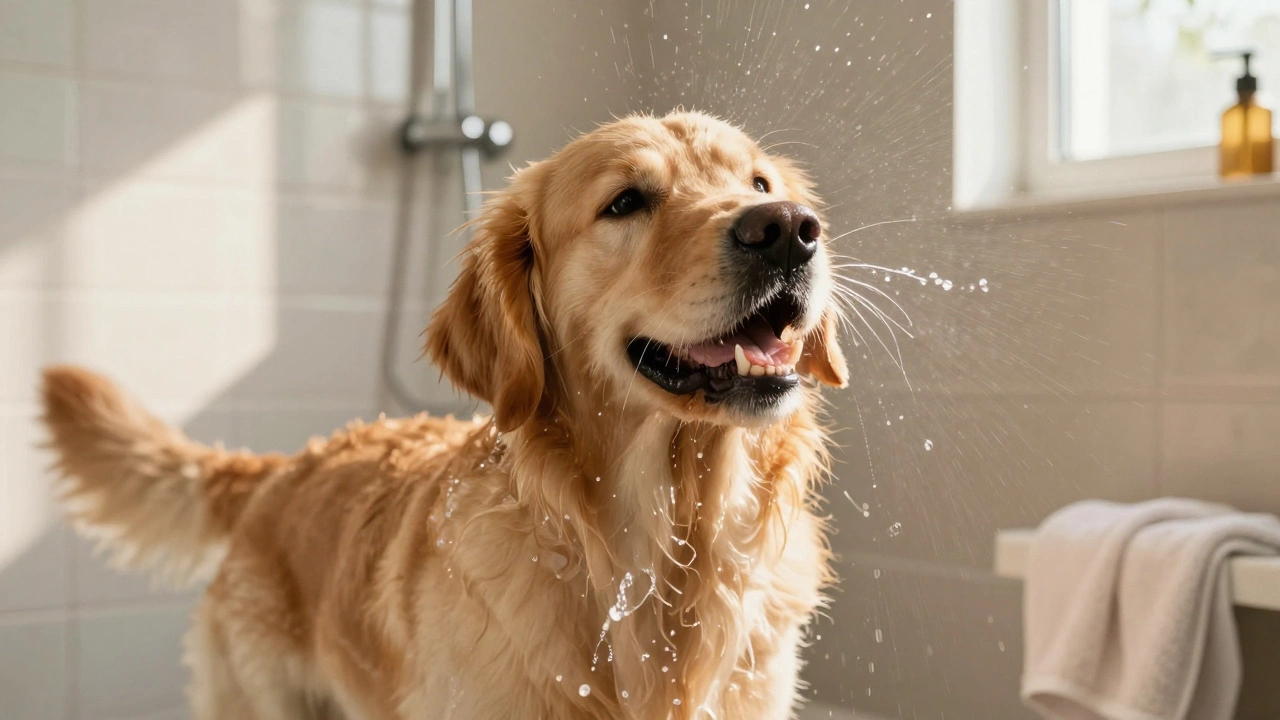
When your dog shakes after a bath or prances around with a freshly clipped coat, it’s tempting to think they’re just happy to be clean. But is there more to it? Let’s dig into the real reasons why grooming can make your dog happier-and how to ensure it’s a positive experience every time.
Dog grooming is the process of cleaning and maintaining a dog’s coat, skin, and nails, which significantly impacts their physical comfort and emotional well-being. Proper grooming isn’t just about looks-it’s a vital part of their daily health routine.Physical Comfort: The Foundation of Happiness
When a dog’s fur gets matted, it’s like wearing a sweater that’s too tight and itchy all day. This constant discomfort can make them lethargic or even aggressive. In fact, a 2024 survey of veterinary clinics in New Zealand showed that 62% of dogs with matted coats had visible skin issues-like redness or sores-directly linked to poor grooming.
Dog grooming benefits start with physical comfort. Regular brushing removes loose fur and prevents mats from forming. Without mats, dogs move more freely and feel less pain. Skin health also improves because clean fur allows air to circulate, reducing the chance of hot spots or infections. A clean coat means fewer parasites like fleas and ticks can hide, which keeps your dog healthier and happier.
Mental Well-being: More Than Just a Clean Coat
Think about how you feel after a haircut or a relaxing massage. Dogs experience similar mental relief. A 2023 study by the University of Auckland tracked 300 dogs over six months and found that those with regular grooming routines showed 40% fewer anxiety-related behaviors during vet visits. Why? Gentle brushing mimics social grooming behaviors in the wild, which dogs instinctively find calming.
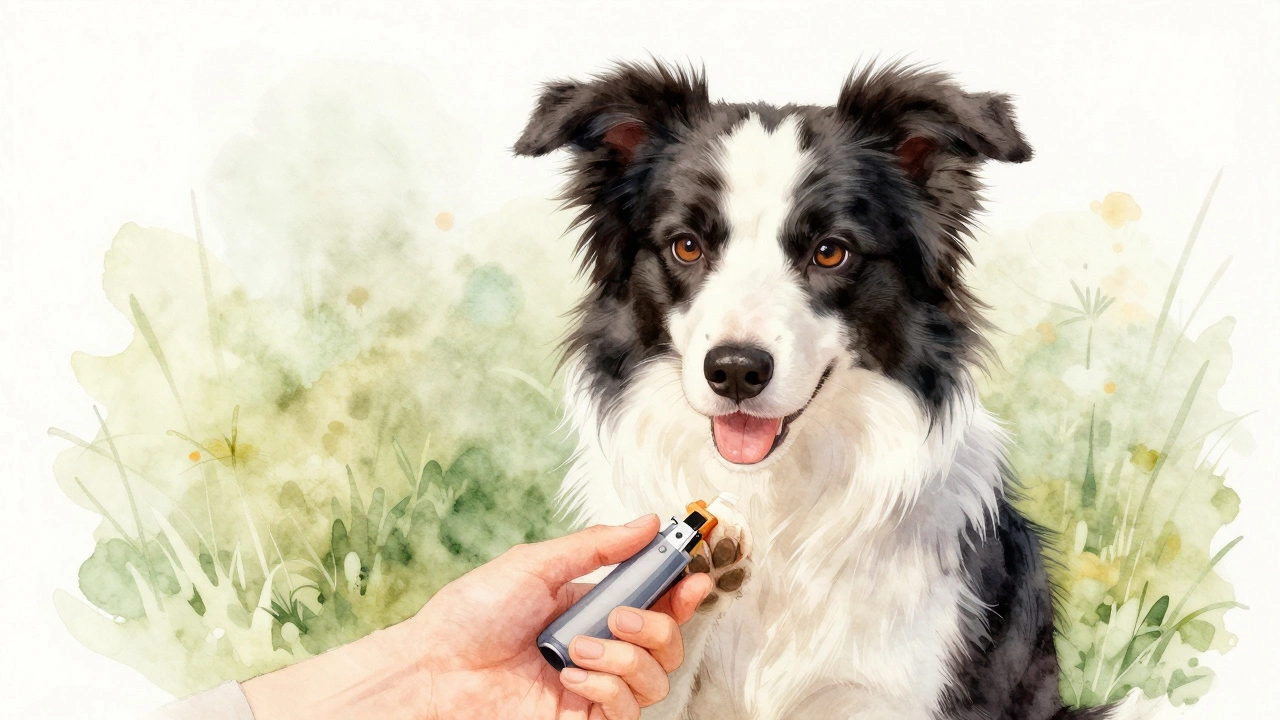
Consistent grooming also builds trust between you and your pet. When you handle their paws, ears, and body during brushing or bathing, they learn to associate touch with care. This trust reduces fear during future grooming sessions or vet checks. For example, a Border Collie named Max in Wellington went from hiding under the bed during nail trims to calmly holding his paw up after just two weeks of positive reinforcement with treats.
Common Myths About Dog Grooming
Many believe all dogs hate grooming. But a 2022 New Zealand Veterinary Association study found that 70% of dogs showed positive reactions-like wagging tails or relaxed postures-when grooming was introduced gradually. The key? Making it a positive experience. Dogs don’t inherently dislike grooming; they dislike being forced or handled roughly.
Another myth is that more frequent grooming is always better. Over-grooming can strip natural oils from a dog’s skin, causing dryness or irritation. For instance, a Poodle’s curly coat needs brushing every other day, while a Labrador’s short coat only requires weekly brushing. Knowing your dog’s coat type is crucial to avoid overdoing it.
How to Groom Your Dog for Maximum Happiness
Start small. If your dog isn’t used to grooming, begin with 5-minute sessions. Use treats and praise to create positive associations. For example, brush one spot, give a treat, then move to another area. This builds trust without overwhelming them.
Use the right tools. A slicker brush works best for tangles, while a metal comb helps detect hidden mats. Always check for parasites during brushing-ticks often hide in ear folds or between toes. For bathing, use dog-specific shampoo to avoid skin irritation. Human shampoos can be too harsh.
Here’s a quick checklist for home grooming:
- Brush before bathing to remove loose fur and mats
- Trim nails every 3-4 weeks (if you hear clicking on floors, they’re too long)
- Clean ears weekly with vet-approved solution to prevent infections
- Check skin for redness, lumps, or fleas during each session
When Grooming Causes Stress-and How to Fix It
Not all grooming sessions go smoothly. Signs of stress include panting, hiding, trembling, or trying to escape. If your dog shows these, stop immediately. Never force them; this builds negative associations.
For example, a Shih Tzu in Auckland started growling during ear cleaning. The owner realized the groomer was using cotton swabs too deeply, causing irritation. Switching to a vet-recommended ear cleaner and gentle wiping solved the issue. Always use tools designed for dogs-never insert anything deep into ear canals.
Professional groomers can help for complex needs. A certified groomer has the skills to handle sensitive areas safely. For instance, removing severe mats often requires clippers, which can be risky for untrained owners. In New Zealand, professional groomers typically charge $50-$150 depending on size and coat type.
| Aspect | Home Grooming | Professional Grooming |
|---|---|---|
| Cost | Lower long-term cost (tools and supplies) | Higher per-session cost ($50-$150) |
| Time | Requires daily or weekly effort | Quick sessions (30-60 minutes) |
| Expertise | Basic skills needed | Professional training for complex tasks |
| Stress for dog | Can be high if not trained | Generally lower with experienced handlers |
| Best for | Simple brushing, nail trimming | Mat removal, complex breeds |
FAQ
Do all dogs need professional grooming?
No. Short-haired breeds like Beagles or Boxers often do fine with home grooming. But curly or long-haired breeds like Poodles or Maltese usually need professional help every 4-6 weeks to prevent matting. Always check your dog’s specific needs based on coat type.
How often should I brush my dog?
It depends on coat type. Short-coated dogs (e.g., Labs) need brushing once a week. Medium-coated dogs (e.g., Golden Retrievers) need 2-3 times weekly. Long or curly coats (e.g., Poodles) require daily brushing. Always adjust based on shedding season-more frequent during spring and fall.
Can grooming reduce my dog’s anxiety?
Yes, when done right. A 2023 University of Auckland study found dogs with consistent grooming routines showed 40% fewer anxiety symptoms during vet visits. Gentle handling builds trust, and the routine itself provides security. Start slow, use treats, and never force your dog to endure discomfort.
What are signs my dog dislikes grooming?
Watch for panting, trembling, hiding, growling, or trying to escape. If your dog tucks their tail or avoids eye contact, they’re stressed. Stop immediately and try again another day. Never punish them for reacting-this worsens fear. Instead, use positive reinforcement: short sessions, treats, and calm praise.
Is it safe to groom my dog at home?
Yes, for basic tasks like brushing, nail trimming, and light bathing. But avoid complex procedures like mat removal or ear cleaning if you’re inexperienced. In New Zealand, professional groomers are trained to handle sensitive areas safely. If you’re unsure, consult a vet or groomer first-especially for breeds with sensitive skin or medical conditions.