
Many pet owners find themselves holding a Banana is a sweet tropical fruit often given to pets as an occasional treat., wondering if their furry friend can enjoy a slice. The short answer is yes, dogs can eat bananas, but there are important rules you need to follow. It isn't about banning the fruit entirely; it's about understanding portion control and preparation. If you toss your golden retriever a peeled slice today, they won't get hurt, but making it a daily habit could lead to unwanted health issues down the road.
We need to look beyond the simple "safe or toxic" binary that dominates internet searches. Real nutrition depends on your dog's specific size, age, and activity level. While bananas offer beneficial vitamins, their high sugar content means they are strictly a treat, not a meal replacement. This guide cuts through the noise to tell you exactly how to feed this fruit safely, how to spot allergies, and when to call the vet if things go wrong.
The Nutritional Benefits of Bananas for Canines
Before deciding whether to share your breakfast snack, it helps to know what nutrients you are giving. Bananas are considered a healthy treat source because they are dense in essential minerals. For a working dog or a high-energy puppy, a small piece can provide a natural energy boost without the crash associated with processed store-bought treats.
The primary powerhouse in a banana is Potassium is an electrolyte vital for muscle function and hydration in dogs.. Adequate potassium supports heart rhythm, nerve signals, and kidney function. When a dog dehydrates, losing electrolytes is a risk, and potassium-rich foods help replenish those levels naturally. However, dogs usually get enough potassium from high-quality commercial dog food. Adding too much through treats creates an imbalance rather than filling a gap.
Fiber is another significant component found in the flesh of the fruit. Dietary fiber aids digestion by regulating bowel movements. If your dog has been experiencing mild constipation, a small amount of mashed banana can act as a gentle laxative. Conversely, too much fiber causes diarrhea. This double-edged sword means moderation is critical. You also get Vitamin B6, which supports brain development and immune function. Manganese is present in trace amounts, aiding in bone formation and wound healing.
Vitamin C is often debated for dogs since they produce their own internally, unlike humans. However, in times of stress or illness, additional antioxidants can support the immune system. While bananas contain some Vitamin C, it is not a reliable cure-all. Think of it as a supplement to a balanced diet rather than medicine.
Hidden Risks and Potential Side Effects
The biggest concern with feeding bananas is the sugar content. Ripening turns starches into sugars, meaning yellow or spotted bananas have significantly higher glucose levels than green ones. Excessive sugar intake leads to obesity, which strains joints and organs. Obesity in dogs is a major cause of reduced life expectancy, so every calorie counts.
Digestive upset is the most common complaint after a new treat is introduced. Some dogs suffer from fructose malabsorption. Their bodies simply cannot process certain sugars efficiently, resulting in gas, bloating, or foul-smelling stools. If you notice your dog running around in discomfort after eating a slice, pull back immediately. Chronic inflammation in the gut can weaken the immune system over time.
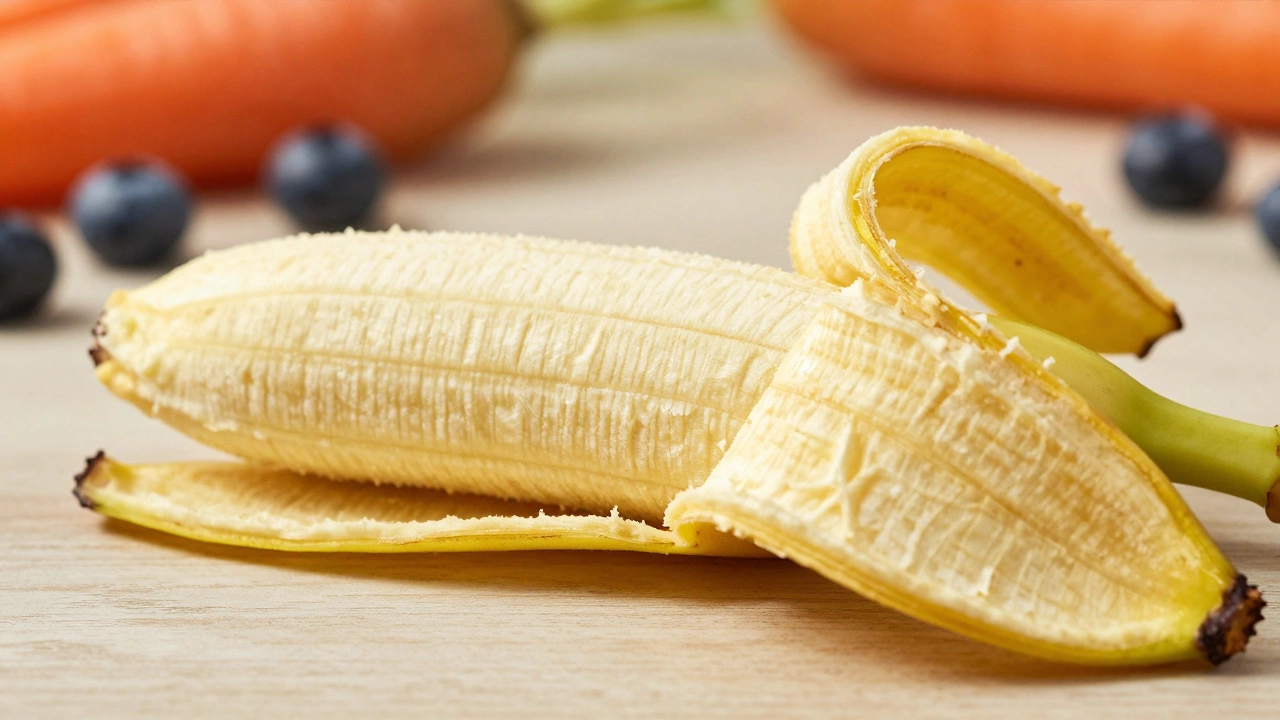
The Banana Peel is the outer skin of the fruit which is indigestible and poses a choking hazard. presents a mechanical hazard. It does not decompose easily in the stomach. Ingesting a large chunk can cause an intestinal blockage requiring surgery. Even if the piece passes, it often causes vomiting first. Always remove the skin completely before offering any fruit to your pet.
Allergies are less common but possible. Just like humans, dogs can develop protein or histamine sensitivities. Signs include scratching, ear infections, or facial swelling. If you see these symptoms after introducing a new food, stop feeding it immediately and consult your veterinarian.
Serving Size Guidelines Based on Weight
Treats should not exceed 10% of your dog's daily caloric intake. This is the golden rule followed by veterinary nutritionists worldwide. Because a banana calorie-dense compared to a raw carrot, you must measure portions carefully. A large breed requires more volume than a chihuahua to feel satisfied.
To give you concrete examples:
- Small Breed (< 10kg): Two small slices or half a medium banana per day maximum. Ideally, limit this to twice a week.
- Medium Breed (10-25kg): One medium slice daily.
- Large Breed (>25kg): Half a banana daily or a whole one two times a week.
If your dog is overweight or sedentary, reduce these amounts by half. Treats are meant to be special, not constant background snacks. You might wonder how to track these calories. Most dry kibble bags list kcal/cup. If your bag says 3,500 kcal/kg, and you feed 200g, that's 700 calories total. Ten percent is 70 calories. A medium banana has roughly 105 calories. Therefore, a medium banana is already a full day's allowance for a dog on a moderate diet. Slice accordingly.
Special Considerations for Specific Health Conditions
Not every dog is the same candidate for this fruit. Dogs with diabetes require strict glucose monitoring. Feeding high-sugar fruits disrupts insulin regulation. Diabetic dogs often need specialized prescription diets. Giving them a banana without prior vet approval is risky. Hypoglycemia is a danger, but hyperglycemia from random treats is the real threat here.
Kidney disease patients need restricted potassium intake. Paradoxically, while bananas are rich in potassium, dogs with compromised kidneys often struggle to excrete excess potassium. High blood potassium levels become toxic rapidly. If your vet has prescribed a renal diet, ask specifically about fruit supplementation before adding anything to the bowl.
Preparation and Serving Methods
How you prepare the banana matters as much as the quantity. Simply handing over a fresh piece is fine, but you can vary the texture to keep things interesting. Frozen banana chunks make excellent summer coolers. The cold temperature soothes inflamed gums, especially useful for teething puppies or seniors with dental issues. Freeze slices on a baking sheet until solid, then pop them into a freezer-safe bag.
You can also mix mashed banana into other treats. Combining it with peanut butter (ensure it is xylitol-free) or plain yogurt creates a flavor explosion that increases the palatability of low-quality training treats. However, do not replace meals. Mixing it into kibble is acceptable for picky eaters, but watch out for residue in the bowl. Leftovers attract ants or pests quickly, especially in warmer climates.
Avoid cooked bananas. Baking removes moisture and concentrates the sugar further. Bread recipes using bananas often include eggs, oil, or added sweeteners that are unhealthy for dogs. Stick to raw fruit whenever possible. Washing the outside of the banana thoroughly prevents pesticide residues from getting into the fleshy part when you peel it.
Alternatives to Banana Treats
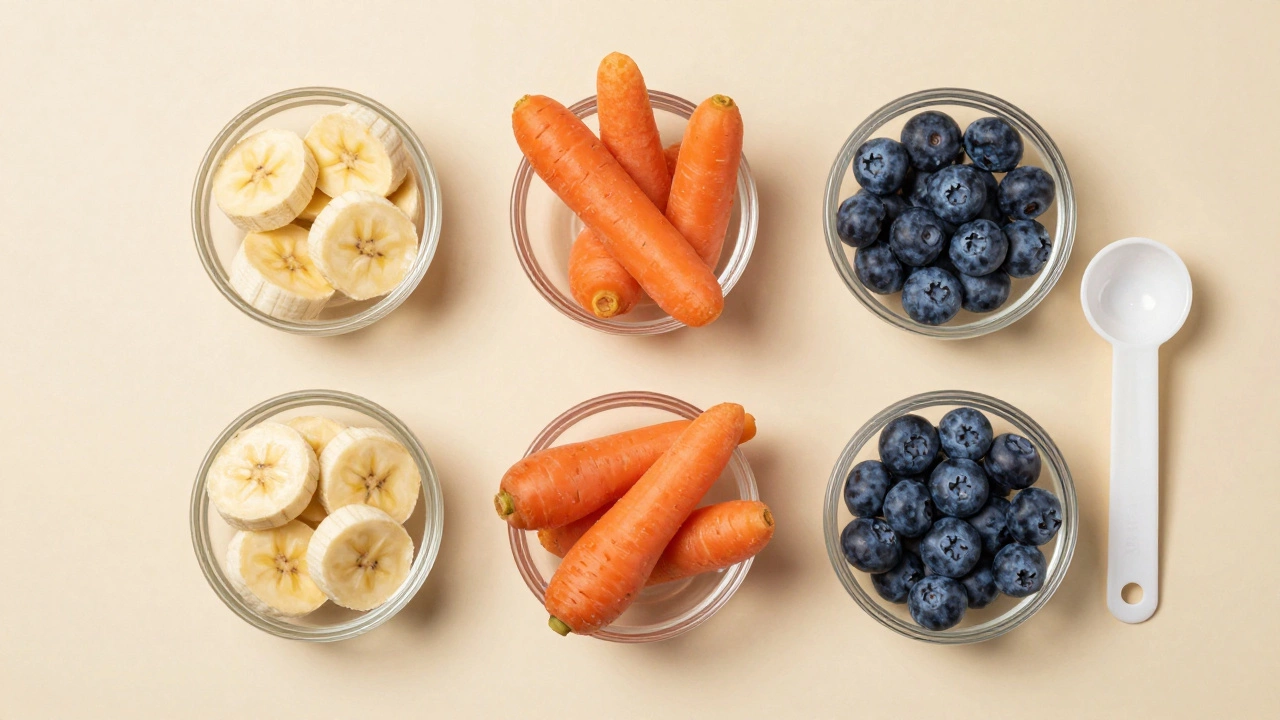
If you want to provide variety without the sugar spike, consider other options. Carrots are crunchy, low-calorie, and promote dental health through chewing action. Apples offer similar vitamin C profiles but lack the dense fiber of bananas. Remove seeds always, as apple seeds contain traces of cyanide.
| Fruit Type | Sugar Level | Calories (approx) | Safety Note |
|---|---|---|---|
| Apple | Medium | 0.5 cal/g | No seeds/core |
| Blueberries | Low | 0.57 cal/g | High antioxidant |
| Cucumber | Very Low | 0.45 cal/g | Great for water intake |
| Grapes | N/A | N/A | NEVER FEED - Toxic |
Blueberries are particularly recommended as a top-tier alternative. They have a high antioxidant content called anthocyanin. Grapes and raisins, conversely, are strictly forbidden due to acute kidney failure risks. This highlights why understanding fruit toxicity is crucial.
Final Recommendations for Healthy Snacking
Feeding your dog responsibly involves balance. You don't need to live in fear of every vegetable, but you shouldn't indulge blindly either. Keep a log if you are introducing new foods. Track your dog's weight weekly. If you see upward trends despite exercise adjustments, re-evaluate the snack menu.
Always consult your Veterinarian is a medical professional who advises on specific animal dietary needs. if your dog has pre-existing conditions. They can calculate exact caloric allowances. What works for a husky in Canada might not work for a border terrier in the tropics due to climate differences affecting metabolism.
Can dogs eat banana peels?
No, banana peels are hard to digest and can cause intestinal blockages. Always remove the skin before giving the fruit to your dog.
How many bananas can my dog eat in a day?
It depends on size. Small dogs: two small slices. Medium dogs: one medium slice. Large dogs: half a banana. Treats should remain under 10% of daily calories.
Are bananas bad for diabetic dogs?
Bananas contain high sugar content. Diabetic dogs need strict carb monitoring. Consult your vet before including any sugary fruits in the diet.
Will bananas give my dog diarrhea?
Too much fiber causes diarrhea. Moderation is key. If loose stools occur after feeding, reduce the amount or frequency immediately.
What are safer alternatives to bananas?
Carrots, cucumbers, and blueberries are lower in sugar and high in fiber. These are generally safer options for frequent snacking.