
Dog Food Safety Checker
Waiting for input...
It starts with a dropped crumb. You’re eating lunch, your dog gives you that soulful stare, and before you know it, the snack is gone. Most of the time, this ends in nothing more than a guilty look from you and a happy tail wag from them. But some human foods aren’t just unhealthy-they are straight-up dangerous. In fact, a significant portion of emergency vet visits involve accidental ingestion of common household items.
We often assume that if something is safe for us, it’s fine for our pets. That assumption can cost thousands of dollars in vet bills or worse. Knowing exactly what to keep off their plate is the single most important step in preventative care. Here are the 16 specific dog foods and ingredients you need to avoid right now.
The Sweet Dangers: Chocolate and Xylitol
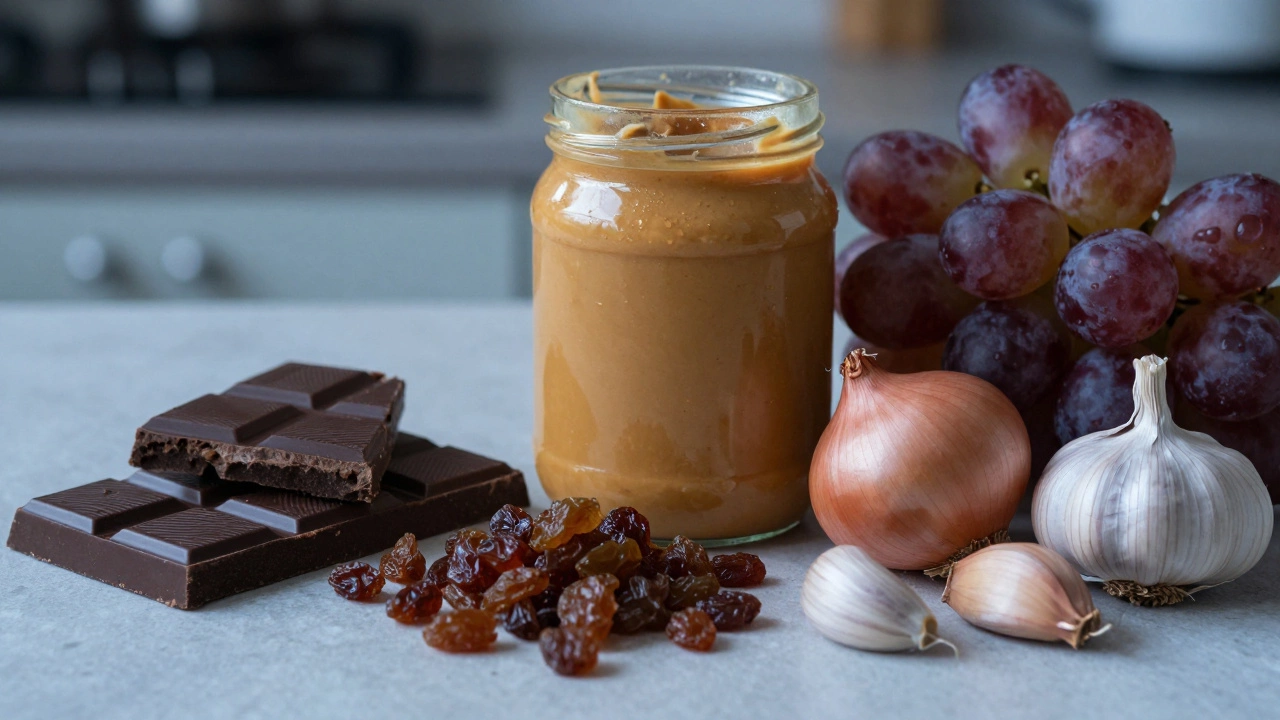
Chocolate is the most well-known toxin for dogs, containing theobromine and caffeine which dogs metabolize very slowly. The darker the chocolate, the higher the concentration of these stimulants. While a tiny lick of milk chocolate might only cause an upset stomach in a large breed, a bar of baking chocolate can be fatal even for bigger dogs. Symptoms range from vomiting and diarrhea to rapid breathing, seizures, and heart failure. If your dog eats chocolate, note the type and amount immediately and call your vet.
Then there is Xylitol, a sugar substitute found in gum, candy, baked goods, and peanut butter. This one is tricky because it looks like a "healthy" alternative. For humans, xylitol is safe. For dogs, it triggers a massive release of insulin, leading to severe hypoglycemia (low blood sugar) within 10 to 60 minutes. It can also cause acute liver failure. Always check labels on peanut butter; many brands use xylitol as a sweetener. If the ingredient list says "xylitol," put it back on the shelf.
Fruits and Vegetables That Bite Back
You probably feed your dog apples or carrots as treats, which is great. But not all produce is created equal. Grapes and Raisins are highly toxic to dogs, potentially causing sudden kidney failure even in small amounts. Scientists still don't know exactly what compound causes this reaction, which makes it even scarier. One raisin could be enough to hurt a small dog. There is no antidote, so prevention is your only defense. Keep bowls of fruit away from curious noses.
Onions, Garlic, and Chives belong to the Allium family and are toxic to red blood cells, causing hemolytic anemia in dogs. This isn't just about feeding raw onions; it's about cooked ones too. That beef stew or taco meat you share? It likely contains onion powder or garlic salt. These compounds damage the cell membranes of red blood cells, causing them to burst. Symptoms like weakness, pale gums, and lethargy can take days to appear, making early detection difficult.
Avocados contain persin, a fungicidal toxin. While the flesh isn't usually lethal to dogs, the pit is a major choking hazard and can cause intestinal blockage. The skin and leaves contain higher concentrations of persin, which can lead to vomiting and diarrhea. It’s best to skip the guacamole entirely.
Dairy and Digestive Disruptors
We’ve all seen those viral videos of puppies drinking milk and looking adorable. Unfortunately, reality is less cute. Most adult dogs are lactose intolerant. Their bodies stop producing the enzyme lactase after weaning. When they consume Milk and Cheese, they often suffer from gastrointestinal distress including gas, bloating, and diarrhea. While a small piece of hard cheese might pass without issue, regular dairy consumption leads to chronic digestive issues. Opt for lactose-free yogurt or specialized dog ice cream if you want to give them a cold treat.
Coffee and Caffeinated Beverages are dangerous stimulants that affect the central nervous system and cardiovascular system of dogs. Whether it’s leftover coffee grounds, energy drinks, or soda, caffeine affects dogs similarly to chocolate but often faster. Symptoms include restlessness, hyperactivity, abnormal heart rhythms, and muscle tremors. Never leave your morning brew unattended where a dog can jump up and knock it over.
Raw and Cooked Bone Hazards
Bones seem like the ultimate natural dog treat, but they come with serious risks. Cooked Bones are brittle and prone to splintering, which can puncture the esophagus, stomach, or intestines. When meat is cooked, the bone structure changes, becoming sharp shards rather than flexible cartilage. These splinters can cause internal bleeding or require surgical removal. Stick to raw, meaty bones under veterinary supervision, or better yet, use commercially made dental chews designed to dissolve safely.
Raw eggs pose a different set of problems. While the protein is good, raw egg whites contain avidin, a protein that interferes with the absorption of biotin (Vitamin B7). Long-term consumption of raw eggs can lead to skin and coat issues. Additionally, raw eggs carry the risk of Salmonella and E. coli, which can make both your dog and your family sick. Fully cooked eggs are a safe and nutritious alternative.
Alcohol and Yeast Dough
Alcohol is extremely toxic to dogs, affecting the brain and respiratory system rapidly. Dogs are much smaller than humans, so even a small sip of beer, wine, or liquor can cause alcohol poisoning. Symptoms include vomiting, disorientation, difficulty breathing, and coma. This includes any food cooked with alcohol that hasn’t been fully evaporated, like certain sauces or desserts.
Rising yeast dough is a double threat. First, the dough expands in the warm environment of the dog’s stomach, potentially causing bloat or gastric dilation-volvulus (GDV), a life-threatening condition where the stomach twists. Second, as the yeast ferments, it produces alcohol, leading to intoxication. If your dog swallows a ball of bread dough, seek emergency care immediately.

High-Risk Human Snacks
Nuts, particularly macadamia nuts, are toxic to dogs, causing weakness, vomiting, tremors, and hyperthermia. Other nuts like walnuts may contain mold toxins (tremorgenic mycotoxins) that cause seizures. Almonds are hard to digest and can cause choking or intestinal obstruction. While peanuts are generally safe in moderation (unsalted and no shell), it’s safer to stick to dog-specific treats.
Salt and Salty Snacks can lead to salt ion poisoning, characterized by excessive thirst, urination, vomiting, and seizures. Chips, pretzels, and popcorn kernels are not only high in sodium but also pose choking hazards. Popcorn kernels can get stuck in teeth or cause gastrointestinal blockage. If you want to share movie night snacks, air-popped popcorn without butter or salt is the safest option, though plain carrot sticks are better.
| Toxic Item | Primary Risk | Safe Alternative |
|---|---|---|
| Chocolate | Heart failure, seizures | Carob chips (moderation) |
| Grapes/Raisins | Kidney failure | Blueberries |
| Onions/Garlic | Anemia | Green beans |
| Xylitol | Liver failure, hypoglycemia | Plain pumpkin puree |
| Cooked Bones | Internal punctures | Antler chews |
| Macadamia Nuts | Weakness, tremors | Plain boiled chicken |
What to Do If Your Dog Eats Something Toxic
Panic helps no one. If you suspect your dog has ingested one of these 16 items, act quickly but calmly. First, identify what was eaten and how much. Check packaging for exact ingredients, especially for xylitol or chocolate percentages. Call your veterinarian or the ASPCA Animal Poison Control Center (888-426-4435) immediately. Do not induce vomiting unless instructed by a professional, as some substances cause more damage coming back up than going down. Bring the packaging to the vet clinic if possible.
Prevention is always easier than cure. Keep trash cans lidded, store sweets out of reach, and educate all family members, including children, about what dogs cannot eat. A few seconds of caution can save your dog’s life.
Can dogs eat any kind of chocolate?
No. All types of chocolate contain theobromine, which is toxic to dogs. Dark chocolate and baking chocolate are the most dangerous due to higher concentrations, but even white chocolate can cause gastrointestinal upset due to its fat content. It is best to avoid giving any chocolate to your dog.
Is a little bit of onion really that bad?
Yes, especially over time. Onions and garlic damage red blood cells cumulatively. Even small amounts in daily meals, like onion powder in kibble or shared table scraps, can lead to anemia. It is safer to avoid all forms of Allium vegetables for dogs.
What should I do if my dog eats a grape?
Contact your vet immediately. Grapes and raisins can cause acute kidney failure, and the toxic dose varies greatly between individual dogs. Some dogs show symptoms after one grape, while others tolerate more. Because there is no reliable way to predict toxicity, immediate veterinary attention is crucial.
Are raw bones safe for dogs?
Raw bones are safer than cooked bones because they do not splinter as easily. However, they still carry risks of bacterial contamination (Salmonella, E. coli) and potential tooth fractures or choking. Always supervise your dog with any bone and consult your vet before introducing them to your diet.
Can dogs have milk?
Most adult dogs are lactose intolerant and will experience diarrhea, gas, and bloating if they drink cow's milk. Puppies may handle it better initially, but it is not recommended. Lactose-free milk alternatives or small amounts of plain Greek yogurt are safer options for calcium-rich treats.