Cat Food Transition Planner & Hydration Calculator
Click on any day below to see the recommended mix ratio for that stage of the transition.
Calculate how much extra water you need to add to your cat's dry food or provide via a fountain to match their natural fluid needs.
You’ve probably walked into a veterinary clinic, heard the phrase "switch to dry food," and left feeling like you were being sold a product rather than given medical advice. It’s a common frustration. We know cats are obligate carnivores with high water needs, so why would a professional suggest a dehydrated kibble? The answer isn’t about convenience alone, though that helps. It’s largely about preventing one of the most painful and expensive conditions in senior cats: periodontal disease.
While wet food is undeniably superior for hydration, dry food serves a specific mechanical purpose that many owners overlook. Let’s break down exactly what your vet is thinking when they make that recommendation, and how to do it right without sacrificing your cat's health.
The Dental Connection: More Than Just Crunching
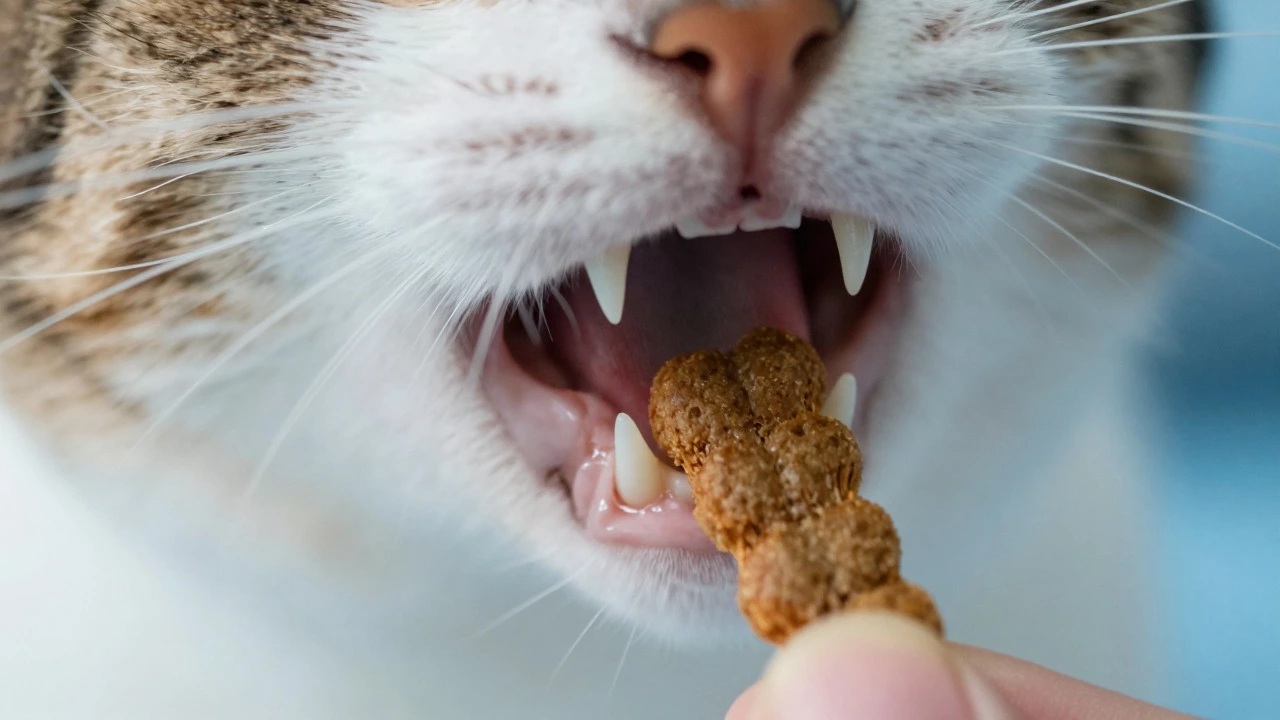
The primary reason veterinarians recommend Dry Cat Food is a type of extruded pet food designed to promote dental health through mechanical abrasion. When a cat chews kibble, the hard texture creates friction against the tooth surface. This action doesn't just clean; it physically disrupts the formation of plaque before it hardens into tartar.
Think of it this way: if you only ate soft foods like mashed potatoes or yogurt, your teeth would still accumulate plaque. You’d need rigorous brushing to compensate. For cats, brushing is often impossible. So, the food itself becomes the cleaning tool. Studies from the American Veterinary Medical Association (AVMA) have consistently shown that cats fed exclusively dry food have lower rates of visible tartar accumulation compared to those fed only wet food, provided the kibble is formulated correctly.
However, not all kibble is created equal. Large, chunky pieces are better than small pellets because they require more chewing effort. If your cat swallows the food whole without chewing, the dental benefit disappears entirely. This is where formulation matters. High-quality dry foods use ingredients that expand slightly during cooking, creating a porous structure that traps bacteria as the cat chews, effectively sweeping them away with saliva.
Hydration: The Biggest Myth Busted
Here is where the debate usually heats up. "Cats don't drink enough water!" Yes, true. But does dry food cause dehydration? Not necessarily, if managed correctly. The fear stems from the fact that wet food contains 70-80% moisture, while dry food contains only about 10%. If a cat eats only dry food and drinks little, their total water intake drops.
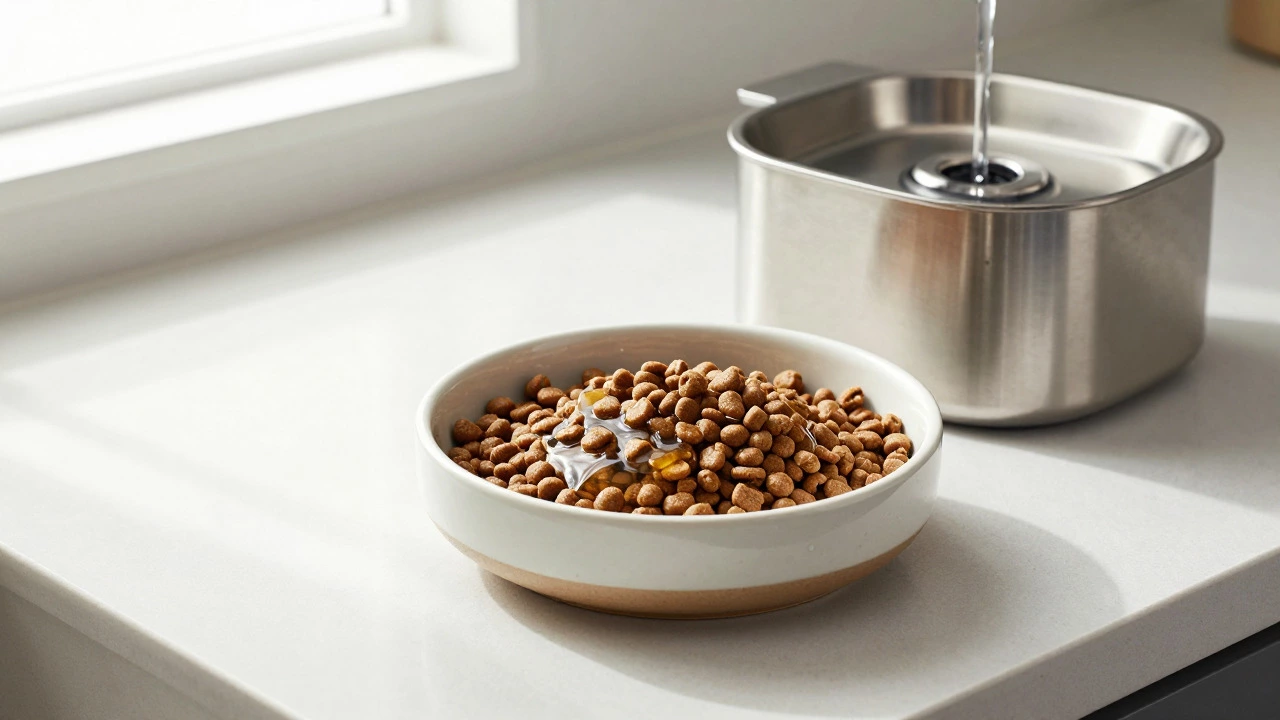
Vets recommend dry food not because it hydrates the cat, but because it allows for controlled calorie intake and dental maintenance. The solution isn't to avoid dry food, but to change how you serve it. Most vets who prescribe dry food also advise adding warm water to the kibble to create a slurry, or serving it alongside a dedicated water fountain. The goal is to ensure the cat gets the mechanical dental benefit of the kibble texture while supplementing the fluid loss separately.
Practical Advantages: Why Owners Actually Stick With It
Beyond health, there are practical reasons why dry food remains a staple in veterinary recommendations, especially for multi-cat households or busy owners.
- Shelf Stability: Dry food can sit out for hours without spoiling. Wet food, once opened, must be refrigerated within two hours. For cats that graze throughout the day, leaving a bowl of kibble out is safer and more hygienic than leaving wet food at room temperature.
- Cost Efficiency: On a per-calorie basis, high-quality dry food is significantly cheaper than wet food. For families with three or four cats, the savings add up quickly over a year.
- Weight Management: Kibble has a higher density of calories per volume. This means you can feed smaller portions that look full but contain fewer empty calories, which is crucial for indoor cats prone to obesity.
If you’re managing a cat’s weight, dry food offers a tangible advantage. You can measure exact grams easily. With wet food, measuring precise calorie counts across different brands and textures is notoriously difficult. Consistency in portion control is a key part of any veterinary diet plan.
Choosing the Right Kibble: What to Look For
Not every bag of dry food delivers on the dental promise. Some cheap brands use fillers that dissolve instantly, offering zero abrasive value. To get the benefits your vet expects, you need to read the ingredient list carefully.
| Attribute | Dry Food (Kibble) | Wet Food (Canned) |
|---|---|---|
| Moisture Content | ~10% | 70-80% |
| Dental Benefit | High (mechanical abrasion) | Low (no abrasive action) |
| Caloric Density | High (350-450 kcal/cup) | Low (80-120 kcal/can) |
| Shelf Life (Unopened) | 12-18 months | 2-5 years |
| Spoilage Risk (Out) | Low | High (within 2 hours) |
Look for these specific markers in the ingredient list:
- Named Protein Source First: Chicken, beef, or salmon should be the first ingredient, not "meat by-products."
- Fiber Content: A minimum of 2-4% fiber helps move hairballs through the digestive tract, a common issue with dry food diets.
- No Artificial Preservatives: Avoid BHA, BHT, and ethoxyquin. Natural preservatives like mixed tocopherols (Vitamin E) are preferable.
Avoid foods with excessive grain content if your cat has a sensitive stomach. While grains aren't inherently bad, many cats digest protein-heavy, grain-free formulas better. However, note that recent research suggests some grain-free diets linked to dilated cardiomyopathy (DCM) due to taurine deficiency. Always ensure the taurine levels meet AAFCO standards, which are clearly labeled on compliant bags.
How to Transition Your Cat Safely
Cats are creatures of habit. Switching from wet to dry food can cause stress, leading to picky eating or even refusal to eat. A sudden switch is a recipe for disaster. Instead, follow a gradual transition protocol over 7-10 days.
- Days 1-2: Mix 90% wet food with 10% crushed dry kibble. The warmth of the wet food will soften the kibble slightly, making it easier to chew.
- Days 3-4: Adjust to 70% wet / 30% dry.
- Days 5-6: Adjust to 50% wet / 50% dry.
- Days 7-8: Adjust to 30% wet / 70% dry.
- Day 9+: Full dry food. Add water to the kibble to maintain moisture intake.
If your cat refuses the mix, try warming the kibble slightly with hot water (not boiling) to release aromas. Cats rely heavily on smell to decide if food is safe. A lukewarm bowl is far more appealing than a cold, stale one.
When Dry Food Isn't the Answer
Despite its benefits, dry food isn't suitable for every cat. Your vet might recommend against it if your cat has:
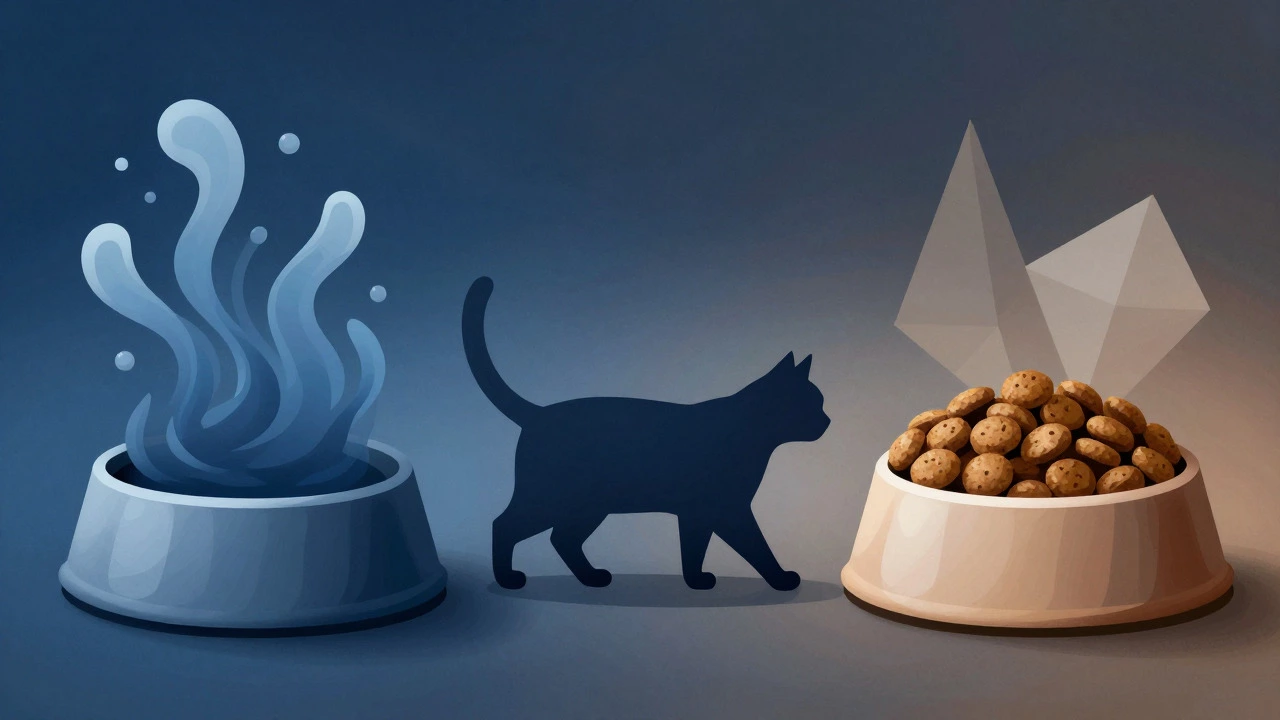
- Chronic Kidney Disease (CKD): These cats need maximum hydration. While some therapeutic dry foods exist, wet food is generally preferred to support kidney function.
- Dental Fractures or Missing Teeth: If chewing is painful, the abrasive nature of kibble can worsen the condition. Soft food is necessary here.
- Picky Eating History: Some cats simply prefer the texture of wet food. Forcing a switch can lead to weight loss, which is more dangerous than plaque buildup.
In these cases, the vet might recommend a combination approach: dry food for breakfast (for dental hygiene) and wet food for dinner (for hydration and palatability). This hybrid method captures the best of both worlds.
Frequently Asked Questions
Does dry food really prevent tooth decay?
It prevents tartar buildup, which is the hardened form of plaque. Tartar leads to gum inflammation and bone loss. By disrupting plaque formation daily through chewing, dry food reduces the risk of periodontal disease, which is the leading cause of tooth loss in cats.
Is it okay to leave dry food out all day?
Yes, for most healthy cats. Dry food resists bacterial growth much better than wet food. However, replace the food every 24-48 hours to ensure freshness, as fats in the kibble can oxidize and become rancid over time, which may affect taste and nutritional value.
What if my cat doesn't drink enough water with dry food?
Monitor their urine output. If it's dark or concentrated, they're not drinking enough. Solutions include using a flowing water fountain (cats prefer moving water), adding water to the kibble, or increasing the proportion of wet food in their diet. Consult your vet if you notice lethargy or decreased appetite, as these can be signs of urinary issues.
Are expensive dry foods worth the price?
Generally, yes. Higher-end brands use better quality proteins and fewer fillers, which means your cat feels fuller on less volume. This can help with weight management. Cheaper brands often rely on corn and wheat gluten, which provide less nutritional value and may contribute to hairballs due to lower fiber quality.
Can kittens eat dry food?
Yes, but it must be soaked in warm water or milk to soften it until they are around 6 months old. Their teeth are still developing, and hard kibble can be difficult for them to chew properly. Once they reach 6 months, you can introduce dry food gradually as described in the transition guide above.