Dog Licking Behavior Decoder
⚖ Observation Checklist
Observe your dog's current behavior and select the options that match.
Ready to Analyze
Select the observations on the left to find out what your dog is trying to tell you.
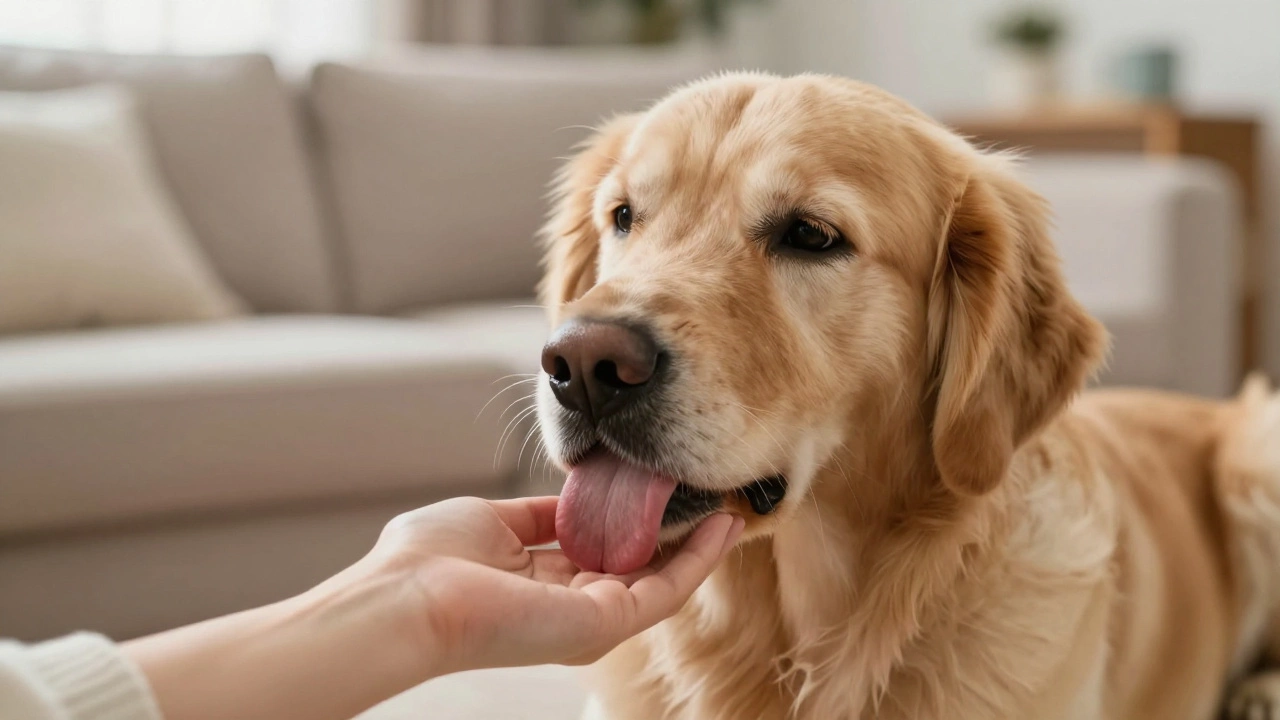
You’re sitting on the couch, maybe reading a book or scrolling through your phone, and suddenly your dog starts aggressively licking your hand. It’s wet, it’s salty, and if you’ve been wearing lotion, it’s probably sticky too. Most of us just laugh it off as "the doggy kiss," but have you ever stopped to wonder what is actually happening in that furry head? Is it love? Is it hunger? Or is your dog trying to tell you something more urgent?
Understanding dog licking behavior isn’t just about satisfying curiosity; it’s about building a deeper connection with your pet. Dogs don’t speak English, but they have a complex language of body signals, and licking is one of their most versatile tools. From newborn puppies to senior rescue dogs, this instinct serves multiple purposes. By decoding these signals, you can better respond to your dog’s needs, whether they want a snack, a cuddle, or a trip to the vet.
The Instinctive Roots: Why Puppies Start Licking
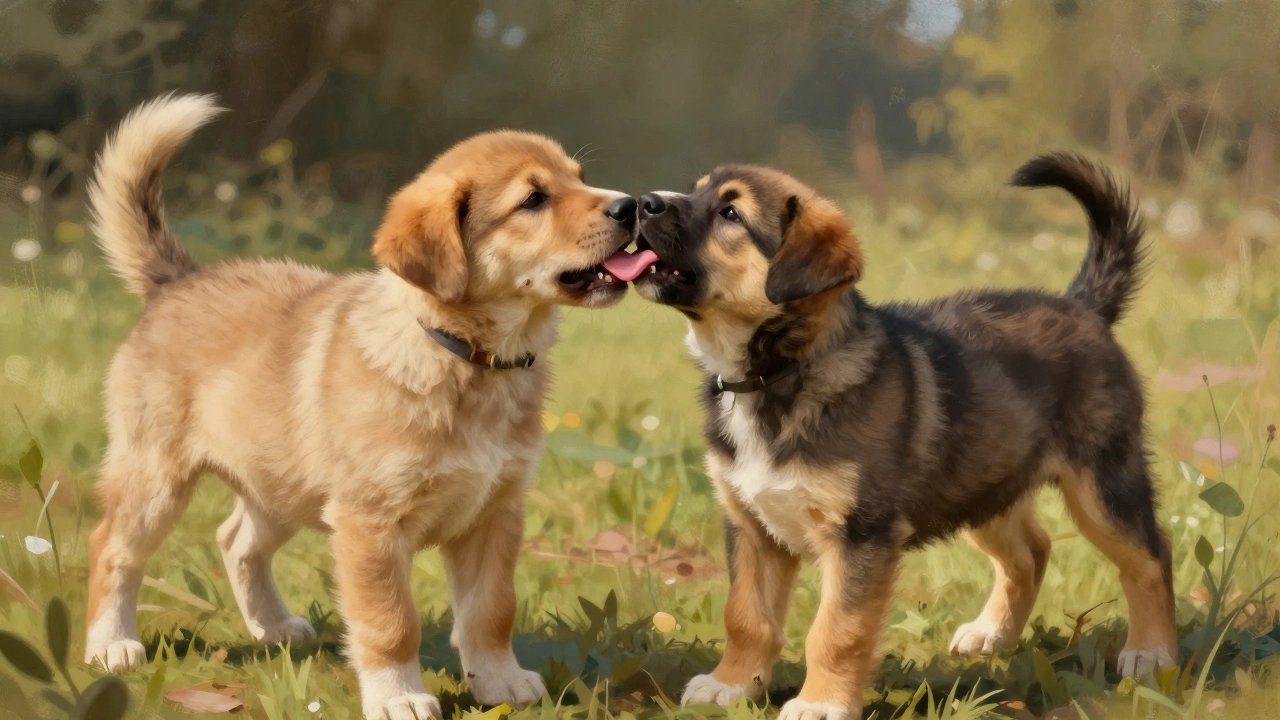
To understand adult behavior, we have to look back at the beginning. In the wild, and even in domestic settings, licking is a survival skill learned in the first few weeks of life. When you see a puppy licking its mother, it’s not just being cute. That puppy is stimulating the mother to clean them, which helps regulate their body temperature and hygiene. More importantly, the puppy licks the mother’s face to signal that it is hungry. This triggers the mother to regurgitate food for the pups, a crucial feeding mechanism before they can eat solid kibble.
This early association creates a lifelong link between licking and care. When your adult dog licks your face or hands, they are often reverting to this primal script. They might be associating your face with safety, comfort, and potentially, food. If you’ve ever fed your dog table scraps while they were begging, you’ve reinforced this idea: "Licking human = getting tasty treats." Even if you don’t feed them from the table, the instinct remains. Your dog sees you as the provider, the pack leader who controls the resources. Licking is a polite way to ask for attention or access to those resources.
Affection and Bonding: The Oxytocin Loop
Let’s address the elephant in the room: yes, often it is just love. But there is science behind the slobber. Studies involving both humans and dogs have shown that physical interaction, including grooming and licking, releases oxytocin in both parties. Oxytocin is often called the "love hormone" because it promotes bonding, trust, and calmness. When your dog licks you gently, especially around the eyes and mouth (areas rich in scent glands), they are engaging in a social bonding ritual similar to how wolves groom each other within a pack.
This isn’t random affection; it’s a specific type of social maintenance. In a multi-dog household, you might notice dogs licking each other after a disagreement or during play. This acts as a peace offering or a way to reset social tension. When your dog does this to you, they are acknowledging your place in their social circle and reinforcing that bond. It’s their way of saying, "We are good. We are together." Pay attention to the context. Is the licking slow and rhythmic? Are their ears relaxed? This is likely pure affection. However, if the licking is frantic or accompanied by whining, the meaning changes entirely.
Submission and Respect: Reading the Body Language
Dogs are hierarchical animals, though modern science suggests their hierarchy is more fluid and relationship-based than the rigid "alpha" myths of the past. Licking can be a submissive gesture. A dog that feels intimidated or wants to show respect might lick a person’s hand or face to avoid conflict. This is often seen in rescue dogs or shy puppies meeting new people. They are essentially saying, "I am not a threat. Please do not hurt me."
To distinguish submission from affection, look at the rest of the body. A submissive dog will likely have a lowered posture, tucked tail, flattened ears, and might expose their belly. Their licking might be quick and tentative. An affectionate dog, on the other hand, will have a loose, wagging body, soft eyes, and a relaxed stance. Understanding this difference is crucial. If your dog is licking you out of fear, forcing them to interact more can worsen their anxiety. Instead, give them space and let them approach you on their terms. Building trust takes time, and respecting their need for distance is part of that process.
Anxiety and Stress: The Self-Soothing Mechanism
Sometimes, the licking isn’t about you at all. It’s about your dog’s internal state. Repetitive, compulsive licking can be a sign of stress, anxiety, or boredom. Just like some people bite their nails or tap their feet when nervous, dogs may lick objects, their own paws, or their owners to self-soothe. This behavior releases endorphins, which temporarily reduce stress levels. If your dog starts licking you intensely when you come home from work, or during thunderstorms, they might be releasing pent-up energy or anxiety.
This becomes a problem when it turns into a compulsion. Compulsive licking can lead to skin irritation, hot spots, and even infections. If you notice your dog licking themselves raw, or if they lick you so hard they cause pain or break the skin, it’s time to intervene. Look for other signs of anxiety: pacing, panting, drooling, or destructive chewing. Addressing the root cause of the anxiety-whether it’s separation anxiety, noise phobia, or lack of mental stimulation-is key. Providing puzzle toys, increasing exercise, and creating a safe, quiet space can help reduce the need for this self-soothing behavior. In severe cases, consulting a veterinarian or a certified animal behaviorist is necessary to rule out medical issues or develop a behavior modification plan.
Taste and Sensation: The Salt Factor
Let’s keep it simple: your skin tastes interesting. Humans sweat, and sweat contains salt and minerals. To a dog with a highly developed sense of taste and smell, your skin is a flavor profile worth exploring. If you’ve been exercising, gardening, or cooking, you might have traces of food, soap, or natural oils on your skin. Dogs are scavengers by nature; they investigate everything with their mouths. Licking you might simply be a way to gather information. Who were you talking to? What did you eat? Where have you been? Your scent tells a story, and your dog is reading it, one lick at a time.
This also explains why some dogs are "lickers" and others aren’t. Breed tendencies play a role here. Breeds known for their eagerness to please and high social intelligence, such as Labrador Retrievers, Golden Retrievers, and Pugs, tend to lick more frequently. On the other hand, independent breeds like Shiba Inus or Chow Chows might lick less often, preferring other forms of interaction. Understanding your dog’s breed traits can help set realistic expectations for their behavior.
| Reason | Body Language Signs | What You Should Do |
|---|---|---|
| Affection/Bonding | Relaxed body, soft eyes, gentle licking | Pet them, speak softly, enjoy the moment |
| Attention Seeking | Nudging, whining, persistent licking | Ignore briefly, then reward calm behavior |
| Submission/Fear | Crouched posture, tucked tail, flat ears | Give space, avoid direct eye contact, move slowly |
| Anxiety/Stress | Pacing, panting, rapid/repetitive licking | Identify triggers, provide comfort, consult vet if chronic |
| Hunger/Taste | Licking lips, looking at food, energetic | Check meal times, wipe hands if sweaty/salty |
When Licking Becomes a Problem
While occasional licking is normal, excessive licking can disrupt your life and harm your dog. If your dog licks you to the point of annoyance, or if they lick furniture, walls, or themselves obsessively, it’s a behavioral issue that needs addressing. First, rule out medical causes. Pain, nausea, allergies, or dental issues can cause increased licking. A vet check-up is always the first step. If your dog is healthy, look at their environment. Are they bored? Do they get enough exercise? Mental stimulation is just as important as physical exercise. A tired dog is a good dog. Provide interactive toys, teach new tricks, and engage in regular play sessions.
If the behavior persists, consider training techniques. Redirecting the behavior is effective. When your dog starts licking, offer a chew toy or a treat instead. Reward them for chewing the toy rather than licking you. Consistency is key. Everyone in the household should respond the same way. Ignoring the behavior (turning away, crossing arms) can also help, provided the dog isn’t anxious. For anxious dogs, ignoring them can increase stress, so use calming aids like thunder shirts or pheromone diffusers alongside positive reinforcement.
Hygiene and Health Considerations
Dog mouths harbor bacteria, including Capnocytophaga canimorsus, which can cause serious infections in humans with weakened immune systems. While rare, it’s important to be cautious. Avoid letting your dog lick open wounds, cuts, or mucous membranes like your eyes, nose, or mouth. Regular veterinary check-ups, including dental care, can reduce the bacterial load in your dog’s mouth. Brushing their teeth twice a week with dog-specific toothpaste helps maintain oral health and reduces bad breath, making those inevitable licks more pleasant for everyone.
Additionally, consider your own hygiene. If you’ve applied sunscreen, insect repellent, or certain lotions, these chemicals can be harmful if ingested by your dog. Wipe down your skin before allowing close contact, or redirect your dog’s attention to a safer activity. Protecting both your health and your dog’s well-being ensures that your relationship remains positive and safe.
Building a Better Bond Through Understanding
Decoding your dog’s licking behavior is about more than just stopping an annoying habit. It’s about listening to your dog. They are communicating with you in the only way they know how. By paying attention to the context, body language, and frequency of the licking, you can respond appropriately. Whether they need a hug, a walk, a treat, or a vet visit, understanding their signals strengthens your bond. It transforms a messy, salty interaction into a meaningful exchange of trust and love. Next time your dog licks your hand, take a moment to observe. What are they really trying to say?
Is it bad if my dog licks my face?
Generally, no, it is not bad if your dog licks your face, provided you are comfortable with it and your dog is healthy. However, be cautious if you have a compromised immune system, open wounds, or allergies. Dog saliva contains bacteria that can transfer to humans. If you prefer not to be licked on the face, gently redirect your dog’s attention to a toy or their paw instead of pushing them away, which can be misinterpreted.
Why does my dog lick me when I’m sad?
Dogs are highly attuned to human emotions. They can detect changes in our body language, tone of voice, and even scent (stress hormones). When you are sad, your dog may lick you to offer comfort, much like they would comfort another distressed dog. This is a form of empathy and social bonding. They are trying to soothe you and reassure you that everything is okay.
How can I stop my dog from licking excessively?
To stop excessive licking, first rule out medical issues with a vet. Then, identify the trigger (boredom, anxiety, attention-seeking). Redirect the behavior by offering a chew toy or treat when they start licking. Ignore the behavior if it’s attention-seeking, but provide plenty of exercise and mental stimulation to prevent boredom. Consistency and positive reinforcement are key. Avoid punishment, as it can increase anxiety and worsen the behavior.
Do dogs lick to show dominance?
No, licking is rarely a sign of dominance. In fact, it is usually a submissive or affiliative behavior. Dominant behaviors in dogs include staring, standing over another dog, blocking movement, or growling. Licking is typically used to seek attention, show affection, or defer to a higher-ranking individual. Modern ethology rejects the outdated "alpha wolf" theory, emphasizing cooperative social structures instead.
Why does my dog lick their own paws?
Dogs lick their paws for various reasons, including cleaning, itching due to allergies, pain (like arthritis or thorns), or anxiety. Occasional paw licking is normal grooming behavior. However, excessive licking that leads to redness, swelling, or hair loss indicates a problem. Check for foreign objects, irritants, or signs of infection. If the behavior persists, consult a veterinarian to diagnose underlying medical or behavioral issues.