Dog Stretch Behavior Analyzer
Analyze Your Dog's Stretching Pattern
Answer these questions about your dog's stretching habits to get personalized insights.
Contributing Factors
Sleep Quality Score
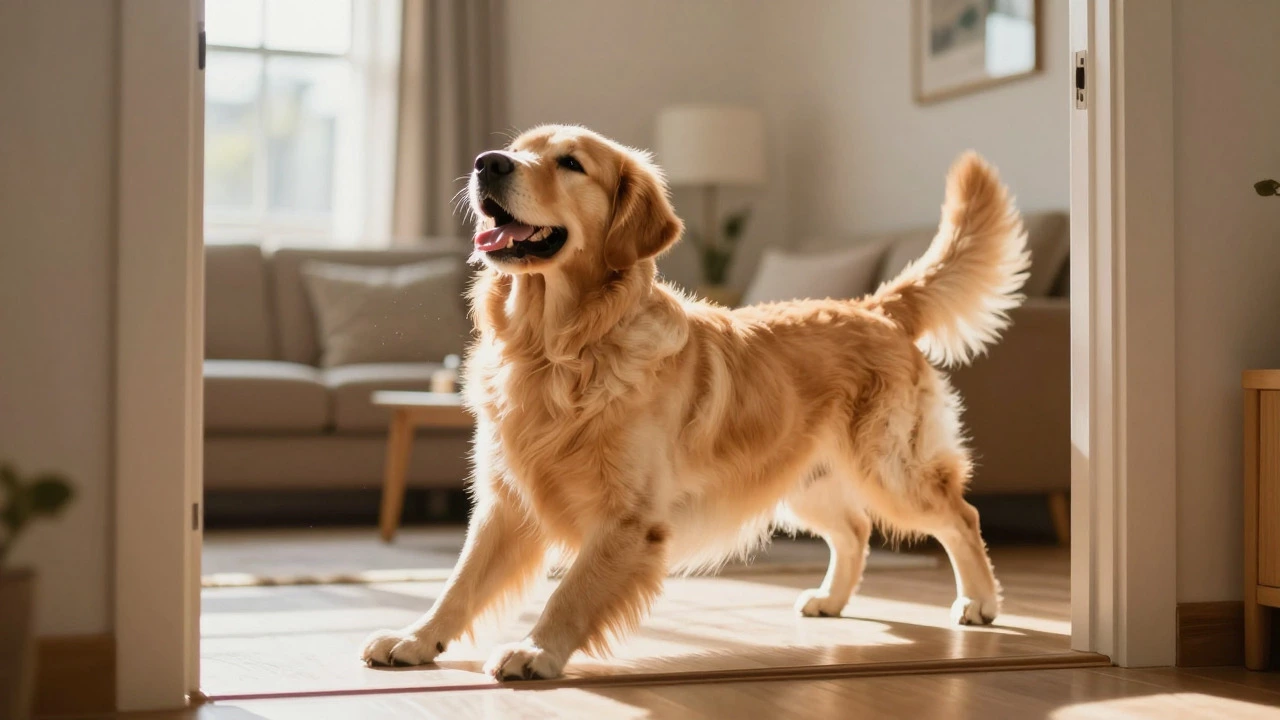
You walk through the door after a long day. Your dog rushes over, tail wagging, and then-poof-they drop into a dramatic stretch. Front legs forward, back end up in the air, maybe even a yawn thrown in for good measure. It’s cute, sure. But it’s also confusing. Are they saying hello? Are they bored? Or are they trying to tell you something about their health?
If you’ve ever wondered why dogs stretch when they see you, you’re not alone. This behavior is one of the most common yet misunderstood signals in canine communication. While it often looks like a simple greeting, the truth is a mix of biology, emotion, and habit. And if you want your dog to stay happy and healthy, understanding this signal matters more than just knowing how cute it is.
The Biology Behind the Stretch
Stretching isn’t just a social gesture; it’s a physiological reset button. When a dog stretches, they are lengthening their muscles and increasing blood flow to tissues that may have been tight or inactive. Think of it like warming up before a workout, but for everyday life.
When your dog sees you, especially after a period of rest or separation, their heart rate spikes with excitement. Their muscles tense up in anticipation. The stretch helps release that sudden tension. It’s a way for their body to prepare for action-whether that action is playing fetch, going for a walk, or just cuddling on the couch.
This biological response is tied to the sympathetic nervous system, which controls the "fight or flight" response. Seeing you triggers a mild version of this system. The stretch acts as a counterbalance, helping regulate their energy levels so they don’t get too wound up too fast.
Social Signaling: More Than Just a Greeting
Dogs are pack animals. In the wild, wolves use specific body postures to communicate status, intent, and emotion within the group. Domestic dogs still carry these instincts. Stretching upon seeing you can be a form of appeasement or submission. It says, "I’m friendly, I’m relaxed, and I trust you."
However, context changes everything. If your dog stretches while looking directly at you with soft eyes, it’s likely a sign of affection and comfort. But if they stretch while avoiding eye contact, tucking their tail, or showing other signs of stress, it might be a displacement behavior-a way to cope with anxiety or uncertainty.
Consider this scenario: You come home late at night. Your dog has been waiting all day. They greet you with a stretch, but their ears are pinned back. This isn’t just happiness; it’s relief mixed with residual stress from being alone. Recognizing these nuances helps you respond appropriately-maybe with a calm voice and gentle petting rather than high-energy play.
The Role of Comfort and Rest
Here’s where things get interesting for anyone who cares about Dog Beds is specialized furniture designed to provide comfort, support, and warmth for dogs during rest periods.. A dog’s stretching behavior is closely linked to how well they sleep and rest throughout the day.
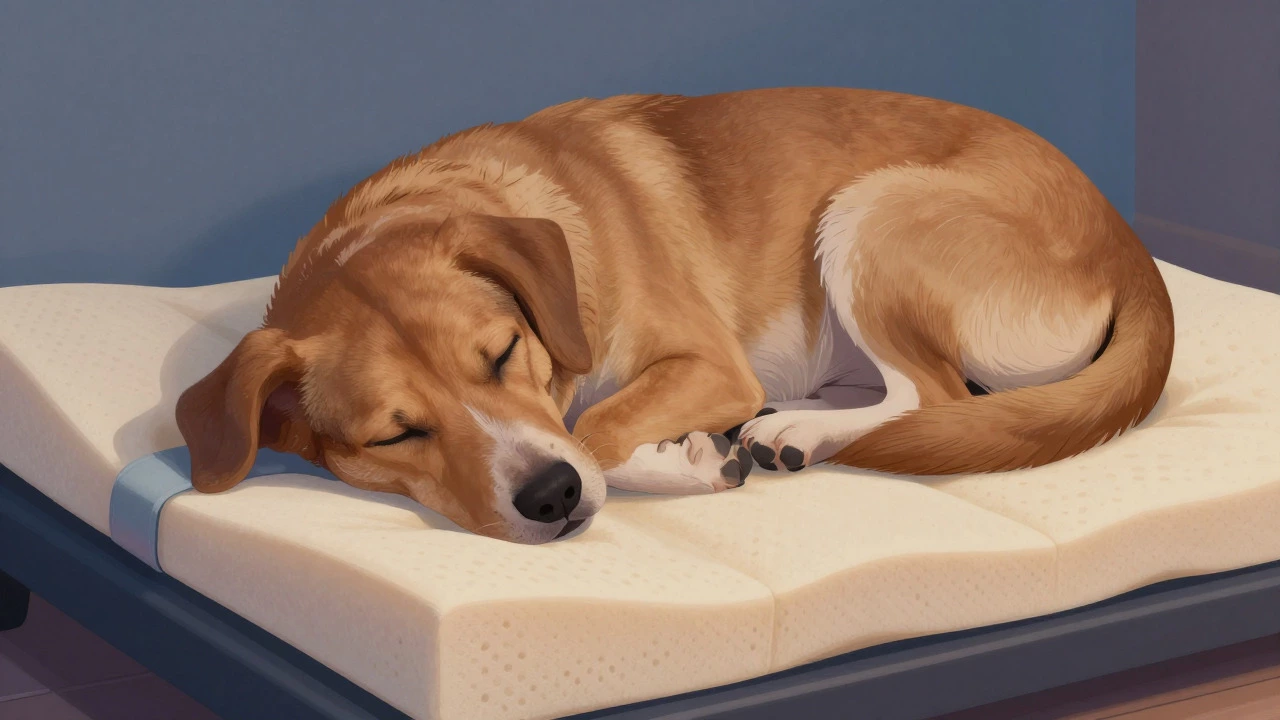
If your dog sleeps on a hard floor or an unsupportive mattress, their muscles stay tense. When they finally stand up to greet you, that accumulated stiffness needs to be released. The result? A more intense, frequent, or prolonged stretch. Conversely, a dog resting on a high-quality orthopedic bed experiences less muscle strain. Their stretches become shorter and less frequent because their body is already in a state of relaxation.
This connection between bedding and behavior is often overlooked. Many owners assume stretching is purely emotional. But physical comfort plays a huge role. If your dog seems to stretch excessively every time you enter the room, check their sleeping environment. Is their bed old? Does it sag? Is it the right size for their breed?
Investing in proper support isn’t just about luxury; it’s about preventing chronic issues like arthritis or joint pain, which can cause discomfort-driven stretching later in life.
Emotional Triggers and Routine
Dogs thrive on routine. They learn to associate certain cues with specific outcomes. If you always come home and immediately engage in playtime, your dog learns that seeing you equals activity. The stretch becomes part of the pre-play ritual. It’s a conditioned response, much like Pavlov’s dogs salivating at the sound of a bell.
But emotions run deeper than habits. For many dogs, the owner represents safety and security. After a long absence, the reunion brings a flood of oxytocin-the "love hormone." This chemical surge promotes bonding and reduces stress. The stretch is a physical manifestation of that emotional release. It’s their way of letting go of the worry of your absence and embracing the joy of your return.
Think about your own reactions. When you meet a close friend after a long time, do you feel a sudden rush of energy? Do you need to move around to process those feelings? Dogs experience similar emotional surges, but they express them physically through movement like stretching.
Health Red Flags: When Stretching Isn’t Normal
While occasional stretching is normal, excessive or abnormal stretching can signal underlying health problems. Pay attention to the frequency, intensity, and accompanying behaviors.
- Pain-related stretching: If your dog stretches awkwardly, limps afterward, or avoids putting weight on certain limbs, they might be experiencing joint pain or injury.
- Neurological issues: Repetitive, uncontrolled stretching without apparent cause could indicate nerve damage or seizures.
- Anxiety disorders: Constant pacing followed by stretching, especially when you leave or return, may point to separation anxiety.
If you notice any of these signs, consult a veterinarian. Early detection of conditions like hip dysplasia or intervertebral disc disease can make a massive difference in treatment outcomes. Don’t dismiss unusual stretching as just "quirky behavior." Your dog can’t talk, so their body language is their primary tool for communicating distress.
How to Respond to Your Dog’s Stretch
Your reaction shapes your dog’s future behavior. If you reward the stretch with treats, praise, or immediate attention, you reinforce it. That’s fine if the stretch is a positive greeting. But if it’s driven by anxiety, reinforcing it might worsen the problem.
Instead, observe the full context. Look at their ears, tail, and overall posture. Are they relaxed? Excited? Stressed? Match your energy to theirs. If they’re calm, respond calmly. If they’re excited, channel that energy into a structured activity like a short walk or training session.
Avoid ignoring the stretch entirely unless it’s part of a compulsive loop. Dogs crave interaction. Acknowledging their effort to connect strengthens your bond. Even a simple nod or soft word can validate their feelings without overstimulating them.
Improving Sleep Quality to Reduce Excessive Stretching
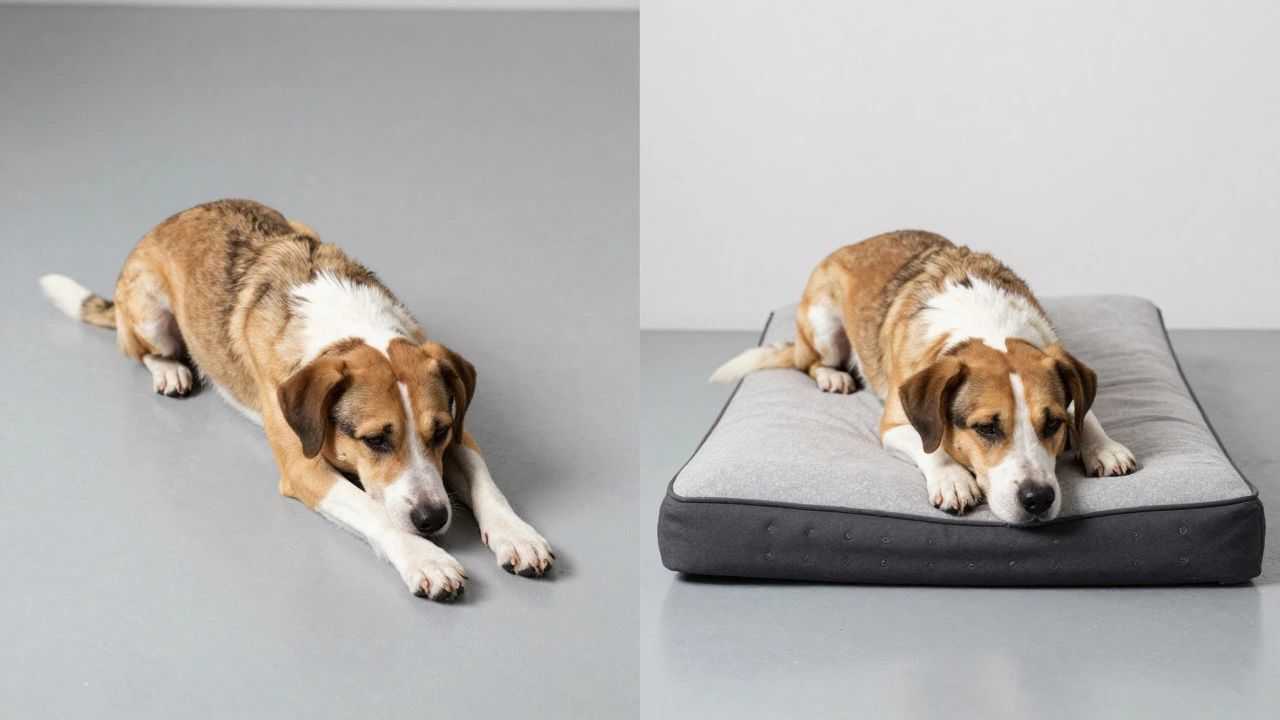
Since poor sleep contributes to stiff muscles and frequent stretching, optimizing your dog’s rest environment is crucial. Here’s what to look for in a supportive setup:
| Factor | Impact on Stretching | Recommendation |
|---|---|---|
| Bed Firmness | Too soft = poor support; Too hard = pressure points | Choose medium-firm orthopedic foam |
| Bed Size | Too small = cramped position; Too large = lack of security | Allow space to sprawl fully |
| Location | Noisy areas = disrupted sleep | Place in quiet, dark corner |
| Material | Cold surfaces = muscle tension | Use insulated, breathable fabrics |
By addressing these factors, you reduce the physical need for extensive stretching upon waking. Your dog will start each interaction feeling looser and more comfortable, leading to healthier, more balanced greetings.
Training Tips for Balanced Greetings
If your dog’s stretching has turned into a chaotic welcome committee event, you can train a calmer alternative. Start by teaching a "place" command. Have your dog go to their bed and stay there until you greet them calmly. Reward quiet behavior instead of frantic movement.
Consistency is key. Everyone in the household should follow the same protocol. Over time, your dog learns that calmness gets better results than hyperactivity. This doesn’t suppress their natural instincts; it channels them constructively.
Remember, stretching itself isn’t bad. It’s a natural, healthy behavior. The goal isn’t to eliminate it but to ensure it happens in a controlled, low-stress manner. By combining environmental improvements with behavioral training, you create a harmonious home where both you and your dog feel at ease.
Is stretching a sign of dominance in dogs?
No, stretching is generally not a sign of dominance. In fact, it’s often a submissive or appeasing gesture. Dominant dogs tend to hold their heads high, stare directly, and take up space. Stretching involves lowering the front body, which signals non-threat and relaxation.
Why does my dog stretch only when I come home?
Your arrival triggers a surge of excitement and relief. The stretch helps release the tension built up during your absence. It’s a physiological response to the sudden change in emotional state, combined with a social signal of recognition and bonding.
Can poor diet affect how much my dog stretches?
Yes, indirectly. A deficient diet lacking in essential nutrients like omega-3 fatty acids or magnesium can lead to muscle cramps or stiffness. This increases the need for stretching to relieve discomfort. Ensure your dog eats a balanced, high-quality food appropriate for their age and activity level.
Should I stop my dog from stretching?
No, never stop your dog from stretching unless it’s clearly painful or compulsive. Stretching is a natural, beneficial behavior that maintains flexibility and circulation. Instead, focus on creating an environment where they feel safe and comfortable enough to stretch freely without anxiety.
Does breed influence stretching behavior?
Some breeds are more prone to expressive stretching due to their energy levels and history. Herding dogs like Border Collies may stretch frequently as part of their alertness. Larger breeds like Great Danes might stretch more visibly due to their size. However, the core reasons-excitement, relaxation, and physiology-apply across all breeds.