Dog Travel Planner & Risk Checker
Plan your road trip smarter. Select your destination and your dog's profile to identify potential legal or environmental hurdles.
Ever packed the car for a road trip, only to realize your favorite hotel chain suddenly doesn't want your pup? It’s frustrating. But here’s the kicker: some states are significantly harder to navigate with a dog than others. It’s not just about hotels saying "no." It’s about breed-specific legislation (BSL), strict leash laws, and limited public access that can turn a fun vacation into a logistical nightmare.
If you’re planning a holiday with your four-legged co-pilot, knowing where the friction points are saves you stress. While no state is entirely "anti-dog," certain jurisdictions have regulations or cultural norms that make life tougher for pet owners. Let’s break down which states tend to be less welcoming and why, so you can plan smarter.
The Real Reasons Some States Rank Lower
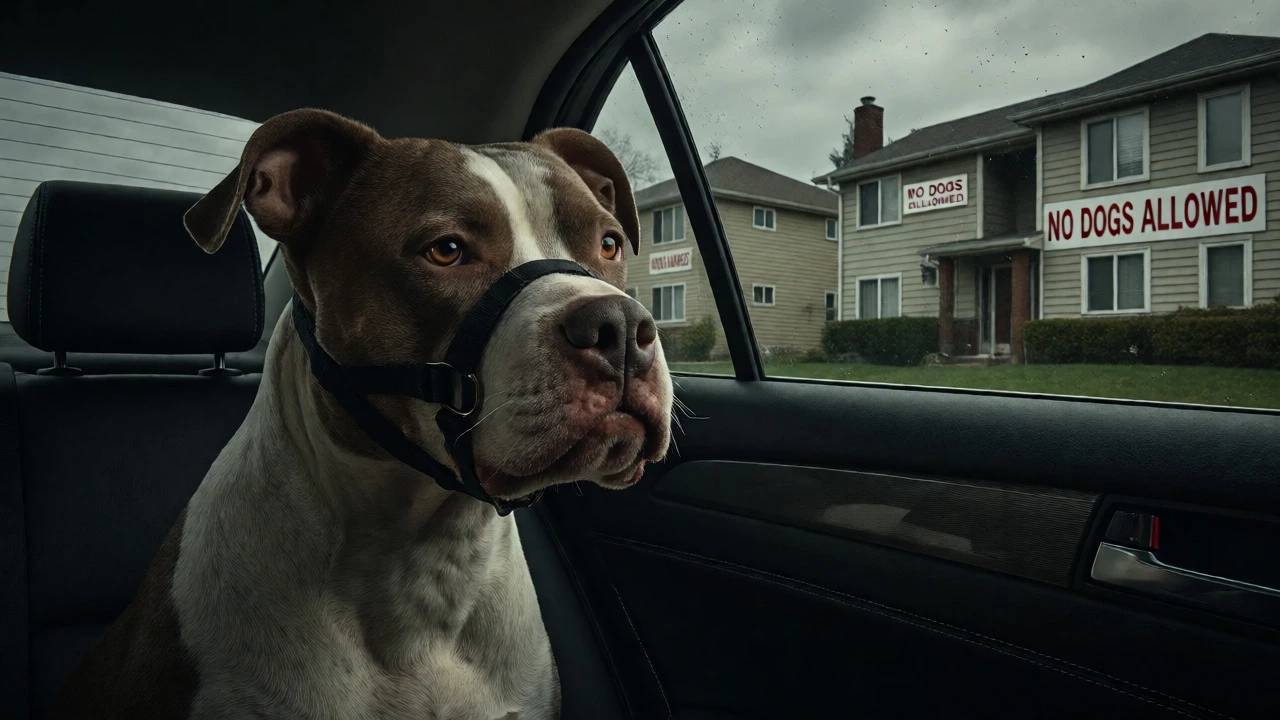
When we talk about "dog friendliness," it’s rarely one single law. It’s a mix of factors. The biggest culprit? Breed-Specific Legislation (BSL) is a type of local ordinance that restricts or bans ownership of specific dog breeds based on their appearance rather than behavior. In places like parts of Ohio, Michigan, and Florida, if you own a Pit Bull or a Rottweiler, you might face fines, mandatory muzzling in public, or even outright bans in certain municipalities.
Another major factor is access to public spaces. In highly urbanized states like New York or California, while there are many dog parks, the sheer density of people and strict enforcement of "no dogs on beaches" or "no dogs in subway cars" rules can feel restrictive. Conversely, rural states might lack infrastructure-like vet clinics or pet-friendly gas stations-making long drives risky.
Then there’s the climate. Extreme heat in Arizona or Nevada means midday walks are off-limits, limiting when you can actually enjoy time outside with your dog. Cold weather in Minnesota or Maine requires heavy gear and limits outdoor activity windows. These environmental constraints indirectly affect how "friendly" a state feels for active dog owners.
States With Strict Breed Restrictions
If you own a breed often labeled as "dangerous," your travel map shrinks fast. This isn’t just about big cities; small towns enforce these rules too.
| State | Primary Restriction Type | Commonly Affected Breeds |
|---|---|---|
| Ohio | Statewide BSL framework | Pit Bulls, Rottweilers |
| Florida | Municipal bans & insurance mandates | Pit Bulls, Dobermans |
| Michigan | Local ordinances in Detroit suburbs | Pit Bulls, German Shepherds |
| Colorado | Denver metro area restrictions | Pit Bulls |
| Texas | City-level bans (e.g., Dallas, Austin areas) | Pit Bulls, Rottweilers |
Ohio stands out because it has a statewide framework that allows local governments to declare certain breeds "vicious." If you’re driving through Cleveland or Cincinnati, check local city codes before stopping overnight. Florida is tricky because while the state banned new municipal BSLs in 2019, existing bans remain in place. So, an old ban in Miami-Dade County still applies to dogs already registered there, but it’s a minefield for visitors who don’t know the history.
Colorado’s Denver area is notorious for its Pit Bull ban, which survived legal challenges for years. Even if you’re just passing through, keeping your dog leashed and under control is critical. Local animal control officers are proactive, and fines add up quickly.
Urban Density vs. Rural Gaps
New York State presents a paradox. NYC itself is incredibly dog-friendly with tons of parks and pet cafes. But drive two hours north into rural counties, and options dry up. Many motels and bed-and-breakfasts in upstate regions explicitly exclude pets due to liability concerns or allergies. Plus, hiking trails in state parks often prohibit dogs during peak seasons to protect wildlife.
California gets high marks for overall pet culture, but the cost of living and strict housing laws impact travelers. Renting a short-term stay (like Airbnb) comes with hefty cleaning fees for pets, sometimes $150-$300 per night. And while beaches are iconic, most popular ones (Santa Monica, Huntington) ban dogs year-round or during summer months. You end up driving 45 minutes to find a designated dog beach, eating into your vacation time.
In contrast, states like Texas offer vast open spaces but suffer from inconsistent enforcement. One town might allow dogs off-leash in parks; the next town over might require them to be kenneled at all times. This unpredictability makes planning difficult. Always call ahead. Don’t rely on online listings alone-they’re often outdated.
Climate Constraints That Limit Fun
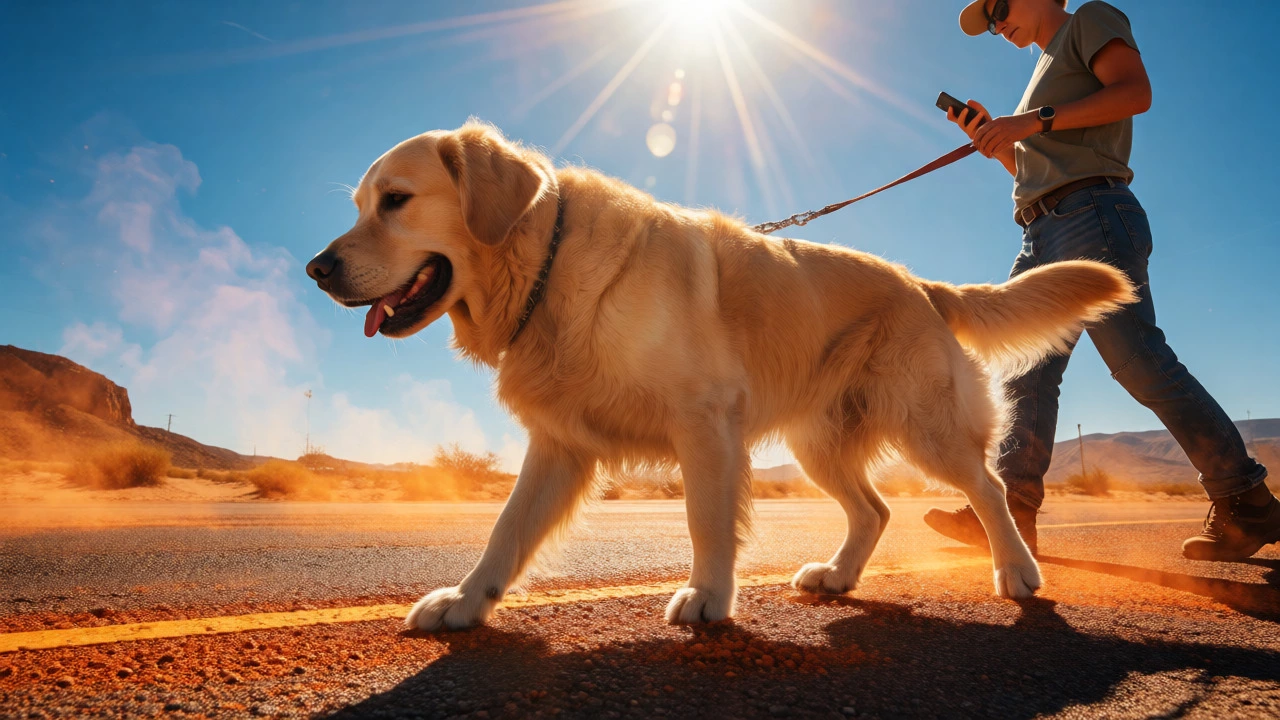
Arizona and Nevada aren’t hostile to dogs culturally, but the environment is harsh. Summer temperatures regularly exceed 110°F (43°C). Walking a dog at noon is dangerous. Pavement burns paw pads in seconds. Most tourist attractions close early or operate indoors. This limits what you can do together outdoors. You’re stuck in air-conditioned rooms or hotels, which defeats the purpose of a nature-focused trip.
Alaska and Maine have the opposite problem. Winter months bring deep snow and sub-zero temps. While Huskies thrive, smaller breeds or short-haired dogs struggle. Trails become inaccessible, and many national park services limit access in winter. If you’re visiting in January, expect indoor-only activities unless you’re prepared with expensive gear.
How to Check Before You Go
Don’t guess. Verify. Here’s a quick checklist to avoid surprises:
- Check Municipal Codes: Search "[City Name] + breed ban" or "[City Name] + dog leash laws." City websites usually have PDFs of local ordinances.
- Read Hotel Fine Print: Look for weight limits (often 25-50 lbs), breed exclusions, and extra fees. Call the front desk directly to confirm.
- Review Park Rules: National and state parks vary wildly. Yellowstone allows dogs on roads but not trails. Zion bans them almost entirely except in paved areas.
- Find Emergency Vets: Map out 24-hour clinics along your route. In remote areas, the nearest vet could be 50+ miles away.
Use resources like BringFido or AllTrips.com for real-time user reviews. They often flag recent changes in policy that official sites miss. For example, a hotel might have recently started charging for pets despite listing them as free online.
The Bright Side: Where Dogs Rule
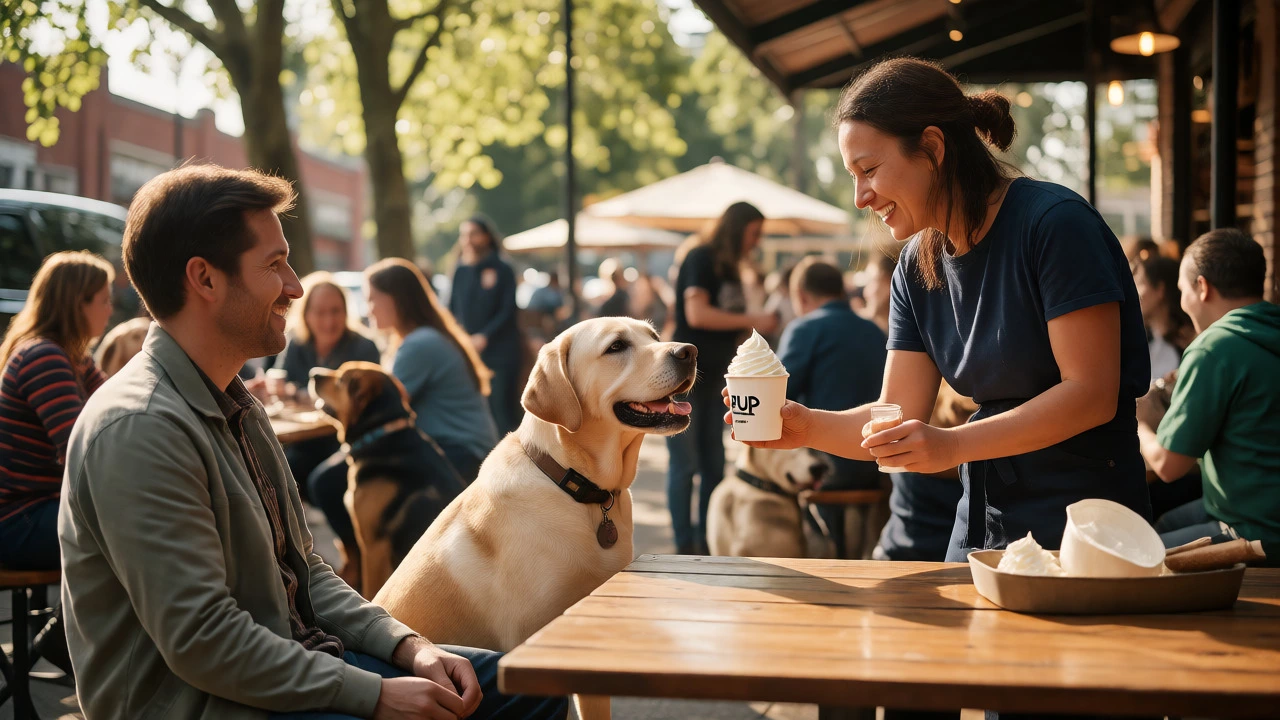
Not everywhere is tough. Oregon, Washington, and Colorado (outside Denver proper) consistently rank among the most dog-friendly states. Portland, OR, is famous for allowing dogs in breweries, restaurants, and even some retail stores. Seattle has extensive off-leash zones. Vermont offers scenic hikes where dogs are welcome year-round.
These states invest in infrastructure: dog waste stations in every park, clear signage, and community events centered around pets. When you visit these places, you’ll notice the difference immediately. Staff greet your dog by name. Menus include "pup cups." It’s worth the detour if you can swing it.
Frequently Asked Questions
Are Pit Bulls banned nationwide?
No, there is no federal ban on Pit Bulls in the United States. However, numerous cities and municipalities across states like Ohio, Florida, Colorado, and Texas have enacted local breed-specific legislation (BSL) that restricts or bans them. Always check local city ordinances before traveling.
Can I take my dog on Amtrak trains?
Amtrak allows small cats and dogs (combined weight under 20 lbs) on most routes for trips under seven hours. Your pet must remain in a carrier under the seat. Note that this service is suspended on certain routes, such as those involving long distances or specific regional lines, so verify availability for your specific itinerary.
Do all national parks allow dogs?
Most national parks allow dogs, but with strict limitations. Typically, dogs must be leashed (6 feet max) and restricted to developed areas, campgrounds, and paved roads. They are often prohibited from hiking trails, backcountry areas, and inside visitor centers. Exceptions exist, like Acadia National Park, which allows dogs on many trails.
What is the safest way to transport a dog in a car?
The safest method is using a crash-tested crate secured with a seatbelt or a certified harness attached to the vehicle’s LATCH system. Loose dogs become projectiles in accidents. Several states, including Connecticut, Maine, and New Jersey, have laws requiring restraint for distracted driving reasons, though enforcement varies.
Are service animals exempt from breed bans?
Under the Americans with Disabilities Act (ADA), service animals cannot be denied entry to public accommodations based on breed. However, private businesses may still charge fees for emotional support animals (ESAs) since ESAs are not protected under ADA public access rules. Always carry documentation if possible.
Next Steps for Your Trip
Ready to hit the road? Start by mapping your route through states known for lenient laws. Avoid major metropolitan areas with strict BSL if you have a restricted breed. Book accommodations that explicitly advertise "pet-friendly" rather than assuming "pets allowed" means no restrictions. Pack a digital folder with your dog’s vaccination records, license, and proof of rabies shot-many states require these upon request.
If you’re unsure about a specific location, post in local Facebook groups for expats or locals. Ask, "Is [City] okay for a [Breed]?" Locals will give you the real scoop, not just the legal text. Travel smart, keep your dog safe, and enjoy the journey.