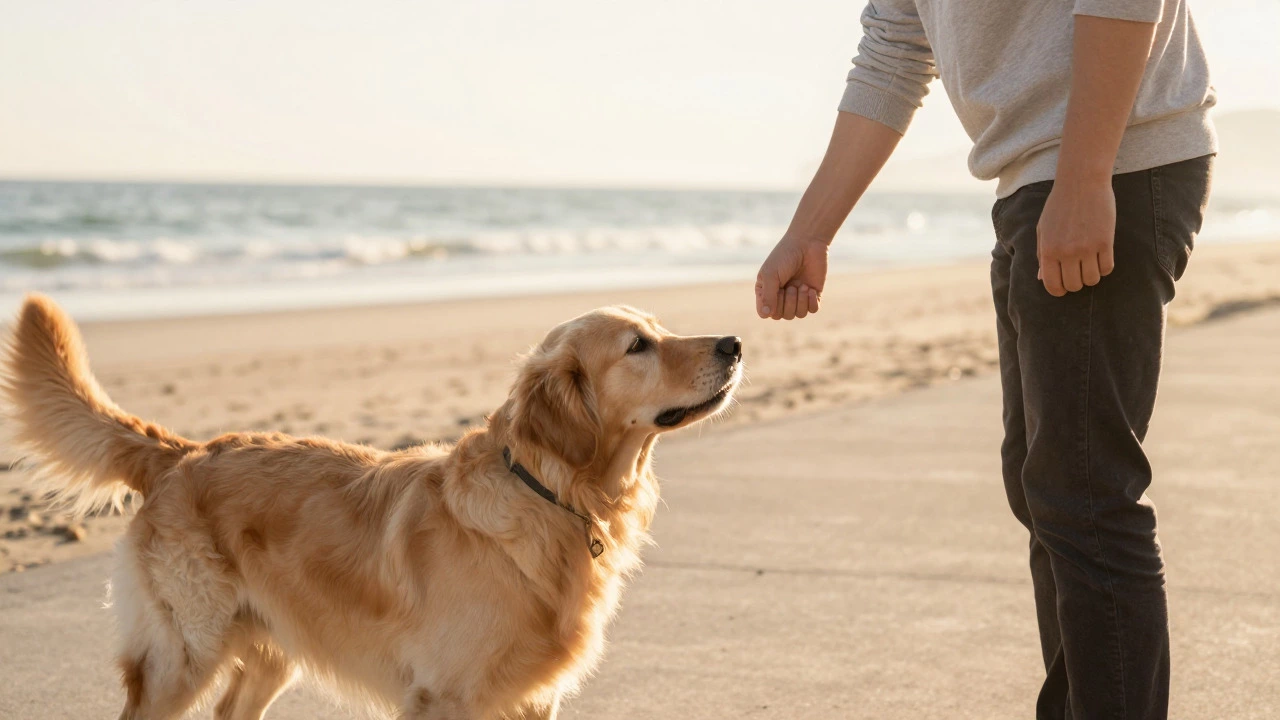
Interactive Dog Safety Map
Instructions: Click on different body parts to discover safe and risky petting zones.
Explore the Dog's Body
Click on any body part or zone to learn about safe petting practices and understand why certain areas should be avoided when meeting unfamiliar dogs.
Quick Approach Guide
Picture this: You are on vacation, maybe hiking in the mountains or relaxing at a beachside cafe. A friendly-looking golden retriever trots up, tail wagging, eyes bright. Your instinct is to reach out and give that sweet pup some love. But wait. That split-second decision to touch a strange animal can sometimes go wrong. Understanding where not to pet a dog isn't just about avoiding an embarrassing snap; it is about respecting the animal's boundaries and keeping everyone safe.
Dogs communicate primarily through body language, not words. When we ignore those signals, we often invade their personal space. For travelers and pet owners alike, knowing the "no-go zones" on a dog's body can prevent accidents and build better relationships with animals. Let’s break down the specific areas you should avoid touching, why dogs react negatively to them, and how to read the signs before you even extend your hand.
The Sensitive Zones: Where Hands Should Stay Away
Not all parts of a dog are created equal when it comes to human interaction. Some areas are naturally sensitive, while others trigger defensive instincts. Knowing these spots helps you interact confidently without triggering fear or aggression.
| Body Part | Why It’s Risky | Safe Alternative |
|---|---|---|
| Head and Face | Looming overhead feels threatening; restricts escape routes. | Pet the chest or side instead. |
| Tail | Highly sensitive nerve endings; quick reflexes cause snapping. | Avoid touching unless the dog initiates contact. |
| Paws and Legs | Used for flight/fight; touching triggers withdrawal or defense. | Let the dog sniff your hand first. |
| Food Bowl | Triggers resource guarding instincts. | Keep distance until eating is finished. |
The head is the most common mistake people make. We are taught from childhood to pat dogs on the head, but for many dogs, a large hand coming down from above looks like a predator strike. This is especially true for shy or anxious dogs. Instead, try reaching toward the chest or the base of the neck. These areas allow the dog to see your approach and feel less trapped.
Tails are another major pitfall. Many people assume a wagging tail means happiness, but a stiff, high wag can signal agitation. The tail contains numerous nerve endings and is incredibly sensitive. Pulling or grabbing a tail-even playfully-can cause pain and lead to a bite response as the dog tries to protect its balance and dignity.
Reading Body Language Before You Touch
Before you decide where to pet, you need to know if the dog wants to be petted at all. Dogs send clear signals long before they snap or growl. If you miss these cues, you might interpret a warning as friendliness.
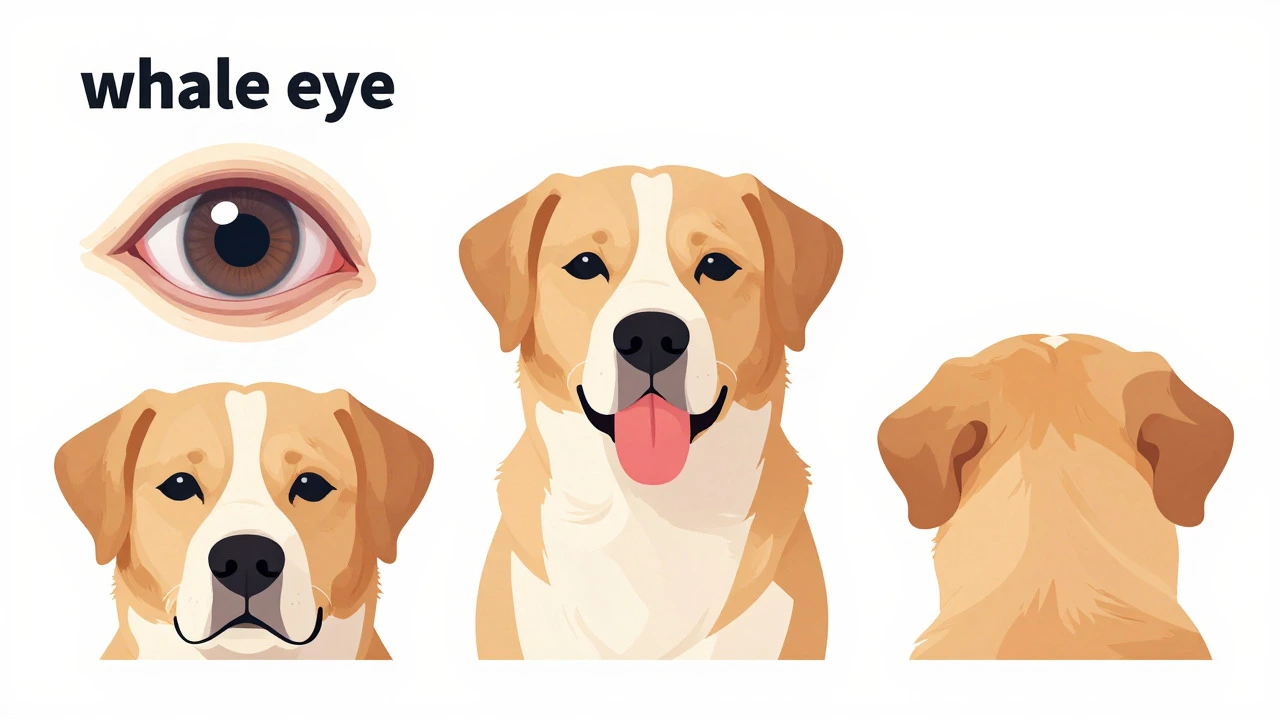
- The Whale Eye: If you see the whites of the dog's eyes (the sclera), they are stressed. They are watching you closely because they feel threatened.
- Lip Licking: A quick lick of the lips when no food is present is a calming signal. It means, "I am nervous, please back off."
- Yawning: Similar to lip licking, yawning in a non-sleepy context indicates stress or appeasement.
- Stiff Body: A relaxed dog moves fluidly. A tense dog stands rigid, muscles locked, ready to bolt or fight.
- Ears Pinned Back: While this can mean submission in some breeds, combined with a low tail, it often signals fear or discomfort.
If you see any of these signs, do not pet the dog. Give them space. Let them come to you. A dog that approaches you, sniffs your hand, and wags loosely is inviting interaction. A dog that freezes, turns away, or shows teeth is saying, "Please stop."
Travel-Specific Scenarios: Beaches, Parks, and Cafes
When traveling with pets, the environment changes the rules. In Auckland, New Zealand, where I live, we have strict biosecurity laws and a culture of responsible pet ownership. But even in dog-friendly destinations, certain contexts require extra caution.
At the Beach: Sand and water change a dog's comfort level. Wet fur smells different, and sand between toes can be irritating. Avoid petting a dog that is shaking off water or digging aggressively. Also, never approach a dog lying near its owner's towel or gear-it may view that area as its territory.
In Public Parks: Parks are social hubs. Dogs here are often tired from running or overstimulated by other dogs. A dog resting under a tree is trying to decompress. Reaching out to pet a resting dog interrupts their recovery. Ask the owner first, and let the dog decide whether to engage.
In Cafes and Shops: Service animals and well-behaved companion dogs often sit quietly. Do not distract a working dog. Even if a dog looks friendly, it may be trained to ignore distractions. Petting can break their focus and create liability issues for the owner.
How to Approach a Dog Safely
If you want to meet a new dog, follow this simple protocol to minimize risk and maximize positive interactions.
- Ask Permission: Always ask the owner, "Is your dog friendly?" or "Can I say hi?" Owners know their dog's triggers best.
- Stand Still: Do not loom over the dog. Stand sideways to appear less threatening. Keep your hands at waist level.
- Offer a Closed Fist: Extend a closed fist for the dog to sniff. This protects your fingers and allows the dog to gather information safely.
- Wait for Invitation: If the dog sniffs and then nudges your hand or leans in, you can gently scratch behind the ears or on the chest.
- Keep It Short: Two to three seconds of petting is enough for a first meeting. Over-petting can overwhelm even friendly dogs.
This method works because it gives the dog control. They choose whether to engage, which reduces anxiety and builds trust. It also protects you from unexpected reactions.
Special Cases: Puppies, Senior Dogs, and Rescue Animals
Not all dogs respond the same way. Age and background significantly impact how a dog perceives touch.
Puppies: Young dogs are curious but easily startled. Their bodies are fragile, and rough handling can cause injury or fear. Always support their belly when picking them up, and avoid sudden movements. Puppies also learn social cues from adults; if an adult dog growls at a child approaching, listen to that warning.
Senior Dogs: Older dogs may have arthritis or pain in their joints. Petting their spine or hips might hurt them. Stick to soft areas like the cheeks or chest. Also, senior dogs may have diminished hearing or vision, so announce your presence verbally before reaching out.
Rescue Dogs: Dogs from shelters may have unknown histories of abuse or neglect. They might flinch at raised hands or freeze when approached. Patience is key. Let them set the pace. Never force interaction. A rescue dog that chooses to lean against your leg is giving you a huge compliment-don’t ruin it by overwhelming them.
Common Misconceptions About Dog Behavior
Many myths persist about how dogs think and feel. Debunking these helps us interact more respectfully.
Myth: Tail Wagging Means Happy. Reality: Tail position and speed matter more than movement. A slow, low wag can indicate uncertainty. A fast, high wag can signal excitement or aggression. Context is everything.
Myth: Dominance Requires Alpha Treatment. Reality: Modern science shows dogs don't view humans as pack leaders in the wolf sense. They respond to consistency and kindness, not force. Rolling a dog onto its back to assert dominance is outdated and stressful for the animal.
Myth: Growling Is Aggression. Reality: Growling is communication. It’s a warning. If you punish a dog for growling, they may skip the warning next time and go straight to biting. Respect the growl as a polite request for space.
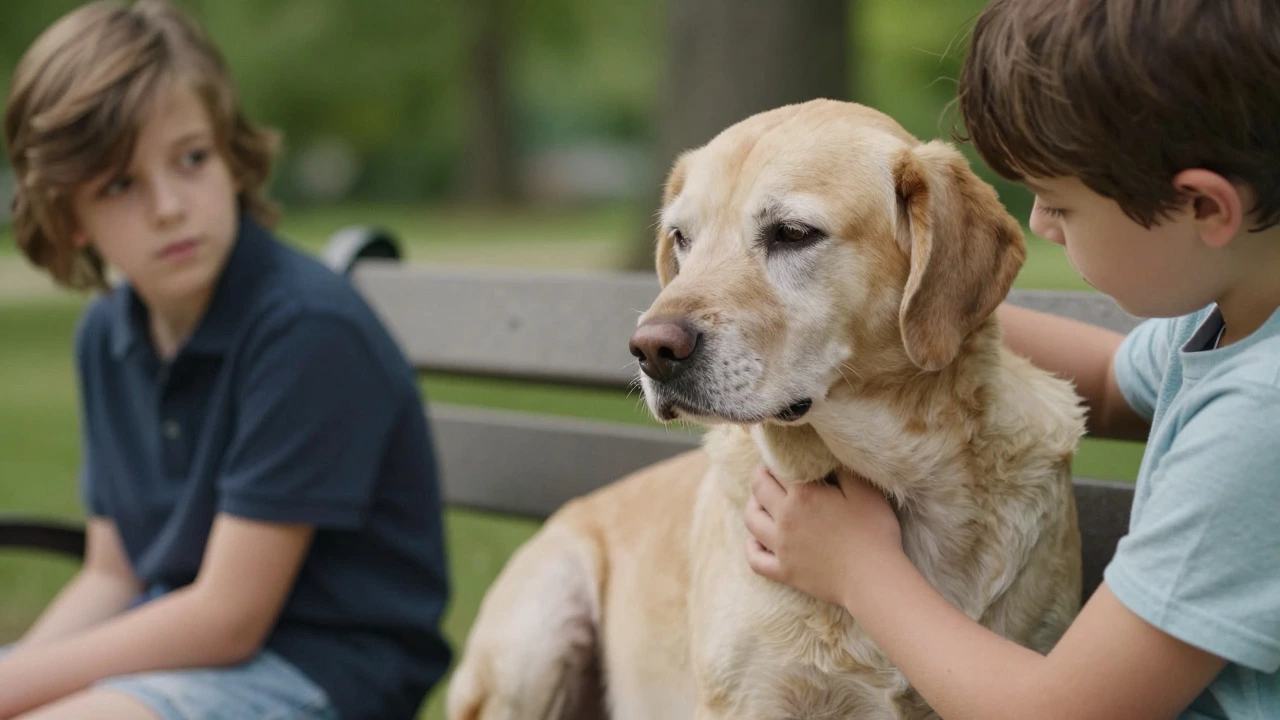
Teaching Children How to Interact With Dogs
Kids often lack the awareness to read subtle body language. Teaching them early prevents accidents and fosters empathy.
- The Three-Second Rule: Teach kids to pet gently for only three seconds, then stop. This prevents overstimulation.
- No Hugging: Hugs restrain dogs and make many feel trapped. Encourage side-hugs or gentle scratches instead.
- Quiet Voices: Loud noises startle dogs. Speak softly and calmly.
- Ask First: Reinforce asking the owner before approaching any dog.
Role-playing at home can help. Use stuffed animals to practice gentle touches and reading imaginary body language. Make it a game, and children will remember the lessons longer.
What to Do If a Dog Reacts Negatively
Even with perfect technique, things can go wrong. Here’s how to handle it calmly.
If a dog snaps or growls, freeze. Do not pull away quickly, as this can trigger a chase instinct. Slowly withdraw your hand and step back. Avoid eye contact, which can be seen as challenging. Speak in a calm, low voice. If the dog continues to escalate, leave the area immediately. Notify the owner so they can manage their dog.
If bitten, clean the wound thoroughly with soap and water, apply antiseptic, and seek medical attention if necessary. Report the incident to local authorities if required. Most importantly, don’t blame yourself. Dogs communicate, but humans aren’t always fluent in their language. Learning from the experience makes you a safer, more respectful companion for future encounters.
Building Trust Through Respectful Interaction
Ultimately, knowing where not to pet a dog is about respect. It’s about recognizing that dogs are individuals with preferences, fears, and boundaries. By paying attention to their signals and avoiding sensitive areas, you create positive associations. Over time, this builds trust-not just with one dog, but with the species as a whole.
Whether you’re traveling abroad or walking your neighborhood park, these principles apply everywhere. Start small. Observe more than you touch. And always prioritize the dog’s comfort over your desire to connect. The result? Happier dogs, safer humans, and more meaningful moments shared together.
Is it okay to pet a dog on the head?
It depends on the dog. Many dogs dislike having their heads touched because it feels threatening. Safer options include scratching behind the ears or on the chest. Always watch for signs of discomfort like lip licking or turning away.
Why do dogs hate having their tails pulled?
Tails are highly sensitive with many nerve endings. Pulling causes pain and disrupts balance. Dogs may snap reflexively to protect themselves. It’s best to avoid touching tails unless the dog initiates contact.
How can I tell if a dog wants to be petted?
Look for relaxed body language: loose wagging, soft eyes, and forward movement. If the dog approaches you, sniffs your hand, and stays close, they likely welcome interaction. Signs of reluctance include freezing, yawning, or showing teeth.
Should I hug my dog?
Most dogs find hugs restrictive and stressful. Instead, try leaning against them or offering gentle scratches on the chest or back. Watch for signs of relaxation like sighing or leaning into your touch.
What should I do if a dog growls at me?
Freeze and slowly back away. Avoid direct eye contact. Speak calmly. Growling is a warning, not an attack. Respecting the space usually de-escalates the situation. If the dog continues to escalate, leave the area.