
Dog Supplement Timing Advisor
Check Your Routine
Picture this: you’ve just bought a premium bottle of glucosamine or omega-3 fish oil because your dog’s hips are clicking a bit more than they used to. You pop the cap off, shake out a capsule, and toss it in their bowl. But wait-did you just waste your money? Or worse, did you upset their stomach?
The truth is, timing isn’t just about convenience; it’s about absorption. Many pet owners treat supplements like candy, giving them whenever they remember. But for nutrients to actually work, they need the right environment in your dog’s digestive system. Giving a fat-soluble vitamin on an empty stomach is like trying to start a car without gas-it just sits there doing nothing.
If you want those supplements to deliver real results for your pup’s joints, coat, or brain, you need to know when to give them. It’s not one-size-fits-all. Let’s break down the science of timing so you can stop guessing and start seeing benefits.
The Golden Rule: Food Is Your Friend
For the vast majority of supplements, the answer to "when" is simple: with food. Specifically, with a meal that contains some fat. Why? Because many essential nutrients are fat-soluble. This includes Vitamin A, D, E, K, and most importantly for dogs, Omega-3 fatty acids (EPA and DHA).
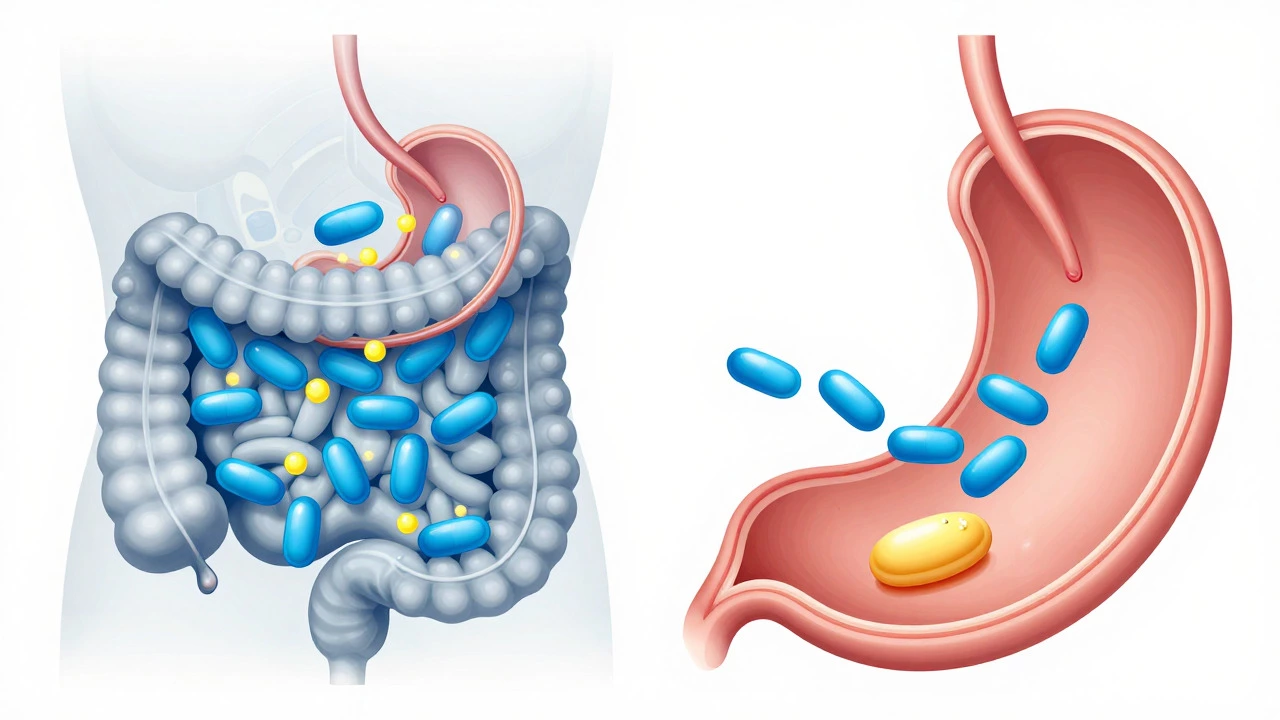
When these nutrients hit an empty stomach, they often pass through the system unabsorbed. Your body needs dietary fat to create bile acids, which act like detergents to break down these fats so your intestines can absorb them. If you give fish oil before breakfast, your dog might just poop it out hours later. You’re literally flushing money down the toilet.
Conversely, giving supplements with food also acts as a buffer. Some supplements, like probiotics or certain minerals, can cause mild nausea or gastric upset if taken alone. Mixing them into a kibble-heavy meal or a dollop of wet food ensures they stay down and get processed correctly.
- Fat-Soluble Vitamins & Oils: Always with the largest meal of the day.
- Probiotics: With food to protect beneficial bacteria from stomach acid.
- Joint Support (Glucosamine/Chondroitin): With meals to reduce potential stomach irritation.
Timing Specific Supplements for Maximum Absorption
While "with food" covers 80% of cases, some supplements have specific windows where they shine brightest. Ignoring these nuances can mean the difference between a shiny coat and a dull one, or steady energy and midday crashes.
| Supplement Type | Best Time to Administer | Why It Matters |
|---|---|---|
| Omega-3 Fish Oil | With the main meal | Requires dietary fat for absorption; reduces "fish burps" when mixed with food. |
| Probiotics | 15-30 mins before food or with food | Stomach acid kills good bacteria; food buffers acidity, allowing bacteria to reach the gut alive. |
| Calcium | Split doses with meals | Dogs can only absorb small amounts at once; splitting prevents constipation and maximizes uptake. |
| Melatonin | 30-60 mins before bedtime | Needs time to metabolize to induce calmness or sleep cycles. |
| Iron | On an empty stomach (if tolerated) | Food interferes with iron absorption, but check with a vet first as it causes vomiting in many dogs. |
Age Matters: Puppies vs. Senior Dogs
A puppy’s digestive system is still developing, while a senior dog’s metabolism is slowing down. The "when" changes based on life stage.
Puppies: Their stomachs are tiny and sensitive. Large doses of supplements can cause diarrhea easily. For puppies, split any recommended daily dose into two smaller servings given with breakfast and dinner. This keeps nutrient levels stable throughout the day without overwhelming their gut. Also, never give calcium supplements to growing large-breed puppies unless prescribed by a vet, as improper timing and dosage can lead to skeletal deformities.
Senior Dogs: Older dogs often suffer from reduced kidney function and slower digestion. Fat-soluble vitamins accumulate in the liver over time. For seniors, strict adherence to dosage and timing is crucial to prevent toxicity. If your senior dog has arthritis, consistency is key. Joint supplements like glucosamine don’t work instantly; they build up in the cartilage over weeks. Giving them at the same time every day ensures steady blood levels, which supports long-term joint repair rather than sporadic spikes.
Interactions: What Not to Mix
Just like human medications, dog supplements can interact with each other or with prescription drugs. Timing helps mitigate some risks, but awareness prevents others.
One major conflict involves Calcium and Iron. Calcium blocks iron absorption. If your dog is anemic and needs iron, do not give it at the same time as a calcium-rich meal or supplement. Space them out by at least two hours. Similarly, high doses of Zinc can interfere with Copper absorption. If you’re using a broad-spectrum multivitamin, check the label. You might be doubling up on certain minerals without realizing it.
If your dog is on thyroid medication (like Levothyroxine), mineral supplements containing iron, calcium, or aluminum must be given at least two hours apart. Otherwise, the supplement binds to the medication in the gut, rendering the drug ineffective. This is a common mistake that leads vets thinking the dosage needs increasing, when really, the timing was just off.
Morning vs. Night: Does It Make a Difference?
For most general health supplements, it doesn’t matter much whether you give them in the morning or at night, as long as it’s with food. However, behavioral supplements are different.
If you’re using CBD oil or calming herbs like chamomile or valerian root for anxiety, timing is strategic. Give these 30 to 60 minutes before a known stressor. That could be before a thunderstorm, a vet visit, or fireworks. If you’re using melatonin for sleep issues, give it close to bedtime. Giving it in the morning might make your dog groggy during their peak playtime.
Conversely, B-complex vitamins are involved in energy production. While rare in dogs to have "energy crashes," giving B-vitamins in the morning aligns with their natural circadian rhythm, supporting metabolic processes as they wake up and move around.

Signs You’re Getting the Timing Wrong
How do you know if your current routine is failing? Watch your dog’s body. They’ll tell you.
- Soft Stools or Diarrhea: Often a sign that a supplement is irritating the stomach lining due to lack of food buffering, or that the dose is too high for one sitting.
- Vomiting: Immediate regurgitation after taking a pill usually means the supplement itself is nauseating on an empty stomach.
- No Visible Results: If you’ve been giving fish oil for three months and their coat hasn’t improved, consider if you’re giving it with enough fat. If you’re giving joint support and they’re still stiff, check if you’re consistent. Inconsistency breaks the therapeutic cycle.
- Bad Breath or Burps: Fish oil given without enough food can lead to retrograde flow, causing unpleasant odors. Mixing it into wet food solves this.
Practical Tips for Consistent Administration
We all forget things. Life gets busy. Here’s how to make timing automatic so you don’t miss doses or double up.
The Treat Trick: Hide soft chews in a small piece of peanut butter (xylitol-free!) or cheese. This adds fat (good for absorption) and makes it a positive experience. Do this at the same mealtime every day. Routine breeds habit.
Pill Pockets: Commercial pill pockets are designed to mask taste and texture. Use them with the main meal. Don’t use them as a standalone snack, or you lose the absorption benefit.
Set a Phone Alarm: Sync your supplement schedule with your own coffee or lunch break. If you take your vitamins with breakfast, give your dog’s supplements then too. Human routines anchor pet routines.
Rotate Meals: If your dog eats twice a day, split multi-part supplements. Half with breakfast, half with dinner. This maintains steady nutrient levels and reduces the load on their digestive system at any one time.
When to Skip the Supplement Entirely
Sometimes, the best time to give a supplement is never. Before starting anything, ask yourself: is my dog’s diet complete? Most commercial kibbles and canned foods are formulated to meet AAFCO (Association of American Feed Control Officials) standards. Adding extra vitamins can throw off the balance, leading to deficiencies in other areas. For example, too much Vitamin D can lead to calcium buildup in soft tissues.
Consult your veterinarian before adding anything new. Blood tests can reveal true deficiencies. If your dog is low in Zinc, a targeted supplement timed correctly will help. If they’re already sufficient, you’re just adding unnecessary cost and potential strain on their liver and kidneys.
Can I give my dog supplements on an empty stomach?
Generally, no. Most supplements, especially fat-soluble ones like Omega-3s and vitamins A, D, E, and K, require dietary fat for proper absorption. Giving them on an empty stomach often leads to poor uptake and potential stomach upset. Exceptions include certain antibiotics or specific mineral treatments prescribed by a vet, but always follow professional advice.
How long does it take for dog supplements to work?
It depends on the type. Probiotics may show improvements in stool quality within days. Omega-3 fatty acids typically take 4-8 weeks to visibly improve coat shine and skin health. Joint supplements like glucosamine and chondroitin often require 4-12 weeks of consistent daily use to build up in the cartilage and reduce inflammation. Patience and consistency are key.
Is it safe to mix multiple supplements together?
It can be, but caution is needed. Mixing fat-soluble vitamins and oils is generally fine. However, mixing minerals like calcium and iron can block absorption. Always check labels for overlapping ingredients to avoid overdose. When in doubt, space different types of supplements apart by a few hours or consult your vet for a tailored protocol.
Should I give supplements to a healthy adult dog?
If your dog eats a balanced, complete commercial diet, they likely don’t need additional vitamins. Over-supplementation can lead to toxicities. Supplements are best reserved for specific needs: aging joints, dry skin, anxiety, or diagnosed deficiencies. For general health, focus on high-quality food and regular exercise instead.
What if my dog spits out the supplement?
Try hiding it in a strong-smelling food like wet cat food, tuna juice, or peanut butter. Ensure the food is small enough to swallow whole without chewing. If they consistently reject it, the taste might be too bitter. Switch to a flavored chew or liquid form. Never force-feed, as this can create negative associations with mealtime.