Barking Dog Solution Finder
Not sure why your dog is barking? Select the scenario that best matches your situation to get immediate, proven solutions.
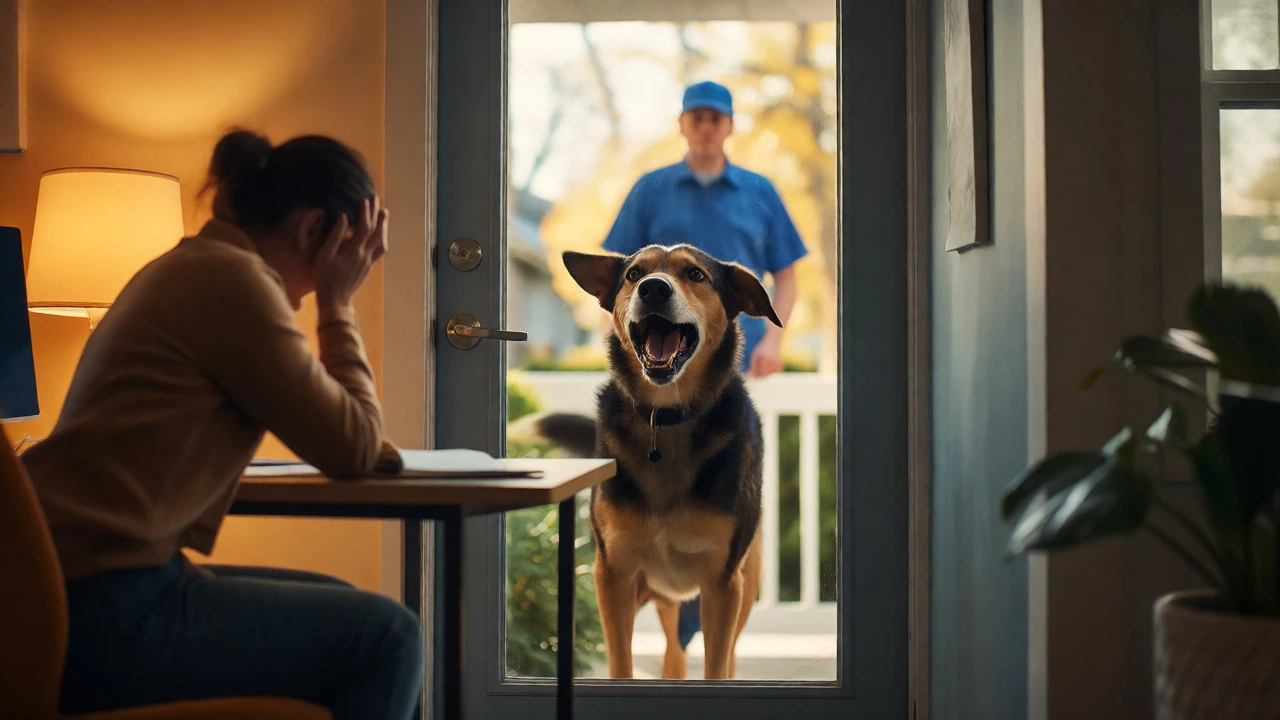
You’re trying to work from home, the neighbors are glaring over the fence, and your dog is treating the mail carrier like an invading army. It’s loud, it’s stressful, and frankly, you’re out of patience. The question on everyone’s mind when that noise starts isn’t "why"-it’s usually "what will actually make this stop right now?"
Here is the hard truth: there is no single magic button. What shuts up one dog might do absolutely nothing for another. Why? Because barking is communication, not just noise. Your dog is telling you something. To silence them effectively, you have to match the tool to the trigger. Are they bored? Anxious? Territorial? Or just stubborn?
Identify the Trigger Before You Buy Anything
Before you spend money on a gadget, watch your dog for two days. Note down exactly what happens before the bark. This diagnostic step saves you hundreds of dollars in useless products.
- Territorial: Barks at passersby through the window or fence. Solution: Visual barriers or positive reinforcement for calm behavior near windows.
- Alarm/Fear: Barks at sudden noises (thunder, fireworks). Solution: Desensitization or anxiety wraps, not punishment.
- Boredom/Energy: Barks while pacing or looking at you expectantly. Solution: Exercise first, then mental stimulation.
- Attention-Seeking: Barks directly at you until you look. Solution: Ignore completely, reward silence.
If you skip this step, you risk using a correction method on a fearful dog, which often makes the barking worse due to increased stress.
The Role of Dog Collars and Anti-Bark Devices
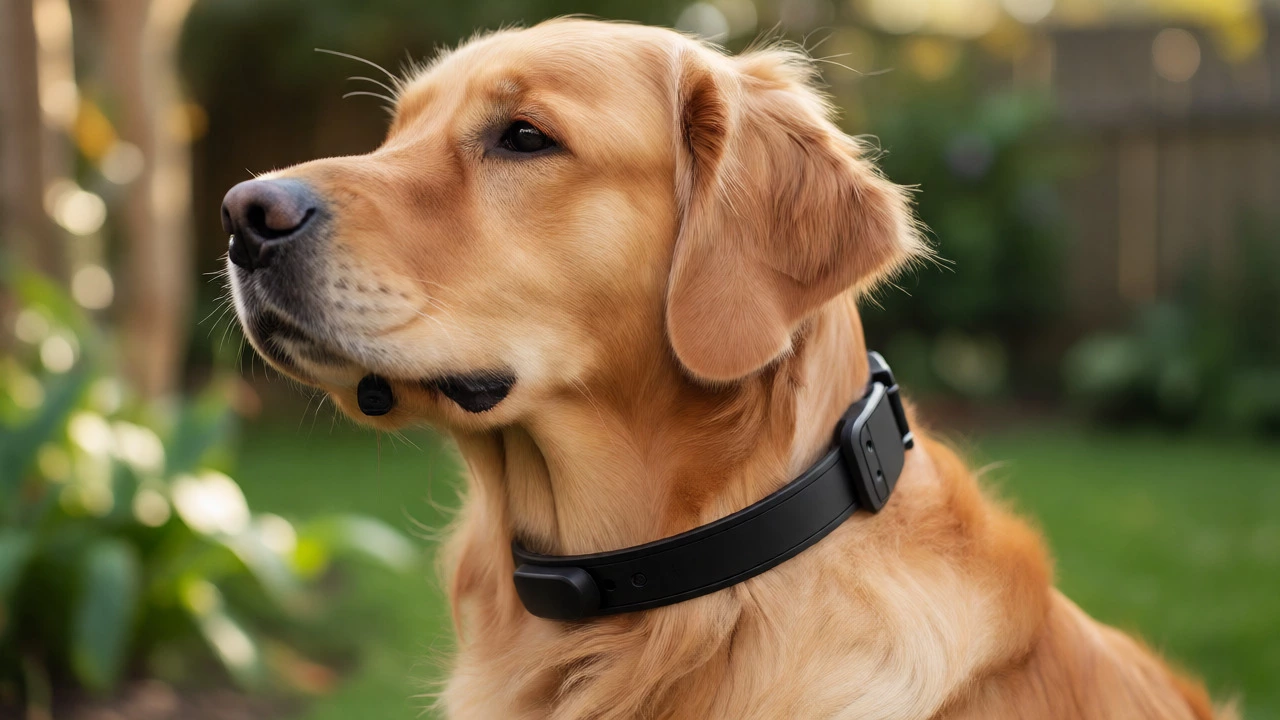
Since we are talking about solutions, let’s address the elephant in the room: anti-bark collars. These devices are popular because they offer immediate feedback, but they vary wildly in effectiveness and humane application. They aren’t all created equal.
Modern options have moved away from harsh shocks toward more subtle corrections. Here is how the main types stack up against each other:
| Type | Mechanism | Best For | Pros | Cons |
|---|---|---|---|---|
| Citronella Spray | Sprays scent when vibration detected | Dogs sensitive to smell/sound | Humane, effective deterrent | Refills needed, can be messy |
| Ultrasonic | Emits high-frequency sound | Puppies or small breeds | Inaudible to humans, gentle | Some dogs ignore it, range limits |
| Vibration | Gentle buzz upon barking | Hearing-impaired dogs | No pain, startles without fear | May not deter determined barkers |
| Static Shock | Low-level electric pulse | Stubborn/large breeds | Highly effective for strong wills | Risk of misuse, potential anxiety |
A crucial rule with collars: never leave them on for more than 12 hours a day. And always ensure the contact points touch the skin properly; too loose means no signal, too tight causes sores. If you use a static collar, start at the lowest level. Many owners mistakenly crank it up immediately, turning a training aid into a torture device.
Behavioral Training That Actually Works
Collars manage symptoms; training fixes the root cause. The most reliable method to shut up a barking dog is teaching them the "Quiet" command. This sounds simple, but execution is everything.
- Wait for the bark: Don’t yell "quiet" during the chaos. Wait for a natural pause in the barking.
- Mark the silence: The instant they stop, say "Yes!" or click a clicker.
- Reward heavily: Give a high-value treat (chicken, cheese) only if they remain silent for 3 seconds.
- Graduate duration: Slowly increase the time they must stay quiet before getting the treat.
This works because you are reinforcing the absence of noise, rather than punishing its presence. It takes patience-usually 2 to 4 weeks of consistent practice-but the results stick. Unlike a collar, which stops working once removed, the trained behavior stays with the dog.
Environmental Management: Removing the Stimulus
Sometimes, the easiest way to shut up a barking dog is to remove what they are seeing or hearing. If your dog barks at every squirrel outside, close the blinds. If they bark at street traffic, move their bed away from the window.
White noise machines or calming music specifically designed for dogs (like classical piano or reggae, which studies suggest lowers canine heart rates) can mask triggering sounds. In Auckland, where wind and rain can be unpredictable, indoor masking helps prevent weather-related alarm barking.
Another powerful tool is physical exercise. A tired dog is a quiet dog. Most nuisance barking stems from pent-up energy. Increase walk duration by 15 minutes or add a game of fetch before leaving them alone. If they are exhausted, they sleep instead of bark.

When to Seek Professional Help
If your dog barks compulsively, spins, drools, or seems unable to settle even after exercise and training, you might be dealing with separation anxiety or obsessive-compulsive disorder. No collar will fix clinical anxiety. In these cases, consult a certified veterinary behaviorist. They may recommend medication alongside behavioral modification.
Also, consider your breed. Some breeds, like Beagles, Huskies, and Terriers, were bred to vocalize. Expecting a Husky to be silent is like expecting a cat to swim-they physically can, but they really don’t want to. Adjust your expectations based on genetics.
Quick Checklist for Immediate Relief
- Check for physical needs: Thirsty? Need to pee? Hot?
- Remove visual triggers: Close curtains or block fence lines.
- Provide a distraction: A frozen Kong stuffed with peanut butter keeps mouths busy for 20+ minutes.
- Ignore attention-seeking barks: Turn your back completely.
- Test an anti-bark device: Try a citronella spray collar for mild cases.
Shutting up a barking dog isn’t about dominance; it’s about understanding. Start with observation, try environmental tweaks, use training for long-term change, and reserve collars for specific management needs. Consistency beats intensity every time.
Do anti-bark collars hurt dogs?
Modern anti-bark collars are designed to be startling rather than painful. Citronella and ultrasonic collars are generally considered humane. Static shock collars deliver a low-level sensation similar to a static cling from a carpet; however, they should be used correctly at the lowest effective setting to avoid causing anxiety or pain.
Why does my dog bark at night?
Night barking is often triggered by external stimuli like nocturnal animals (possums, cats), sirens, or shadows. It can also indicate boredom or separation anxiety if the dog sleeps alone. Using white noise or blocking views of the outdoors can help reduce nighttime triggers.
Can I use a bark collar on a puppy?
Most manufacturers recommend waiting until a puppy is at least six months old and weighs around 8-10 pounds before using any type of bark collar. Puppies have thinner skin and developing nerves, making them more sensitive to corrections. Always consult your vet before starting.
Will ignoring my dog stop the barking?
Yes, if the barking is attention-seeking. If you look at, talk to, or touch your dog while they are barking, you are rewarding the noise. Complete ignoring (no eye contact, no speech) teaches them that silence gets attention, while barking gets isolation.
How long does it take to train a dog to stop barking?
With consistent daily training, you may see improvements in 1-2 weeks. Full behavioral change typically takes 4-6 weeks. Long-term habits formed over years may take longer to break. Patience and consistency are key factors in success.