Dog Vitamin Safety Checker
Select a supplement below to see its risk level for dogs. Remember: Dogs are not small humans. Their metabolism processes nutrients differently.
You probably love your dog. You want them healthy, shiny-coated, and full of energy. So when you see a bottle of human multivitamins at the pharmacy, it feels like a bargain. Why buy expensive dog-specific pills when you can just pop half a human tablet into their food bowl? It seems logical. But here is the hard truth: that simple act can send your dog to the emergency vet with liver failure or kidney stones.
Dogs are not small humans. Their metabolism processes nutrients differently. What helps a human joint might poison a canine organ. The gap between "healthy" and "toxic" for dogs is often much narrower than we think. This guide breaks down exactly which vitamins pose risks, why they are dangerous, and how to keep your pup safe without guessing.
Why Human Vitamins Are Risky for Dogs
It comes down to dosage and formulation. Humans have larger bodies and different metabolic rates. We tolerate higher levels of certain nutrients because our livers and kidneys process them at a specific speed. Dogs do not share this tolerance. A dose that is trivial for an adult weighing 70kg can be lethal for a Chihuahua weighing 3kg.
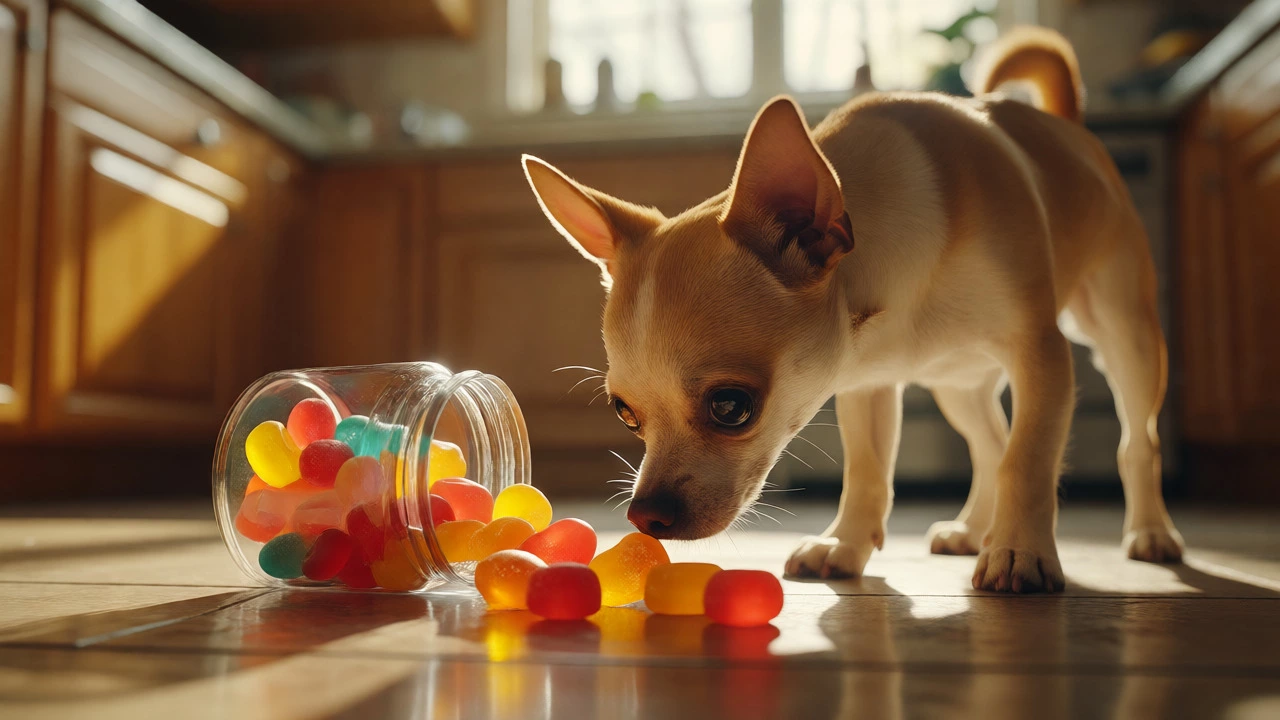
Furthermore, human supplements often contain additives that are harmless to us but toxic to dogs. Xylitol, a common sweetener in gummy vitamins, causes rapid insulin release in dogs, leading to hypoglycemia (low blood sugar) and potential liver damage. Even if the vitamin itself is safe, the carrier ingredients might not be. Always check the label for artificial sweeteners, essential oils, or herbal blends that haven't been tested on canines.
The Big Danger: Vitamin D
If you remember one thing from this article, make it this: Vitamin D is highly toxic to dogs. In humans, we take Vitamin D for bone health and immune support. We need sunlight, but many people live in cloudy climates like Auckland, so supplementation is common. For dogs, however, the therapeutic window is tiny.
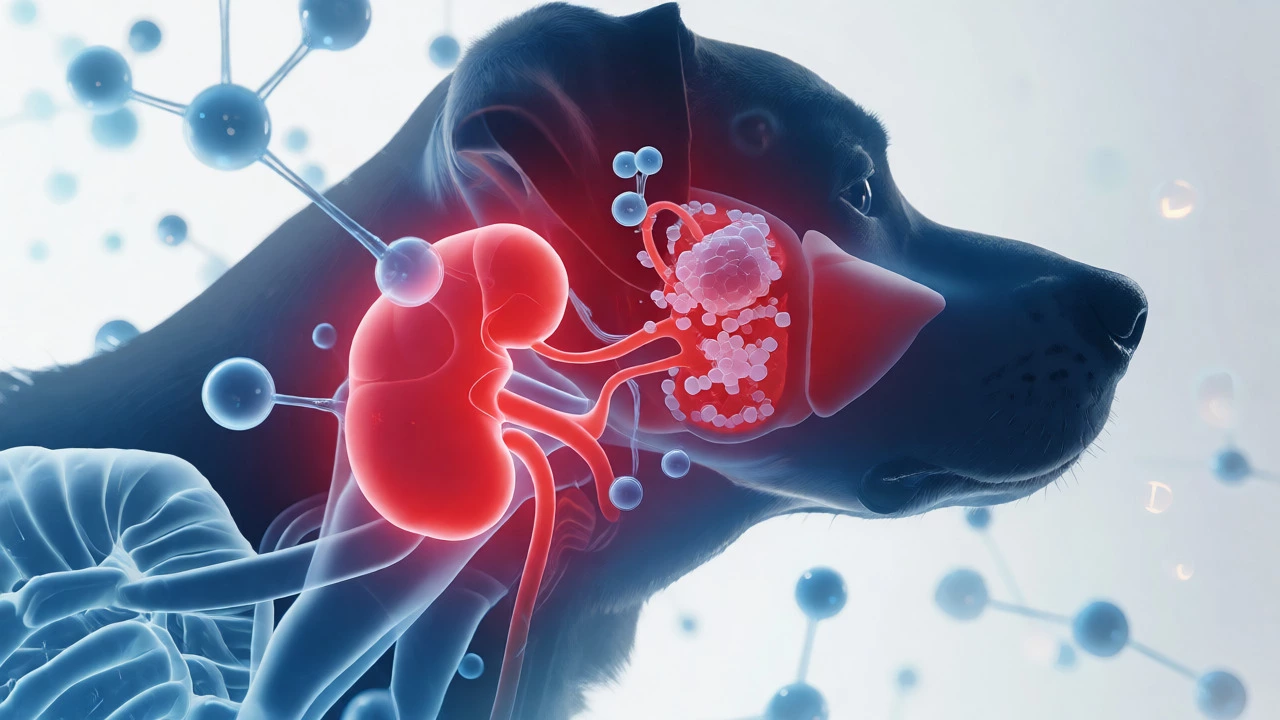
Dogs metabolize Vitamin D differently. They are much more sensitive to its effects. Excess Vitamin D causes hypercalcemia-a buildup of calcium in the blood. This isn't just about strong bones; it's about soft tissue calcification. Calcium deposits form in the kidneys, heart, and lungs. Kidney failure is the most common cause of death associated with Vitamin D toxicity. Symptoms include vomiting, loss of appetite, increased thirst and urination, and weakness. These signs can appear within hours of ingestion.
A single chocolate bar containing Vitamin D (like some fortified brands) can be enough to hospitalize a small dog. If your dog chews on a bottle of human Vitamin D tablets, call your vet immediately. Do not wait for symptoms to show.
Vitamin A: The Silent Accumulator
Vitamin A is another fat-soluble vitamin, meaning it stores in the liver rather than being flushed out through urine. While dogs need Vitamin A for vision and skin health, getting too much is surprisingly easy. This usually happens not from a single mega-dose, but from chronic over-supplementation or feeding too many liver-rich foods alongside supplements.
Chronic Vitamin A toxicity leads to bone deformities, joint pain, and dry, flaky skin. Ironically, while owners supplement for coat health, excess Vitamin A makes the coat worse. It also affects the nervous system, causing stiffness and reluctance to move. Because these symptoms develop slowly, owners often mistake them for arthritis or aging, delaying proper diagnosis. Blood tests can confirm high levels, but prevention is far cheaper and less painful.
Vitamin C: Usually Safe, Sometimes Stupid
Unlike humans, dogs produce their own Vitamin C in their liver. They generally do not need dietary supplements unless they are under extreme stress or have a specific medical condition diagnosed by a vet. Giving extra Vitamin C is rarely toxic, but it is often useless. Your dog’s body simply pees out the excess.
However, there is a catch. High doses of Vitamin C can cause gastrointestinal upset-diarrhea and stomach cramps. More importantly, for dogs prone to bladder stones (specifically oxalate stones), excessive Vitamin C can increase urinary acidity and oxalate levels, potentially worsening stone formation. If your dog has a history of urinary issues, ask your vet before adding any immune-boosting powders.
The Mineral Mix-Up: Iron and Zinc
While technically minerals, Iron and Zinc are almost always bundled into multivitamin complexes, so they belong in this conversation. Iron is highly toxic to dogs. Human iron supplements are potent. An accidental overdose can cause severe gastric irritation, vomiting blood, and shock. Small breeds are particularly vulnerable. Keep iron pills well out of reach.
Zinc is essential for dogs, supporting skin, coat, and immune function. However, the line between deficiency and toxicity is thin. Too much zinc interferes with copper absorption, leading to anemia. It can also cause vomiting and diarrhea. Many dog owners give zinc for skin allergies, but without testing, they might be creating a new problem. Never guess zinc dosages based on human charts.
| Vitamin | Risk Level | Primary Danger | Safe Source |
|---|---|---|---|
| Vitamin D | Critical | Kidney failure, hypercalcemia | Balanced commercial dog food only |
| Vitamin A | High | Bone deformities, liver stress | Liver-based diets (in moderation) |
| Iron | High | Gastric necrosis, shock | Meat-based proteins |
| Vitamin C | Low | Diarrhea, bladder stones | Fresh fruits/vegetables |
| Zinc | Moderate | Anemia, GI upset | Red meat, poultry |
When Is Supplementation Actually Needed?
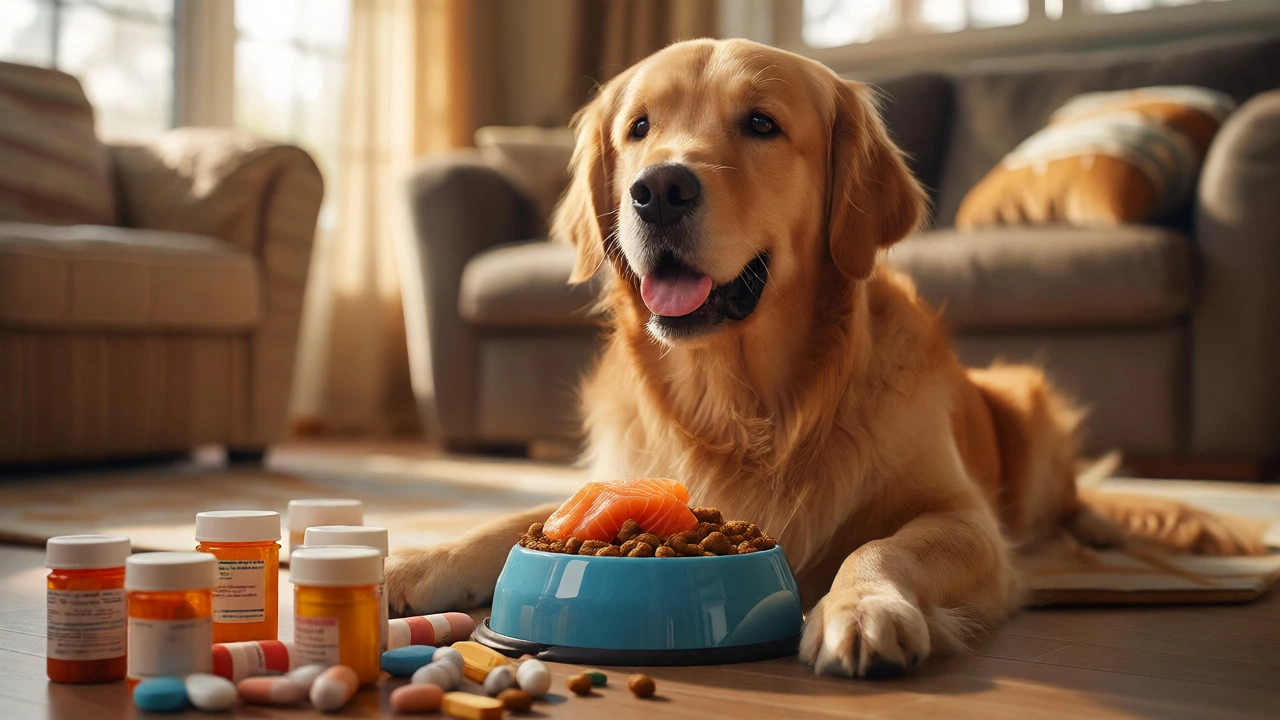
So, should you stop giving everything? No. Some dogs genuinely benefit from supplements. Puppies growing rapidly may need balanced nutrition. Senior dogs with arthritis often respond well to Glucosamine and Chondroitin (which are not vitamins, but commonly grouped). Dogs with poor digestion might need probiotics. Breeds predisposed to certain conditions, like German Shepherds with hip dysplasia, may need targeted support.
The key is specificity. Use products formulated for dogs. Look for labels that state "AAFCO complete and balanced" or have undergone veterinary trials. Avoid "mega-dose" claims. If you want to boost immunity, consider omega-3 fatty acids from fish oil instead of multivitamins. Omega-3s have a wider safety margin and clear benefits for skin and joints.
Symptoms of Over-Supplementation
How do you know if you've gone too far? Watch for these red flags:
- Gastrointestinal Distress: Vomiting, diarrhea, or drooling shortly after administration.
- Behavioral Changes: Lethargy, weakness, or unusual restlessness.
- Physical Signs: Dry skin despite supplementation, brittle nails, or hair loss.
- Urinary Issues: Increased thirst and urination (classic sign of Vitamin D toxicity).
- Pain: Reluctance to jump or climb stairs, indicating joint or bone discomfort.
If you notice these signs, stop all supplements immediately and consult your veterinarian. Bring the bottles with you so the vet can assess the exact ingredients and dosages.
Practical Rules for Dog Owners
To keep things simple, follow these three rules:
- Feed Quality Food First: A premium, complete-and-balanced kibble or wet food already contains the necessary vitamins. Adding more is often redundant.
- No Human Pills Without Vets: Never assume a human dose is safe. Ask your vet for the correct milligram-per-kilogram ratio for your specific breed and weight.
- Store Safely: Dogs are scavengers. A dropped pill tastes good. Keep all supplements in child-proof containers stored in closed cabinets.
Your dog relies on you to interpret their health needs. Nature provides most of what they require through a varied diet. When in doubt, skip the pill and offer a walk, a game of fetch, or a high-quality treat instead. That will do more for their long-term happiness and health than any unverified vitamin blend.
Can I give my dog human multivitamins?
Generally, no. Human multivitamins often contain Vitamin D and Iron at levels that are toxic to dogs. They may also include xylitol or other additives harmful to canines. Always use supplements specifically formulated for dogs.
Is Vitamin C bad for dogs?
Vitamin C is not toxic in moderate amounts, but dogs produce their own supply naturally. Excessive supplementation can cause diarrhea and may contribute to bladder stone formation in susceptible breeds. It is usually unnecessary unless prescribed by a vet.
What happens if my dog eats a Vitamin D tablet?
Vitamin D toxicity is a serious emergency. It can cause acute kidney failure due to calcium buildup. Symptoms include vomiting, thirst, and weakness. Contact your veterinarian immediately if ingestion occurs, even if the dog seems fine initially.
Do senior dogs need more vitamins?
Senior dogs may need adjusted nutrient profiles, such as lower calories and higher joint support (glucosamine/chondroitin). However, adding random vitamins can strain aging kidneys and liver. Consult a vet to tailor a senior-specific diet or supplement plan.
Are gummy vitamins safe for dogs?
Most human gummy vitamins contain xylitol, which is extremely toxic to dogs, causing liver failure and low blood sugar. Even those without xylitol often have inappropriate vitamin ratios. Stick to chewable treats made explicitly for pets.