Cat Food Quality Analyzer
Check the boxes that apply to the cat food you are considering.
Select Criteria
Check the boxes on the left to analyze your cat food choice.
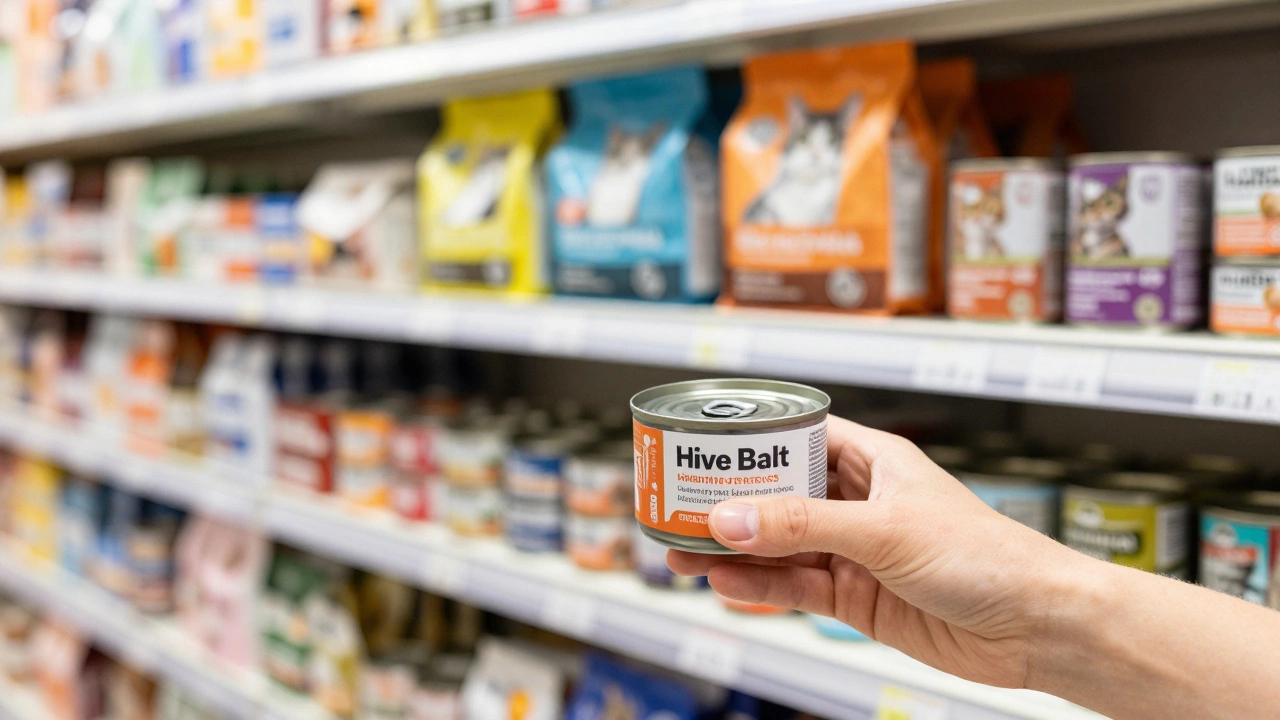
You walk down the pet aisle, staring at hundreds of colorful bags and cans. The labels scream 'premium,' 'natural,' and 'superior nutrition.' But which one is actually good for your cat? Finding the healthiest store-bought cat food isn't about picking the most expensive bag on the shelf. It’s about understanding what a cat’s body actually needs to survive and thrive.
Cats are obligate carnivores. This means their biology is hardwired to eat meat. They cannot thrive on plants or grains like humans or dogs can. When you buy commercial food, you are buying a processed product that must mimic this natural diet as closely as possible while remaining safe and palatable. The goal is simple: maximize protein, keep carbohydrates low, and ensure hydration.
Decoding the Ingredient List: What Matters Most
The first thing you need to do is stop looking at the marketing claims on the front of the package. Instead, flip it over and look at the ingredient list. In the United States and many other regions, ingredients are listed by weight before processing. This is crucial because raw meat contains about 70% water, while dried kibble ingredients contain very little.
If 'chicken meal' is the first ingredient, that’s generally good. Meal is concentrated protein with the moisture removed. If 'whole chicken' is first but followed by corn and wheat, the actual protein content might be diluted once the water evaporates during cooking. You want named animal proteins-like chicken, turkey, salmon, or rabbit-at the top of the list. Avoid vague terms like 'meat by-products' or 'animal digest,' which can include lower-quality parts.
Fats should also come from animal sources. Chicken fat or salmon oil provides essential fatty acids like Omega-3 and Omega-6, which support skin, coat health, and brain function. Vegetable oils like corn or soybean oil are cheaper fillers that offer less nutritional value for a strict carnivore.
The Great Debate: Wet Food vs. Dry Kibble
This is the single biggest decision you will make when choosing cat food. There is no perfect answer, but there is a clear winner for health.
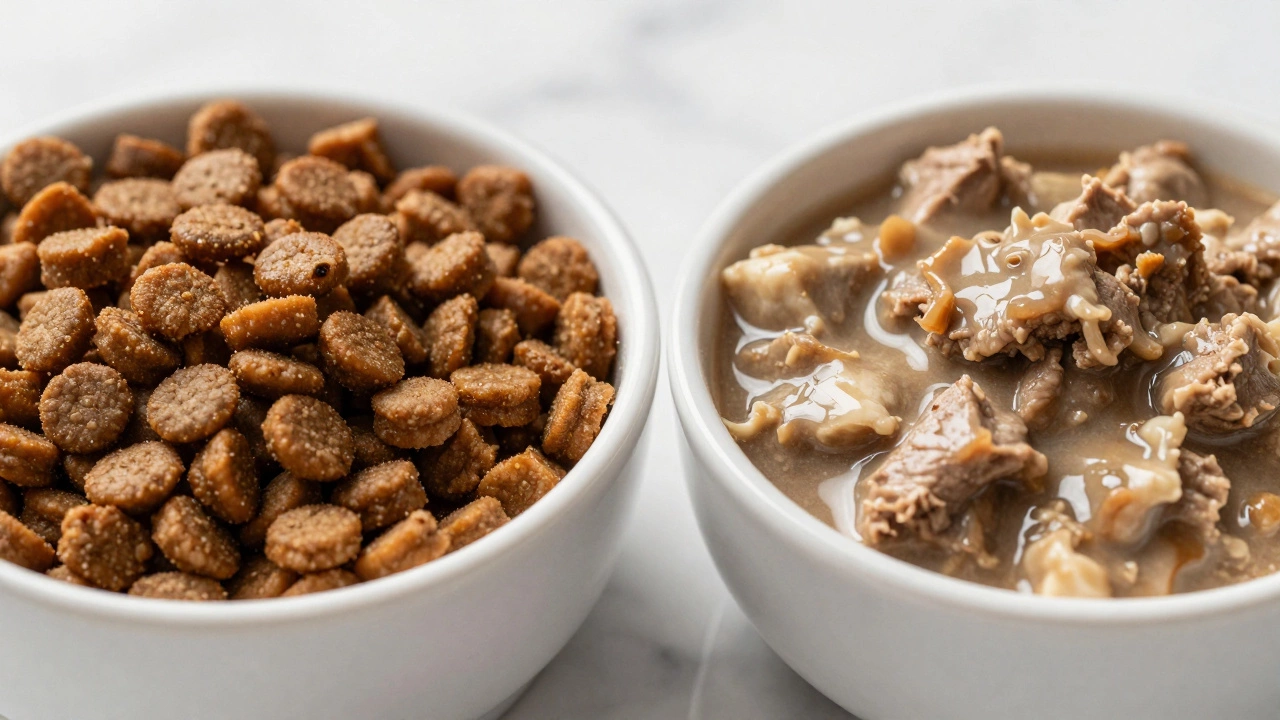
| Feature | Wet (Canned) Food | Dry (Kibble) Food |
|---|---|---|
| Moisture Content | 70-80% | 10% or less |
| Carbohydrate Level | Low (usually <5%) | High (often 30-50%) |
| Protein Quality | High, mostly animal-based | Variable, often plant-filled |
| Convenience | Must be served fresh | Free-choice feeding possible |
| Cost | Higher per serving | Lower per serving |
Cats have a low thirst drive. In the wild, they get almost all their water from prey. Domestic cats eating only dry kibble are chronically dehydrated, which puts immense strain on their kidneys and urinary tract. Chronic dehydration is a leading cause of feline lower urinary tract disease (FLUTD) and chronic kidney disease (CKD), two of the most common killers of older cats.
Wet food solves this problem. It mimics the moisture content of whole prey. Additionally, wet food typically has far fewer carbohydrates. Cats do not need carbs. High-carb diets contribute to obesity and diabetes in cats. If your budget allows, a primarily wet food diet is the healthiest choice for most indoor cats.
Navigating Grain-Free and Novel Protein Diets
In recent years, 'grain-free' became a buzzword. Many owners assumed that if it was bad for humans, it was bad for cats. While cats don’t need grains, removing them doesn’t automatically make food healthier. To replace the binding properties of grains, manufacturers often use peas, lentils, or potatoes. These are still carbohydrates.
More importantly, there has been an association between certain grain-free diets and Dilated Cardiomyopathy (DCM), a serious heart condition. While the exact cause is still being studied, the FDA and veterinary cardiologists suggest that high levels of legumes or taurine deficiency in these formulas may play a role. Unless your cat has a diagnosed grain allergy (which is rare), sticking to foods with small amounts of rice or oats is often safer than switching to pea-heavy grain-free formulas.
Novel proteins, like venison, kangaroo, or duck, are excellent for cats with specific food sensitivities. However, for a healthy cat with no allergies, chicken or turkey is perfectly fine and often more sustainable. Don’t pay extra for exotic meats unless your vet recommends it for medical reasons.
Understanding AAFCO Statements and Life Stages
You might see a statement on the back of the bag that says 'Formulated to meet the nutritional levels established by the AAFCO Cat Food Nutrient Profiles.' AAFCO stands for the Association of American Feed Control Officials. This is the gold standard for commercial pet food safety and completeness.
Ensure the food is labeled 'Complete and Balanced.' This means it contains all the vitamins and minerals your cat needs. Never feed a single brand of incomplete food long-term without supplements. Also, check the life stage. Kitten food is higher in calories and protein, suitable for growing cats. Adult maintenance food is balanced for steady weight. Senior formulas often have reduced phosphorus to support kidney health, though evidence for specific senior benefits is mixed; many vets prefer high-quality adult food for seniors unless kidney issues arise.
Top Brands That Prioritize Health Over Marketing
Not all brands are created equal. Some invest heavily in research and quality control, while others rely on flashy packaging. Here are a few categories of brands that consistently perform well in independent analyses:
- Premium Canned Brands: Look for brands like Ziwi Peak, Smack, or Tiki Cat. These often use human-grade ingredients and have minimal fillers. Ziwi Peak, for example, is air-dried and retains a texture similar to real meat, with very high protein and low carb counts.
- Science-Backed Brands: Royal Canin and Hill’s Science Diet are often criticized by raw-food advocates, but they have decades of clinical trials backing their formulas. For cats with specific medical conditions like kidney disease or diabetes, these prescription or specialized diets are often the safest bet because their nutrient profiles are precisely controlled.
- Budget-Friendly Wet Options: Wellness CORE and Purina Pro Plan offer solid mid-range options. Purina, despite using some by-products, has extensive nutritional research and produces highly digestible, affordable wet foods that are far superior to cheap dry kibbles.
Avoid brands that rank poorly on independent assessments like those from Dr. Jerry Klein (AKC) or WDJ (Whole Dog Journal). Red flags include excessive use of artificial colors, flavors, or preservatives like BHA/BHT.
How to Transition Your Cat Safely
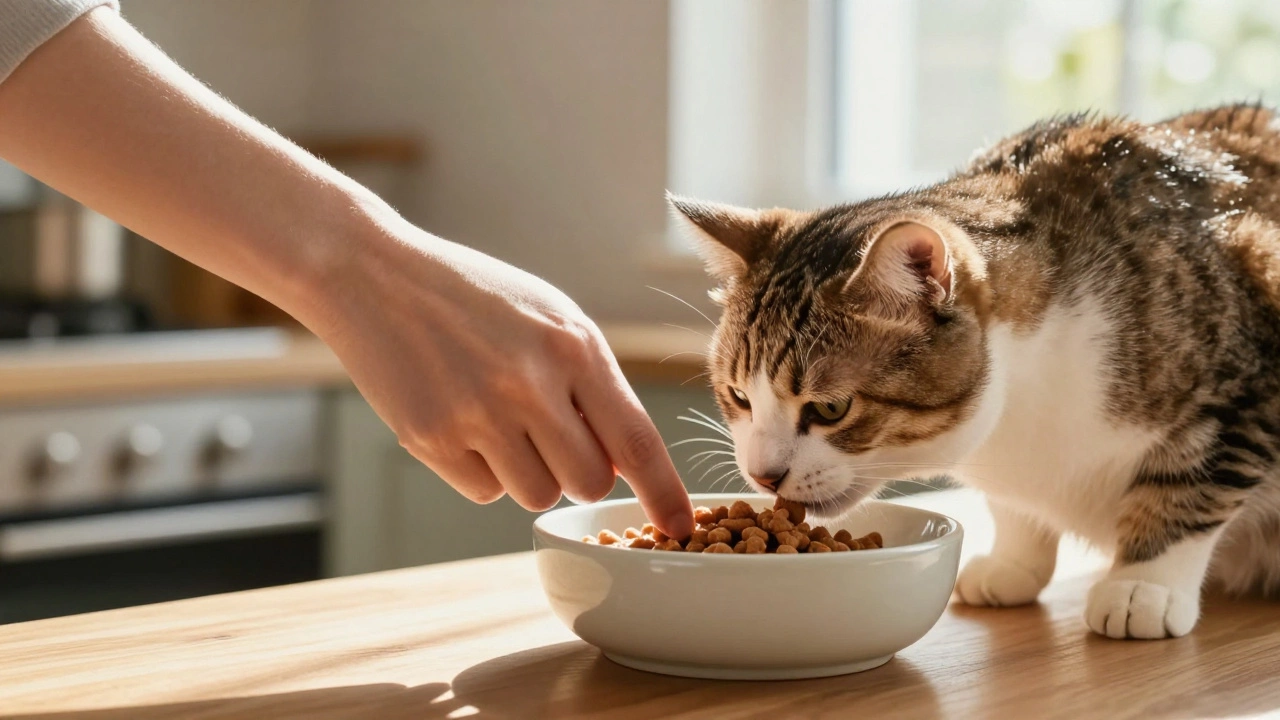
Even the healthiest food is useless if your cat refuses to eat it. Cats are notoriously neophobic, meaning they fear new things. Switching food abruptly can cause vomiting or diarrhea. You must transition slowly over 7 to 10 days.
- Start by mixing 25% new food with 75% old food.
- After two days, move to a 50/50 mix.
- Then try 75% new food and 25% old food.
- Finally, switch to 100% new food.
If your cat is a picky eater, try warming the wet food slightly. The smell becomes stronger, mimicking fresh prey. You can also add a tiny bit of tuna juice or bone broth (onion/garlic-free) to entice them. Patience is key. Do not give up after one refusal. Offer the new food at regular mealtimes and remove it after 20 minutes if uneaten. This teaches your cat that mealtime is structured, preventing begging behavior.
Red Flags to Watch For
As you evaluate options, watch out for these common pitfalls:
- 'Human Grade' Misleading Labels: Just because it says human grade doesn't mean it's complete. Some human-grade treats lack essential taurine or arachidonic acid.
- Excessive Fiber: While fiber helps with hairballs, too much (from beet pulp or cellulose) can reduce calorie density and lead to bulky stools. Aim for moderate fiber unless your cat has digestive issues.
- Artificial Additives: Colors like Red 40 or Yellow 6 serve no nutritional purpose and can trigger allergies in sensitive cats.
Remember, the healthiest food is the one your cat will eat consistently. A perfect diet ignored by your cat leads to malnutrition. Start with high-moisture, high-protein options, read the labels critically, and consult your veterinarian if your cat has existing health conditions. Your cat’s longevity depends on the choices you make today.
Is dry cat food bad for cats?
Dry cat food is not inherently toxic, but it is less ideal than wet food. It lacks moisture, which can lead to chronic dehydration and urinary tract issues. It also tends to be higher in carbohydrates, which cats do not need and which can contribute to obesity and diabetes. If you must feed dry food, choose a high-protein, low-carb formula and ensure your cat drinks plenty of water.
Can I mix wet and dry food?
Yes, many owners successfully mix wet and dry food. This approach offers the convenience of dry food with the hydration benefits of wet food. However, monitor your cat's weight and carbohydrate intake. Ensure the dry portion is high-quality and does not dominate the diet.
Do cats need grain in their diet?
No, cats do not biologically require grains. They are obligate carnivores. However, small amounts of grains like rice or oats can provide fiber and help bind kibble. Grain-free diets are not necessarily healthier and may carry risks related to heart health if formulated with high levels of legumes.
What is the best protein source for cats?
The best protein sources are named animal meats such as chicken, turkey, beef, lamb, or fish. Look for 'meal' forms (e.g., chicken meal) as they are concentrated and stable. Avoid vague terms like 'meat by-products' unless specified as high-quality organs.
How much should I feed my cat?
Feeding amounts depend on your cat's age, weight, activity level, and the calorie density of the food. Always follow the guidelines on the package as a starting point, then adjust based on your cat's body condition score. Consult your vet for precise recommendations, especially for kittens, seniors, or cats with health issues.