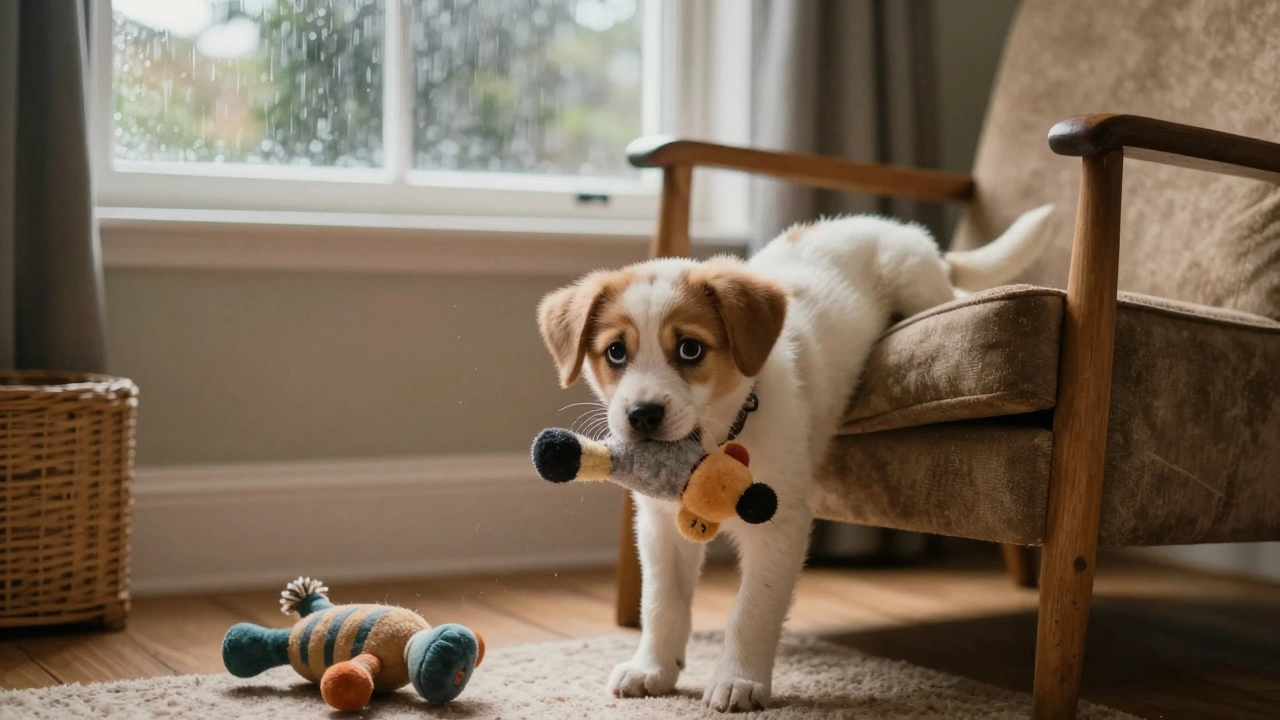
There is a myth floating around that once a dog passes its first birthday, it is too old to learn new tricks. You hear it from well-meaning friends, maybe even from strangers at the park. The truth is much more nuanced. There isn’t one single "hardest" age for every dog. Instead, there are distinct windows of difficulty depending on what you are trying to teach and why your dog is behaving the way it is.
If you are struggling with a biting puppy or an stubborn adult who ignores commands, you are not alone. Understanding the developmental stages of a dog helps you adjust your expectations. It also helps you stop blaming yourself or your dog. Whether you are starting fresh with a rescue or raising a litter, knowing the timeline makes all the difference. For those looking for specific resources on animal care and related services, you might find useful information in directories like kizdar net, which catalogs various specialized listings.
The Puppy Phase: Chaos vs. Capability
Most people assume puppies are the easiest to train because they are blank slates. In reality, the period between 8 weeks and 6 months is often the most exhausting. This is not because they are stupid. It is because they are overwhelmed. Their brains are developing rapidly, but their impulse control is practically non-existent.
Puppy Teething is a natural developmental stage where puppies lose baby teeth and grow adult teeth, causing discomfort and increased chewing behavior. During this phase, everything in your house becomes a chew toy. Your shoes, the couch legs, your fingers-it’s all fair game. This creates a major hurdle for basic obedience. How can you ask a dog to "leave it" when its gums hurt and it needs relief?
Then there is the socialization window. Between 3 and 14 weeks, puppies are highly sensitive to new experiences. If they miss this window, they may become fearful adults. But if you push them too hard during this time, you can cause lasting anxiety. Balancing exposure with protection is tricky. You want them to see the world, but not be terrified by it. This delicate balance makes early training feel like walking a tightrope.
- Short Attention Spans: Puppies can focus for only a few seconds. Keep sessions under five minutes.
- High Energy Bursts: They zoom randomly. Channel this energy into structured play rather than fighting it.
- Social Sensitivity: Negative experiences now stick forever. Always make training positive.
The Adolescent Slump: The True "Hardest" Age
If you had to pick one age that tests owners the most, it is adolescence. For small breeds, this hits around 6 to 9 months. For large breeds, it can last until 18 to 24 months. This is the teenage years of dogs. Hormones surge, independence grows, and previously learned commands seem to vanish.
Your dog might have mastered "sit" and "stay" at four months. Then, suddenly, they look at you like you are speaking alien. This is not regression. It is development. Adolescents are testing boundaries. They are figuring out who is in charge and what the rules really mean. They are also distracted by everything else. Squirrels, smells, other dogs-these stimuli are far more interesting than your voice.
This stage requires patience and consistency. Many owners give up here, thinking their dog is "bad." In reality, the dog is just normal. You need to reinforce basics in higher-distraction environments. Do not expect perfection. Expect setbacks. And keep rewarding the right choices, even if they are delayed.
| Life Stage | Age Range | Main Challenge | Best Strategy |
|---|---|---|---|
| Puppy | 8 weeks - 6 months | Impulse control & teething | Short, positive sessions |
| Adolescent | 6 months - 2 years | Distraction & boundary testing | High-value rewards, consistency |
| Adult | 2 - 7 years | Boredom & established habits | Mental stimulation, novel tasks |
| Senior | 7+ years | Cognitive decline & physical pain | Gentle cues, health checks |
Adult Dogs: Breaking Old Habits
Training an adult dog is different from training a puppy. Adults have history. They have lived lives before you. Maybe they were raised in a shelter. Maybe they had multiple owners. Maybe they never learned basic manners. This means you are not building from scratch. You are renovating.
The hardest part about adult dogs is unlearning bad habits. If a dog has barked at the mail carrier for three years, stopping that behavior takes time. It is not just about teaching "quiet." It is about changing the emotional response to the trigger. This requires desensitization and counter-conditioning. It is slow work. It is also deeply rewarding when it clicks.
Adult dogs often have better focus than puppies. They know how to interact with humans. They can handle longer sessions. But they may also have trust issues. If a dog has been punished in the past, it may be wary of correction. Building rapport is step one. Without trust, no amount of treats will fix the behavior.

Senior Dogs: The Hidden Difficulties
We rarely talk about training senior dogs. We assume they are done learning. But seniors face unique challenges. Canine Cognitive Dysfunction is a syndrome similar to dementia in humans, affecting memory, awareness, and interaction in older dogs. It can start as early as seven years in large breeds. Signs include confusion, house soiling, and changes in sleep patterns.
If your senior dog seems to forget commands, it might not be stubbornness. It could be hearing loss, vision impairment, or cognitive decline. Pain from arthritis can also make physical cues difficult. Asking a dog with hip dysplasia to "down" is cruel if it hurts. Adjust your methods. Use hand signals instead of verbal cues. Keep sessions gentle and short.
Seniors still want to engage. They just need different tools. Puzzle toys, scent games, and low-impact activities keep their minds sharp. Training at this age is less about obedience and more about quality of life. It keeps them connected to you and confident in their abilities.
Factors Beyond Age
Age is only one piece of the puzzle. Breed traits play a huge role. Herding dogs like Border Collies thrive on complex tasks. They get bored easily. Terriers are independent thinkers. They may choose to ignore you if they do not see the point. Sighthounds like Greyhounds are aloof. They require motivation beyond food.
Health issues can mimic behavioral problems. A thyroid imbalance can cause lethargy and poor focus. Ear infections can make a dog seem deaf. Always rule out medical causes before assuming a training issue. A vet check is a smart first step if behavior changes suddenly.
Your own consistency matters more than any technique. If you sometimes allow jumping on the couch and sometimes scold it, your dog is confused. Clear rules, enforced calmly, create security. Dogs respond to predictability. When they know what is expected, they comply faster.

Practical Tips for Every Stage
No matter the age, some principles hold true. Positive reinforcement works best. Reward desired behavior immediately. Ignore or redirect unwanted behavior. Avoid punishment, which can damage trust and increase fear.
- Set Realistic Goals: Start small. Master "look at me" before demanding "heel off-leash."
- Use High-Value Rewards: Chicken, cheese, or favorite toys motivate better than kibble.
- Keep Sessions Short: Five to ten minutes is enough. End on a success.
- Practice Daily: Consistency beats intensity. Brief daily practice builds habits.
- Manage the Environment: Prevent mistakes by removing temptations. Crate training helps.
If you adopt an adult dog, ask the shelter about its history. Knowing triggers helps you plan. Did it live with cats? Was it afraid of men? This context saves weeks of trial and error.
For puppies, prioritize socialization over tricks. Exposure to sounds, surfaces, and people builds confidence. Tricks can wait. Confidence cannot be rebuilt later.
When to Seek Help
Some behaviors are too risky to handle alone. Aggression toward people or other dogs needs professional intervention. Fear-based reactions that escalate can lead to bites. Consult a certified force-free trainer or veterinary behaviorist. Look for credentials like CPDT-KA or IAABC. Avoid trainers who use shock collars or dominance theory. These methods are outdated and harmful.
Training is a lifelong journey. Dogs change, and so should your approach. Stay patient. Celebrate small wins. And remember, every dog is capable of learning, regardless of age.
Is it harder to train an adult dog or a puppy?
It depends on the goal. Puppies are easier to shape from scratch but lack impulse control. Adult dogs have focus but may have ingrained bad habits. Adolescents are often the hardest due to distraction and boundary testing.
Can you train a senior dog?
Yes. Senior dogs can learn new things. Adjust for physical limitations and cognitive decline. Use gentle cues and mental stimulation to keep them engaged and healthy.
Why does my dog ignore me after being trained?
This is common in adolescence. Distractions increase, and dogs test boundaries. Reinforce commands in higher-distraction environments. Use high-value rewards to regain attention.
How long does it take to train a dog?
Basic obedience can take 4 to 6 weeks with daily practice. Complex behaviors or behavior modification can take months. Consistency and patience are key. There is no fixed timeline.
What is the best age to start training?
Start as soon as you bring your dog home. Even 8-week-old puppies can learn names, simple cues, and house manners. Early training builds communication and trust for life.