Vet-Recommended Dog Food Checker
Use this tool to check if a specific bag of dog food meets the criteria veterinarians typically look for. Answer the questions below to get an assessment.
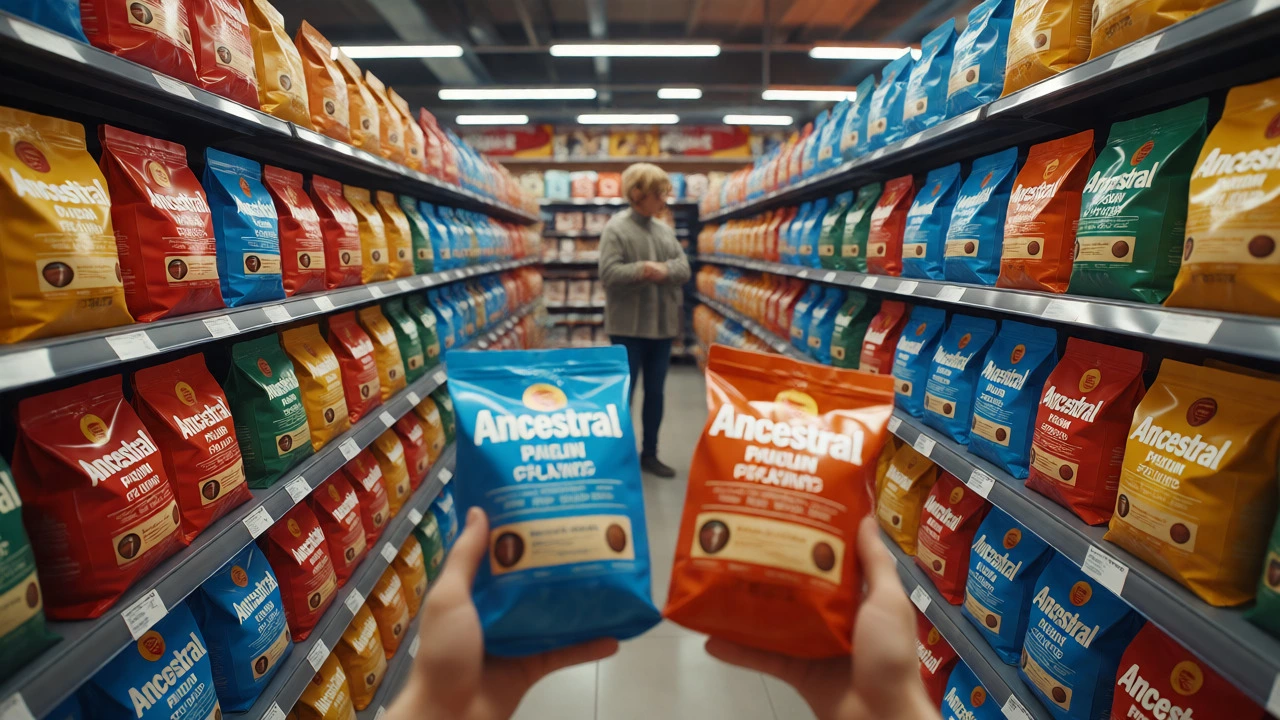
You walk into the pet aisle, and it’s a wall of colorful bags screaming "premium," "ancestral," and "grain-free." You want what’s best for your dog, but you’re confused. So, you ask your vet. They might say something vague like "just get a good brand," or they might hand you a prescription bag that costs double. Why the disconnect?
Here is the truth: veterinarians don’t have one single favorite brand. Instead, they look for specific nutritional markers. If a bag meets those markers, it gets the green light. If it doesn’t, it gets the side-eye. This guide cuts through the marketing noise to show you exactly what vets are looking for when they recommend dog food, so you can make a confident choice without breaking the bank.
The Big Three: WSAVA, AAFCO, and FEDIAF
If you remember nothing else from this article, remember these three acronyms. They are the gold standard for safety and nutrition. When a vet says a food is "complete and balanced," they mean it has passed rigorous testing against these guidelines.
AAFCO (Association of American Feed Control Officials) sets the minimum nutrient levels for dogs in the US. FEDIAF does the same for Europe and many other regions, including New Zealand standards which often align with global best practices. The WSAVA (World Small Animal Veterinary Association) Global Nutrition Committee provides the clinical guidelines vets use to evaluate these foods.
Why does this matter? Because "natural" or "holistic" are marketing terms. They have no legal definition. AAFCO/FEDIAF compliance means the food contains the right amount of protein, fat, vitamins, and minerals to keep your dog alive and thriving long-term. Without this statement on the label, you are essentially guessing whether your dog is getting enough calcium or too much phosphorus.
Why Vets Often Hate Grain-Free Diets
You’ve probably heard the buzz about grain-free kibble. It sounds healthier-no wheat, no corn, no soy. But here is where vets and pet store clerks often disagree. In recent years, the FDA investigated a potential link between certain grain-free diets and Dilated Cardiomyopathy (DCM), a serious heart condition in dogs.
The issue isn’t grains themselves. Dogs aren’t allergic to rice or oats unless they have a specific allergy (which is rare). The problem lies in the alternative ingredients used to replace grains, such as lentils, peas, chickpeas, and potatoes. These legumes and tubers contain high levels of phytonutrients that may interfere with taurine absorption. Taurine is an amino acid essential for heart health.
Vets generally recommend grain-inclusive diets unless your dog has a diagnosed grain allergy. If you do choose grain-free, look for brands that have conducted feeding trials specifically for DCM risk, not just basic nutrient adequacy.
| Feature | Marketing Claim | Vet Reality |
|---|---|---|
| Grain-Free | Mimics wolf ancestors; cleaner energy. | Potential heart risk (DCM); unnecessary for most dogs. |
| Raw Food | Natural enzymes; shinier coat. | Bacterial risk (Salmonella/Listeria); nutritional imbalance common. |
| "Human Grade" | Safe for humans to eat. | Does not guarantee complete nutrition for dogs. |
| High Protein | Builds muscle; more natural. | Can stress kidneys in older dogs; excess calories lead to obesity. |
Commercial Brands That Pass the Vet Test
So, which brands actually meet the strict criteria? Vets typically stick to companies that invest heavily in research, employ full-time veterinary nutritionists, and conduct feeding trials. Here are the names you will hear most often in exam rooms.
Royal Canin is ubiquitous in clinics. Critics point to their price and ingredient lists (often containing corn gluten meal), but vets love them because they offer breed-specific and health-specific formulas backed by extensive data. If your French Bulldog has skin issues, Royal Canin has a formula tested specifically for that breed’s physiology.
Hill’s Science Diet and Purina Pro Plan are the other two heavy hitters. Purina Pro Plan, in particular, has gained massive trust among veterinarians due to their transparent sourcing and strong scientific backing. Their Sensitive Stomach & Skin formula is a go-to recommendation for dogs with digestive upset.
These brands aren't perfect. They use fillers. But they provide consistent, safe, and balanced nutrition. For a puppy growing rapidly or a senior dog with kidney disease, consistency matters more than exotic ingredients.
When Prescription Diets Are Non-Negotiable
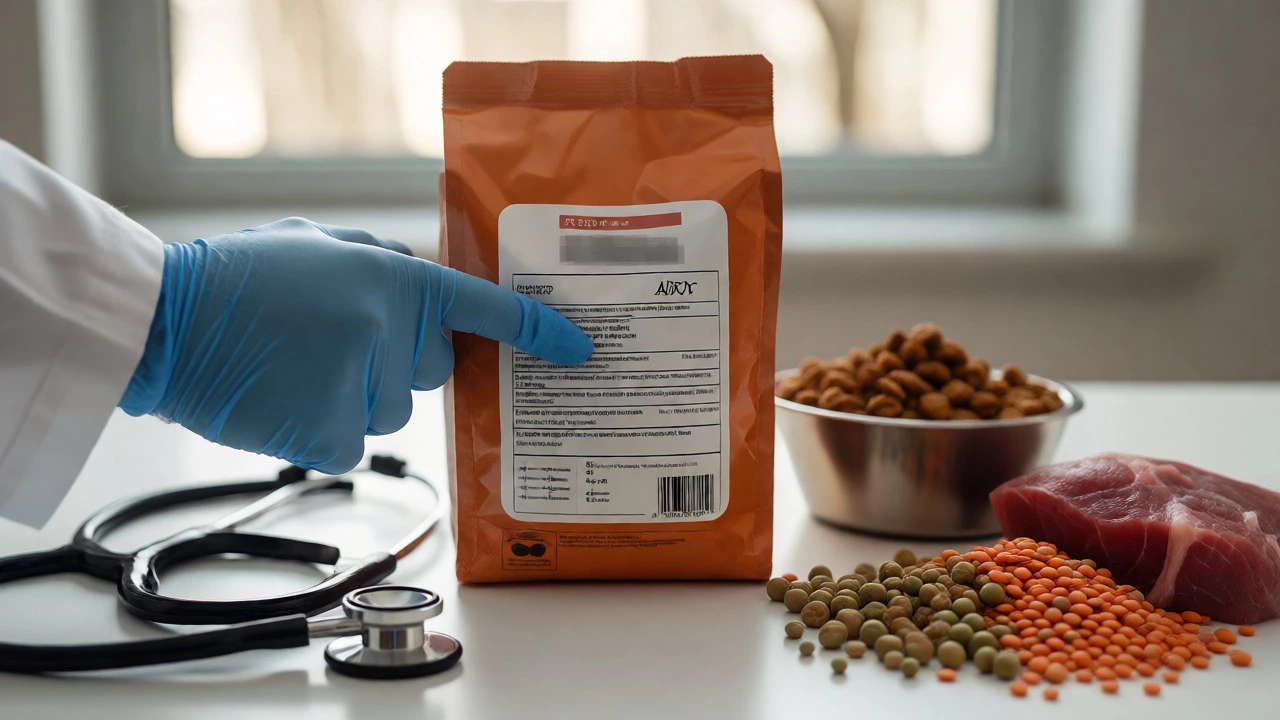
Sometimes, "good" commercial food isn't enough. If your dog has chronic kidney disease, liver failure, severe allergies, or urinary stones, over-the-counter food won't cut it. This is where prescription diets come in.
Prescription foods are formulated to manage medical conditions. For example, a renal diet restricts phosphorus and protein to reduce the workload on failing kidneys. An over-the-counter "senior" food might have lower calories, but it won’t have the precise mineral balance needed to slow kidney decline. Vets require a prescription for these foods because using them incorrectly can harm a healthy dog. Don’t try to buy Hill’s k/d or Purina NF Kidney Function online without a vet's sign-off if your dog isn't actually sick.
Homemade and Fresh Food: Proceed with Caution
The trend of fresh, human-style dog food (like The Farmer’s Dog or Ollie) is exploding. Many owners prefer the idea of cooking real chicken and sweet potatoes over eating brown pellets. Vets are increasingly open to this, but with a major caveat: formulation.
Most homemade recipes found on Pinterest or blogs are unbalanced. They lack sufficient calcium, vitamin E, or trace minerals. Feeding unbalanced homemade food for months can lead to skeletal deformities in puppies or metabolic issues in adults. If you want to feed fresh, choose a service that employs board-certified veterinary nutritionists to formulate the meals. Avoid DIY recipes unless you consult a specialist who can calculate the exact supplements needed.

How to Read a Dog Food Label Like a Vet
Don’t let the front of the bag fool you. Flip it over. Here is your checklist:
- Look for the AAFCO/FEDIAF Statement: It must say "Formulated to meet the nutritional levels established by the AAFCO Dog Food Nutrient Profiles." Even better: "Animal feeding tests using AAFCO procedures substantiate..." This second phrase means they actually fed it to dogs and checked bloodwork, not just mixed chemicals in a lab.
- Check the First Ingredient: It should be a named meat source (e.g., "Chicken," "Beef," "Lamb") rather than "Meat Meal" or "By-Products." However, remember that raw meat is mostly water. Once cooked, it shrinks. Meat meals are actually more concentrated protein sources. Both can be fine, but named meat is preferred for palatability.
- Avoid Unnamed Sources: "Animal Fat" is risky. "Chicken Fat" is good. You need to know what animal the fat came from to rule out allergies.
- Watch the Calorie Count: Obesity is the #1 preventable disease in pets. Check the kcal/cup. High-calorie foods taste great but make it easy to overfeed. Use a kitchen scale, not a cup, to measure portions.
Common Myths That Confuse Owners
Let’s bust a few myths that cause unnecessary stress.
Myth 1: Dogs are carnivores. False. Dogs are omnivores. They evolved alongside humans to digest starches. While they thrive on protein, they don’t *need* a strictly meat-only diet to survive. They need a balanced mix.
Myth 2: By-products are garbage. Not necessarily. Liver, kidney, and heart are organ meats packed with nutrients. "By-product" just means parts of the animal other than muscle meat. As long as it comes from a rendered, safe source, it’s nutritious. What you want to avoid is unspecified "meat by-products" where you don’t know if it’s cow lungs or chicken hearts.
Myth 3: Corn causes allergies. Corn is a cheap filler, yes, but true food allergies to corn are extremely rare. Most food allergies are to proteins like beef, chicken, dairy, or wheat. If your dog is itching, don’t blame the corn first. Blame the chicken.
Final Thoughts: Consistency Over Perfection
There is no "perfect" dog food. There is only the right food for *your* dog. A Great Dane needs different calories than a Chihuahua. A working border collie needs different fuel than a couch-potage pug.
Start with a reputable, science-backed brand. Watch your dog’s stool (it should be firm and small), their coat (shiny, not dull), and their energy levels. If things go wrong, change one variable at a time. And always, always talk to your vet before making drastic dietary changes, especially if your dog has existing health issues.
Is grain-free dog food really bad for dogs?
It’s not inherently bad, but it carries a potential risk for Dilated Cardiomyopathy (DCM) in certain breeds due to high levels of legumes (peas, lentils) used as grain substitutes. Unless your dog has a diagnosed grain allergy, vets usually recommend grain-inclusive diets for safety.
Do vets recommend expensive boutique brands?
Generally, no. Vets prefer brands with large-scale research budgets, veterinary nutritionists on staff, and feeding trials (like Purina Pro Plan, Hill’s, and Royal Canin). Boutique brands often lack the long-term safety data and consistency required for medical reliability.
Can I feed my dog raw food?
Yes, but with caution. Raw diets carry higher risks of bacterial contamination (Salmonella, Listeria) for both the dog and the human handling the food. They are also frequently nutritionally unbalanced. If you choose raw, ensure it is formulated by a veterinary nutritionist and handled with strict hygiene protocols.
What is the best dog food for weight loss?
Look for foods labeled "Light," "Weight Management," or "Satiety." These are lower in calories but higher in fiber to keep your dog feeling full. Always measure portions precisely and reduce treats, which can account for up to 10% of daily calorie intake.
Is dry kibble worse than wet food?
Not necessarily. Dry kibble helps clean teeth slightly and is easier to store and measure. Wet food is more palatable and hydrating. The nutritional value depends on the quality of the ingredients, not the moisture content. Many vets recommend mixing both or sticking to whichever your dog eats consistently and digests well.