Vet-Recommended Dog Food Finder
Answer a few questions about your dog to find the most suitable veterinary-recommended brand categories.
You walk into a pet store, and the shelves are stacked with bags promising everything from "ancestral wolf diets" to "grain-free gut health." It’s overwhelming. Then you ask your vet what they actually feed their own dogs, and they name three or four brands that aren’t even on the fancy organic shelf. Why the disconnect? Because vets prioritize safety, consistency, and clinical evidence over marketing buzzwords.
If you’re wondering what dog food brands do vets recommend, you’re looking for more than just a list. You want to know why these specific brands make the cut, how they differ from boutique options, and which one fits your dog’s specific life stage. As of September 2026, the veterinary landscape still leans heavily toward large manufacturers who invest in feeding trials and employ board-certified veterinary nutritionists. Here is the breakdown of who they trust, why they trust them, and how to choose between them.
The Big Three: Why Veterinary Clinics Stock These Brands
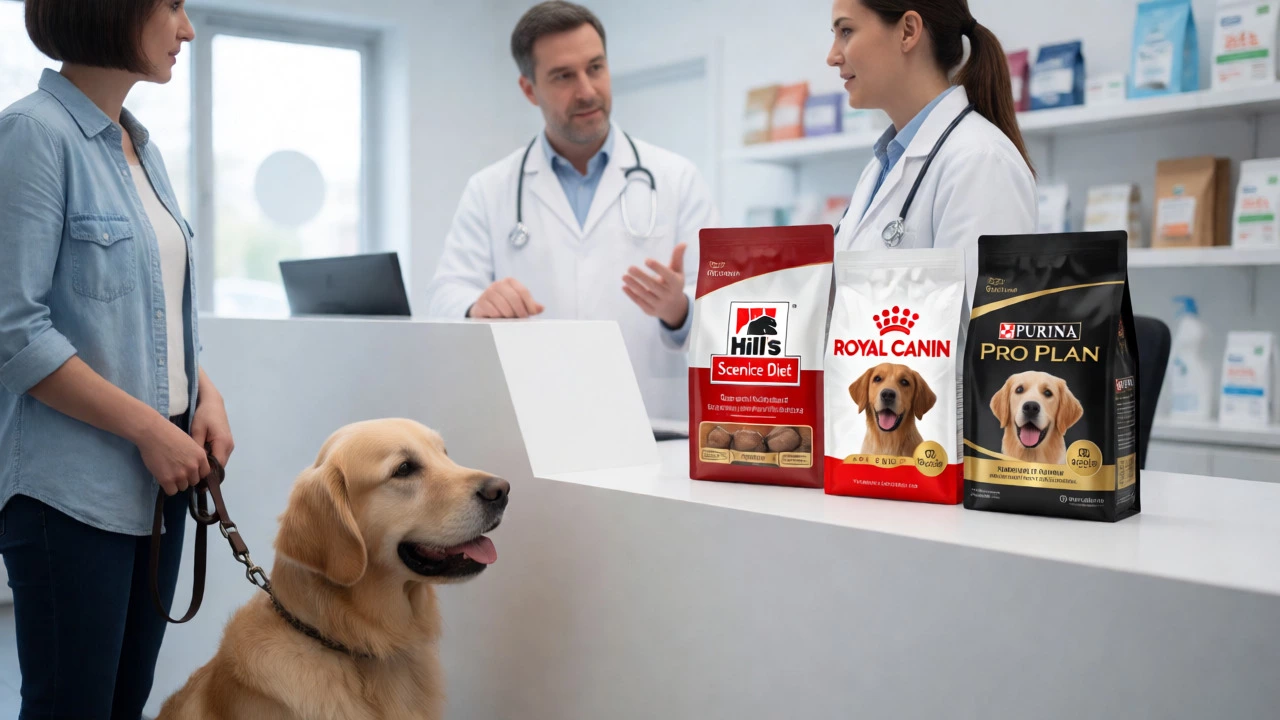
When you visit a clinic in Auckland or anywhere else globally, you will almost certainly see three names dominating the retail space: Hill’s Science Diet, a science-based pet food brand known for its extensive research and prescription lines, Royal Canin, a French company specializing in breed-specific and health-nutrition formulas, and Purina Pro Plan, a premium commercial brand backed by Nestlé Purina’s massive R&D infrastructure. These aren't just popular; they are the industry standard for reliability.
Vets recommend these brands because they meet the Association of American Feed Control Officials (AAFCO) nutrient profiles rigorously. More importantly, they conduct actual feeding trials. This means real dogs ate the food under controlled conditions, and researchers measured outcomes like stool quality, coat shine, and blood markers. Boutique brands often skip this step, relying on computer-formulated recipes that might look good on paper but fail in a living animal’s digestive system.
Hill’s Science Diet: The Clinical Standard
Hill’s has been around since the 1940s. Their strength lies in their therapeutic diets. If your dog has kidney disease, liver issues, or severe allergies, a vet will likely prescribe a Hill’s formula. They have decades of data showing exactly how their kibble affects diseased organs. For healthy dogs, their adult maintenance lines are safe, consistent, and widely available. The downside? Some owners find the ingredient lists less "natural" than grain-free alternatives, citing corn or wheat as primary ingredients. However, veterinarians argue that properly processed grains are excellent, digestible energy sources that don’t cause allergies in most dogs.
Royal Canin: Precision Nutrition
Royal Canin takes a different approach. They focus on specificity. Got a Great Dane puppy? There’s a formula designed for its rapid growth rate and joint stress. Have a Shih Tzu with a flat face? Their kibble shape is engineered to be picked up easily by brachycephalic breeds. This level of customization appeals to owners who want tailored nutrition. While some critics point to higher prices and frequent recipe changes, the clinical backing for their breed-specific adaptations is strong. Vets appreciate that Royal Canin reduces the guesswork for owners of purebreds with known genetic predispositions.
Purina Pro Plan: Value and Variety
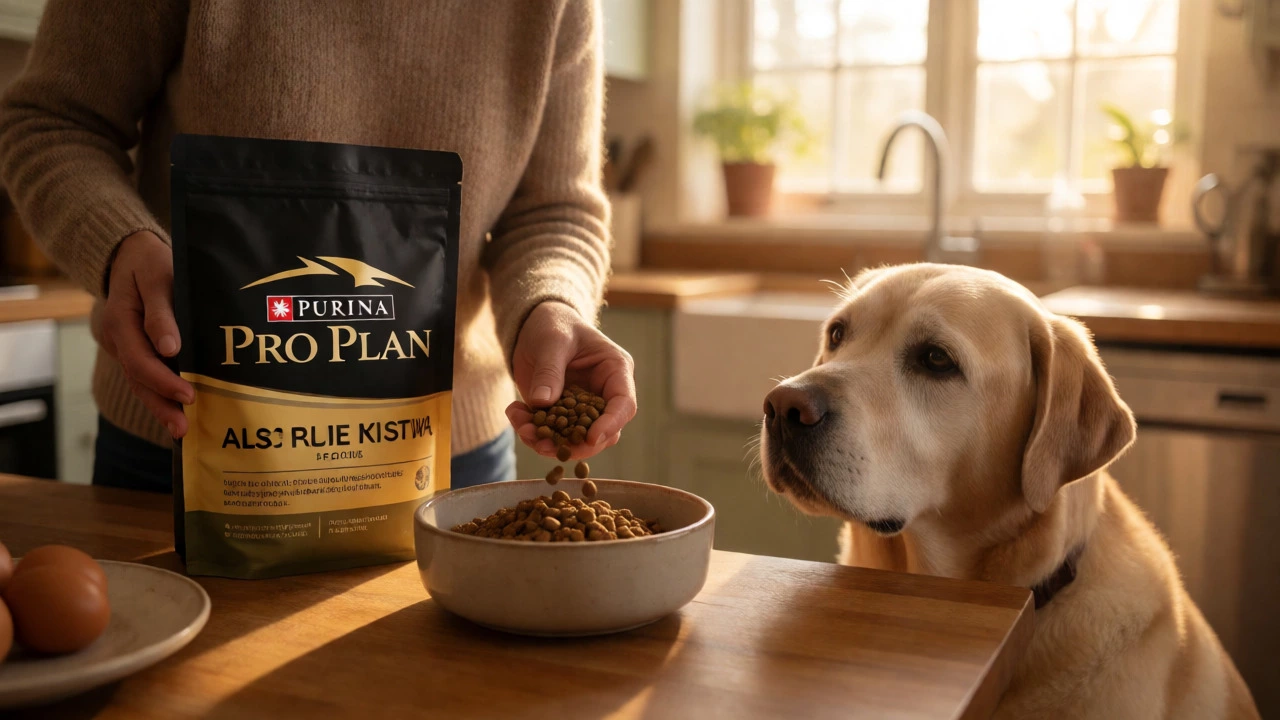
Purina Pro Plan sits comfortably between affordability and high performance. It’s often the go-to recommendation for active family dogs. Their "Shredded Blend" line, which mixes dry kibble with soft meat strips, is a favorite among picky eaters. Purina employs over 500 scientists and runs long-term studies on longevity and weight management. If you need a solid, everyday diet without breaking the bank, Pro Plan is usually the first suggestion. It’s also generally easier to find in supermarkets compared to the stricter distribution channels of Hill’s or Royal Canin.
Beyond the Big Three: Other Vet-Approved Options
Not every dog fits into the big three boxes. Sometimes you need a specific protein source, or maybe your dog hates chicken. That’s where other reputable brands come in. These companies may not have the same global footprint, but they maintain rigorous quality control and employ credentialed nutritionists.
| Brand | Best For | Key Strength | Potential Drawback |
|---|---|---|---|
| Hill’s Science Diet | Dogs with medical conditions | Clinical proof & prescription range | Limited ingredient transparency vs. boutique |
| Royal Canin | Purebred dogs & puppies | Breed-specific formulation | Higher cost per kg |
| Purina Pro Plan | Active adults & sensitive stomachs | Wide variety & probiotics | Contains common allergens (chicken/corn) |
| Eukanuba | Performance dogs | High protein & fat ratios | Fewer therapeutic options |
| Iams | General maintenance | Affordable & widely available | Basic nutritional profile |
Eukanuba and Iams
Often grouped together due to shared ownership history, Eukanuba and Iams are solid choices for healthy dogs without special needs. Eukanuba tends to run higher in protein and fat, making it suitable for working dogs or those needing extra calories. Iams is more moderate, fitting well for sedentary pets prone to weight gain. Both use prebiotics and beet pulp for digestion, which vets like for maintaining regular bowel movements. They lack the deep therapeutic catalog of Hill’s, so if your dog gets sick, you’ll likely switch brands.
Prescription Diets vs. Commercial Diets
It’s crucial to understand the difference between "veterinary exclusive" and "premium commercial." Prescription diets (like Hill’s Metabolic or Royal Canin Gastrointestinal) require a vet’s authorization. They are formulated to treat diseases, not just prevent them. Commercial diets (like Purina Pro Plan Sensitive Skin) support general health. Vets recommend prescription food only when necessary. Feeding a prescription diet to a healthy dog can sometimes lead to nutritional imbalances because these foods are restricted in certain nutrients to manage specific conditions.

Why Vets Are Skeptical of Grain-Free and Boutique Brands
You’ve probably heard about the FDA investigation linking grain-free diets to Dilated Cardiomyopathy (DCM) in dogs. This isn’t a scare tactic; it’s a serious concern. Many boutique brands replaced grains with legumes (peas, lentils, chickpeas) to appeal to human trends. While some dogs thrive on these diets, others develop heart issues linked to taurine deficiency or amino acid absorption problems caused by high legume content.
Vets prefer brands that include whole grains like rice, barley, or oats unless there is a diagnosed grain allergy (which is rare). True food allergies in dogs are usually triggered by proteins-beef, chicken, dairy-not grains. By avoiding unnecessary exclusions, vets ensure dogs get a balanced amino acid profile. When choosing a boutique brand, check if they have a full-time PhD-level nutritionist on staff. If the owner is a "pet parent" who started cooking meals in their kitchen, proceed with caution.
How to Choose the Right Brand for Your Dog
Selecting a brand isn’t about finding the "best" food in the universe; it’s about finding the right fit for your individual dog. Here is a practical framework to narrow down your choices.
- Life Stage: Puppies need higher calcium and phosphorus for bone growth. Seniors need lower phosphorus to protect kidneys. Always match the label to age.
- Activity Level: A border collie running agility needs different fuel than a bulldog napping on the couch. Look at the guaranteed analysis for crude protein and fat percentages.
- Health History: Does your dog have pancreatitis? You need low-fat food. Kidney stones? You need controlled mineral levels. Consult your vet before switching if health issues exist.
- Palatability: The healthiest food is useless if your dog refuses to eat it. Start with a small bag. If they leave it untouched after two days, try another flavor or texture.
- Transition Period: Never switch cold turkey. Mix 25% new food with 75% old food for three days, then increase gradually over 7-10 days. This prevents diarrhea and vomiting.
Reading the Label Like a Vet
Ignore the front-of-bag marketing claims like "all natural" or "holistic." Those terms have no legal definition in pet food. Flip the bag over and look at the Guaranteed Analysis and the Ingredient List.
The first five ingredients matter most. Ideally, the first ingredient should be a named meat source (e.g., "Chicken," not "Poultry By-Products"). However, remember that meat contains water. Once cooked, it loses volume, so plant ingredients might appear higher on the list than they seem. Look for a statement that says "Formulated to meet the nutritional levels established by the AAFCO Dog Food Nutrient Profiles." This confirms the food is complete and balanced, not just a supplement.
Also, check for the manufacturer’s address. If the brand doesn’t list a physical location or contact info, it’s harder to hold them accountable for recalls. Large manufacturers like Mars Petcare (Royal Canin, Pedigree) and Nestlé Purina have robust recall systems. Smaller brands sometimes struggle with supply chain consistency, leading to batch-to-batch variation.
Common Pitfalls to Avoid
One major mistake owners make is mixing too many supplements with commercial food. If you buy a high-quality vet-recommended kibble, it already contains the right balance of vitamins and minerals. Adding extra calcium or fish oil without guidance can throw off this balance. For example, excess calcium can interfere with zinc absorption, leading to skin issues.
Another pitfall is sticking with a brand simply because it was recommended ten years ago. Formulas change. Ingredients shift. If your dog starts itching, gaining weight unexpectedly, or having loose stools, re-evaluate the current formula. Don’t assume the problem is the dog; it might be the food reformulation.
Finally, don’t fall for the "human-grade" trap. Human-grade food is expensive and often lacks the specific nutrient density dogs need, especially for micronutrients like vitamin D and certain B vitamins. Unless you are using a professionally formulated fresh food service (like Ollie or The Farmer’s Dog, which are increasingly vet-approved), stick to traditional kibble or wet food for reliable nutrition.
Is grain-free dog food better for all dogs?
No. Most dogs tolerate grains well. Grain-free diets are primarily recommended for dogs with specific diagnosed grain allergies, which are uncommon. Recent studies suggest a link between grain-free diets (high in legumes) and heart disease (DCM) in some breeds, so vets often advise against them unless medically necessary.
Can I feed my dog raw food if my vet recommends kibble?
You can, but proceed with caution. Raw diets carry risks of bacterial contamination (Salmonella, Listeria) and nutritional imbalance. If you choose raw, ensure it is commercially prepared and meets AAFCO standards, rather than homemade raw meals, which are often deficient in essential nutrients.
Why does my vet charge for food recommendations?
Vets provide personalized advice based on your dog’s blood work, weight, and history. Generic online lists don’t account for your dog’s specific metabolic needs. A consultation ensures you aren’t wasting money on food that exacerbates hidden health issues.
Are expensive dog food brands always better?
Not necessarily. Price often reflects packaging and marketing, not nutritional value. Some mid-priced brands like Purina Pro Plan offer superior clinical evidence compared to ultra-premium boutique brands. Focus on scientific backing and ingredient quality, not price tags.
How long does it take to see results from changing dog food?
Digestive improvements (stool quality) can show within 3-7 days. Coat condition and skin health typically improve over 6-8 weeks. Weight loss or gain depends on caloric intake and activity, usually visible after 4-6 weeks of consistent feeding.