Cat Food Moisture & Calorie Calculator
Many cats fed exclusively on dry kibble are chronically under-hydrated. Use this tool to plan a safe transition by balancing moisture levels while preventing accidental overfeeding.
Current Diet (Dry Only)
Planned Toppers (Wet/Broth)
Dietary Analysis
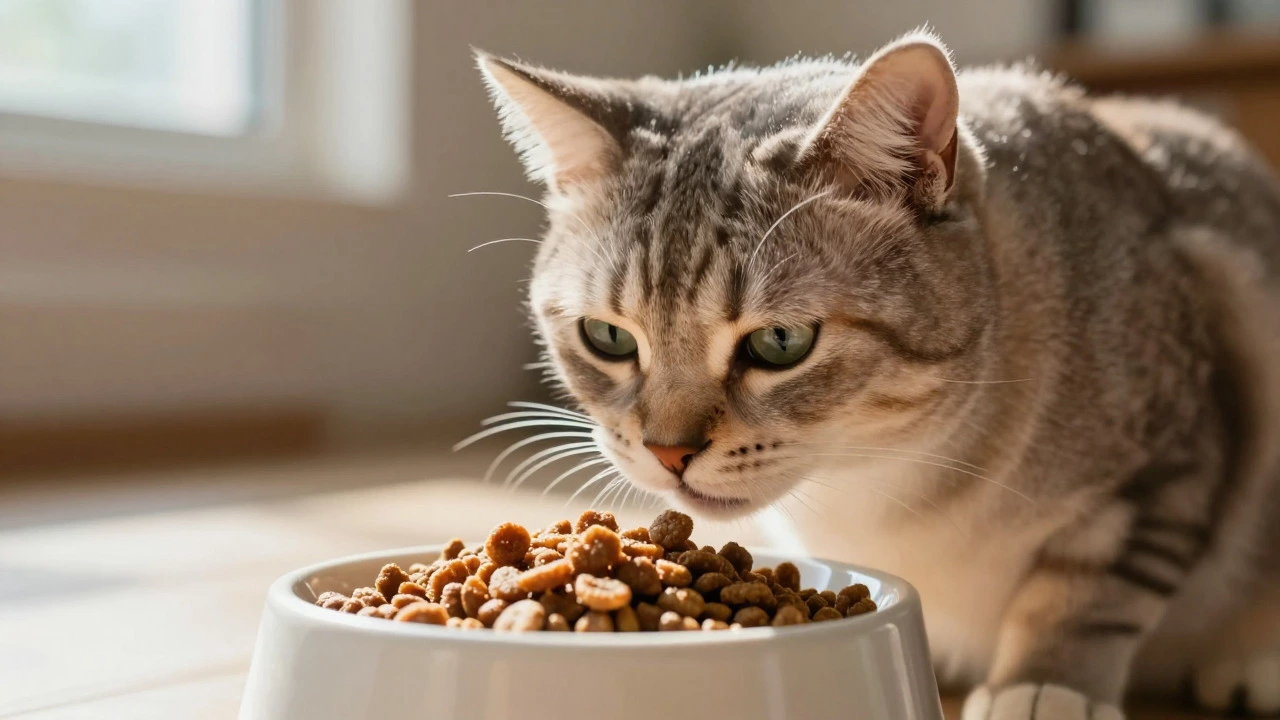
Most cats sit in front of their bowl, sniff the kibble once, and walk away. If that sounds familiar, you might be wondering if their dry food is just not good enough. The short answer is yes, adding something to your cat's diet is often a smart move. But what exactly should you add? Water? Wet food? Supplements? It depends on why you are looking to change things up.
Cats are obligate carnivores with specific biological needs that differ significantly from dogs or humans. Their kidneys, urinary tract, and muscle maintenance rely heavily on proper hydration and protein intake. While high-quality commercial kibble meets basic nutritional standards, it often lacks the moisture content necessary for long-term health in indoor cats who don't hunt wild prey. This guide breaks down the most effective additions to boost your cat's health without breaking the bank or causing digestive upset.
Why Hydration Is the Biggest Issue with Kibble
The primary drawback of feeding only dry food is low moisture content. Most standard dry cat food contains roughly 10% water by weight. In contrast, fresh meat or wet food contains around 70-80% water. Cats evolved in arid environments and have a low thirst drive; they prefer to get their fluids from prey rather than drinking from a bowl. This evolutionary trait makes them prone to dehydration-related issues like feline lower urinary tract disease (FLUTD) and chronic kidney disease (CKD).
If your cat drinks very little water, simply adding a water fountain may not be enough. You need to increase the overall moisture in their daily caloric intake. The most direct way to do this is by mixing in wet food. Even adding a small spoonful of gravy or broth can make a significant difference in their daily fluid balance. For cats already showing signs of early kidney strain, increasing moisture is not optional-it is a medical necessity recommended by most veterinary nephrologists.
The Best Toppers: Wet Food vs. Broths
When deciding what to mix into the kibble, quality matters more than quantity. Not all topers are created equal. Here is how the common options compare:
| Topper Type | Moisture Content | Nutritional Value | Best For |
|---|---|---|---|
| Paste/Wet Food | 75-80% | High protein, complete nutrition | Daily hydration, picky eaters |
| Broth (Bone or Chicken) | 95%+ | Low calories, electrolytes | Kidney support, extra fluids |
| Frozen Prey (Mouse/Rabbit) | 70% | Bioavailable nutrients, enrichment | Behavioral issues, dental health |
| Supplements (Powder/Liquid) | Varies | Targeted benefits (e.g., Omega-3s) | Skin/coat, joint health |
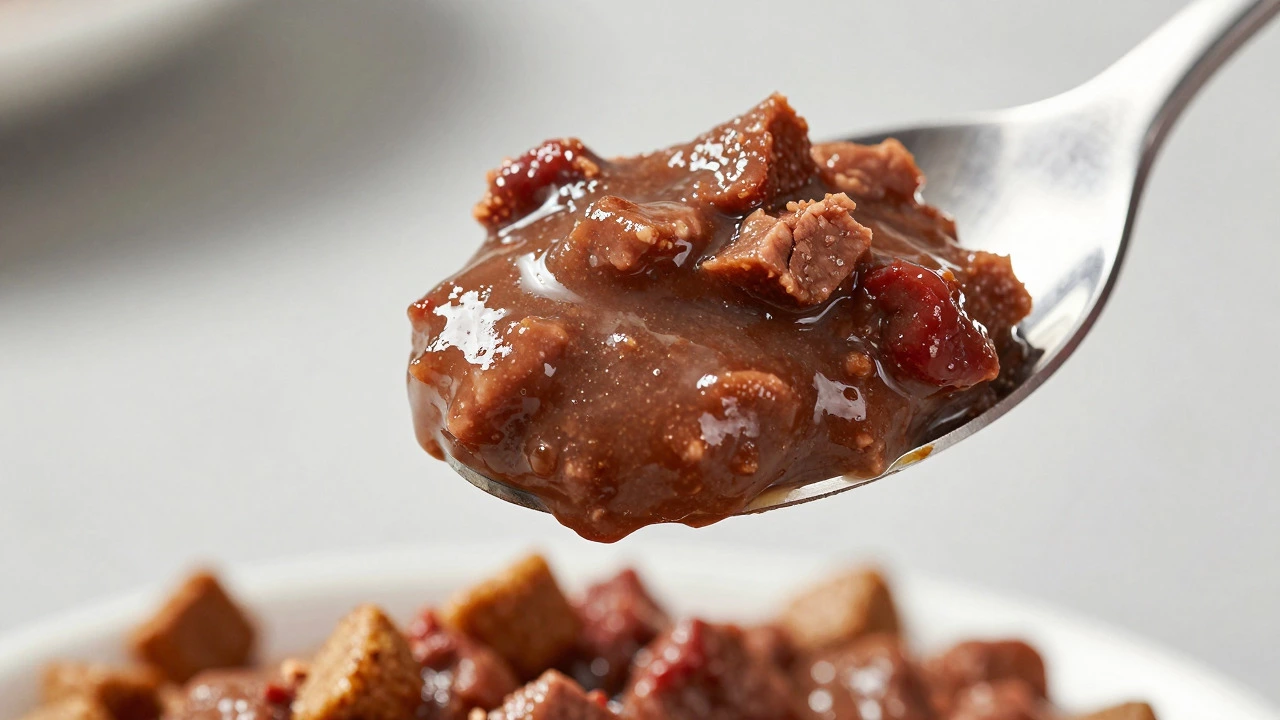
Wet food paste is the gold standard for most households. Look for brands that list whole meat as the first ingredient and avoid those filled with plant-based gums or artificial colors. Mixing a tablespoon of pâté-style wet food into a serving of kibble makes the meal more aromatic, which helps stimulate appetite in older or finicky cats. The fat content in wet food also adds flavor compounds that dry food often lacks due to the extrusion process used to create kibble.
For cats with sensitive stomachs or those who refuse solid chunks, bone broth is an excellent alternative. Just ensure the broth is unsalted and free from onions, garlic, or xylitol, which are toxic to felines. Bone broth provides gelatin and amino acids that support gut lining integrity and joint health. It is particularly useful for cats recovering from surgery or those with mild gastrointestinal inflammation.
Nutritional Gaps: What Kibble Might Be Missing
While AAFCO (Association of American Feed Control Officials) sets minimum standards for pet food, these standards do not guarantee optimal health outcomes. Some owners choose to supplement their cat's diet to address specific deficiencies or enhance wellness. However, you must be careful not to over-supplement, as excess vitamins can be harmful.
- Taurine: An essential amino acid that cats cannot synthesize efficiently. Deficiency leads to blindness and heart problems. Most commercial foods contain adequate taurine, but if you feed raw diets or home-cooked meals, supplementation is critical. Check your kibble label; it should clearly state the taurine percentage.
- Omega-3 Fatty Acids: Specifically EPA and DHA. These support brain function, reduce inflammation, and improve coat condition. Fish oil supplements are popular, but quality varies wildly. Choose pharmaceutical-grade sources to avoid heavy metal contamination.
- Probiotics: Beneficial bacteria that aid digestion. While many cats thrive without them, probiotics can help manage occasional diarrhea or stress-induced digestive issues. Look for strains specifically studied in felines, such as Lactobacillus acidophilus.
Avoid giving human multivitamins unless directed by a vet. Many contain iron or copper levels that are too high for cats, leading to oxidative stress and organ damage. Stick to feline-specific formulations if you decide to go the supplement route.
How to Transition Without Upsetting Their Stomach
Cats are creatures of habit, and sudden changes to their food texture or smell can cause refusal or vomiting. Do not dump a large amount of wet food onto dry kibble overnight. Instead, use a gradual transition method over 7-10 days.
- Days 1-2: Sprinkle a few drops of warm water or a tiny bit of broth over the kibble. This rehydrates the surface and releases aromas.
- Days 3-4: Mix in one teaspoon of wet food paste. Ensure it is well incorporated so there are no separate 'wet' spots that might confuse the cat.
- Days 5-7: Increase the ratio to half wet, half dry. Monitor stool consistency. Soft stools indicate you are moving too fast.
- Day 8+: Adjust the ratio based on your cat's preference and health goals. Some owners settle on 25% wet / 75% dry, while others go 50/50.
Warmth is key. Cats rely heavily on scent. Microwave the wet food or broth for 5-10 seconds until it is lukewarm (not hot). The warmth amplifies the smell, making the mixture more appealing. Serve it at room temperature to avoid thermal shock to the stomach.
Common Mistakes to Avoid
Even with the best intentions, owners often make errors that negate the benefits of adding toppers. Watch out for these pitfalls:
- Overfeeding Calories: Wet food is calorie-dense. If you add a full can of wet food on top of a full portion of kibble, your cat will likely gain weight. Reduce the kibble portion by 20-30% when introducing wet food.
- Using Dairy: Milk is a common myth. Most adult cats are lactose intolerant. A splash of milk can cause gas, bloating, and diarrhea. Use water or broth instead.
- Igoring Dental Health: Dry food does not clean teeth effectively despite popular belief. Adding wet food does not worsen dental health, but it doesn't solve it either. Continue regular brushing or dental chews approved by the VOHC (Veterinary Oral Health Council).
- Mixing Brands Randomly: Switching between multiple brands of kibble and wet food can lead to inconsistent nutrient profiles. Stick to one trusted brand line to ensure balanced intake over time.
Special Considerations for Senior Cats
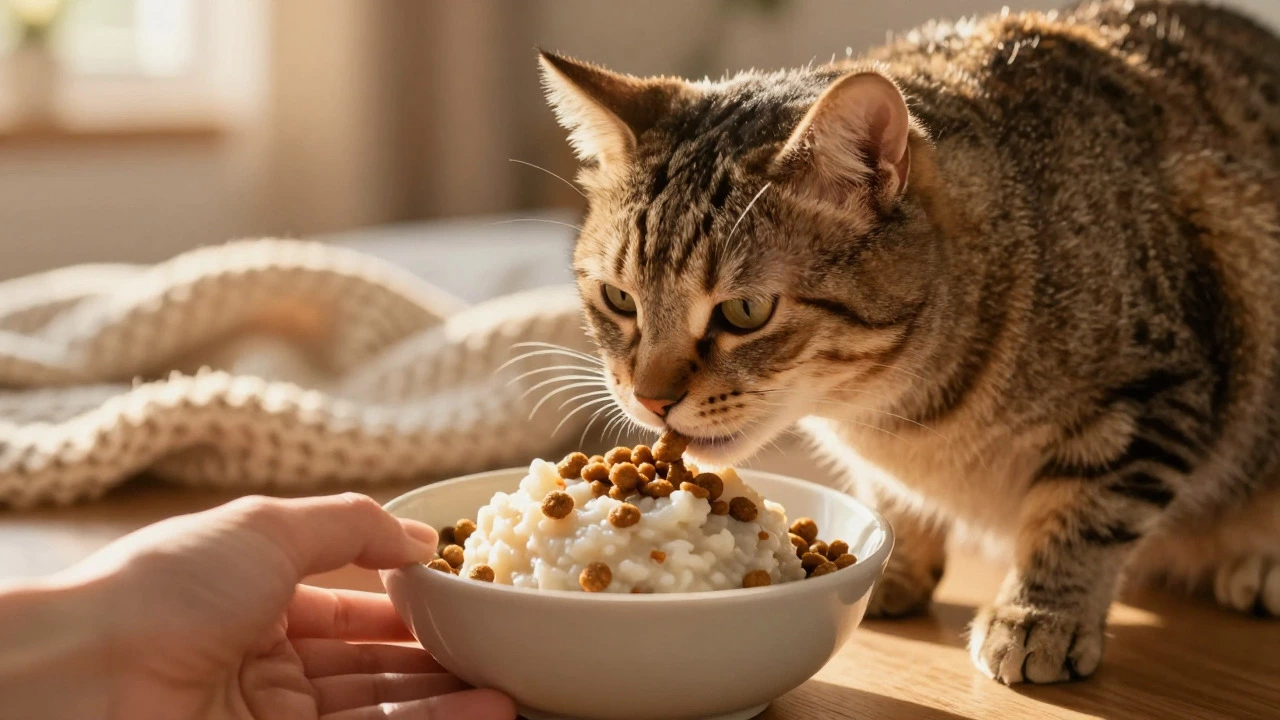
As cats age, their metabolic rate slows, and their sense of smell may diminish. Older cats often require softer textures and higher protein density to maintain muscle mass. For senior cats, consider using a 'mash' technique where you blend the kibble with warm water and wet food until it forms a porridge-like consistency. This makes chewing easier for cats with dental pain or missing teeth.
Additionally, senior cats are more susceptible to hyperthyroidism and diabetes. High-carbohydrate fillers in some kibbles can exacerbate blood sugar spikes. If your vet has diagnosed a metabolic condition, ask for a prescription diet recommendation before adding random topers. Sometimes, the base food itself needs to change before any additives will help.
Frequently Asked Questions
Is it bad to mix wet and dry food?
No, mixing wet and dry food is generally safe and beneficial for hydration. The main risk is overfeeding calories. To prevent this, reduce the amount of dry kibble when you add wet food. Ensure both foods are from reputable brands with similar protein sources to avoid digestive upset.
Can I add chicken broth to my cat's dry food?
Yes, provided the broth is plain, unsalted, and free from onion, garlic, or xylitol. Bone broth is particularly good as it contains collagen and gelatin. Avoid store-bought bouillon cubes, which often contain high sodium levels that can strain a cat's kidneys.
Does dry food really not clean a cat's teeth?
Research shows that standard kibble does not significantly reduce plaque or tartar buildup. The abrasive action is insufficient to remove calculus. Regular tooth brushing remains the most effective method. Dental treats with the VOHC seal of acceptance are a secondary option, but they should not replace professional cleanings.
What is the best liquid to add to dry cat food?
Water is the safest and cheapest option. Warming the water slightly enhances the aroma. For added nutritional value, use low-sodium bone broth or the juice from a can of tuna (packed in water, not oil). Avoid dairy, citrus juices, and flavored waters.
How much wet food should I add to dry food?
Start with 10-20% of the total meal volume as wet food. For example, if your cat eats 1/2 cup of kibble, add about 1-2 tablespoons of wet food. Gradually increase to 50% if your goal is maximum hydration. Always monitor body condition score to adjust portions accordingly.