Homemade Dog Diet Calculator & Transition Planner
Gradually increase the percentage of homemade food while decreasing commercial kibble over 7 days.
25%
50%
75%
100%
Imagine opening your fridge and wondering if that leftover chicken breast or a slice of carrot is safe for your furry friend. It’s a common dilemma for pet owners who want to provide fresh, high-quality nutrition but fear making a costly mistake. The truth is, you don’t have to rely solely on kibble or canned store-bought meals. Many human foods are not only safe for dogs but also packed with nutrients that support their health. However, the line between beneficial and toxic is thin, and getting it wrong can lead to serious digestive issues or worse.
This guide breaks down exactly what you can feed your dog instead of commercial dog food, focusing on practical, vet-approved options. We will look at specific ingredients, how to prepare them, and which foods to avoid at all costs. Whether you are looking to add variety to their diet or considering a full switch to a homemade plan, this information will help you make confident, safe choices.
Key Takeaways
- Plain proteins like cooked chicken, turkey, and lean beef form the foundation of most alternative diets.
- Sweet potatoes are an excellent complex carbohydrate source that provides energy without spiking blood sugar levels, unlike white rice or pasta.
- Avoid seasoning entirely; salt, garlic, onion, and spices are major hazards for canine digestion.
- Supplementation is critical when moving away from complete commercial formulas to prevent deficiencies in calcium and taurine.
- Transition slowly over 7-10 days to allow gut bacteria to adjust to new fiber and protein sources.
The Foundation: Safe Proteins and Carbohydrates
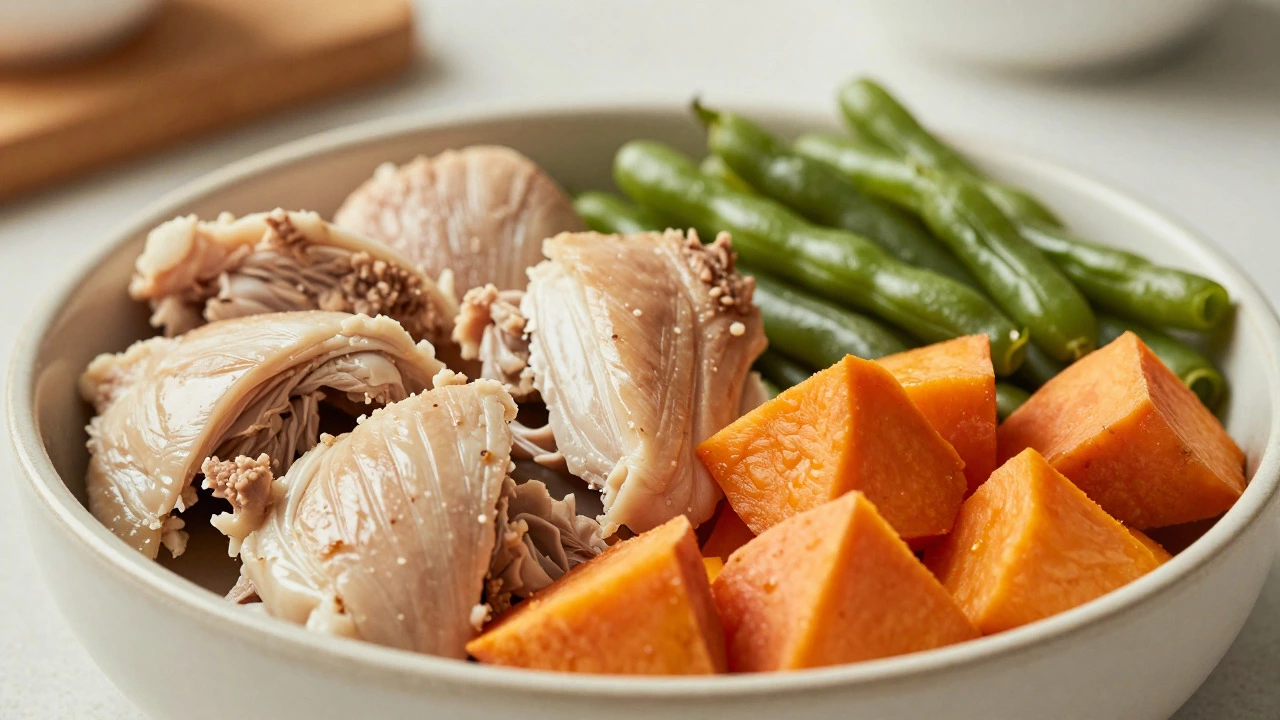
When building a meal from scratch, you need two main components: muscle-building protein and energy-providing carbohydrates. For protein, stick to plain, unseasoned meats. Chicken breast is a staple because it is low in fat and easy to digest. Turkey works well too, especially during holiday seasons when you might have leftovers. Just remember to remove all skin, as high-fat content can trigger pancreatitis in sensitive dogs.
Beef is another strong option, particularly ground lean beef, which is easier for smaller breeds to chew. Fish like salmon offers omega-3 fatty acids that coat the skin and reduce inflammation, but ensure there are no bones left in the fillet. When it comes to carbs, sweet potato is often considered the gold standard. It is rich in beta-carotene, which supports immune function. White rice is acceptable as a filler for dogs with upset stomachs, but it lacks the micronutrients found in vegetables and whole grains. Avoid corn and wheat, as they are common allergens and offer little nutritional value compared to other plant-based sources.
| Protein Source | Fat Content | Digestibility | Best For |
|---|---|---|---|
| Cooked Chicken Breast | Low | High | Weight management, sensitive stomachs |
| Ground Lean Beef | Medium | Medium | Muscle maintenance, active dogs |
| Salmon Fillet | Medium-High | High | Skin and coat health |
| Turkey | Low | High | Low-calorie diets |
Veggies That Boost Nutrition
Vegetables should make up about 25-30% of a balanced homemade diet. They provide essential vitamins, minerals, and fiber that keep the digestive tract moving. Green beans are a favorite among vets because they are low in calories and high in fiber, making them ideal for dogs who need to lose weight. You can steam them lightly to make them softer, or serve them raw if your dog is a good chewer.
Carrots are crunchy and help clean teeth while providing vitamin A. Pumpkin puree (the kind used for pies, without added sugar) is fantastic for regularity. If your dog has occasional diarrhea, a tablespoon of pumpkin can firm up stools quickly. Broccoli is nutritious but should be given in moderation, as large amounts can cause gas. Always chop vegetables into bite-sized pieces to prevent choking, especially for small breeds like Chihuahuas or Yorkshire Terriers.
The Danger Zone: Foods to Avoid
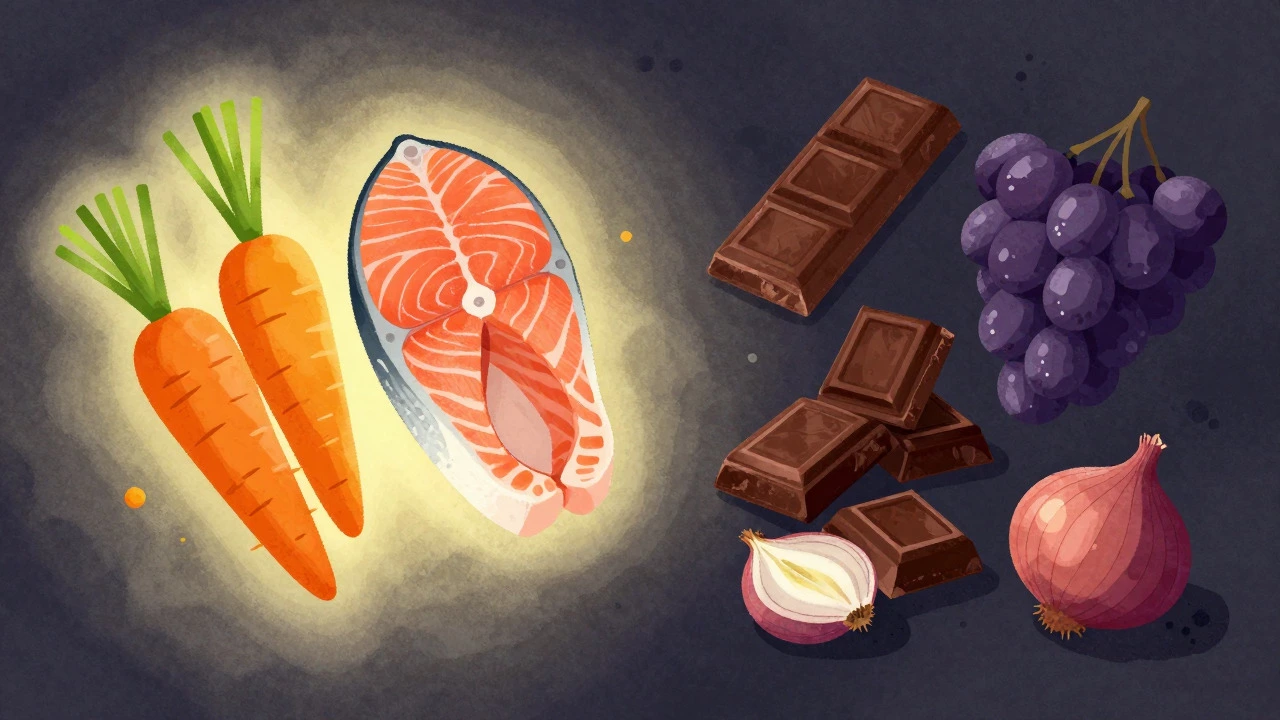
While many human foods are safe, some are outright toxic. Chocolate is the most famous example, containing theobromine which dogs cannot metabolize efficiently. Even small amounts of dark chocolate can cause heart arrhythmias. Grapes and raisins are another hidden danger; the exact toxin is unknown, but ingestion can lead to acute kidney failure. Keep these out of reach, especially during Thanksgiving or Christmas when table scraps are abundant.
Onions and garlic are often dismissed as harmless flavorings, but they damage red blood cells in dogs, leading to anemia. This includes dried onion powder, which is frequently found in processed human foods. Avocado contains persin, a fungicidal toxin that can cause vomiting and diarrhea. While a tiny sliver might not kill a large dog, it is best to avoid the fruit entirely. Xylitol, an artificial sweetener found in gum and some peanut butters, causes a rapid drop in blood sugar and liver failure. Always check labels carefully before offering any treat.
Supplements: The Missing Link
Commercial dog food is formulated to meet specific Association of American Feed Control Officials (AAFCO) standards. This means every bag contains precise amounts of calcium, phosphorus, taurine, and various vitamins. When you cook food at home, you lose some nutrients through heat, and you rarely get the perfect balance naturally. Without supplementation, dogs on homemade diets are at risk for metabolic bone disease due to calcium deficiency or heart issues from low taurine levels.
You do not need to guess. There are commercially available supplements designed specifically for home-cooked dog meals. These typically come in liquid or powder form and include a multi-vitamin mix, calcium carbonate, and fish oil. Consult your veterinarian to determine the correct dosage based on your dog's weight and age. Adding these supplements turns a simple meal of chicken and rice into a biologically complete diet. Skipping this step is the most common reason homemade feeding fails long-term.
How to Transition Safely
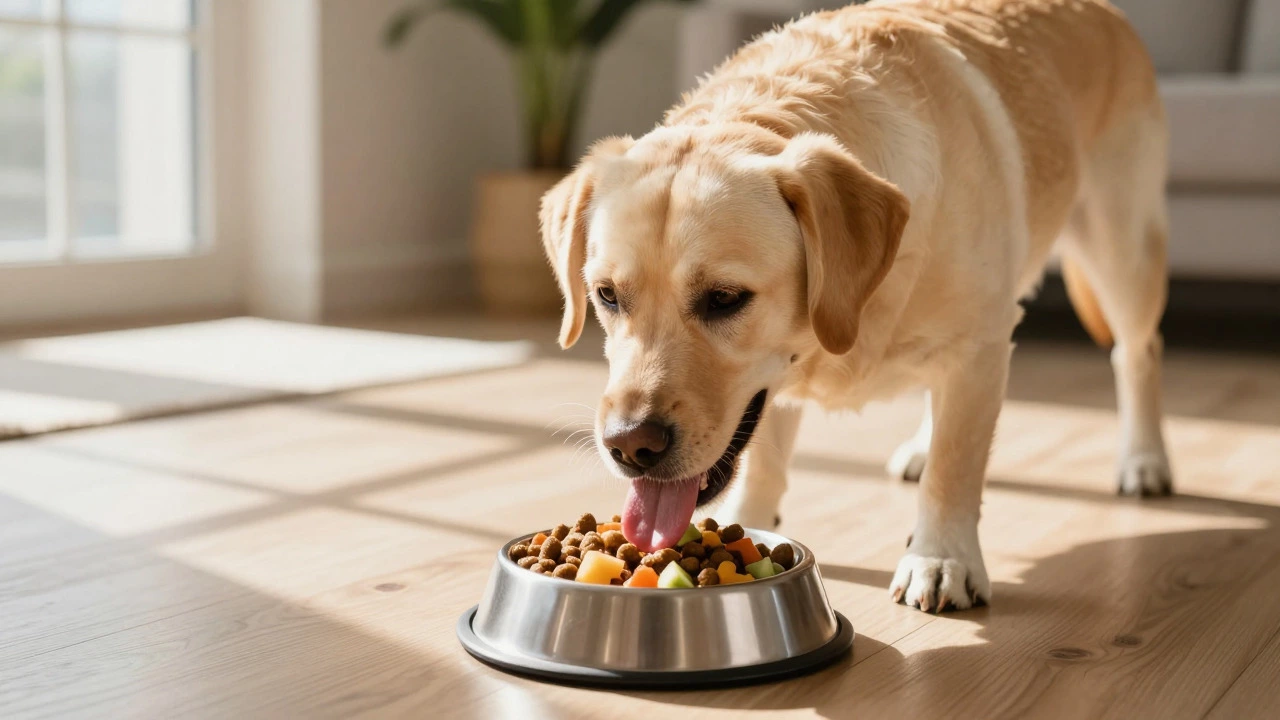
Your dog's gut microbiome is adapted to its current diet. Sudden changes can cause loose stools or refusal to eat. Start by mixing 25% of the new homemade meal with 75% of their current food. Over the next three days, increase the ratio to 50/50. By day five, move to 75% new food and 25% old. Finally, transition to 100% homemade meals by day seven or ten. Monitor their stool quality daily; firm, brown stools indicate a successful adaptation. If you see persistent diarrhea after a week, revert to the previous ratio and proceed more slowly.
Portion control is also vital. A general rule of thumb is that adult dogs need 2-3% of their body weight in food per day, split into two meals. Puppies require more frequent feeding and higher calorie density. Use a kitchen scale for accuracy rather than guessing with cups. Adjust portions based on your dog's activity level and body condition score. You should be able to feel their ribs easily without seeing them protruding. If they gain weight, reduce the carbohydrate portion slightly.
FAQ
Can I feed my dog only chicken and rice?
For short periods, yes, it is safe. However, for long-term feeding, it lacks sufficient calcium, vitamins, and varied amino acids. You must add a supplement pack and rotate protein sources to ensure a complete nutrient profile.
Is raw meat safer than cooked meat for dogs?
Cooked meat is generally safer as it eliminates the risk of Salmonella and E. coli. Raw diets carry a higher risk of bacterial contamination for both the dog and the owner. If choosing raw, strict hygiene protocols are necessary.
How much vegetable should I give my dog?
Aim for roughly one-quarter of the total meal volume. For example, if you are serving 200g of meat, add approximately 50-60g of chopped vegetables. Too much fiber can interfere with protein absorption.
Are eggs safe for dogs?
Yes, cooked eggs are an excellent source of protein and healthy fats. Avoid feeding raw egg whites regularly, as they contain avidin, which blocks biotin absorption. One or two eggs per week is a great supplement.
What if my dog refuses to eat the homemade food?
Warm the food slightly to enhance the aroma. Mix it with a small amount of their usual kibble or a splash of warm water/broth (unsalted). Consistency is key; do not let them go hungry for more than 24 hours, or they may develop picky eating habits.