Cat Food Hydration Calculator
Calculate the optimal amount of water to add to your cat's dry kibble based on portion size and desired texture.
- Serving Time: Serve immediately after mixing.
- Discard After: 20-30 minutes to prevent bacterial growth.
- Cleaning: Wash bowl with hot, soapy water after use.
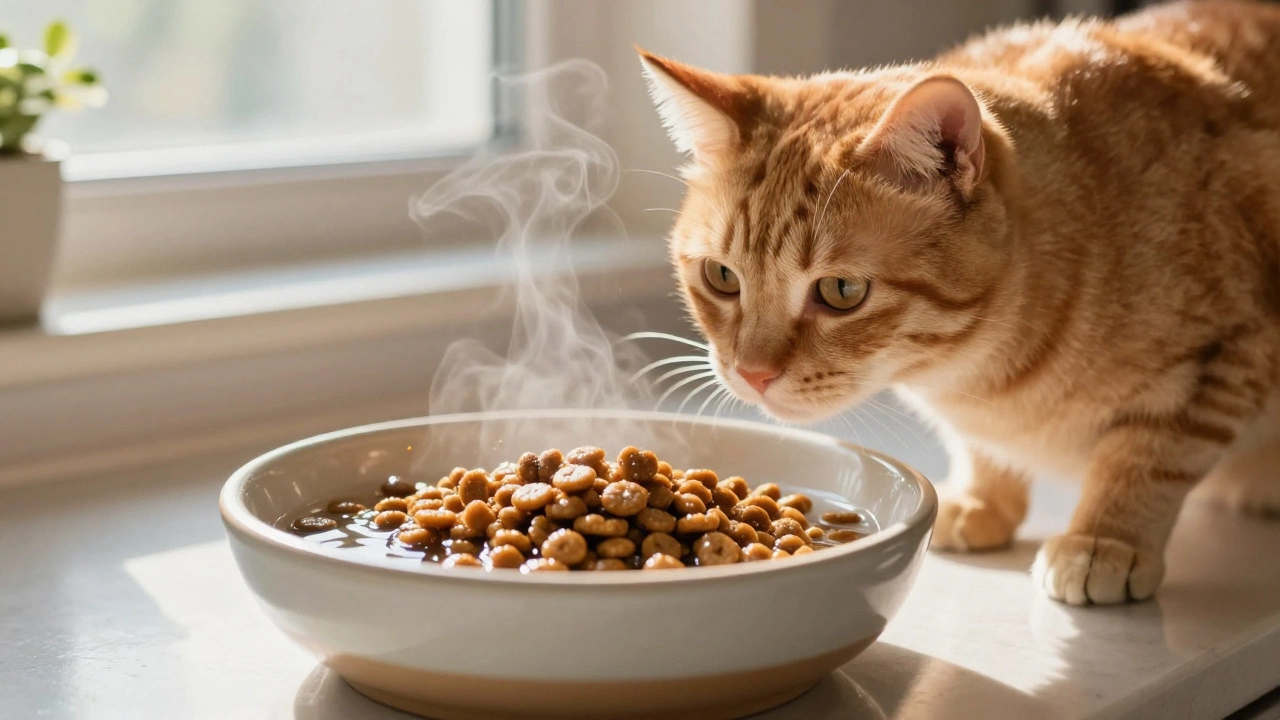
Have you ever watched your cat walk past the water bowl, head down, ignoring the fresh supply? You’re not alone. Many cat owners struggle with getting their pets to drink enough water, leading to concerns about kidney health and urinary issues. One common hack that pops up in forums and vet waiting rooms is adding a splash of water to dry kibble. But is this actually safe? Does it help, or does it spoil the food faster? The short answer is yes, it is generally okay to moisten dry cat food, but there are specific rules you need to follow to keep your cat healthy and happy.
Why Hydration Matters for Cats
To understand why you might want to add water to kibble, a type of dry pet food consisting of small pieces of cooked meat and grains extruded into bite-sized shapes, you first have to look at feline biology. Cats evolved from desert ancestors who got most of their moisture from prey. Unlike dogs, they have a low thirst drive. In the wild, a mouse is roughly 70% water. When we feed them dry food, which contains only about 10% moisture, we are asking them to compensate by drinking plain water. Most cats simply don’t do this instinctively.
Chronic dehydration, a condition where the body loses more fluids than it takes in, leading to serious health complications is a silent threat. It puts unnecessary strain on the kidneys and increases the risk of feline lower urinary tract disease (FLUTD), a group of disorders affecting the bladder and urethra in cats. By increasing the moisture content of their meals, you are mimicking a more natural diet. This isn't just about quenching thirst; it’s about supporting long-term organ function. If your cat is prone to urinary crystals or has early-stage kidney disease, every extra milliliter of water counts.
The Benefits of Wetting Kibble
Adding water to dry food offers several practical advantages beyond just hydration. First, it can improve palatability. The aroma of warm, moistened food is often stronger than dry kibble, which can be a game-changer for picky eaters or senior cats with diminished senses of smell. Second, it aids digestion. Softer food is easier to chew and break down, which is helpful for older cats with dental issues like gingivitis or missing teeth. Finally, it can slow down eating speed. Some cats inhale their dry food, leading to vomiting. A slightly soggy texture forces them to take smaller bites and chew more thoroughly.
- Enhanced Flavor: Water releases volatile compounds in the food, making it smell better to your cat.
- Dental Comfort: Softens hard kibble for cats with sore gums or broken teeth.
- Improved Digestion: Pre-hydrates the food, reducing the burden on the stomach to break down dry particles.
- Slower Eating: Changes the texture, encouraging mindful chewing rather than gulping.
Risks and Pitfalls to Avoid
While moistening kibble is beneficial, doing it wrong can create new problems. The biggest risk is bacterial growth. Dry food is designed to be shelf-stable because its low moisture content prevents bacteria from thriving. Once you add water, you create a perfect breeding ground for pathogens like Salmonella or E. coli. If you leave wetted kibble out for more than 20-30 minutes, especially in warm weather, it becomes a health hazard. You must discard any uneaten portion after this time frame.
Another concern is nutritional imbalance. If you add too much water, you might dilute the nutrient density of the meal, though this is rare if you are just adding a small amount. More importantly, some cats may develop a preference for soft food and refuse dry kibble altogether. This can lead to obesity if you end up overfeeding to satisfy their appetite, as wetted food is less calorie-dense by volume but may encourage begging. Always monitor your cat’s weight and adjust portions accordingly. Also, avoid using hot water directly from the tap, as it can contain impurities or be too hot, damaging the nutrients in the food. Use room temperature or lukewarm filtered water instead.
How to Properly Moisten Dry Cat Food
If you decide to try this method, consistency is key. Here is a step-by-step guide to doing it safely:
- Measure the Food: Start with your cat’s regular daily portion of dry kibble. Do not increase the quantity initially.
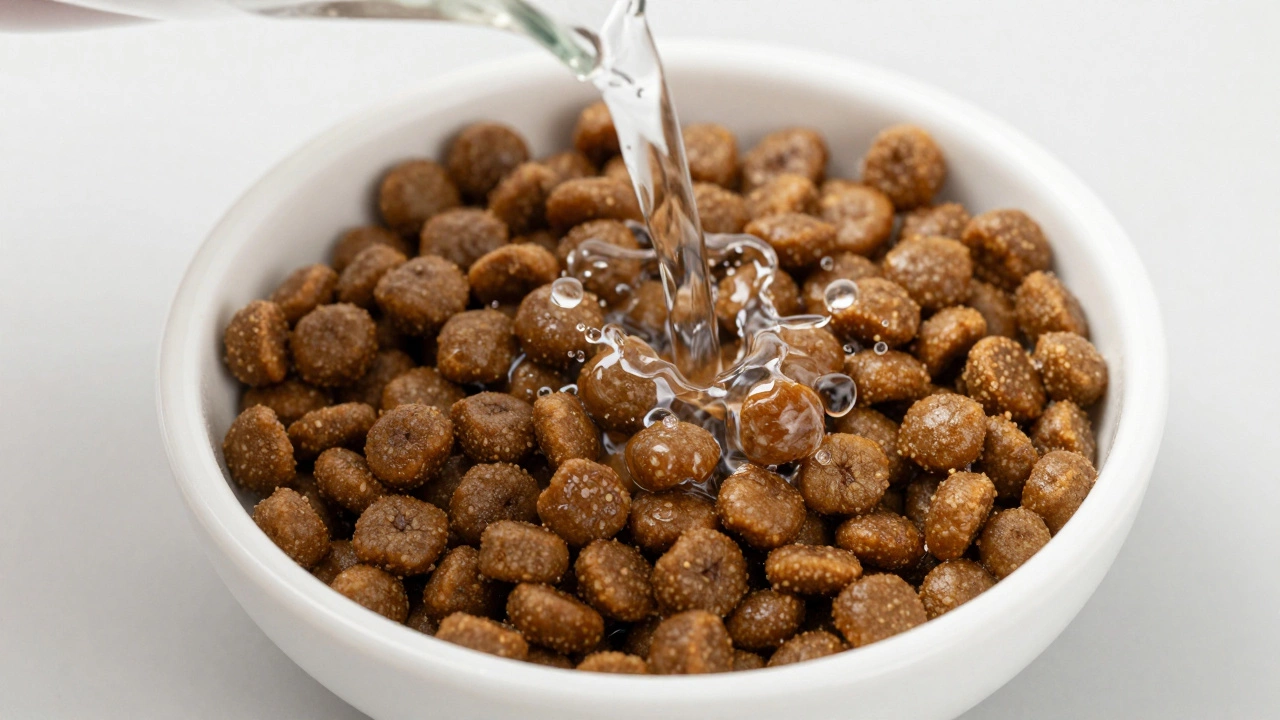
- Add Water Gradually: Pour a small amount of room-temperature water over the kibble. A good starting ratio is about 1 tablespoon of water per cup of kibble. Adjust based on your cat’s preference.
- Mix Thoroughly: Stir the food well to ensure even distribution. You want the kibble to soften slightly, not turn into soup.
- Let It Sit: Allow the mixture to sit for 5-10 minutes. This gives the kibble time to absorb the water and soften.
- Serve Immediately: Offer the food to your cat right away. Set a timer for 20 minutes.
- Clean Up: After 20 minutes, remove any uneaten food. Wash the bowl with hot, soapy water to prevent bacterial buildup.
You can also experiment with using low-sodium chicken broth or tuna juice instead of plain water for extra flavor. Just make sure the broth contains no onions, garlic, or excessive salt, as these are toxic to cats. Another option is to mix the wetted kibble with a small amount of canned wet food. This creates a hybrid meal that combines the convenience of dry food with the high moisture content of wet food.
| Method | Hydration Boost | Convenience | Risk of Spoilage | Best For |
|---|---|---|---|---|
| Moistening Kibble | Moderate | High | Medium (if left out) | Picky eaters, seniors |
| Fresh Water Bowl | Low (depends on cat) | Very High | Low | All cats |
| Water Fountain | Medium-High | Medium | Low | Cats who ignore still water |
| Wet Food Only | Very High | Low (prep/cleanup) | High (refrigeration needed) | Kidney disease, urinary issues |
Alternatives to Moistening Kibble
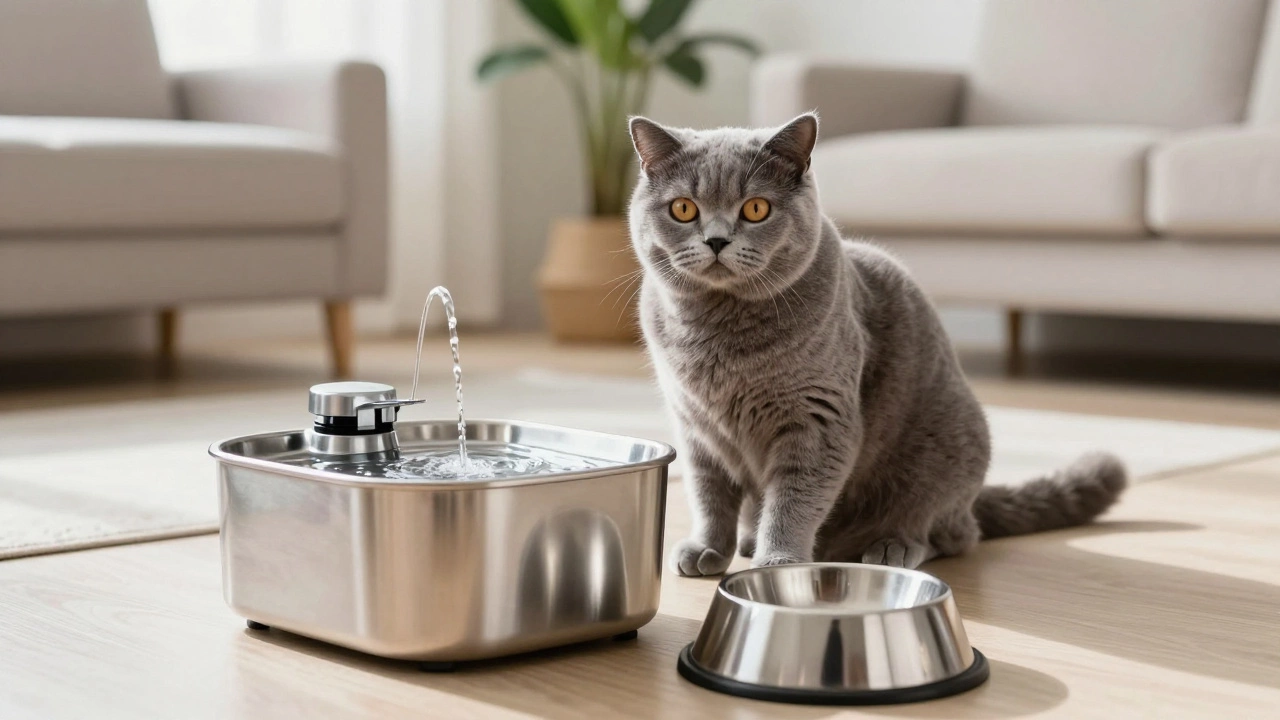
If your cat rejects wetted kibble or you find the cleanup tedious, there are other strategies to boost hydration. A cat water fountain, a device that circulates and filters water to provide a continuous flow of fresh drinking water is highly effective. Many cats prefer moving water because it signals freshness and safety in nature. Place multiple bowls around the house, away from food stations, as cats instinctively avoid drinking near where they eat. You can also freeze water with bits of tuna or chicken broth to create ice cubes that your cat can lick throughout the day. Transitioning to a primarily wet food diet is the gold standard for hydration, but it requires careful introduction to avoid digestive upset.
When to Consult Your Veterinarian
While moistening food is a home remedy, it is not a cure-all. If your cat is showing signs of severe dehydration-such as sunken eyes, loss of skin elasticity (when you gently pinch the skin between the shoulder blades, it should snap back quickly), lethargy, or bad breath-you need to see a vet immediately. Chronic kidney disease (CKD) is common in older cats and requires medical management, not just dietary tweaks. Your veterinarian can run blood and urine tests to assess your cat’s kidney function and recommend a specific prescription diet if necessary. They can also rule out dental pain, which might be the real reason your cat avoids dry food.
Conclusion: Is It Worth It?
Moistening dry cat food is a simple, low-cost intervention that can significantly improve your cat’s hydration status. It bridges the gap between the convenience of dry food and the biological needs of a desert predator. By following proper hygiene practices and monitoring your cat’s response, you can safely incorporate this habit into their routine. Remember, the goal is to make water intake effortless for your cat. Whether through wetted kibble, fountains, or wet food, prioritizing hydration is one of the best things you can do for their long-term health.
How much water should I add to my cat's dry food?
Start with a small amount, such as 1 tablespoon of water per cup of kibble. The goal is to soften the kibble slightly, not to create a soup. Adjust the amount based on your cat's preference and how quickly they eat. Too much water can make the food unappetizing or cause it to spoil faster.
Can I use hot water to moisten dry cat food?
It is better to use room temperature or lukewarm water. Boiling water can destroy some nutrients in the food and may burn your cat's mouth if not cooled sufficiently. Lukewarm water can enhance the aroma, making the food more appealing, but ensure it is not too hot before serving.
How long can moistened cat food sit out?
Moistened cat food should not sit out for more than 20-30 minutes. The added moisture creates an environment where bacteria can grow rapidly. After this time, any uneaten food should be discarded, and the bowl should be washed thoroughly with hot, soapy water.
Will moistening dry food ruin my cat's teeth?
No, moistening dry food will not ruin your cat's teeth. While dry kibble was once thought to clean teeth, studies show it has minimal impact on dental health. Brushing your cat's teeth regularly is far more effective for preventing plaque and tartar buildup. Moistened food is actually gentler on sensitive gums.
Is it better to feed wet food or moistened dry food?
Wet food is generally superior for hydration because it contains 70-80% moisture, compared to the 10-20% in moistened kibble. However, moistened dry food is a good compromise if your cat refuses wet food or if budget and convenience are concerns. Ideally, a combination of both or a primarily wet food diet is best for cats with urinary or kidney issues.