
Greek Yogurt Safety & Serving Calculator for Dogs
*Start with half this amount for the first week to monitor tolerance.
Opening the fridge and seeing a tub of Greek yogurt is a thick, strained dairy product rich in protein and probiotics that has gained popularity as a human superfood. Also known as strained yogurt, it differs from regular yogurt by having more whey removed, resulting in a denser texture and higher nutrient concentration. Many dog owners wonder if this creamy treat is safe for their furry companions or if it should stay strictly on the human side of the counter. The short answer is yes, but with strict conditions.
Dogs can eat plain Greek yogurt, but only if it is unsweetened and free of artificial additives. This simple food item serves as a natural source of probiotics are live microorganisms that support gut health by balancing intestinal bacteria. For dogs experiencing mild digestive upset, these beneficial bacteria can help restore normal bowel movements. However, not all dogs tolerate dairy well, so understanding your pet's specific needs is crucial before adding this to their routine.
Why Owners Consider Greek Yogurt for Their Dogs
The appeal of feeding Greek yogurt to dogs usually stems from its nutritional density compared to other treats. Unlike processed chews or biscuits, Greek yogurt offers whole-food benefits without added fillers. It contains high levels of protein is a macronutrient essential for muscle growth and repair in mammals, which supports active dogs and those recovering from illness. Additionally, it provides calcium is a mineral vital for bone strength and dental health, contributing to skeletal maintenance over time.
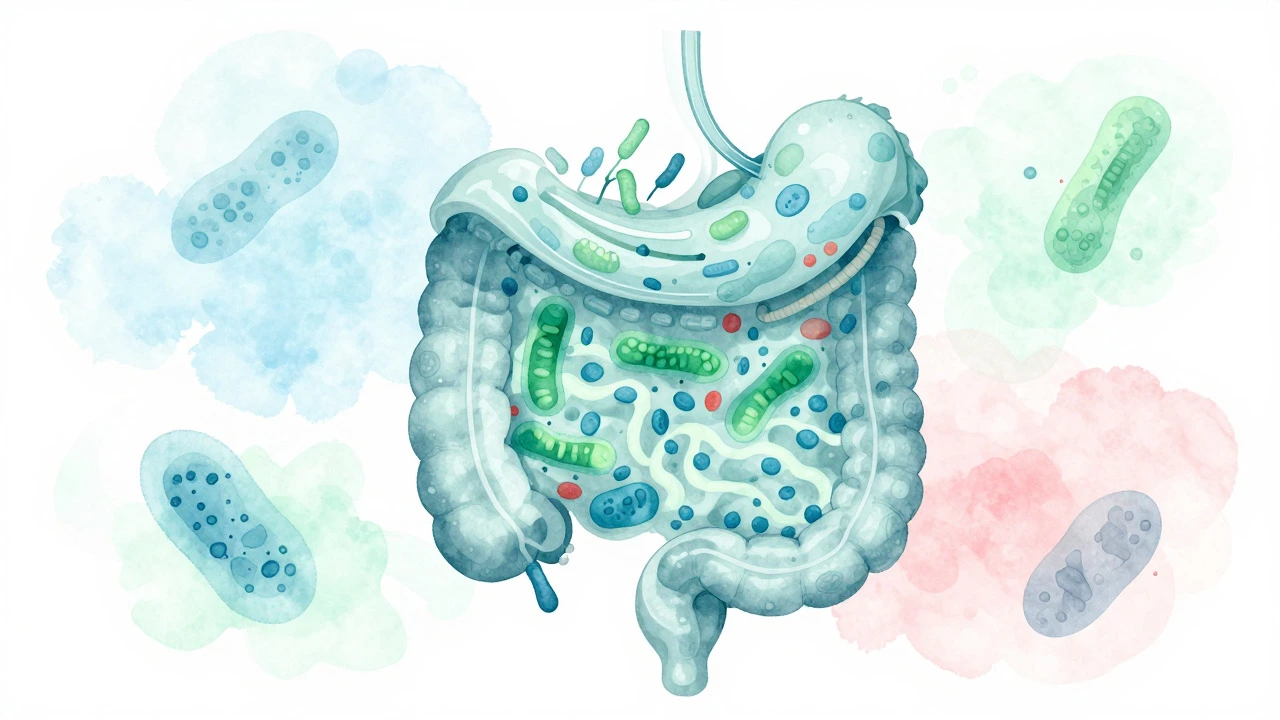
Beyond basic nutrition, the primary driver for many pet parents is gut health. Canine gastrointestinal issues are common, ranging from occasional loose stools to chronic sensitivity. Probiotics found in live-culture yogurts work by introducing good bacteria into the digestive tract. This can compete with harmful pathogens and improve the absorption of nutrients. If your dog has been on antibiotics, which wipe out both good and bad bacteria, reintroducing probiotics through food like Greek yogurt can speed up recovery.
Nutritional Breakdown: What’s Actually Inside
To make an informed decision, you need to look at what exactly goes into a standard serving. A typical 100-gram portion of plain, full-fat Greek yogurt contains approximately 59 calories, 9 grams of protein, 4 grams of fat, and 3.6 grams of carbohydrates. The carbohydrate content comes primarily from lactose is a sugar found in milk products that requires the enzyme lactase for digestion. This is the critical factor for dogs, as many lack sufficient lactase production after weaning.
| Nutrient | Plain Greek Yogurt | Regular Yogurt |
|---|---|---|
| Calories | 59 kcal | 60 kcal |
| Protein | 9 g | 4 g |
| Lactose Content | Lower (due to straining) | Higher |
| Texture | Thick, dense | Runny, liquid |
| Recommended Serving for Dogs | 1-2 tablespoons | Not recommended |
Note that the lower lactose content in Greek yogurt makes it slightly easier for some dogs to digest than regular yogurt, but it does not eliminate the risk entirely. The higher protein content means you should adjust the portion size carefully to avoid exceeding your dog's daily caloric intake.
Key Benefits for Canine Health
When fed correctly, Greek yogurt delivers several tangible health advantages. First, it acts as a gentle digestive aid. The live cultures, typically including Lactobacillus bulgaricus and Streptococcus thermophilus, help maintain a healthy microbiome. This is particularly useful for dogs with sensitive stomachs who struggle with commercial probiotic supplements due to taste or texture preferences.
Second, it supports immune function. A significant portion of the body's immune system resides in the gut. By promoting a balanced bacterial environment, Greek yogurt indirectly strengthens the dog's defense against infections and inflammation. Third, it can serve as a healthy alternative to high-calorie treats. Replacing a few kibble pieces or a biscuit with a small spoonful of yogurt can add moisture and variety to meals without spiking blood sugar levels, provided no sugar is added.

Potential Risks and Pitfalls to Avoid
Despite its benefits, Greek yogurt is not universally suitable. The biggest risk involves lactose intolerance is a condition where the body lacks sufficient enzymes to break down milk sugar, leading to digestive distress. Signs of intolerance include gas, bloating, soft stools, or diarrhea within 24 hours of consumption. If your dog exhibits these symptoms, discontinue use immediately.
A second major pitfall is hidden ingredients. Many commercial brands add sweeteners, fruits, or flavorings that are dangerous for dogs. The most notorious offender is xylitol is an artificial sweetener that is highly toxic to dogs, causing rapid insulin release and potentially fatal hypoglycemia. Always check the ingredient list. Even "natural" fruit-flavored yogurts may contain high amounts of sugar, which contributes to obesity and dental decay. Stick strictly to plain, unflavored varieties.
How to Introduce Greek Yogurt Safely
Introducing any new food should be done gradually. Start with a very small amount, roughly half a teaspoon for small breeds and one tablespoon for medium to large breeds. Mix it into their regular meal or offer it separately to observe their reaction. Wait 24 hours before increasing the portion. If there are no adverse effects, you can increase the serving to a maximum of one to two tablespoons per day, depending on the dog's size.
- Select the right product: Choose plain, full-fat or low-fat Greek yogurt with no added sugars, xylitol, or artificial flavors.
- Start small: Begin with 0.5 to 1 teaspoon mixed into food.
- Monitor closely: Watch for signs of gas, vomiting, or changes in stool consistency for 24-48 hours.
- Adjust portion: If tolerated, increase to 1-2 tablespoons max per day.
- Rotate sources: Do not rely solely on yogurt for probiotics; vary sources to maintain microbial diversity.
Temperature matters too. While cold yogurt is fine for most dogs, some prefer room temperature. Letting it sit out for 10-15 minutes can make it more palatable and reduce the shock to the digestive system for sensitive pets.
Who Should Avoid Greek Yogurt?
Not every dog is a candidate for dairy-based treats. Puppies under six months old generally have immature digestive systems and should stick to formula or specialized puppy food. Senior dogs with compromised kidney function might need to limit calcium intake, so consult a vet before adding dairy. Dogs with a confirmed history of severe lactose intolerance or dairy allergies should avoid Greek yogurt altogether.
Additionally, dogs currently suffering from acute gastroenteritis (severe vomiting and diarrhea) should fast and hydrate first. Adding yogurt during an acute phase can sometimes worsen symptoms. Wait until the acute stage passes before reintroducing gentle foods like yogurt.
Frequently Asked Questions
Can dogs eat flavored Greek yogurt?
Generally, no. Flavored yogurts often contain added sugars, artificial sweeteners like xylitol, or fruit concentrates that are hard for dogs to digest. Stick to plain, unsweetened Greek yogurt to ensure safety and maximize health benefits.
How much Greek yogurt is too much for a dog?
For most adult dogs, more than two tablespoons per day is excessive. Excess dairy can lead to weight gain and digestive upset. Treat yogurt as a supplement, not a meal replacement, and keep it under 10% of your dog's daily caloric intake.
Is Greek yogurt better than regular yogurt for dogs?
Yes, usually. Because Greek yogurt is strained, it has less lactose and more protein than regular yogurt. This makes it easier for many dogs to digest while providing a denser nutritional profile in a smaller volume.
Can I freeze Greek yogurt for my dog?
Absolutely. Freezing Greek yogurt in ice cube trays creates a fun, cooling treat for hot days. Thaw the cubes slightly before serving if your dog has sensitive teeth, but most dogs enjoy chewing on them directly.
What if my dog vomits after eating yogurt?
Stop feeding yogurt immediately. Vomiting indicates intolerance or an allergic reaction. Withhold food for 12 hours, provide fresh water, and monitor your dog. If vomiting persists for more than 24 hours or is accompanied by lethargy, contact your veterinarian.