Fancy Feast Health Checker
Is Fancy Feast right for your cat? Select your cat's profile below to get a vet-backed recommendation.
Cat Profile
Select options and click "Check Suitability" to see the analysis.
Result Title
Details will appear here.
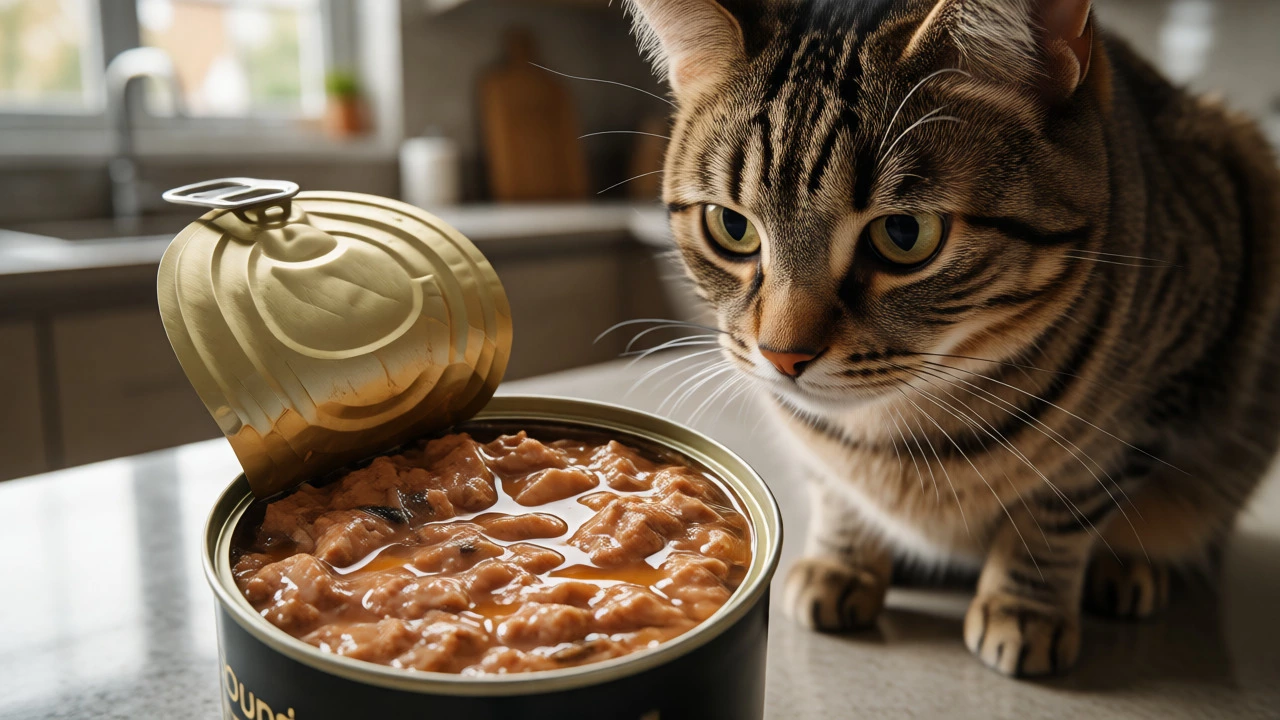
You’re standing in the pet aisle, staring at a tin of Fancy Feast that looks more like something you’d eat yourself than your tabby. It’s glossy, comes in gourmet varieties like "Seared Scallops," and costs a bit more than the generic brands. But here’s the burning question every cat parent asks: is fancy feast okay for cats? The short answer is yes, but with some serious caveats about ingredients and long-term health.
Cats are obligate carnivores. That means their bodies are built to run on meat, not grains or fillers. When we look at what goes into popular commercial foods, we need to separate marketing fluff from nutritional fact. This guide breaks down exactly what’s inside those tins, whether they meet AAFCO standards, and when you might want to look elsewhere.
What Exactly Is Fancy Feast?
Fancy Feast is a premium brand of wet and dry cat food owned by Nestlé Purina PetCare Company. Launched in 1982, it positioned itself as "gourmet" cat food, focusing on human-grade ingredients and elegant presentation. Unlike economy brands that rely heavily on corn or wheat fillers, Fancy Feast originally marketed itself as using real fish, chicken, and beef.
The brand has expanded significantly since its inception. You’ll find everything from pâté-style wet food to crunchy kibble and even treats. The core promise remains the same: high palatability. Most cats go crazy for it. If you have a picky eater who turns their nose up at other brands, Fancy Feast often wins them over immediately.
Nutritional Profile: Does It Meet Standards?
To determine if a food is safe, we look at the Association of American Feed Control Officials (AAFCO) statement. Every bag or can of Fancy Feast carries a label stating it provides "complete and balanced nutrition." This means it meets minimum nutrient levels for protein, fat, vitamins, and minerals required for adult maintenance.
However, meeting minimums isn’t the same as optimal health. Let’s look at the typical macronutrient breakdown for their most popular wet food lines:
| Component | Typical Value | Ideal for Cats | Verdict |
|---|---|---|---|
| Protein | 7-9% (wet), 30-35% (dry) | >45% (dry matter basis) | Adequate, not exceptional |
| Carbohydrates | High in dry formulas | <10% (dry matter basis) | Poor for dry varieties |
| Moisture | 75-80% (wet) | High moisture preferred | Excellent for hydration |
| Taurine | Added | Essential amino acid | Sufficient |
The wet food scores high on moisture, which is crucial because many cats don’t drink enough water. Chronic dehydration leads to kidney issues and urinary tract problems, two of the biggest killers in domestic cats. The dry kibble, however, struggles with carbohydrate content. Cats lack the enzymes to efficiently process large amounts of plant starches.
The Ingredient List: What’s Really Inside?
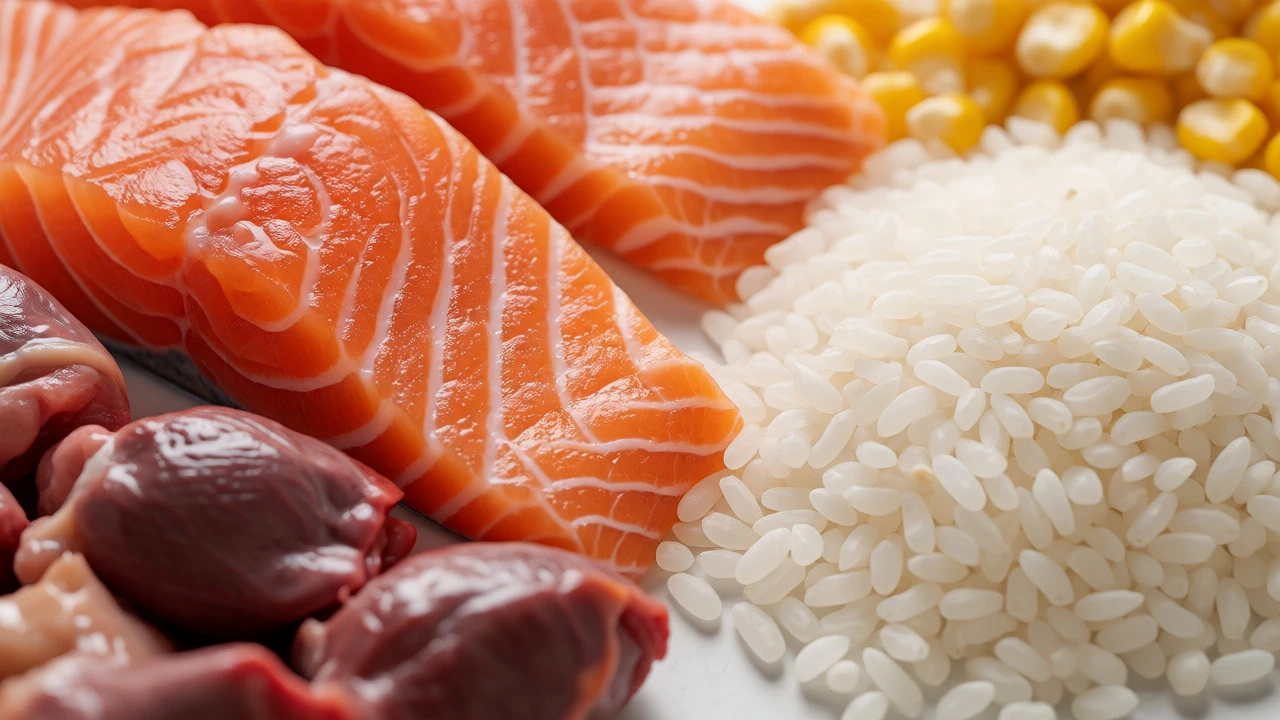
This is where things get tricky. While Fancy Feast markets itself as gourmet, ingredient quality varies wildly between product lines. In recent years, Purina reformulated several recipes. Some now include "meat by-products" or "fish broth" as primary ingredients rather than whole cuts of meat.
By-products aren’t necessarily bad-they can include nutrient-dense organs like liver and heart-but transparency matters. If the first ingredient is "chicken" or "salmon," you’re getting a better source than if it says "meat by-products." Always flip the tin over. Look for named meats at the top of the list.
Another concern is sodium. Some Fancy Feast varieties contain higher salt levels than ideal. For healthy cats, this isn’t usually an issue. But if your cat has early-stage kidney disease or hypertension, check the sodium content per serving. High sodium can exacerbate these conditions.
Pros and Cons of Feeding Fancy Feast
Why do millions of owners stick with this brand? And why do others switch away? Here’s the honest breakdown.
- Palatability: Almost all cats love the taste. The strong aroma and texture appeal to feline instincts.
- Hydration: Wet food varieties provide significant water intake, supporting kidney and urinary health.
- Availability: You can find it in almost any supermarket or pet store, unlike niche boutique brands.
- Price Point: It’s mid-range. Cheaper than raw or premium prescription diets, but pricier than bulk economy cans.
On the downside:
- Ingredient Sourcing: As a mass-market brand, sourcing consistency can vary. Recent recalls due to mold contamination in specific batches highlight supply chain risks.
- Carb Content in Dry Food: Their dry kibble is often too starchy for strict carnivore needs.
- Artificial Additives: Some flavors use artificial colors or preservatives, though Purina has been reducing these.
Who Should Avoid Fancy Feast?
Not every cat thrives on this diet. If your vet has diagnosed your cat with specific medical conditions, standard Fancy Feast might not cut it.
Cats with chronic kidney disease (CKD) need phosphorus-restricted diets. Many standard Fancy Feast varieties exceed recommended phosphorus limits for CKD patients. Similarly, diabetic cats require low-carb options. Fancy Feast dry food is generally too high in carbs to help regulate blood sugar effectively.
If your cat has severe allergies, watch out for common allergens like fish or chicken. Since Fancy Feast relies heavily on these proteins, switching to a limited-ingredient diet might be necessary if symptoms like itching or vomiting persist.
How to Feed It Safely
If you decide Fancy Feast fits your budget and your cat’s preferences, follow these rules to maximize benefits:
- Mix Wet and Dry: Use wet Fancy Feast as the main meal to boost hydration, and limit dry kibble to occasional snacks.
- Rotate Flavors: Don’t feed the same flavor every day. Rotation prevents boredom and reduces the risk of developing a sensitivity to one protein source.
- Check Expiry Dates: Because of the high moisture content, wet food spoils quickly once opened. Refrigerate leftovers and discard after 24 hours.
- Monitor Weight: Gourmet foods can be calorie-dense. Follow feeding guidelines strictly to prevent obesity, which stresses joints and organs.
Frequently Asked Questions
Is Fancy Feast good for kittens?
Standard Fancy Feast is formulated for adult cats. Kittens have higher protein and calorie requirements for growth. Look specifically for "Kitten" labeled varieties, such as Fancy Feast Kitten Pâté, which are fortified with DHA and extra calories needed for development.
Does Fancy Feast cause kidney stones?
There is no direct evidence that Fancy Feast causes kidney stones in healthy cats. However, the mineral balance (calcium, phosphorus, magnesium) must be appropriate. Wet food helps dilute urine, reducing stone formation risk. If your cat is prone to crystals, consult your vet before choosing any brand.
Why did my cat vomit after eating Fancy Feast?
Vomiting can result from eating too fast, sudden diet changes, or sensitivity to specific ingredients like fish oils or thickeners used in pâté textures. Try slowing down meals with a puzzle feeder or switching to a simpler recipe without added broths.
Is Fancy Feast better than Friskies?
Generally, yes. Fancy Feast uses higher-quality protein sources and fewer fillers than Friskies, another Purina brand. Friskies is designed for budget-conscious owners and may contain more corn or soy. Fancy Feast offers better nutritional density and palatability.
Can I feed Fancy Feast to senior cats?
Yes, but monitor their kidney function. Senior cats often need lower phosphorus levels. Standard Fancy Feast is fine for healthy seniors, but if bloodwork shows elevated kidney markers, ask your vet about prescription renal diets instead.
Final Verdict
So, is fancy feast okay for cats? For the average healthy indoor cat, absolutely. It’s a safe, regulated, and highly palatable option that supports hydration through its wet food lines. Just keep an eye on the ingredient labels-avoid the dry kibble if possible, and rotate flavors to keep things interesting. If your cat has specific health issues, treat Fancy Feast as a starting point, not a medical solution, and always align with your veterinarian’s advice.