
Dog Walking Income Calculator
Enter your details below to see how much you could earn per month working part-time or full-time.
Income Breakdown
| Item | Amount |
|---|---|
| Gross Revenue | $0 |
| Platform Fees / Marketing | -$0 |
| Travel Expenses | -$0 |
| Total Monthly Net | $0 |
Enter your details and click calculate to see your potential income.
You see the ads: "Walk dogs, make money, be your own boss." It sounds like the perfect low-barrier way to pad your bank account. But is dog walking actually a profitable and sustainable side hustle for people with full-time jobs or students looking for extra cash? The short answer is yes, but not in the way most apps advertise. If you think you can sign up on a Saturday morning and quit your day job by Monday, you're setting yourself up for disappointment. However, if you treat it like a real business-even a tiny one-it can generate serious supplemental income.
I've spent years navigating the gig economy here in Auckland, watching friends burn out from unrealistic expectations while others quietly build six-figure incomes from their living rooms. The difference isn't luck; it's strategy. This guide breaks down exactly what you need to know before you buy that leash.
The Real Math Behind Dog Walking Income
Let's cut through the marketing fluff. Most platforms promise $15-$20 per walk. In reality, after platform fees, insurance, and travel time, your hourly rate often dips below minimum wage unless you optimize your route. Here is how the numbers stack up when you compare major platforms against independent work.
| Factor | Wag! / Rover (Platforms) | Independent (Local Referrals) |
|---|---|---|
| Average Rate per Walk | $15 - $25 USD | $20 - $40+ USD |
| Fees | 20% - 40% | 0% (but you pay for insurance/marketing) |
| Client Acquisition | Platform provides leads | You find clients via flyers/social media |
| Scheduling Flexibility | High, but competitive | Total control over hours |
| Payment Speed | Weekly payouts (often delayed) | Immediate (cash/app transfer) |
Notice the gap in rates. When you go independent, you keep the whole pie. Yes, you have to hunt for clients, but once you land three regulars in your neighborhood, you’re making more per hour than you would scrolling through app requests. For example, if you charge $25 per 30-minute walk and do four walks a day, that’s $100 daily. Do that five days a week, and you’re adding $2,000 a month to your household income without leaving your zip code.
Why Wag! and Apps Are Just the Starting Line
Wag! is an online marketplace connecting pet owners with local dog walkers. It’s great for beginners because it removes the hardest part of starting a business: finding customers. You don’t need a website, you don’t need business cards, and you don’t need to knock on doors. You just create a profile, upload a photo, and start accepting requests.
But here’s the catch nobody tells you about: competition. In dense urban areas like New York, London, or Auckland, there are hundreds of walkers for every client. To get booked, you often have to lower your price or accept inconvenient times. Plus, the app takes a significant cut. If a client pays $20, you might only see $12-$14 in your bank account. Then subtract gas or public transport costs. Suddenly, that "easy money" feels a lot like hard labor for little reward.
Apps are best used as a lead generation tool, not a long-term career. Use them to fill empty slots in your schedule and to meet new neighbors. Once you’ve built trust with a client, ask if they’d prefer to book directly with you next time. Many will say yes to avoid the service fee themselves.
Essential Gear and Safety Protocols
You can’t just grab any old rope and call yourself a professional. Liability is the biggest risk in this industry. One slip-and-fall on icy pavement or one escaped dog can cost you thousands. Before you take your first client, invest in proper equipment and insurance.
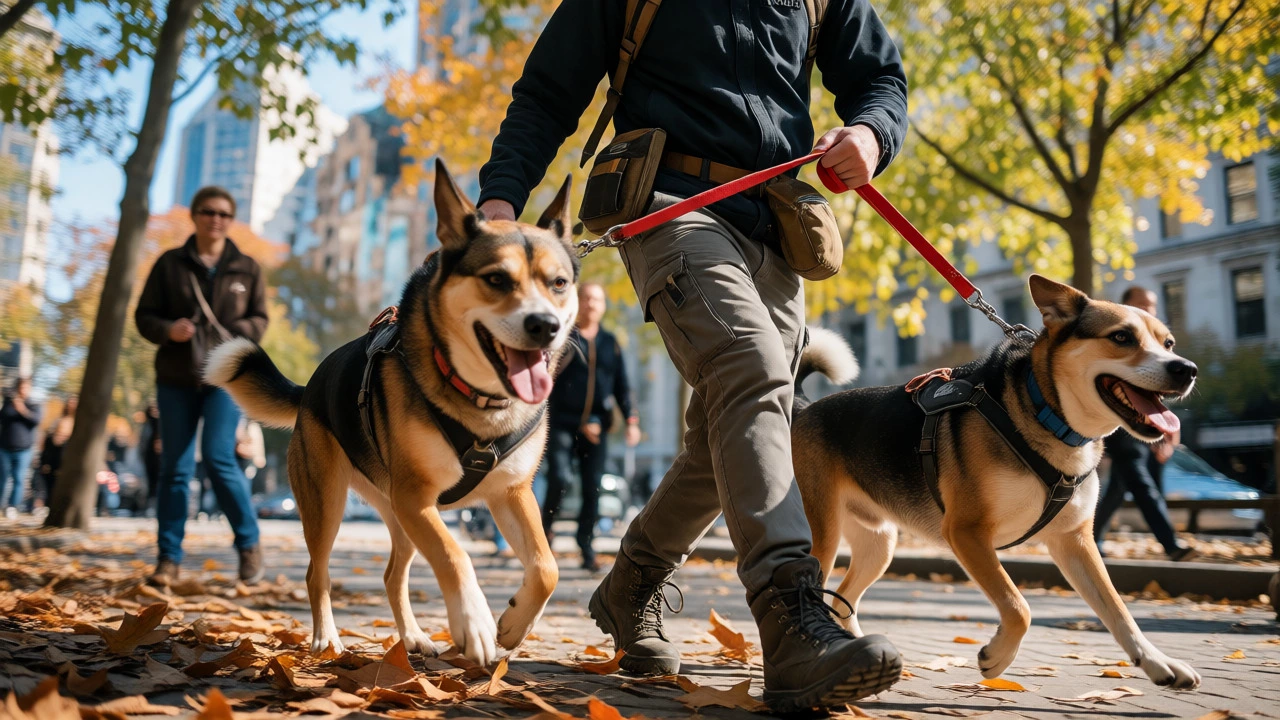
- Leash and Harness: Never rely solely on the owner’s gear. Carry your own spare double-leash and a front-clip harness. These give you better control over strong pullers.
- Treat Pouch: Keep high-value treats accessible. Rewarding good behavior makes the walk easier for everyone.
- Poop Bags: Buy the thick, scented kind. Cheap bags tear, and nobody wants to pick up waste with a flimsy plastic sheet.
- Insurance: Get general liability insurance. Providers like Pet Sitters International offer policies specifically for dog walkers for under $150/year. Platforms often include basic coverage, but read the fine print.
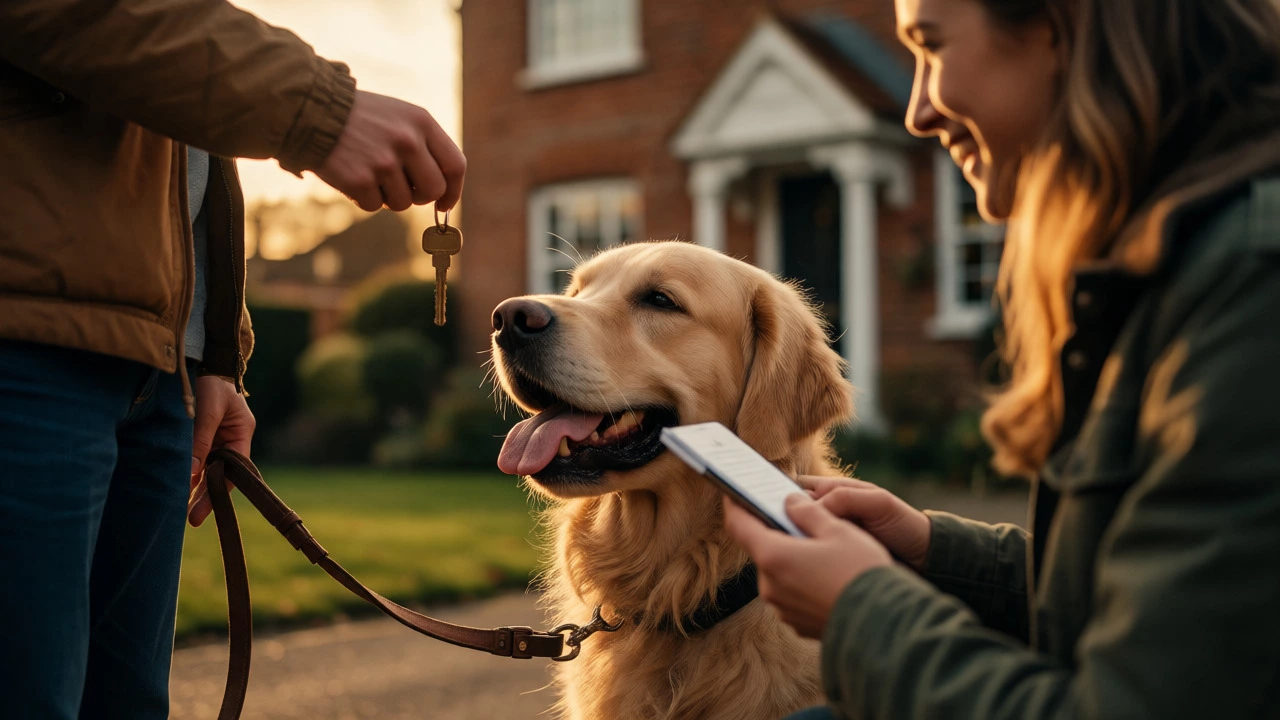
Also, establish a strict protocol for key handoffs. Always confirm who has the keys. If you lose a client’s house key, you’re paying for lock replacement, which can easily exceed $200. Take photos of the home exterior and interior upon entry and exit. This protects you if a client claims something was broken or stolen during your visit.
Managing Multiple Dogs and Aggression
Not all dogs are friendly, and not all owners are honest about their dog’s temperament. I once had a client describe her German Shepherd as "shy but sweet." Turns out, he hated men in hats and lunged at every jogger. If you’re planning to walk multiple dogs together (pack walking), you need to understand canine body language.
Watch for stiff tails, whale eye (showing the whites of the eyes), and raised hackles. These are signs of stress, not playfulness. If you’re new to handling large breeds, stick to solo walks until you gain confidence. Pack walking increases your earning potential per hour-walking two dogs for $35 total is better than two separate $20 walks-but it doubles your risk. If one dog gets reactive, both dogs are now stressed, and you’re trying to manage two leashes at once.
Pro tip: Always meet the dog before committing to a recurring schedule. Ask the owner specific questions: "How does he react to other dogs?" "Does he pull on the lead?" "Has he ever bitten anyone?" Their hesitation or vague answers are red flags. Trust your gut. If the dog seems anxious or aggressive during the meet-and-greet, politely decline. There are plenty of other dogs who would love a walk with you.
Building a Loyal Client Base
Consistency is currency in the pet care world. Owners are hiring you because they trust you with their furry family member. They don’t want surprises. They want to know their dog came home happy, tired, and safe.
To stand out, send detailed reports after every walk. Don’t just check a box saying "walk completed." Send a photo of the dog smiling, a note about where you went, and any observations. "Barnaby spotted a squirrel near the park entrance but stayed calm!" That small touch creates an emotional connection. Clients remember who cared enough to notice the details.
Ask for reviews early. After your third successful walk, casually mention, "I’m building my portfolio-if you enjoyed the service, a quick review on [Platform] or Google would mean a lot." Positive reviews drive algorithm visibility on apps and word-of-mouth referrals offline. In tight-knit neighborhoods, one happy client can refer you to three others within a few blocks. That’s how you transition from app-dependent to fully booked independently.
Is It Worth Your Time?
If you hate being outside, dislike animals, or struggle with reliability, skip this. But if you enjoy fresh air, love dogs, and want flexible hours, dog walking is one of the best side hustles available today. The barrier to entry is low, startup costs are minimal, and demand never stops growing. People travel, work late, and age-they always need help caring for their pets.
Start small. Pick up two or three walks a week alongside your current job. Treat every interaction like a customer service experience. Track your earnings and expenses. Within six months, you’ll likely find you’re earning more per hour than many traditional part-time jobs, with none of the commute and all of the tail wags.
Do I need special certification to be a dog walker?
No, most platforms and private clients do not require formal certification. However, completing a course in canine first aid or behavior can justify higher rates and reassure nervous owners. It’s not mandatory, but it sets you apart from the crowd.
How much should I charge for a 30-minute walk?
Rates vary by location. In major cities, $20-$30 is standard. In rural areas, $15-$20 may be acceptable. Always factor in travel time. If you drive 15 minutes each way for a $20 walk, your effective hourly rate drops significantly. Charge for your time, not just the walk duration.
What happens if a dog gets sick or injured on my watch?
Have an emergency plan. Know the owner’s vet contact info and nearest emergency clinic. If a minor injury occurs, clean it and notify the owner immediately. For serious issues, seek veterinary care and document everything with photos. Liability insurance covers most accidents, but communication is key to maintaining client trust.
Can I walk multiple dogs at once?
Yes, pack walking is common and profitable. However, ensure the dogs are compatible. Start with two well-behaved dogs from the same household. Never mix unknown dogs without a supervised introduction. Check platform rules, as some limit the number of dogs per walker.
Is dog walking taxable income?
Yes. Whether you earn through apps or privately, this is self-employment income. Keep records of earnings and expenses (gas, treats, insurance). You may need to register as a sole trader or LLC depending on your country’s laws. Consult a tax professional to maximize deductions.