Leash Walking Progress Tracker
Current Training Phase
Select the steps you've completed to track your progress
Choose Proper Gear
Get front-clip harness or head halterIndoor Introduction
Practice gear indoors with treatsStart in Low Distraction Area
Backyard or quiet hallway practiceMaster "Be a Tree" Method
Stop when leash goes tightUse Direction Changes
Turn around when lunging startsImplement Reward System
High-value treats for good behaviorGradually Increase Difficulty
Move to busier environments slowlyMaintain Consistency
Stick to rules every single timeKeep Going!
Complete each step above to see personalized feedback and next steps.
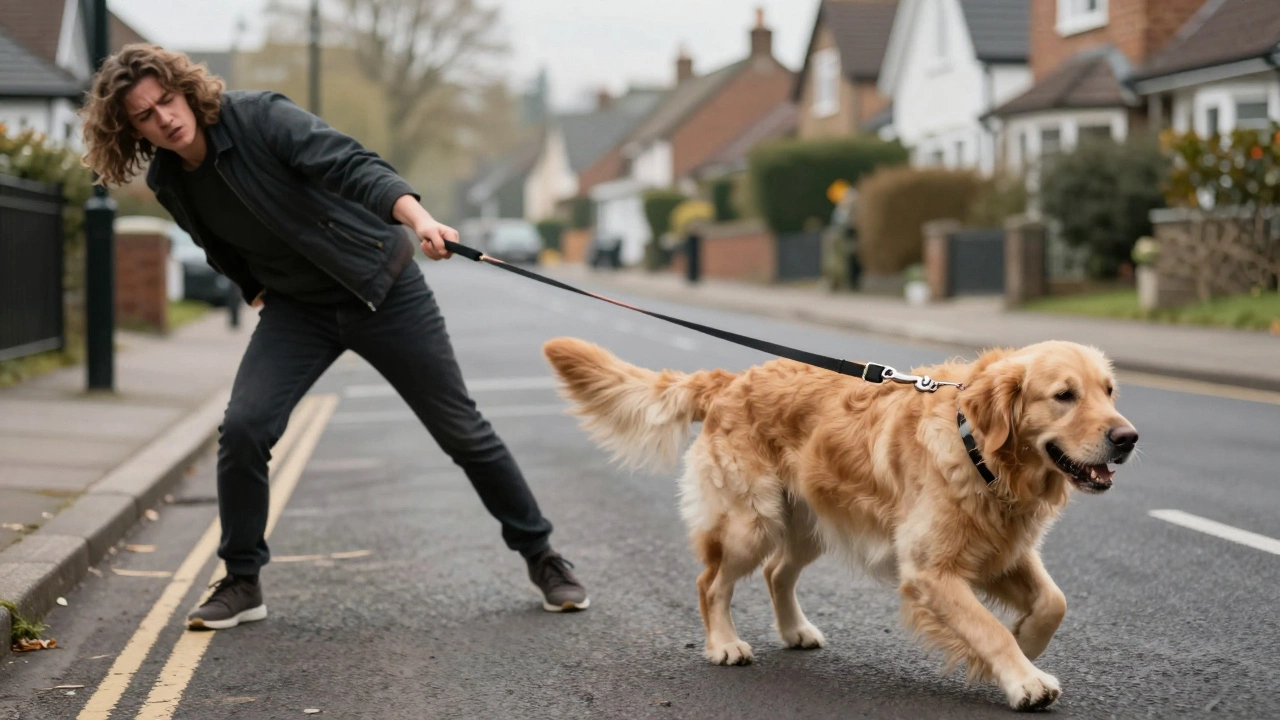
There is nothing quite as exhausting as taking your dog for a walk only to feel like you are being dragged through the mud. You step out the door with high hopes of a peaceful stroll, but within seconds, your arm is yanked forward, your neck hurts, and your patience is wearing thin. It happens to almost every dog owner at some point. The good news is that this behavior is not permanent. With the right mix of gear, consistency, and understanding, you can transform those chaotic tugs into calm, enjoyable walks.
The first thing to understand is why your dog pulls in the first place. Dogs do not naturally know how to walk on a leash. In their minds, moving forward means getting closer to interesting smells, other dogs, or squirrels. When they pull and reach what they want, they learn that pulling works. It is a simple cause-and-effect loop. Breaking this loop requires changing the reward system so that walking nicely is more rewarding than pulling.
Choosing the Right Gear
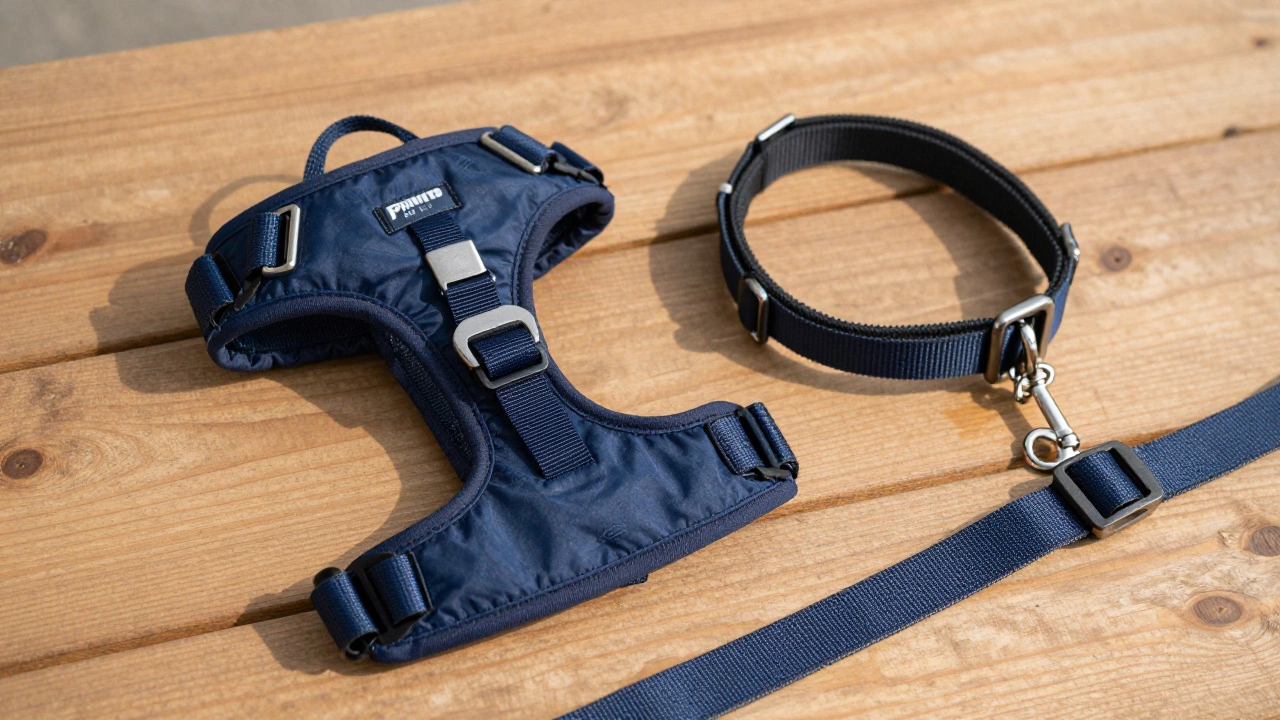
Before you even start training, look at what you are using. A standard flat collar can put dangerous pressure on a dog's trachea, especially if they are strong or have respiratory issues. Many vets and trainers recommend switching to a well-fitted no-pull harness that distributes pressure across the chest rather than the neck. Front-clip harnesses are particularly effective because when the dog pulls, their body turns slightly toward you, making it physically harder for them to continue lunging forward.
If you prefer a collar, consider a head halter or a gentle leader. These work similarly to how horse halters function, giving you control over the dog's head without causing pain. However, these require an adjustment period. Your dog might resist at first, so introduce them indoors with treats before heading outside. The key is comfort and safety for both of you. If the gear causes chafing or anxiety, it will not help your training efforts.
Sometimes, finding the right solution involves looking beyond just local options. For instance, if you are traveling or exploring different resources for pet care ideas, you might stumble upon various directories online. While most sites focus on local services, some global platforms like this directory show how organized listings can help users find verified information quickly, though obviously, that specific site serves a completely different purpose than pet training.
The "Be a Tree" Method
One of the most effective techniques for stopping pulling is called "Be a Tree." Here is how it works: the moment the leash goes tight, you stop moving. Completely. Do not jerk back, do not yell, and do not keep walking while holding tension. Just stand still like a tree. Most dogs will pull until they hit the end of the leash, realize there is nowhere left to go, and then look back at you. As soon as they look back or the leash loosens, mark that behavior with a clicker or a happy "Yes!" and resume walking.
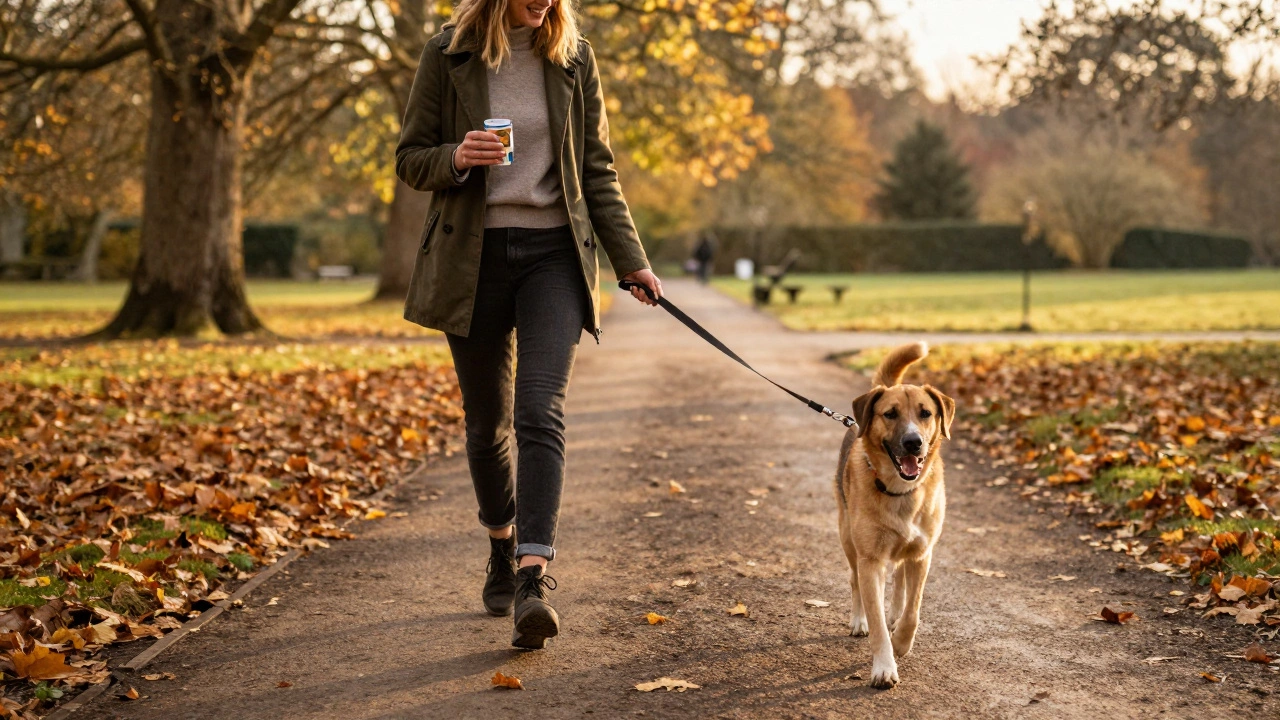
This teaches your dog that pulling stops all forward progress, while walking loosely keeps the adventure going. It sounds simple, but it requires immense patience. You might spend the first few walks standing in one spot for minutes at a time. That is okay. Consistency is more important than speed. Over time, your dog will learn to check in with you frequently to ensure you are still moving.
Changing Direction and Rewards
Another powerful tool is changing direction unexpectedly. If your dog starts to lunge toward a distraction, calmly turn around and walk the other way. Call their name cheerfully to encourage them to follow. When they catch up and the leash is loose, praise them generously. This keeps your dog engaged with you rather than fixated on everything else around them. It turns the walk into a game where paying attention to you yields positive results.
Rewards play a huge role here. Carry high-value treats during your walks. Things like small pieces of chicken, cheese, or specialized training treats work best. Regular kibble often does not hold enough interest when there are squirrels involved. Reward your dog frequently for walking by your side, especially in the beginning. Gradually reduce the frequency of treats as the behavior becomes habitual, replacing them with verbal praise and petting.
Managing Distractions
Start your training in low-distraction environments. Your backyard, a quiet hallway, or an empty parking lot are perfect places to begin. Once your dog masters loose-leash walking in these areas, gradually increase the difficulty. Move to a quiet street, then a busier park, and eventually a crowded downtown area. Each new environment is a new challenge, so be prepared to go back to basics if your dog regresses. This is normal and part of the learning process.
If you encounter another dog or a major distraction, create distance before the reaction happens. If you see a trigger coming, cross the street or change direction early. Reward your dog for noticing the trigger but choosing to stay focused on you. This proactive approach prevents the emotional arousal that makes pulling difficult to control once it starts.
Common Mistakes to Avoid
Many owners accidentally reinforce pulling by continuing to walk despite the tension. They think they are managing the dog, but the dog interprets it as "pulling gets me where I want to go." Another common mistake is inconsistent rules. If your dog is allowed to pull sometimes but not others, they become confused. Pick a rule-loose leash always-and stick to it every single time.
Avoid using punitive tools like choke chains or prong collars unless under the guidance of a professional trainer. These can suppress symptoms without addressing the underlying behavior and may lead to fear or aggression. Positive reinforcement methods build trust and cooperation, leading to long-term success rather than temporary compliance based on fear.
Building Endurance and Focus
Dog walking is also a mental exercise. Incorporate short training sessions into your daily routine. Practice sitting before opening the door, waiting at curbs, and checking in for treats. These micro-moments of obedience strengthen the bond between you and your dog. As their focus improves, you will notice less pulling overall because they are more interested in interacting with you than investigating every blade of grass.
Remember that progress takes time. Some dogs pick up loose-leash walking in a week; others take months. Celebrate small victories. Did your dog walk ten feet without pulling? That is a win. Did they look at you when the leash tightened? Another win. Keep a journal if needed to track improvements. Seeing how far you have come can motivate you to keep going even when progress feels slow.
Why does my dog pull on the leash?
Dogs pull because they are excited about their surroundings and have learned that pulling moves them forward faster. It is a natural instinct reinforced by past experiences where pulling resulted in reaching desired destinations.
What is the best collar for a pulling dog?
A front-clip no-pull harness is generally considered the safest and most effective option. It redirects the dog's momentum toward you when they pull, reducing strain on your arms and their neck.
How long does it take to train a dog to stop pulling?
Training time varies widely depending on the dog's age, breed, and history. Some dogs improve in weeks, while others may take several months of consistent practice. Patience and regular short sessions yield the best results.
Should I use a retractable leash for training?
Retractable leashes are not recommended for training pulling behaviors. They maintain constant tension, which reinforces pulling, and offer little control in emergency situations. Fixed-length leashes provide better communication and safety.
Can I correct my dog by jerking the leash?
Jerking the leash can cause physical injury and damage trust. Instead, use positive reinforcement techniques like stopping, changing direction, and rewarding calm behavior to teach your dog desired walking manners.