Post-Grooming Recovery & Symptom Checker
Why is my dog acting this way?
Select the symptoms you are observing.
Ready for Analysis
Click the symptoms above to identify the cause of your dog's distress and get specific care instructions.
Your Custom Recovery Plan
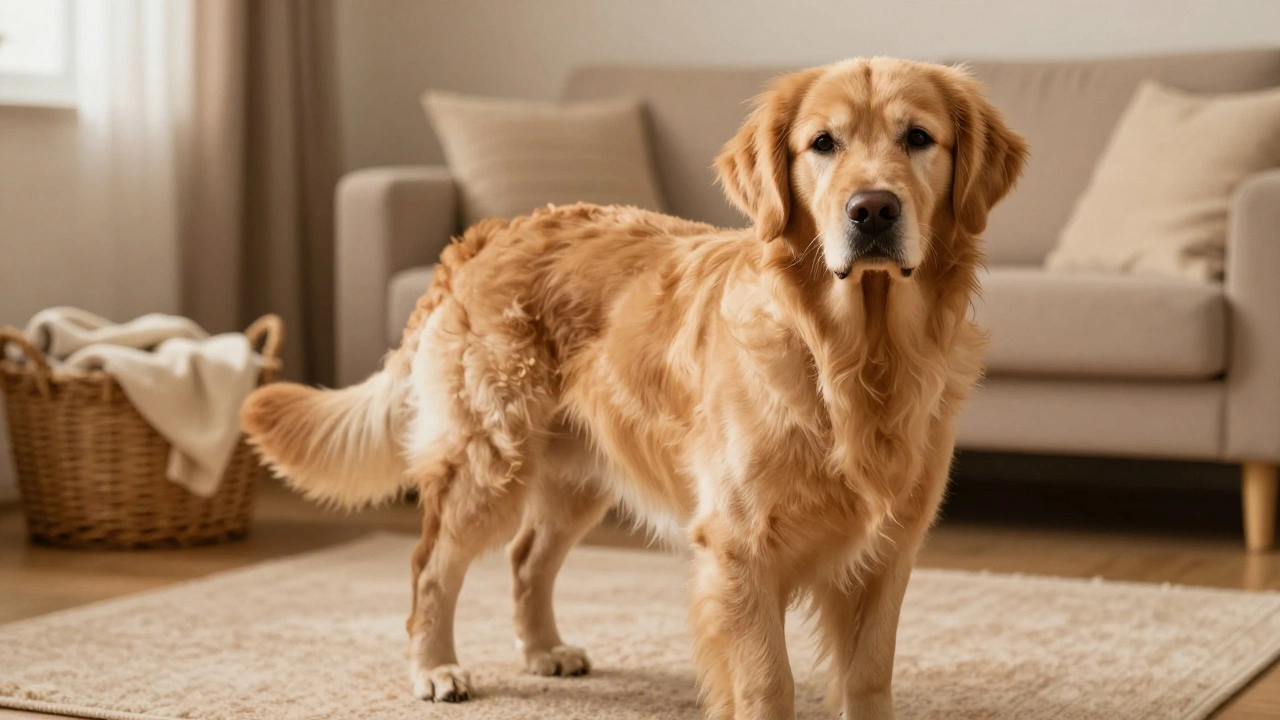
Does your dog act like they’ve been through a war zone after a simple trim? You’re not alone. Many dogs come home from the groomer shaking, panting, or hiding under the couch. It’s confusing because you wanted them to feel fresh and clean, but instead, they look stressed and uncomfortable. This reaction is common, especially for dogs with thick coats or those who aren’t used to being handled closely.
The good news is that you can help your pup relax quickly. Understanding why they are upset is the first step. Is it physical pain from a bad cut? Is it sensory overload from the clippers? Or is it just the strange feeling of having less fur? By addressing these specific causes, you can turn a stressful post-grooming period into a calm bonding experience.
Why Does My Dog Act Weird After a Groom?
To fix the problem, you need to understand the root cause. Dogs don’t usually throw tantrums for no reason. There are three main triggers for post-grooming stress: physical discomfort, temperature shock, and psychological anxiety.
Physical Discomfort: Sometimes, the issue is literal pain. If the groomer went too short on sensitive areas like the belly, inner legs, or around the anus, the skin might be raw or chafed. Micro-cuts from scissors or nicks from blades are also common culprits. Check your dog’s skin for redness, hot spots, or small bleeding points. Even if there is no visible blood, friction burns from dry shaving can sting when the dog moves or sits.
Temperature Shock: Fur is insulation. When you remove inches of coat, your dog loses their natural thermostat. A dog who was comfortable in 60-degree weather might now be freezing in the same environment. Shivering isn’t always fear; often, it’s just cold. Conversely, some dogs overheat during the grooming process due to anxiety and the heat of the dryer, leading to exhaustion afterward.
Psychological Anxiety: The grooming salon is loud. Dryers roar, clippers buzz, and other dogs bark. For many dogs, this is sensory hell. They may associate the smell of shampoo or the feeling of wet fur with trauma. This is known as "grooming trauma" or simply high-arousal stress. Your dog isn’t mad at you; they are trying to decompress from an overwhelming event.
Immediate First Aid: Checking for Injury
Before you try to cuddle or distract your dog, do a quick medical check. This ensures you aren’t missing a wound that needs attention. Use your hands to gently part the remaining hair and feel for lumps, bumps, or tender spots.
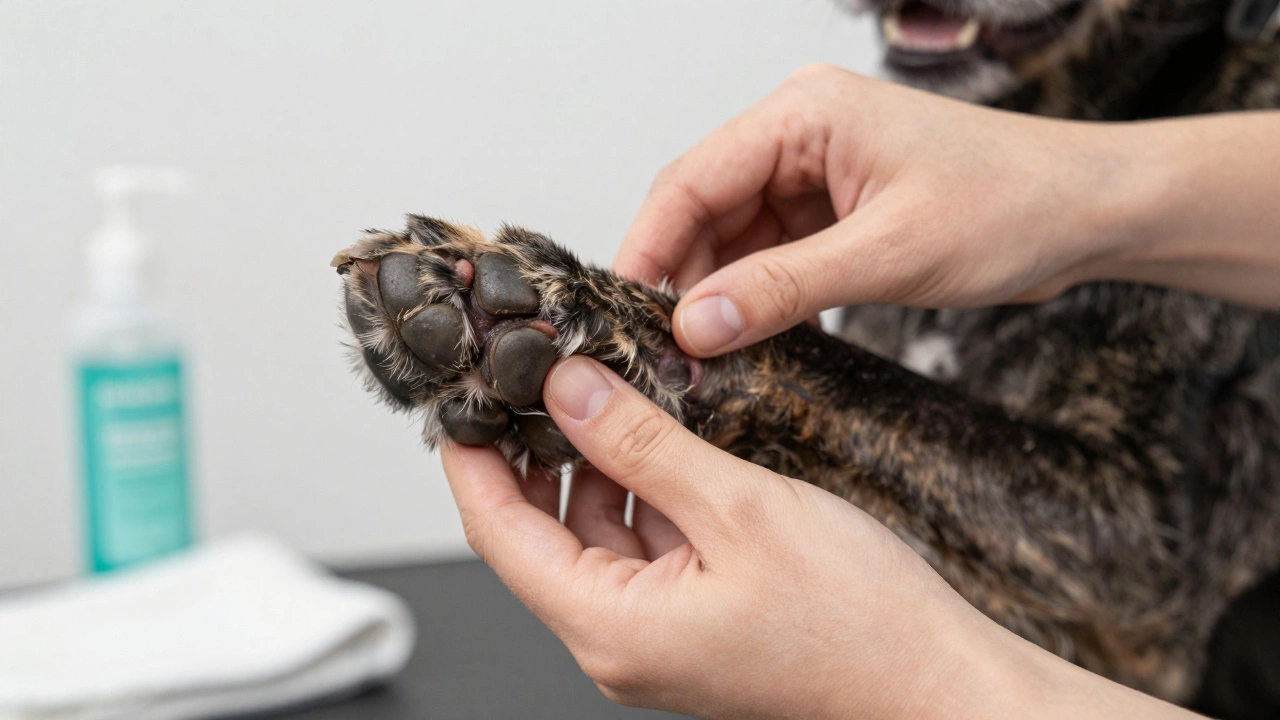
- Check the Paws: Look between the toes. Clippers often get stuck here, causing minor cuts. Apply a pet-safe antiseptic wipe if you see any redness.
- Inspect the Ears: If the ears were trimmed, ensure no hair got pushed inside the ear canal, which can cause infection. Also, check for redness behind the ears where the blade might have rubbed too hard.
- Look for Razor Burn: On dark-skinned dogs, razor burn looks like pink or red patches. If you see this, avoid using scented lotions. Stick to plain, unscented aloe vera gel made for pets, or consult your vet if it looks inflamed.
- Feel for Hot Spots:**Hot spots are acute moist dermatitis caused by licking or chewing due to irritation. If your dog is obsessively licking one area, it’s likely itchy or painful. Stop the licking immediately with an Elizabethan collar (cone) if necessary, and apply a soothing balm.
If you find deep cuts or significant swelling, call your veterinarian. For minor irritations, keep the area clean and dry. Do not use human baby powder or talc, as these can clog pores and cause further irritation.
Managing Temperature Sensitivity
One of the most overlooked aspects of post-grooming care is thermoregulation. Your dog’s body temperature is naturally higher than yours (around 101-102.5°F), but without their coat, they lose heat rapidly.
If your dog is shivering, put them in a warm room away from drafts. Close windows and turn off ceiling fans. Offer a cozy blanket or a heated dog bed. A fleece sweater can work wonders, especially for breeds like Huskies, Golden Retrievers, or German Shepherds that rely heavily on their undercoat for warmth.
Conversely, if your dog was shaved down to the skin in summer, watch for signs of overheating. Keep them indoors in air-conditioned spaces. Avoid walking them on hot pavement, as their paw pads are more exposed and susceptible to burns. Hydration is key here-ensure fresh water is always available.
| Symptom | Too Cold | Too Hot | Anxious/Stressed |
|---|---|---|---|
| Shivering | Yes, uncontrollable | No | Yes, but usually localized (legs/tail) |
| Panting | Mild | Heavy, rapid | Rapid, open-mouthed |
| Ears | Cold to touch, pinned back | Hot, flushed | Pinned back or twitching |
| Behavior | Seeking warmth, curling up | Lying flat, seeking shade | Pacing, whining, hiding |
Calming Techniques for Anxious Dogs
Once you’ve ruled out pain and temperature issues, focus on calming their mind. Your goal is to lower their cortisol levels and help them feel safe again.
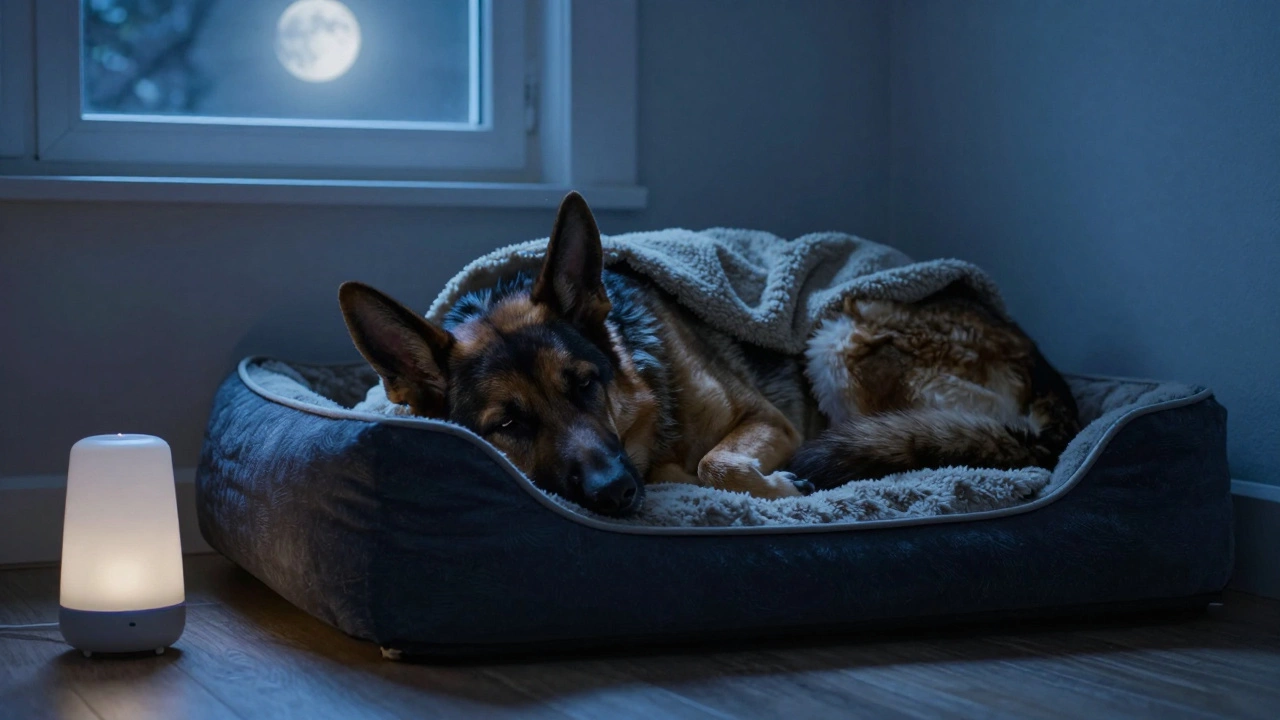
Create a Safe Space: Set up a quiet corner with their favorite bed, toys, and blankets. Dim the lights. Loud noises and bright lights can heighten anxiety. Play low-volume classical music or white noise. Studies show that reggae and slow jazz can significantly reduce heart rates in stressed dogs.
Use Pheromones: Consider using a synthetic pheromone diffuser, such as Adaptil. These devices release calming scents that mimic the pheromones mother dogs produce to soothe their puppies. Plug it in near their resting area. You can also use a pheromone spray on their bedding for immediate effect.
Gentle Touch: If your dog allows it, gentle massage can help. Focus on non-sensitive areas like the chest, shoulders, and base of the tail. Avoid rubbing areas that were just shaved, as the skin might be too sensitive. Slow, rhythmic strokes signal safety to your dog’s nervous system.
Distraction with Food: High-value treats can shift their focus. Try frozen Kongs stuffed with peanut butter (xylitol-free) or yogurt. The act of licking is naturally calming for dogs. It releases endorphins and helps them forget about the weird feelings in their coat.
Nutrition and Supplements for Recovery
Diet plays a surprising role in skin health and anxiety management. If your dog has sensitive skin, their diet might need adjustment to prevent future irritation.
Omega-3 Fatty Acids: Adding fish oil to your dog’s food can improve skin elasticity and reduce inflammation. Look for supplements with high concentrations of EPA and DHA. This doesn’t fix immediate pain, but it strengthens the skin barrier over time, making it less prone to razor burn and dryness.
Calming Chews: For dogs with severe grooming anxiety, consider giving a calming chew containing L-theanine, chamomile, or valerian root before the next appointment. These ingredients promote relaxation without sedation. Always consult your vet before introducing new supplements, especially if your dog is on other medications.
Avoid feeding rich or spicy foods right after grooming. Digestion requires energy, and a stressed dog might have a sensitive stomach. Stick to their regular kibble or boiled chicken and rice if they seem nauseous.
When to Call the Vet
Most post-grooming stress resolves within 24 to 48 hours. However, certain symptoms require professional attention. Don’t wait it out if you notice:
- Bleeding that won’t stop: If a nick continues to bleed after 10 minutes of pressure, seek help.
- Swelling or Hives: This could indicate an allergic reaction to the shampoo or conditioner used. Antihistamines might be needed, but only under veterinary guidance.
- Lethargy: If your dog is unusually tired, refuses to eat, or seems weak, they might be in shock or suffering from an underlying infection.
- Excessive Licking or Chewing: If your dog is damaging their skin by licking, they need a cone and possibly medication to stop the itch-pain cycle.
Keep a record of your dog’s reactions. If every grooming session ends in disaster, it might be time to switch groomers. Look for one who specializes in anxious dogs or offers mobile grooming services, which eliminate the stress of travel and waiting rooms.
Preventing Future Stress
Prevention is better than cure. You can desensitize your dog to grooming tools at home. Let them sniff the clippers while they are off. Turn them on briefly at a distance, then reward them with treats. Gradually decrease the distance over several weeks.
Brush your dog regularly at home. This gets them used to being touched all over their body. Pay special attention to paws, ears, and tails. Positive associations with handling make the actual grooming session much easier.
Finally, communicate with your groomer. Tell them exactly how short you want the cut. Ask them to go slower if your dog is nervous. A good groomer will pause frequently to let your dog breathe and reset. Building a relationship with a trusted professional can transform grooming from a nightmare into a manageable routine.
How long does it take for a dog to calm down after a haircut?
Most dogs settle within 24 to 48 hours. However, highly anxious dogs or those with physical irritation may take up to 3 days to fully return to normal behavior. Consistent comfort and a quiet environment speed up this process.
Can I use baby powder on my dog after a shave?
No, you should not use baby powder. Talc-based powders can clog pores, cause respiratory issues if inhaled, and irritate sensitive skin. Instead, use a pet-specific soothing spray or plain aloe vera gel for minor irritation.
Why is my dog shivering after grooming?
Shivering is often a sign of being cold due to loss of insulation, or it can be a stress response. Check if their ears and paws are cold. If so, wrap them in a blanket. If they are warm but still shivering, they are likely anxious and need calming techniques like gentle massage or quiet music.
Is it normal for my dog to hide after a bath and cut?
Yes, hiding is a common coping mechanism for stressed dogs. They seek a safe, enclosed space to decompress. Respect their need for space but stay nearby so they know you are available for comfort. Do not force interaction.
What should I feed my dog after grooming?
Stick to their regular diet unless they are stressed, in which case a bland meal of boiled chicken and rice is gentle on the stomach. You can offer high-value treats like frozen yogurt or peanut butter-filled Kongs to provide mental stimulation and comfort.