
Dog Flight Cost Calculator (2026)
Estimated Total Cost
Airline Fee:
Crate/Carrier:
Vet Certificate:
Total Estimate:
Booking a flight for yourself is one thing. Booking a flight for your four-legged best friend is an entirely different financial headache. You might assume the fee is just a flat $100 surcharge, but the reality is far more complex. Depending on where you are going, how big your dog is, and which airline you choose, flying with a dog can cost anywhere from $100 for a small lap dog to over $2,000 for a large breed shipped as cargo.
If you’ve ever stared at a booking engine wondering why there’s no clear price tag for "pet," you’re not alone. Airlines treat pets like optional add-ons rather than standard passengers, meaning prices fluctuate wildly based on demand, route, and season. This guide breaks down exactly what you will pay, where the hidden costs hide, and how to keep your wallet from crying while keeping your pup safe.
The In-Cabin Fee: Small Dogs Only
For most travelers, the cheapest option is bringing your dog into the cabin with you. However, this privilege usually comes with strict size limits. Most major airlines require your dog and their carrier to fit under the seat in front of you. This typically means a combined weight limit of 15 to 20 pounds (7-9 kg), including the carrier itself.
In 2026, the standard one-way fee for an in-cabin pet on major US and European carriers ranges from $100 to $150. Round-trip tickets will double that cost. Some budget carriers or regional airlines might charge less, around $75-$80, but they often have stricter policies regarding crate dimensions. International flights tend to be pricier, often charging between $150 and $200 per direction.
It’s crucial to understand that these fees are non-refundable and do not earn frequent flyer miles. Additionally, airlines strictly limit the number of pets allowed in the cabin per flight-usually between 4 and 6. If you wait until the last minute to book, even if you have money to pay, you might be denied boarding because the pet quota is full. Always call the airline directly after booking to confirm your spot, as online systems don’t always update pet availability in real-time.
Cargo vs. Checked Baggage: The Big Dog Dilemma
If your dog weighs more than 20 pounds or exceeds the height restrictions for under-seat storage, they cannot fly in the cabin. This leaves you with two options: checked baggage or actual air cargo. These are not the same thing, and the costs differ significantly.
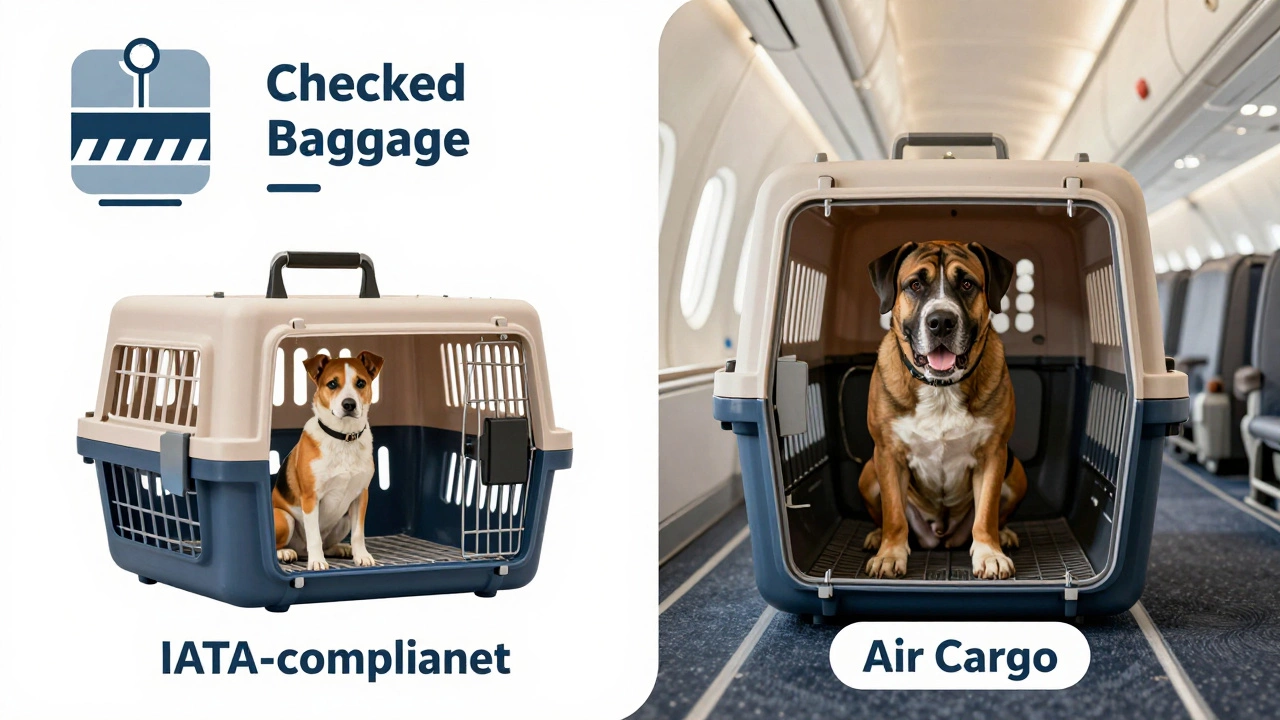
Checked Baggage: Think of this as an oversized suitcase. Your dog travels in the pressurized, temperature-controlled hold of the plane, accompanying you on the same flight. When you land, you pick up your dog at the baggage claim area. The fee for this service is generally higher than in-cabin, ranging from $200 to $500 one-way, depending on the airline and destination. For international flights, this can spike to $600-$800.
Air Cargo: This is when your dog flies separately from you, often on a different flight or schedule. This service is managed by dedicated pet shippers or the airline’s cargo division (like United PetCare or Air France KLM Cargo). Costs here are calculated based on weight, distance, and handling complexity. A medium-sized dog (30-50 lbs) might cost $500 to $1,000 one-way. Large breeds (70+ lbs) can easily exceed $1,500 to $2,500 for cross-country or international transport. This option requires extensive paperwork and specialized crates, adding to the total expense.
| Travel Type | Weight Limit | Typical Cost Range | Best For |
|---|---|---|---|
| In-Cabin | Under 20 lbs (with crate) | $100 - $150 | Anxiety-prone dogs, short trips |
| Checked Baggage | Over 20 lbs | $200 - $500 | Larger dogs, same-flight travel |
| Air Cargo | Any size | $500 - $2,500+ | International moves, separate schedules |
Hidden Costs That Blow Your Budget
The airline ticket is rarely the only expense. To get your dog through security and onto the plane, you need specific gear and documentation that adds up quickly. Here are the silent budget killers most owners overlook.
IATA-Compliant Crates: You cannot use a soft-sided backpack for checked baggage or cargo. You need a hard-sided, International Air Transport Association (IATA) compliant crate. These must be escape-proof, ventilated, and sturdy enough to withstand stacking. A high-quality crate for a medium dog costs between $150 and $300. For giant breeds, expect to pay upwards of $500. Soft-sided carriers for in-cabin travel are cheaper, ranging from $50 to $150, but must meet strict dimension rules.
Veterinary Health Certificates: Almost all airlines require a health certificate issued by a licensed veterinarian within 10 days of travel. This isn’t just a formality; it’s a legal document proving your dog is healthy, vaccinated, and free of contagious diseases. Vet visits for this purpose range from $75 to $150. If you are traveling internationally, you may need additional tests (like rabiter titers) and government endorsements, which can add hundreds of dollars and months of lead time.
Microchipping and Vaccinations: Ensure your dog is microchipped before booking. Many airlines and countries mandate ISO-compliant microchips. Updating vaccination records or getting a booster shot might cost another $50 to $100.
Seasonal Surcharges and Weather Restrictions
Timing is everything when it comes to pet travel costs and safety. Airlines impose embargoes during extreme weather conditions to prevent heatstroke or hypothermia in the cargo hold. During summer months (June-August) and winter peaks (December-January), many airlines ban brachycephalic breeds (short-nosed dogs like Pugs, Bulldogs, and Boxers) from flying entirely due to respiratory risks.
If your travel dates fall during peak holiday seasons, expect dynamic pricing. While in-cabin fees are often fixed, cargo rates can surge by 20-30% due to limited space and high demand. Furthermore, if a weather delay forces your dog to stay overnight in a holding facility, some airlines charge daily storage fees ranging from $25 to $50 per day. Always check the airline’s specific embargo list for your departure and arrival cities before booking.
Choosing the Right Airline for Your Wallet
Not all airlines are created equal when it comes to pet policies. Some prioritize passenger comfort over pet convenience, leading to stricter limits and higher fees. Others have robust pet programs that justify the cost with better handling and amenities.
Major carriers like Delta, American, and United maintain consistent in-cabin fees around $125-$150 each way. However, their cargo services vary widely. JetBlue, for instance, has gained popularity for allowing larger dogs in the cabin (up to 35 lbs with carrier) on certain routes, which can save you hundreds compared to checking them as baggage. Spirit and Frontier, known for low base fares, sometimes offer lower pet fees ($100 roundtrip) but have very strict size limits and fewer destinations.
When comparing costs, look beyond the sticker price. Check if the airline offers pet relief areas at their hubs. If you have a long layover, having access to a designated dog run can mean the difference between a calm arrival and a chaotic one. Also, verify if the airline allows direct transfers. Some smaller carriers require you to pick up your checked pet immediately upon landing, even if your connecting flight is hours away, forcing you to navigate airport security with a leash and waste bags.
Alternatives to Flying: Is Driving Cheaper?
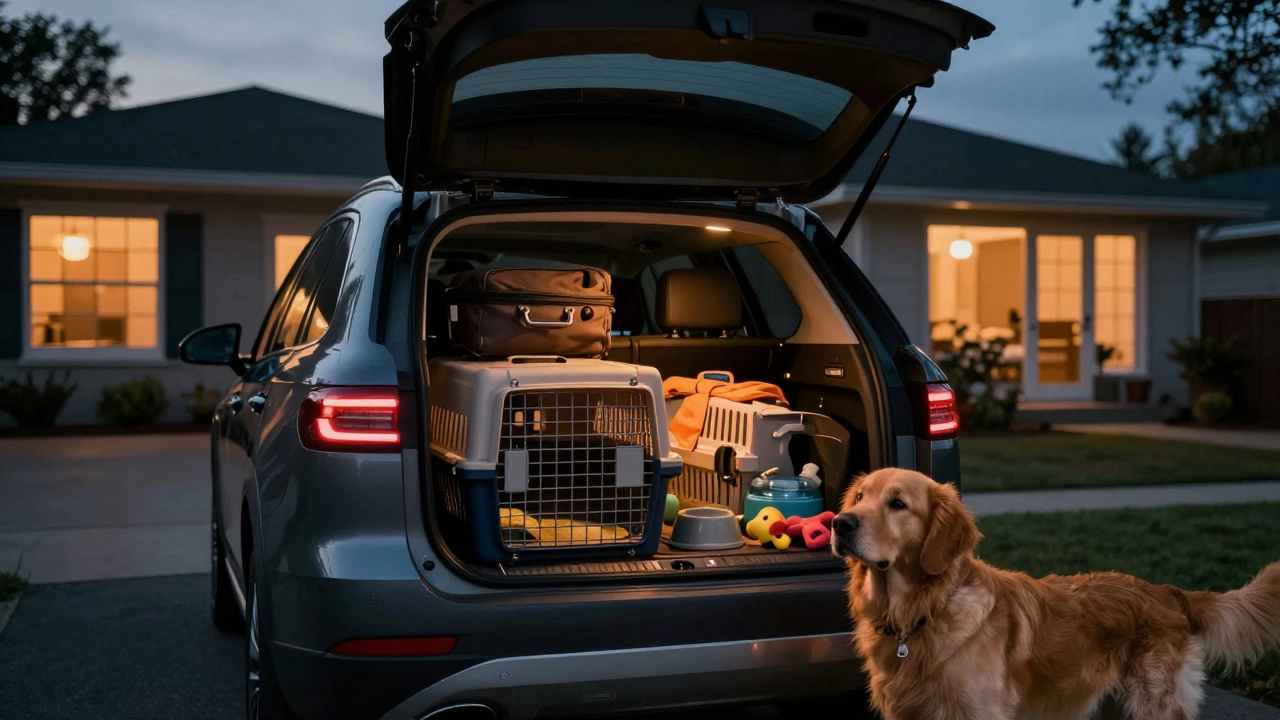
Before committing to airfare, run the numbers on driving. For distances under 800 miles, driving is almost always cheaper and less stressful for your dog. Calculate the cost of gas, tolls, and potential hotel stays. A tank of gas might cost $60, whereas a one-way pet ticket could be $150. Add in a mid-trip motel stay ($100-$150) and food, and the savings shrink. However, for cross-country trips exceeding 1,000 miles, flying usually wins on both time and cost, provided your dog fits in the cabin.
If flying is too expensive or your dog has severe anxiety, consider ground transportation services like UPS Ground (for smaller packages, though risky and regulated) or specialized pet transport companies like Four Paws or WorldPakPets. These services offer door-to-door care but come with premium price tags, often starting at $1,000 and going up from there. They are worth considering for elderly dogs or those with medical needs that make flying dangerous.
What is the average cost to fly with a small dog in 2026?
The average cost to fly with a small dog in the cabin is between $100 and $150 for a one-way trip. This fee is charged per segment, so a round-trip with connections could cost $400 or more. Prices are generally consistent across major US and European airlines, though budget carriers may vary.
Do airlines charge extra for large dogs?
Yes, significantly. Large dogs cannot fly in the cabin and must be checked as baggage or shipped via cargo. Checked baggage fees range from $200 to $500 one-way. Air cargo shipping for large breeds can cost between $1,000 and $2,500 depending on weight and distance, plus the cost of an IATA-compliant crate.
Are there any airlines that allow free pet travel?
Service animals are allowed to fly for free on most airlines under the Air Carrier Access Act (ACAA) in the US, provided they are properly documented. Emotional support animals (ESAs) are no longer treated as service animals by most major airlines and are subject to standard pet fees. No commercial airline offers free travel for regular pets.
What hidden costs should I expect when flying with a dog?
Beyond the airline fee, expect to pay for an IATA-compliant crate ($150-$500), a veterinary health certificate ($75-$150), microchipping/vaccinations ($50-$100), and potentially airport storage fees if delays occur. International travel may also require government endorsements and titer tests, adding hundreds of dollars.
Is it cheaper to drive or fly with a dog?
For trips under 800 miles, driving is usually cheaper and less stressful. You only pay for gas, tolls, and occasional hotels. For cross-country trips over 1,000 miles, flying is often more cost-effective when you factor in time, lodging, and food costs associated with a multi-day road trip.