Cat Diet & Hydration Calculator
Your Cat's Details
Diet Analysis Results
Enter your cat's details to see their nutritional requirements and hydration risks.
You’ve probably stood in the pet aisle staring at two very different options: a bag of crunchy kibble and a tin of smelly pâté. It’s a classic debate among cat owners. On one side, you have the convenience and dental arguments for dry cat food. On the other, you have the biological alignment and moisture benefits of wet cat food. But which one is actually healthier for your feline friend?
The short answer might surprise you. While both can be part of a healthy diet if they meet nutritional standards, wet food generally offers significant health advantages, particularly regarding hydration and weight management. However, it’s not just about picking a winner; it’s about understanding what your cat’s body needs to thrive.
The Hydration Factor: Why Water Matters More Than You Think
Cats are evolutionary desert dwellers. Their ancestors, the African wildcats, got most of their water from the prey they hunted. This means domestic cats often lack a strong thirst drive. They don’t feel thirsty until they are already dehydrated. This is where the difference between dry cat food and wet cat food becomes critical.
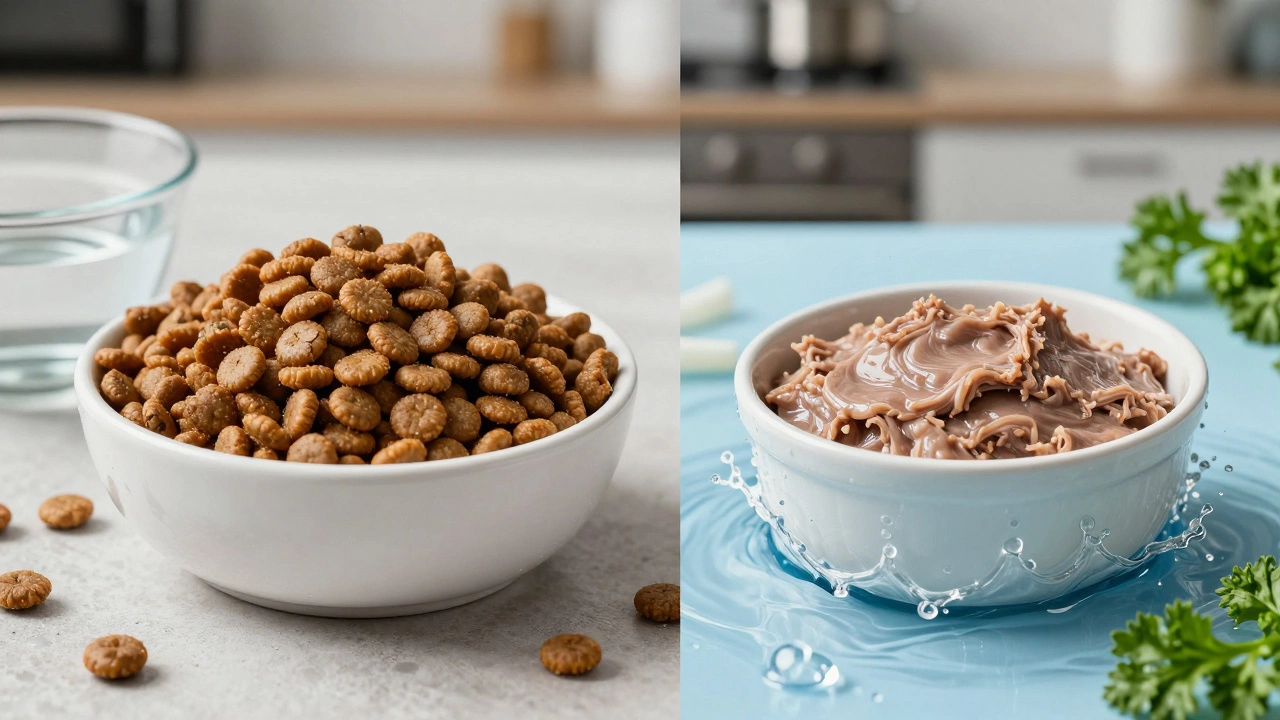
Dry kibble contains only about 10% to 12% moisture. If your cat eats exclusively dry food, they must drink significantly more plain water to stay hydrated. Many cats simply don’t do this. In contrast, canned cat food is roughly 70% to 80% water. By feeding wet food, you are essentially force-feeding hydration in a palatable form.
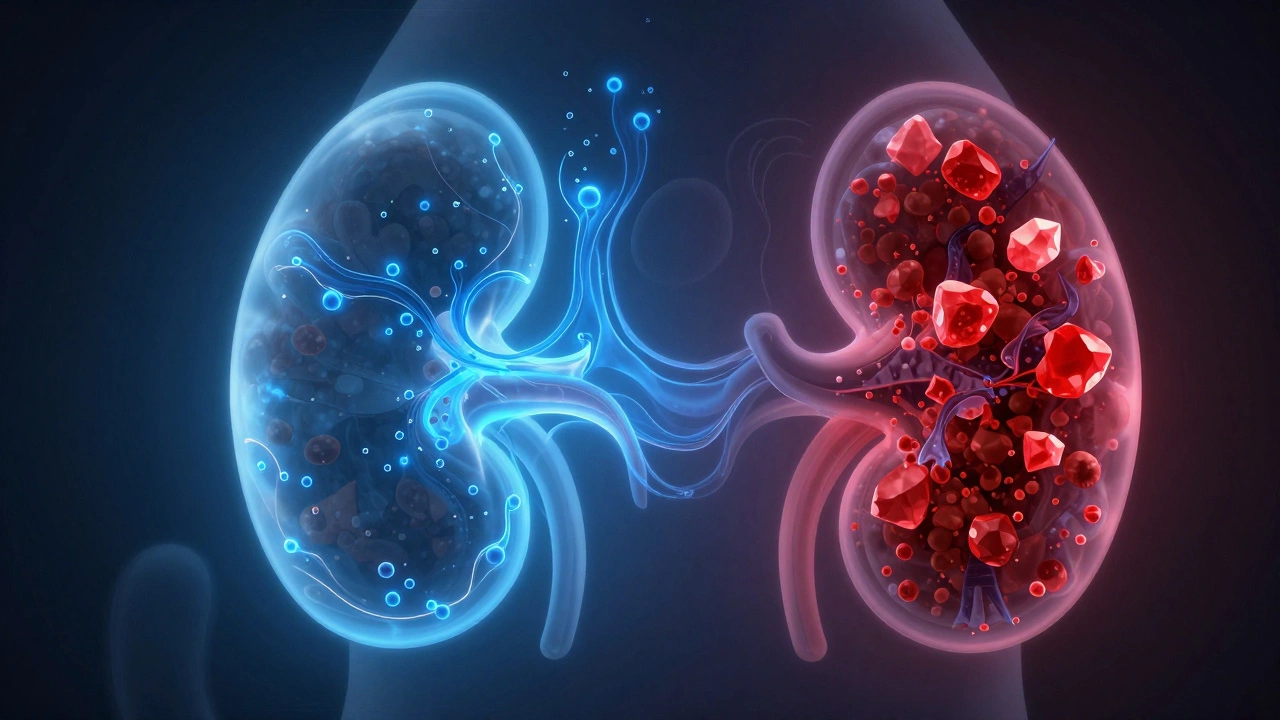
Why does this matter? Chronic low-level dehydration is a silent killer in cats. It puts immense strain on the kidneys and bladder. The most common serious condition in older cats is chronic kidney disease (CKD). Studies suggest that cats fed exclusively dry food are at a higher risk for developing CKD earlier in life compared to those fed wet food. Proper dilution of urine helps flush out toxins and prevents mineral buildup.
Urinary Tract Health and Crystals
Closely related to kidney health is the urinary tract. Cats are prone to forming crystals and stones in their bladders, a condition known as feline lower urinary tract disease (FLUTD). When urine is concentrated due to low water intake, minerals like struvite and calcium oxalate can precipitate out of the solution and form painful stones.
Wet cat food keeps urine dilute, making it much harder for these crystals to form. If your cat has a history of urinary issues, or if you have male cats (who are more prone to blockages), switching to or increasing the proportion of wet food is often the first recommendation veterinarians make. It’s a simple dietary change with a profound impact on comfort and longevity.
Weight Management and Blood Sugar Control
Obesity is an epidemic in indoor cats. Overweight cats face a higher risk of diabetes, arthritis, and heart disease. Here, wet cat food again takes the lead, but for a reason that isn't always obvious: calorie density.
Because wet food is mostly water, it is less calorie-dense than dry food. A cup of wet food has far fewer calories than a cup of dry kibble. This allows cats to eat a larger volume of food, which satisfies their instinct to graze and chew, while consuming fewer calories. This "volume eating" helps keep them full without packing on the pounds.
Furthermore, dry food is typically high in carbohydrates. Cats are obligate carnivores, meaning their bodies are designed to process protein and fat, not starch. High-carb diets can cause spikes in blood sugar levels, which over time can contribute to insulin resistance and Type 2 diabetes. Most high-quality wet cat foods are higher in protein and lower in carbs, aligning better with a cat's natural metabolic needs.
The Dental Myth: Does Dry Food Clean Teeth?
If you ask anyone why they feed dry food, the number one answer is usually: "It cleans their teeth." This is a persistent myth that marketing campaigns have reinforced for decades. The idea is that the crunching action scrubs plaque off the teeth.
In reality, most cats swallow kibble whole or crush it into mush in their mouths before swallowing. There is little abrasive action against the tooth surface. Veterinary studies have shown no significant difference in dental health between cats fed exclusively dry food and those fed exclusively wet food. Both groups develop tartar and gingivitis at similar rates if they aren't having their teeth brushed or treated professionally.
If dental health is your concern, relying on dry food is a false sense of security. Regular tooth brushing with cat-specific toothpaste or veterinary dental treats are far more effective solutions. Don’t sacrifice hydration and proper nutrition just for a myth about clean teeth.
Convenience and Cost: The Case for Dry Food
So, if wet food is so much better, why does everyone buy dry food? The reasons are practical, not biological. Dry cat food is incredibly convenient. You can leave a bowl out all day and night without worrying about spoilage. It doesn’t need refrigeration after opening, and it doesn’t attract flies in the summer.
Cost is another major factor. Generally, feeding a cat exclusively on wet food is more expensive per day than feeding them dry food. For households with multiple cats, the cost difference can add up quickly. Additionally, some cats are picky eaters. They may prefer the texture and smell of certain kibbles over pâtés or shreds.
Dry food also serves well as a tool for portion control if you use a measured feeder. You can set exact amounts, whereas free-feeding wet food is tricky because it spoils within a few hours if left out.
How to Choose the Best Diet for Your Cat
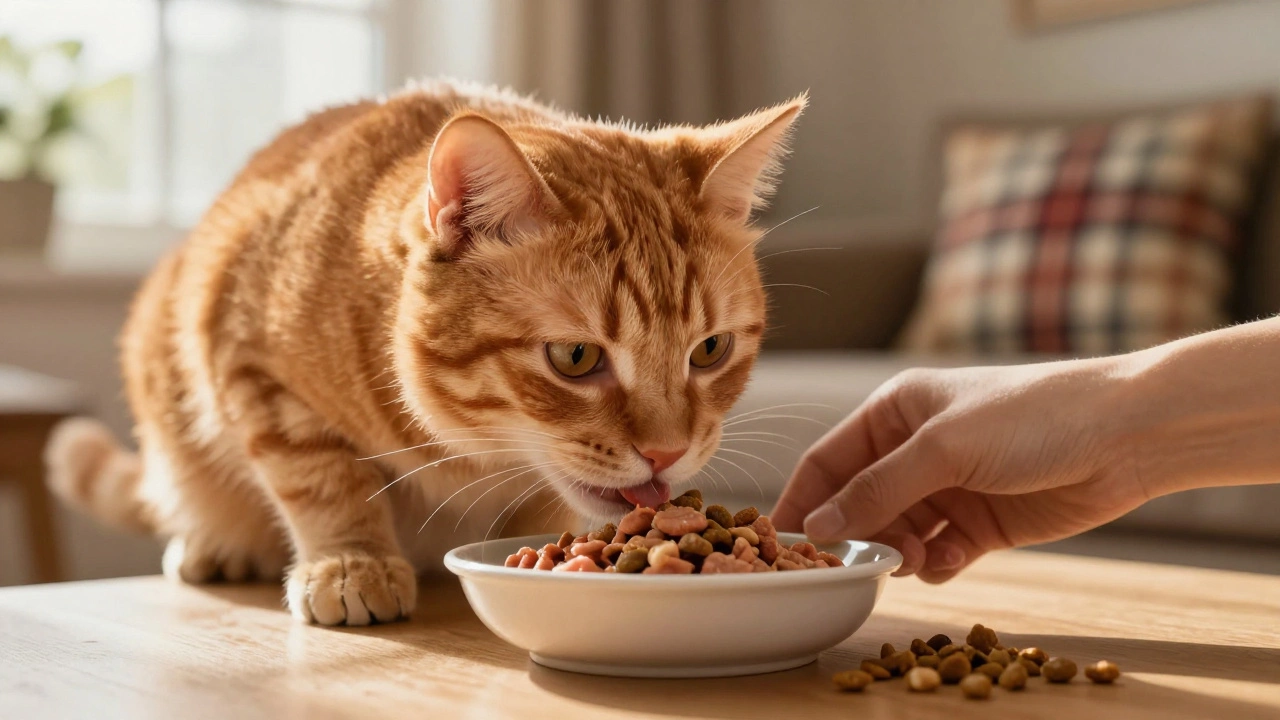
You don’t necessarily have to choose one extreme. Many veterinarians recommend a mixed diet. This approach combines the hydration and protein benefits of wet food with the convenience and dental stimulation (however minor) of dry food.
Here is a practical strategy:
- Prioritize Wet Food: Aim for at least 50% of your cat’s daily caloric intake to come from wet food. This ensures adequate hydration.
- Read the Labels: Whether dry or wet, look for named meat sources (like chicken, turkey, or salmon) as the first ingredient. Avoid foods with vague terms like "meat by-products" or excessive fillers like corn and wheat.
- Check AAFCO Statements: Ensure the food meets the Association of American Feed Control Officials (AAFCO) nutrient profiles for your cat’s life stage (kitten, adult, or senior).
- Transition Slowly: If you switch from dry to wet, do it gradually over 7-10 days. Mix increasing amounts of new food with the old to prevent digestive upset.
For cats who refuse wet food, try warming it slightly to enhance the aroma, or mixing a small amount of tuna juice (from water, not oil) to entice them. Every cat is different, and finding a balance that works for your budget and your cat’s preferences is key.
| Feature | Dry Cat Food (Kibble) | Wet Cat Food (Canned/Pouch) |
|---|---|---|
| Moisture Content | 10-12% | 70-80% |
| Carbohydrate Level | High (often 30-50%) | Low (typically <10%) |
| Protein Level | Moderate to High | High |
| Calorie Density | High (easy to overeat) | Low (satiating volume) |
| Convenience | High (free-feedable) | Low (must be served fresh) |
| Dental Benefit | Minimal/Mythical | None |
| Cost | Lower | Higher |
Special Considerations for Different Life Stages
Kittens have high energy and protein requirements for growth. While wet food is excellent, ensure it is specifically formulated for kittens. Senior cats, especially those over 10 years old, often experience a decline in kidney function and a diminished sense of smell. For seniors, wet food is almost always superior because the stronger aroma encourages eating, and the extra fluid supports aging kidneys.
If your cat has specific medical conditions like diabetes or obesity, consult your vet. In these cases, a strict low-carb, high-protein diet (usually found in wet food) is often prescribed as part of the treatment plan.
Can I mix dry and wet cat food together?
Yes, many owners successfully mix dry and wet food. This is called a combination diet. Just be careful with the total calorie count. Since dry food is calorie-dense, adding it to wet food can easily lead to overfeeding. Measure the portions carefully to ensure your cat maintains a healthy weight.
Does dry cat food really help with dental health?
No, this is a common misconception. Most cats swallow kibble without chewing it thoroughly enough to scrub their teeth. There is no scientific evidence that standard dry food prevents tartar or gum disease better than wet food. Brushing your cat's teeth is the only proven way to maintain oral hygiene.
Is wet cat food too expensive for most people?
Wet food is generally more expensive per serving than dry food. However, you don't have to feed 100% wet food to get the benefits. Feeding one meal of wet food and one meal of dry food can provide significant hydration benefits at a moderate cost. Look for store brands or buy in bulk to save money.
What should I look for on a cat food label?
Look for a named animal protein source (like chicken, beef, or fish) as the first ingredient. Avoid foods with high levels of grains or fillers like corn, wheat, or soy, especially for wet food. Check for the AAFCO statement ensuring the food is complete and balanced for your cat's life stage.
How long can wet food sit out before it goes bad?
Wet food should not be left out for more than 20 to 30 minutes at room temperature. After that, bacteria can begin to grow rapidly. If your cat doesn't finish it, discard the leftovers and store any unopened cans or pouches in the refrigerator. Always serve fresh food.
Will my cat drink more water if I feed dry food?
Not necessarily. Cats have a low thirst drive. While some cats will drink more from a fountain or fresh bowl, many will not compensate adequately for the low moisture in dry food. Relying on them to self-regulate water intake is risky for their kidney health.