Dog Walking Business Viability Calculator
Test the waters before you quit your job. Input your estimated local demand and pricing to see if this business model works for your area.
Input Your Estimates
Financial Projection
Viability Score
Enter data to calculate viability.
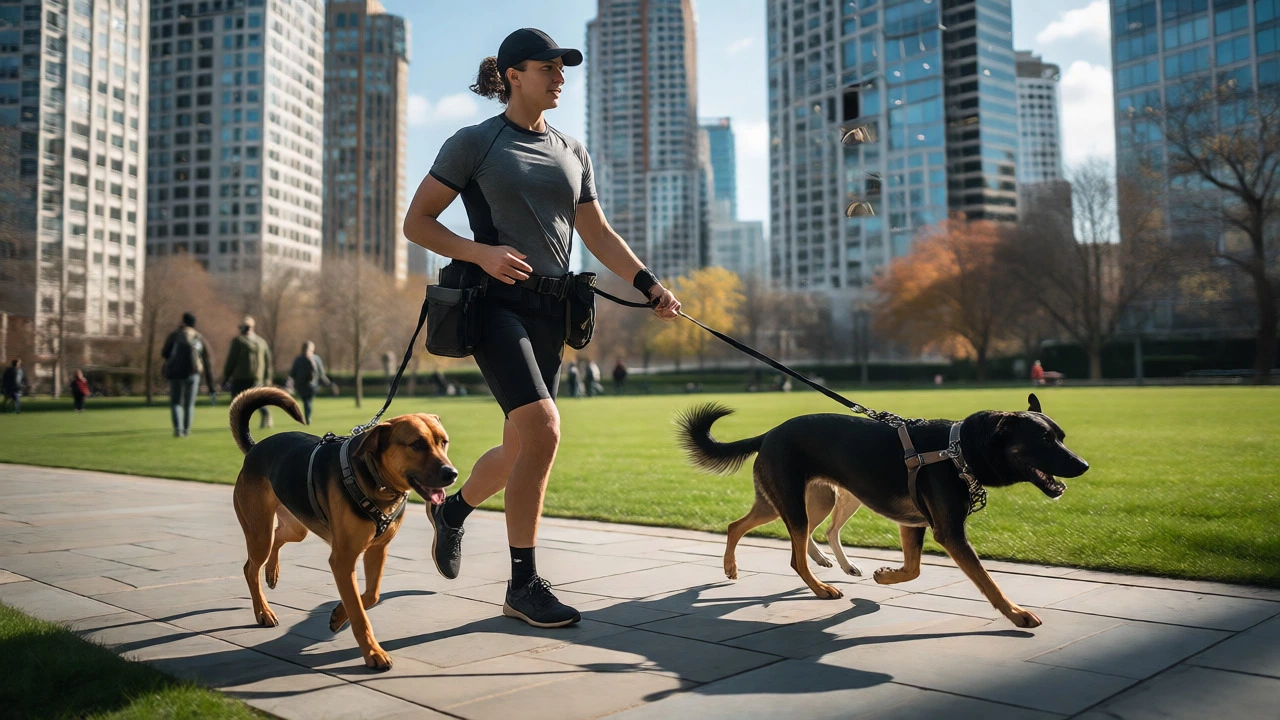
You see them everywhere now. The person with three leashes attached to their belt, jogging through the park while you’re stuck at your desk. It looks easy, right? Walk some dogs, get paid, repeat. But if you are thinking about turning that into a full-time career or a serious side hustle, you need to know if people actually want to pay for it. And more importantly, will they keep paying?
The short answer is yes, but not for everyone. The dog walking service involves professional caregivers exercising and supervising dogs on behalf of owners has shifted from a niche luxury to a necessity for millions of households. In major cities like Auckland, London, or New York, the demand isn't just growing; it’s becoming structural. People aren’t just hiring walkers because they are lazy. They are hiring them because they work long hours, have high-energy breeds that destroy furniture without exercise, or simply cannot manage multiple pets alone.
Why the Market Is Exploding Right Now
Think about how life has changed since 2020. We saw a massive surge in pet ownership during the pandemic. Millions of families adopted puppies. Those puppies are now adult dogs with established routines and significant energy needs. But here is the catch: many of those owners returned to offices or hybrid schedules. They realized quickly that a six-hour day away from home is tough on a young Labradoodle or a Border Collie.
This created a gap. Owners felt guilty leaving their dogs alone all day. They didn’t have time for the required hour-long walks before work and after dinner. Enter the professional walker. According to recent data from the American Pet Products Association (APPA), spending on pet services, including boarding and walking, has consistently outpaced spending on pet food and toys over the last five years. This indicates a shift toward outsourcing care rather than DIY solutions.
It’s not just about guilt, though. It’s about safety. Urbanization means smaller living spaces. A Golden Retriever doesn’t fit well in a studio apartment unless someone takes them out twice a day. If you miss a walk, you deal with chewed shoes and accidents. For busy professionals, paying $25-$40 for a midday walk is cheaper than replacing a destroyed sofa or dealing with vet bills for anxiety-induced destructive behavior.
Who Exactly Is Hiring Dog Walkers?
To understand demand, you have to look at who is buying. It’s not just one type of person. There are distinct segments driving this market, and knowing them helps you position your service.
- The Time-Poor Professional: These are typically urban dwellers aged 25-45. They value convenience above all else. They use apps like Rover or Wag to book last-minute slots. They don’t want to meet you for an interview; they want to click a button and have someone show up.
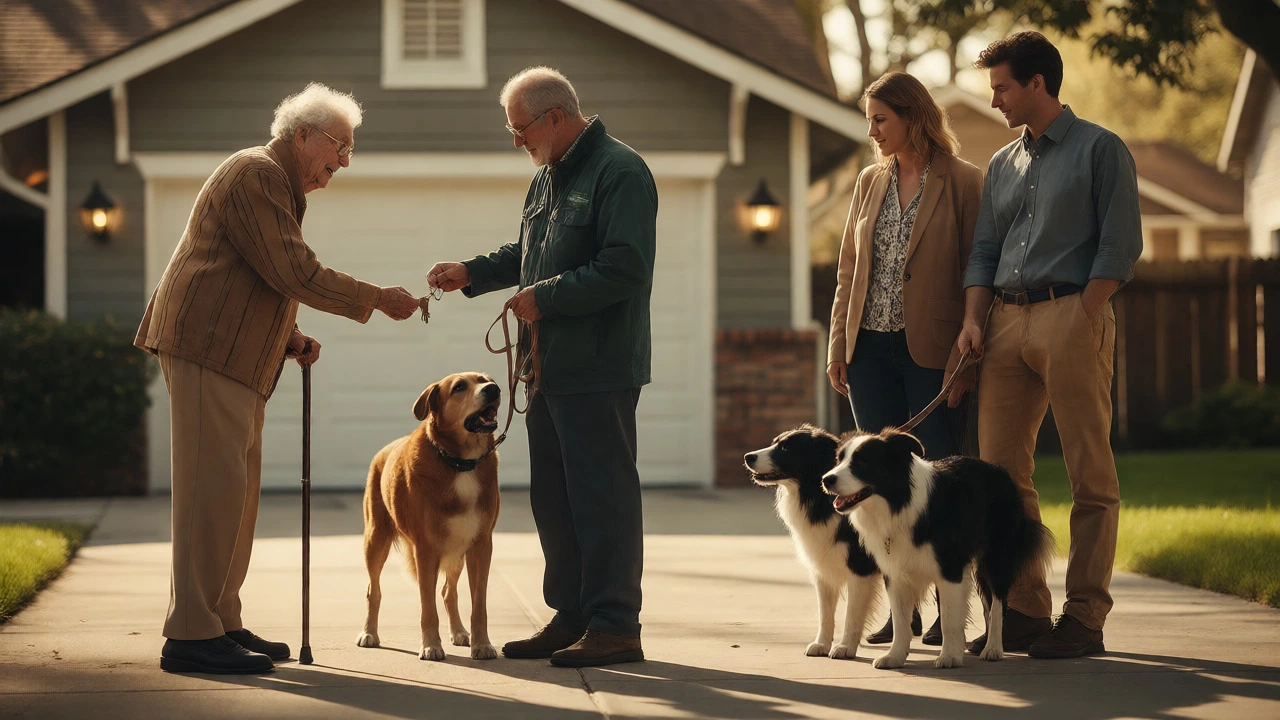
- The Senior Owner: Many older adults love their dogs but physically can no longer handle large breeds or slippery sidewalks. They need reliable, gentle walkers who can handle mobility issues. This group values trust and consistency over speed.
- The Multi-Pet Household: Owning two or three dogs exponentially increases the workload. Walking them separately takes too much time. Owners hire walkers specifically for pack management-someone who can handle multiple dogs safely in one go.
- The Special Needs Owner: Dogs with behavioral issues, separation anxiety, or medical conditions require specialized care. Owners pay a premium for walkers who can administer medication or follow strict training cues.
In Auckland, where I live, we see a lot of young professionals moving into city-center apartments. These buildings often lack private yards. Without a yard, the dog’s only exercise comes from walks. This makes the dog walker an essential part of the household infrastructure, similar to a cleaner or a plumber.
Geographic Hotspots and Local Nuances
Demand isn’t uniform across the map. It clusters in specific areas. High-density urban centers with high disposable income are gold mines. Think San Francisco, Seattle, London, Sydney, and Auckland. In these places, real estate is expensive, meaning homes are smaller, and time is money. Residents are willing to trade cash for time.
However, suburban and rural areas present a different challenge. In sprawling suburbs, many homes still have fenced yards. Owners might feel they can let the dog out themselves. Here, demand is lower and price-sensitive. You might find fewer clients, but they may be more loyal and less likely to churn because switching providers is harder when you rely on word-of-mouth rather than an app algorithm.
Weather also plays a huge role. In rainy climates like the Pacific Northwest or Auckland, owners hate walking in the rain. Demand spikes during bad weather. Conversely, in extreme heat or cold, owners worry about paw burns or frostbite. They hire walkers who are knowledgeable about temperature limits. If you can prove you know when it’s too hot for paws, you win trust instantly.
Competition: Apps vs. Independent Walkers
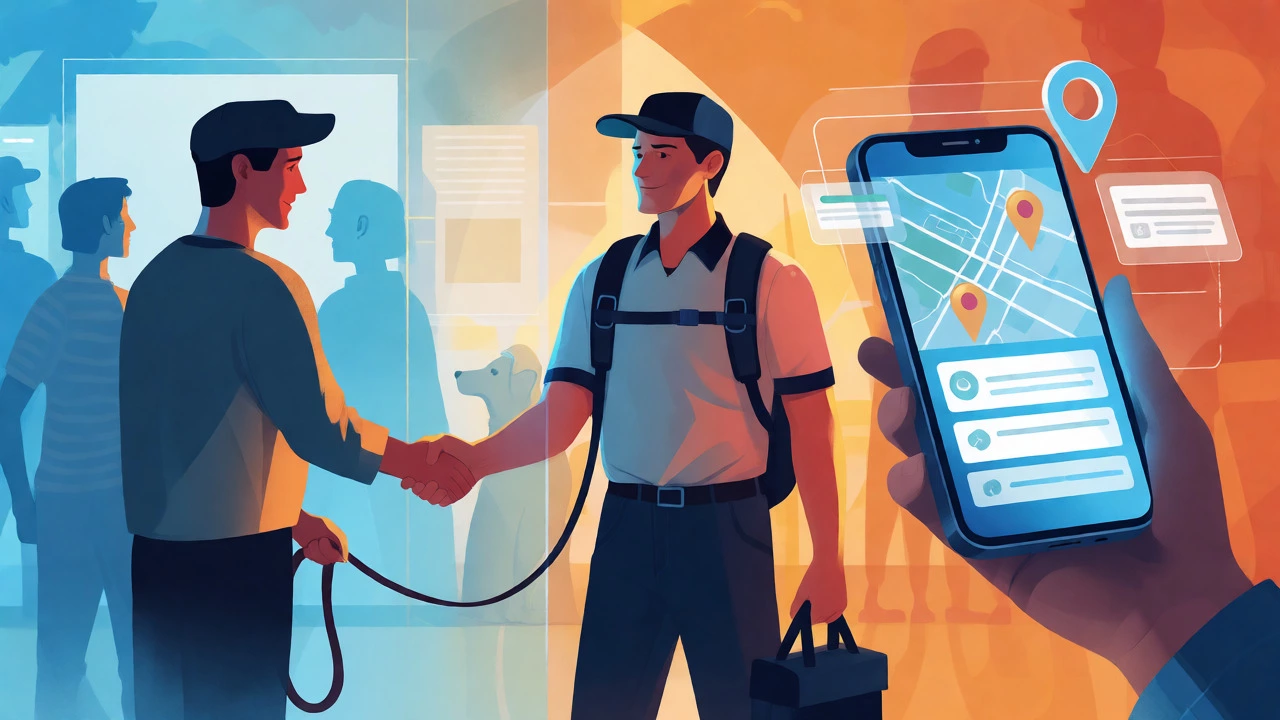
You might think, "If there's so much demand, why isn't everyone doing it?" Because competition is fierce, and technology has changed the game. Platforms like Rover is a digital marketplace connecting pet owners with local sitters and walkers have lowered the barrier to entry. Anyone with a smartphone can sign up.
| Feature | App-Based Walkers | Independent Professionals |
|---|---|---|
| Pricing Control | Fixed by platform fees; lower margins | Set your own rates; higher margins |
| Client Acquisition | Automated via app traffic | Manual marketing, flyers, referrals |
| Client Loyalty | Low; clients switch for discounts | High; relationships drive retention |
| Insurance/Liability | Covered by platform (with limits) | Must purchase own liability insurance |
Apps make it easy to start, but they take a cut-often 15-20% of every booking. Plus, you are competing with hundreds of others on price. An independent walker builds a brand. When you build direct relationships, you avoid the middleman. Clients stay with you because they trust *you*, not because you were the cheapest option on the screen.
Is the Market Saturated?
Saturation depends entirely on location. In dense neighborhoods, you might see ten walkers per block. But saturation is often an illusion caused by poor quality. Many walkers treat it as a casual gig. They cancel last minute, send blurry photos, or ignore leash laws. Clients get frustrated and leave.
If you offer reliability, clear communication, and genuine care, you are rarely saturated. There is always a shortage of *good* walkers. Owners complain constantly about finding someone consistent. If you show up on time, every time, and provide detailed updates, you become irreplaceable. The demand for mediocre walkers is low. The demand for exceptional ones is infinite.
Economic Factors Influencing Demand
Economic downturns affect pet spending, but not equally. During recessions, people cut back on premium kibble or designer beds. But they rarely stop feeding their pets. What about walking? Data suggests that service cuts happen, but the core need remains. Owners might reduce frequency from five days a week to three, but they won’t eliminate it entirely if their dog has high energy.
Furthermore, inflation impacts operational costs. Gas prices rise, vehicle maintenance costs go up, and insurance premiums increase. Successful walkers adjust their rates accordingly. Those who refuse to raise prices often burn out or quit. Sustainable demand requires sustainable pricing. If you charge $15 for a 30-minute walk in a city where minimum wage is $20+, you are undervaluing yourself and risking churn due to instability.
How to Test Local Demand Before Quitting Your Job
Don’t buy a van and print business cards yet. Test the waters first. Here is a practical checklist to gauge interest in your specific area:
- The Neighborhood Scan: Walk your target area between 11 AM and 2 PM. Count how many dogs are being walked. Look for signs of owner absence (curtains closed, cars gone).
- Online Polling: Post in local Facebook groups or Nextdoor. Ask, "Who struggles to walk their dog during work hours?" See the reaction.
- Veterinary Visits: Talk to local vets. Ask what percentage of their clients ask for recommendations for walkers. Vets see the stress points directly.
- Pet Store Conversations: Chat with staff at local pet shops. They hear complaints daily. Ask if customers are looking for help.
If you get positive responses, try offering free trial walks to three neighbors. Get testimonials immediately. Social proof is the currency of this industry. One happy client telling three friends is worth more than any ad campaign.
The Future Outlook for 2026 and Beyond
Looking ahead, the trend is upward. Remote work hasn’t killed the demand; it has fragmented it. Some people work from home but still need breaks for their dogs. Others are returning to offices full-time, reigniting the need for midday care. Additionally, the humanization of pets continues. Millennials and Gen Z view pets as children. They invest heavily in their well-being. Mental stimulation, socialization, and exercise are non-negotiable.
We are also seeing specialization. Generalist walkers face pressure. Specialists-those who focus on reactive dogs, senior pets, or puppy socialization-command higher rates and face less competition. The future belongs to those who treat dog walking as a skilled profession, not just a hobby.
Is dog walking profitable in 2026?
Yes, it can be highly profitable, especially for independent operators who manage their own client base. While app-based walkers earn less due to platform fees, independents charging $25-$40 per walk can generate substantial income. Profitability depends on route efficiency, minimizing travel time between clients, and maintaining high retention rates.
Do I need certification to be a dog walker?
Legally, most regions do not require specific certification to walk dogs. However, obtaining certifications in pet CPR, First Aid, or animal behavior significantly boosts credibility and allows you to charge higher rates. Insurance providers often require proof of competence or training before issuing policies.
How many dogs can one walker handle?
For group walks, experienced walkers typically manage 3-5 dogs simultaneously, depending on breed size and temperament. Handling more than five becomes risky and reduces the quality of individual attention. Solo walks allow for better control but limit hourly earnings compared to efficient group routes.
What is the average cost of a dog walk?
Prices vary widely by location. In major metropolitan areas, a standard 30-minute walk ranges from $20 to $40. In suburban or rural areas, prices may drop to $15-$25. Premium services, such as solo walks or handling reactive dogs, can exceed $50 per session.
Does remote work reduce the need for dog walkers?
Not necessarily. While remote workers are home, many maintain structured workdays and prefer not to interrupt meetings for walks. Additionally, remote workers often seek socialization opportunities for their dogs, which a professional walker provides. Hybrid work models actually sustain steady demand throughout the week.