Dog Safety & Compliance Checklist
Gear & Setup Check
Select the options that apply to your current walking setup.
Safety Score Analysis
Start Checking...
Select the items above to see how safe and compliant your dog's setup is.
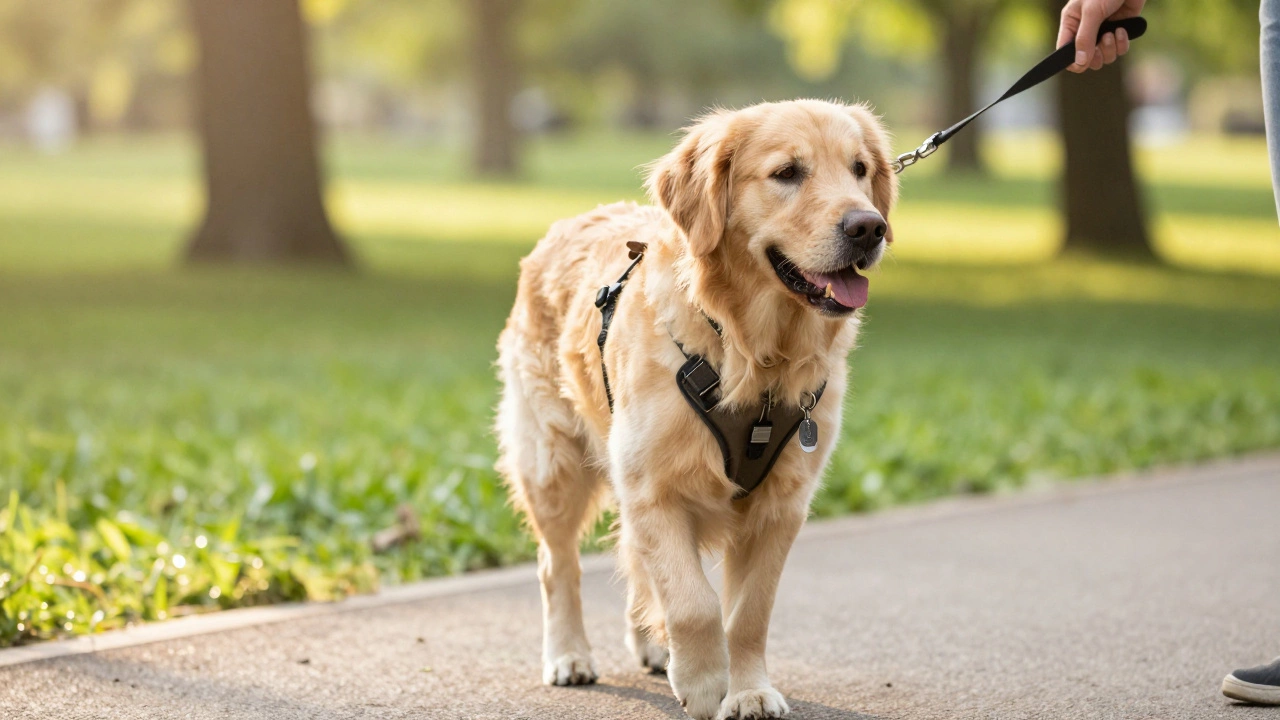
Imagine this: You’re out for a brisk walk in the park. Your dog spots a squirrel and bolts. You grab the leash attached to their sturdy chest harness, but they slip out of it because you forgot to clip the safety loop. Now, your dog is running loose without an ID tag around their neck, and you have no way to quickly stop them or identify them if they get lost. It’s a nightmare scenario that many owners face when they assume a harness replaces a collar entirely.
The short answer is yes, most dogs should wear both a dog collar with identification tags and a harness for walking. While a harness is superior for control and comfort during walks, a collar serves as the primary backup for identification and emergency handling. Relying on just one piece of gear leaves gaps in safety and legal compliance.
Why the Harness Alone Isn't Enough
Harnesses have gained massive popularity in recent years, and for good reason. Unlike traditional collars, which put pressure on a dog’s trachea (windpipe), harnesses distribute pulling force across the chest and shoulders. This is especially critical for breeds prone to breathing issues, like Pugs or Bulldogs, or small dogs whose necks are delicate.
However, harnesses are not foolproof. Even high-quality designs can fail. A determined dog can back out of a poorly fitted harness, or a buckle can snap under extreme stress. If your dog escapes their harness, you lose physical control immediately. Without a collar nearby, you also lose the most reliable method of identification. A harness is a tool for management; a collar is a tool for identity.
| Feature | Dog Collar | Dog Harness |
|---|---|---|
| Primary Use | ID Tags & Legal Compliance | Walking Control & Comfort |
| Safety Mechanism | Quick-release buckles | Distributed pressure points |
| Escape Risk | Low (if fitted correctly) | Medium (can back out) |
| Neck Strain | High (if dog pulls) | Low/None |
| Emergency Grip | Easy to grab | Harder to secure quickly |
The Critical Role of Identification
In New Zealand, and many other countries, laws require dogs to wear identification while in public. In Auckland, for example, local bylaws often mandate that dogs must be registered and wear a tag displaying the owner’s contact information. A harness does not typically provide a secure place for these tags. Attaching tags to a harness can cause them to jingle excessively, irritating the dog, or worse, snag on branches and tear the fabric.
A flat nylon or leather collar provides a dedicated, stable spot for metal or silicone ID tags. If your dog slips out of their harness, that collar becomes their lifeline. A finder can see your phone number instantly. Without it, a lost dog is just another stray waiting at the shelter. Microchipping is essential, but it requires a scanner to read. A collar tag works for anyone, anywhere, anytime.
Legal Requirements and Local Bylaws
Understanding the legal landscape is part of responsible ownership. In New Zealand, the Dog Control Act 1996 sets national standards, but local councils enforce specific rules. Most councils require:
- Annual registration of your dog.
- Wearing of a visible ID tag at all times when off private property.
- Leashing or effective voice control in public areas.
If you are stopped by a council officer and your dog has no collar with a tag, you could face a fine. Even if you argue that the harness is "better," the law usually specifies a "collar" or "tag." Don’t risk it. Keep a simple, lightweight collar on your dog underneath the harness to stay compliant.
How to Fit Both Safely
Wearing two pieces of gear might sound uncomfortable, but dogs adapt quickly if fitted correctly. The key is avoiding chafing and ensuring neither item restricts movement.
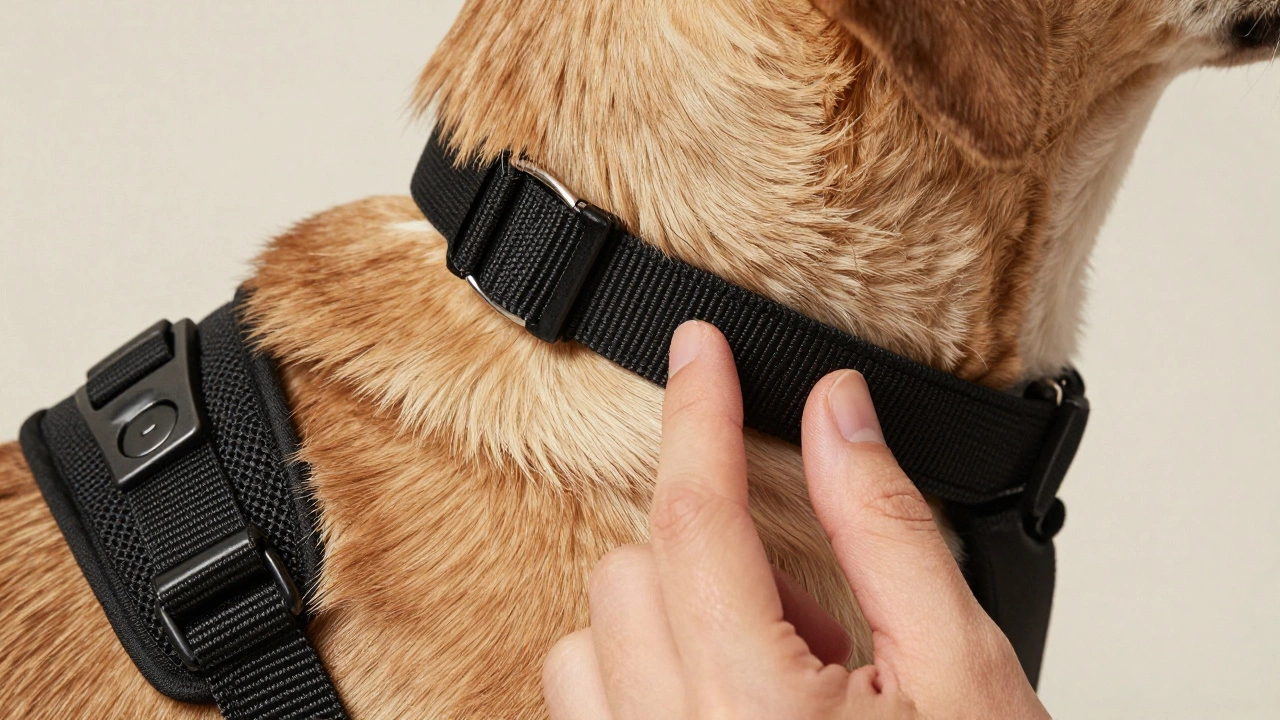
- Start with the collar: Place the ID collar first. It should sit high on the neck, just below the jawline. You should be able to slide two fingers comfortably between the collar and the skin. If it’s too tight, it causes irritation; too loose, and it slides over the ears.
- Add the harness: Put the harness on next. Ensure the straps lie flat against the fur. For step-in harnesses, make sure the leg holes aren’t rubbing the armpits. For overhead styles, check that the neck strap isn’t pressing against the ID collar.
- Check for gaps: Run your hand under both the collar and harness. There should be no twisting of fur or pinching of skin.
- Monitor behavior: Watch your dog for the first few minutes. Are they scratching excessively? Limping? If so, adjust the fit or try different materials.
Many owners opt for a breakaway collar for daily wear. These collars open under sudden tension, preventing choking if the dog gets snagged on a fence or branch. Pair this with a sturdy front-clip harness for walks. The front-clip design discourages pulling by turning the dog toward you when they lunge, making training easier.
When Might You Skip the Collar?
There are rare exceptions where a collar might be omitted temporarily. If your dog has severe skin allergies or dermatitis, adding any extra material can worsen the condition. In such cases, consult your veterinarian. They might recommend a medical alert tattoo or a temporary electronic tracker instead of a physical tag.
Another scenario is during intense training sessions where the trainer specifically instructs removing distractions. However, even then, a quick-release collar with a blank tag is often preferred over nothing at all. Never leave a dog unattended outdoors without some form of identification, whether it’s a collar, a harness with a sewn-in label, or a microchip scan record.
Choosing the Right Materials
Not all collars and harnesses are created equal. The material affects durability, comfort, and hygiene.
- Nylon: Lightweight, affordable, and comes in many colors. Great for everyday use but can absorb odors and moisture.
- Leather: Durable and ages well. More expensive and requires conditioning. Best for larger, strong dogs.
- Padded Mesh: Ideal for sensitive skin. Breathable and soft, reducing friction burns during long hikes.
- Biothane: A synthetic leather alternative that dries quickly and resists stains. Perfect for dogs who love swimming or playing in mud.
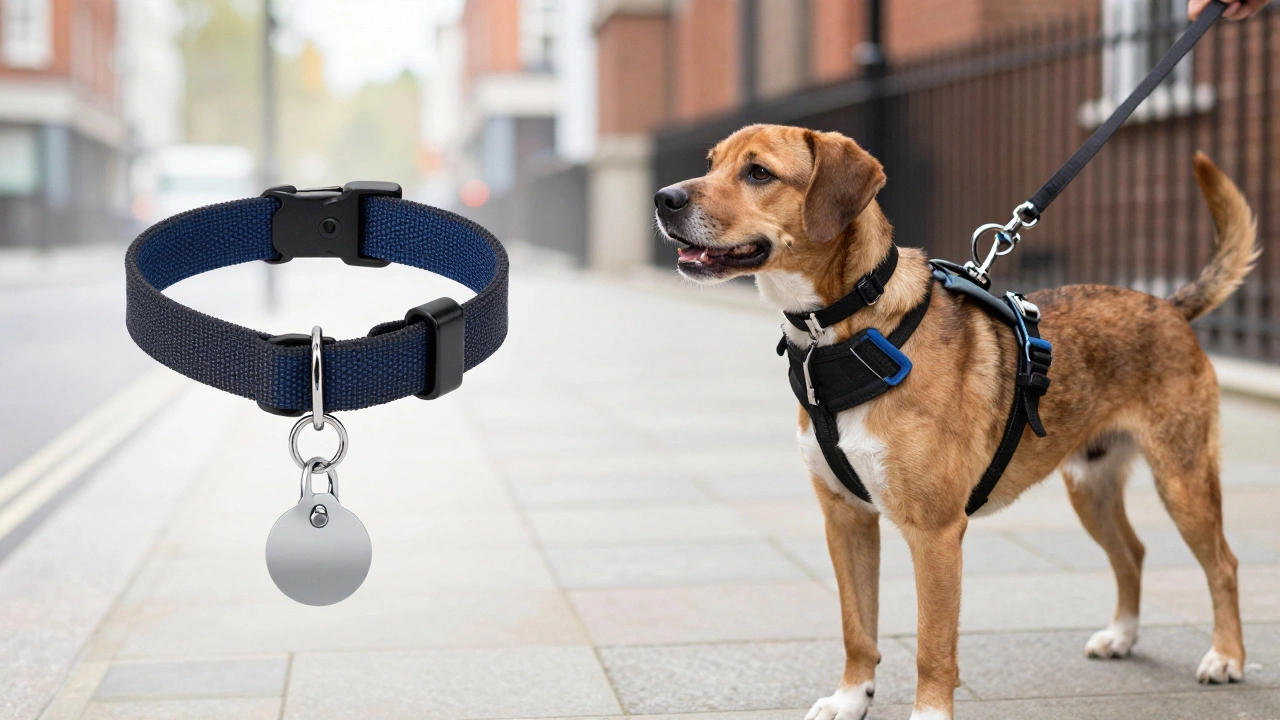
For the ID collar, simplicity is best. Avoid bulky chains or decorative spikes that can catch on things. A thin, flat nylon strap with a single metal ring for tags is sufficient. Save the style and flair for the harness, which is more visible and less likely to cause injury.
Maintaining Your Gear
Regular maintenance ensures safety. Check your collar and harness weekly for signs of wear. Look for frayed edges, cracked buckles, or rusted metal rings. Replace any damaged equipment immediately. A broken buckle is a failed safety system.
Clean your gear regularly. Dirt and bacteria build up in the padding of harnesses and the loops of collars. Hand-wash nylon and biothane with mild soap. Leather should be wiped down and conditioned. Clean gear lasts longer and keeps your dog healthier.
Training Tips for Dual-Gear Wearers
Some dogs dislike the feeling of a harness initially. Others hate the weight of a collar. Introduce them gradually. Let your dog sniff the new items before putting them on. Reward calm behavior with treats. Start with short indoor sessions before heading outside.
If your dog pulls, don’t rely solely on the harness to stop them. Use positive reinforcement techniques. Teach "loose leash walking" by rewarding your dog when they walk beside you without tension. The harness helps protect their neck, but training addresses the root behavior.
Remember, the goal is a safe, happy partnership. Your dog looks to you for guidance. Providing proper gear shows you care about their well-being and respect the community they live in.
Can I attach my ID tags to my dog's harness instead of a collar?
While you technically can, it’s not recommended. Tags attached to a harness can swing wildly, causing noise pollution and potential snags. More importantly, if your dog backs out of the harness, the tags come with it, leaving you with no way to identify them. A collar ensures the ID stays with the dog even if the walking gear fails.
Is it illegal to walk a dog without a collar in New Zealand?
Yes, in most regions. Under the Dog Control Act 1996 and local council bylaws, dogs must wear a tag with the owner's details when in public. Fines apply for non-compliance. Always check your specific council’s regulations, but assume a tagged collar is required.
Will wearing both a collar and a harness hurt my dog?
No, as long as they are fitted correctly. The collar should be snug but allow two fingers underneath. The harness should not rub or chafe. Many dogs wear both comfortably for years. Monitor for any signs of irritation, especially after long walks.
What type of collar is best for ID tags?
A flat nylon or biothane collar is ideal. It’s lightweight, durable, and doesn’t tangle easily. Avoid chain collars for ID purposes as they can be heavy and noisy. Breakaway collars are a great safety option for pets who roam freely in fenced yards.
Do small dogs need a harness more than large dogs?
Yes, small dogs are more susceptible to tracheal collapse from neck strain. A harness protects their delicate windpipes. However, they still need a collar for ID. Choose a lightweight harness designed specifically for small breeds to avoid bulkiness.