
Vibrating Collar Suitability Checker
Answer these questions to find out if a vibrating collar is the right choice for your situation.
Picture this: You’re trying to enjoy a quiet morning coffee on your patio. Suddenly, your neighbor’s dog starts barking at a leaf blowing across the yard. The noise is relentless. You feel for the owner, but you also wonder if there’s a solution that doesn’t involve yelling or ignoring the problem entirely. This is where vibrating dog collars often enter the conversation.
Many pet owners look to these devices as a middle ground between harsh shock collars and doing nothing at all. But do they actually work? The short answer is yes, but with significant caveats. They are not magic wands that fix behavioral issues overnight. Instead, they are communication tools that require patience, consistency, and a solid understanding of canine psychology. If used incorrectly, they can cause more anxiety than they solve. Let’s break down exactly how they function, when they are appropriate, and what you need to know before buying one.
How Vibrating Dog Collars Actually Work
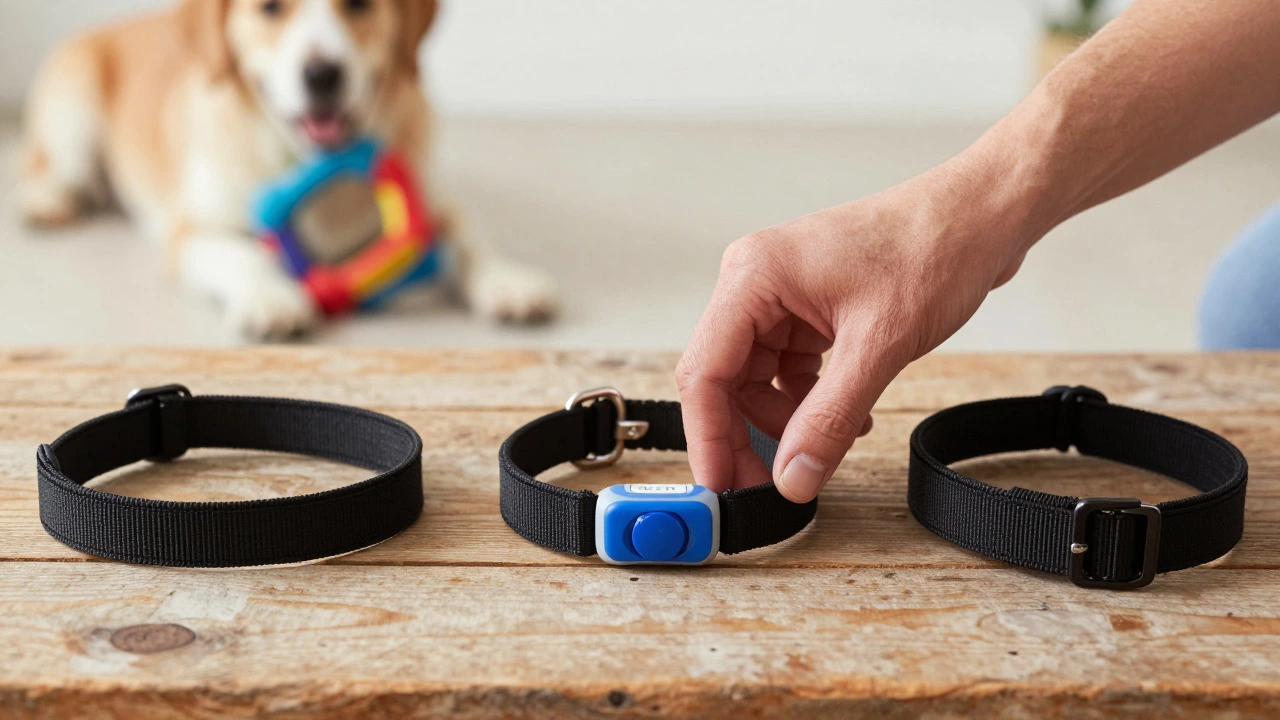
To understand if a vibrating collar works for your dog, you first need to understand the mechanism. Unlike shock collars (also known as e-collars) that deliver an electric stimulus, or citronella collars that spray scent, a vibrating collar uses a small motor to create a physical buzz against the dog’s neck.
The sensation is similar to a phone vibrating in your pocket. For most dogs, it is startling but not painful. The goal is interruption, not punishment. When your dog engages in unwanted behavior-like excessive barking or pulling on the leash-the vibration serves as a cue to stop. It breaks their focus on the trigger and redirects their attention back to you.
There are generally two types of activation methods:
- Automatic Sensors: These detect sound (barking) or motion (pulling). Once the sensor registers the behavior, the collar vibrates automatically. This is common for anti-bark collars.
- Remote Control: You hold a clicker-like device and manually trigger the vibration when you see the behavior happening. This allows for precise timing and is often used for recall training or off-leash control.
The effectiveness hinges on timing. If the vibration happens too late, the dog won’t connect the buzz to the action. If it happens too early, you might be punishing them for simply existing near a trigger. This is why remote-controlled units often yield better results for complex behaviors, while automatic sensors work well for simple, repetitive actions like barking.
When Do Vibrating Collars Work Best?
Vibrating collars are not a cure-all. They work best in specific scenarios where the dog is already responsive to tactile cues or where other methods have failed. Here are the situations where they tend to be most effective:
1. Recall Training for Distracted Dogs
If your dog loves to chase squirrels and ignores your voice commands, a vibration can serve as a backup signal. You pair the vibration with the word "Come." Over time, the dog learns that the buzz means "pay attention and return to me." This is particularly useful for hunting breeds or high-drive working dogs who need a strong, non-painful interruptor.
2. Reducing Excessive Barking
For dogs that bark at every passerby, an automatic anti-bark collar with vibration can help break the cycle. The key here is that the dog must find the vibration annoying enough to stop barking, but not scary enough to become fearful of their own voice. Many trainers recommend starting with the lowest setting possible.
3. Leash Pulling Correction
Some collars vibrate when the leash becomes taut. This provides immediate feedback to the dog that pulling doesn’t result in forward movement. However, this is controversial among professional trainers. Many argue that positive reinforcement (rewarding loose-leash walking) is safer and more effective long-term. If you use a vibrating collar for pulling, ensure it is only a momentary buzz, not a continuous rumble.
Safety Concerns and Potential Risks
Even though vibrating collars are considered "humane" compared to shock collars, they are not without risks. Understanding these potential downsides is crucial for responsible ownership.
Anxiety and Stress
Dogs vary greatly in sensitivity. A vibration that feels like a gentle nudge to a large, thick-skinned Mastiff might feel like a jackhammer to a small Chihuahua. If the stimulation is too intense, it can cause chronic stress. Signs of stress include panting, drooling, tucked tail, avoidance behavior, or even aggression. If you notice these signs, discontinue use immediately.
Skin Irritation
The contact points on the collar must fit properly. If the collar is too loose, the vibration won’t be felt consistently. If it’s too tight, or if the metal prongs dig into the skin, it can cause sores, hot spots, or hair loss. Always check your dog’s neck daily for redness or irritation. Rotate the position of the collar slightly each day to prevent pressure points.
Misinterpretation of Behavior
One of the biggest dangers is using a vibrating collar for fear-based behaviors. If your dog barks because they are scared of thunderstorms, adding a vibration will not teach them to be calm; it will make them terrified of both the storm and the collar. This can lead to learned helplessness, where the dog stops reacting entirely because they feel they have no control over their environment. Never use correction devices for anxiety or fear.

Vibrating Collars vs. Other Training Tools
| Collar Type | Mechanism | Best For | Risk Level |
|---|---|---|---|
| Vibrating Collar | Physical buzz | Recall, mild interruption | Low (if fitted correctly) |
| Shock Collar (E-Collar) | Electric stimulus | Severe behavioral issues, professional use | High (pain/fear risk) |
| Citronella Collar | Scent spray | Barking (dogs sensitive to smell) | Low (messy, ineffective for some) |
| Head Halter | Physical guidance | Leash pulling | Very Low (requires acclimation) |
| Standard Flat Collar | None | ID tags, casual walks | None |
As you can see, vibrating collars sit in the middle of the spectrum. They offer more immediacy than a head halter but lack the pain associated with shock collars. For many owners, this balance makes them an attractive option. However, remember that no collar replaces foundational training. A tool is only as good as the hand that uses it.
How to Use a Vibrating Collar Correctly
If you decide to try a vibrating collar, follow these steps to ensure safety and effectiveness:
- Start Without Activation: Let your dog wear the collar for a few days without turning it on. Give them treats and praise while wearing it. This creates a positive association with the device itself.
- Find the Right Fit: The collar should be snug enough that the contact points touch the skin, but loose enough to fit two fingers underneath. Test the vibration on your own wrist to gauge intensity.
- Use the Lowest Setting: Most collars have multiple intensity levels. Start at the lowest. Increase only if your dog shows no reaction after several sessions.
- Pair with Commands: Don’t just vibrate randomly. Vibrate, then immediately give a verbal command (e.g., "Quiet" or "Heel"). Reward compliance with a treat. The vibration interrupts; the reward reinforces the desired behavior.
- Keep Sessions Short: Limit training to 5-10 minutes at a time. Long sessions can lead to frustration for both you and your dog.
- Monitor Body Language: Watch for signs of stress. If your dog becomes withdrawn or aggressive, stop using the collar and consult a professional trainer.
Alternatives to Consider
Before investing in a vibrating collar, consider whether other methods might solve the problem. Often, behavioral issues stem from unmet needs rather than disobedience.
Exercise and Mental Stimulation: A tired dog is a good dog. Many barking and pulling issues disappear when a dog gets enough physical exercise and mental enrichment (puzzle toys, sniff walks, training games).
Positive Reinforcement Training: Hiring a certified force-free trainer can work wonders. They will help you identify triggers and teach alternative behaviors. For example, instead of stopping barking with a vibration, you might teach your dog to go to their bed and chew a toy when the doorbell rings.
Environmental Management: Sometimes the simplest solution is blocking the view. If your dog barks at cars outside, close the blinds. If they pull on the leash, use a front-clip harness that physically discourages pulling without any electronic component.
Frequently Asked Questions
Are vibrating dog collars cruel?
No, vibrating collars are not inherently cruel. They do not cause pain like shock collars do. However, they can be stressful if used incorrectly, such as on high-intensity settings or for fear-based behaviors. Used as a gentle interruptor with proper fitting and low settings, they are considered a humane training aid by many veterinarians and trainers.
Can I leave a vibrating collar on my dog 24/7?
It is generally recommended not to leave any electronic collar on 24/7. Prolonged wear can lead to skin irritation, matting of fur, and desensitization to the vibration. Remove the collar after training sessions and during sleep. Check the neck area daily for any signs of redness or sores.
Will a vibrating collar stop my dog from barking?
It may reduce barking, but it rarely eliminates it completely. Automatic anti-bark collars can interrupt the barking cycle, but if the underlying cause (anxiety, boredom, territorial instinct) isn't addressed, the barking will likely return. Combine the collar with positive reinforcement training for best results.
Is a vibrating collar better than a shock collar?
Yes, for most household pets, a vibrating collar is a safer and less controversial option than a shock collar. Shock collars carry a higher risk of causing fear, aggression, and physical pain. Vibrating collars rely on tactile sensation rather than pain, making them a more ethical choice for basic obedience and recall training.
What size vibrating collar do I need?
Size depends on your dog's neck circumference and weight. Small dogs (under 20 lbs) need mini models with smaller contact prongs to avoid discomfort. Medium and large dogs can use standard sizes. Always measure your dog's neck and choose a collar that fits securely but comfortably. A collar that is too big won't transmit the vibration effectively.
Can I use a vibrating collar for puppy training?
It is usually best to avoid electronic collars for puppies under six months old. Their nervous systems are still developing, and they are highly impressionable. Focus on positive reinforcement, socialization, and basic commands first. Introduce tools like vibrating collars only if necessary and under the guidance of a professional trainer.
How long does it take to train a dog with a vibrating collar?
There is no set timeline. Some dogs respond within a week, while others may take several weeks or months. Consistency is key. If you don't see improvement after 2-3 weeks of consistent daily training, reconsider your approach or consult a professional. Every dog learns at a different pace.
Are there laws regulating vibrating dog collars?
Laws vary by location. In some countries and cities, shock collars are banned, but vibrating collars are often permitted. However, local animal welfare regulations may restrict their use. Always check your local ordinances and consult with a veterinarian before purchasing. Responsible use is always required regardless of legality.