
Dog Supplement Selector
Not sure which supplement might help your dog? Select their life stage and any current health concerns to see what veterinarians commonly recommend.
Disclaimer: This tool provides general information based on common veterinary practices. Always consult your veterinarian before starting any new supplement regimen, especially if your dog is on medication or has existing health conditions.
You’re standing in the pet store aisle, staring at a wall of colorful bottles. Glucosamine here, fish oil there, some fancy mushroom blend that promises eternal youth for your pup. You wonder: do vets recommend supplements? The honest answer isn’t a simple yes or no. It’s more like a conditional "maybe," depending entirely on what your dog needs and what you’re trying to fix.
Most healthy dogs eating a high-quality commercial diet don’t need extra pills. But life gets complicated. Your senior lab starts stiffening up after walks. Your puppy has an upset stomach from switching food brands. Or maybe you just want to boost their coat shine before a show. That’s where supplements come in. But which ones actually work, and which are just expensive urine?
The Short Answer: Context Is Everything
Veterinarians generally agree on one thing: supplements aren’t magic bullets. They support health; they don’t cure diseases on their own. If your dog is diagnosed with arthritis, a supplement might help manage pain alongside medication, but it won’t replace treatment for severe cases. Conversely, if your dog is perfectly healthy, adding random vitamins might do nothing-or worse, cause imbalances.
Think of it this way. A balanced commercial dog food (like those meeting AAFCO standards) is designed to be complete. Adding too many extras can throw off the nutrient ratio. For example, dumping extra calcium into a large-breed puppy’s diet can actually harm bone development. So, before you buy anything, ask yourself: what specific problem am I trying to solve?
What Vets Actually Prescribe Most Often
When veterinarians do recommend supplements, they tend to stick to a few well-researched categories. These aren’t fads; they have clinical backing for specific conditions.
| Supplement | Primary Use Case | Key Benefit | Typical Source |
|---|---|---|---|
| Omega-3 Fatty Acids | Skin allergies, dry coat, inflammation | Reduces itchiness and supports heart health | Fish oil, krill oil |
| Glucosamine & Chondroitin | Arthritis, joint stiffness in seniors | Supports cartilage repair and joint lubrication | Shellfish extracts, synthetic blends |
| Probiotics | Digestive upset, diarrhea, post-antibiotic recovery | Balances gut bacteria for better digestion | Cultured dairy, specialized powders |
| L-Carnitine | Weight management, heart health | Helps convert fat into energy | Amino acid supplements |
Omega-3s: The Heavy Hitter for Skin and Coat
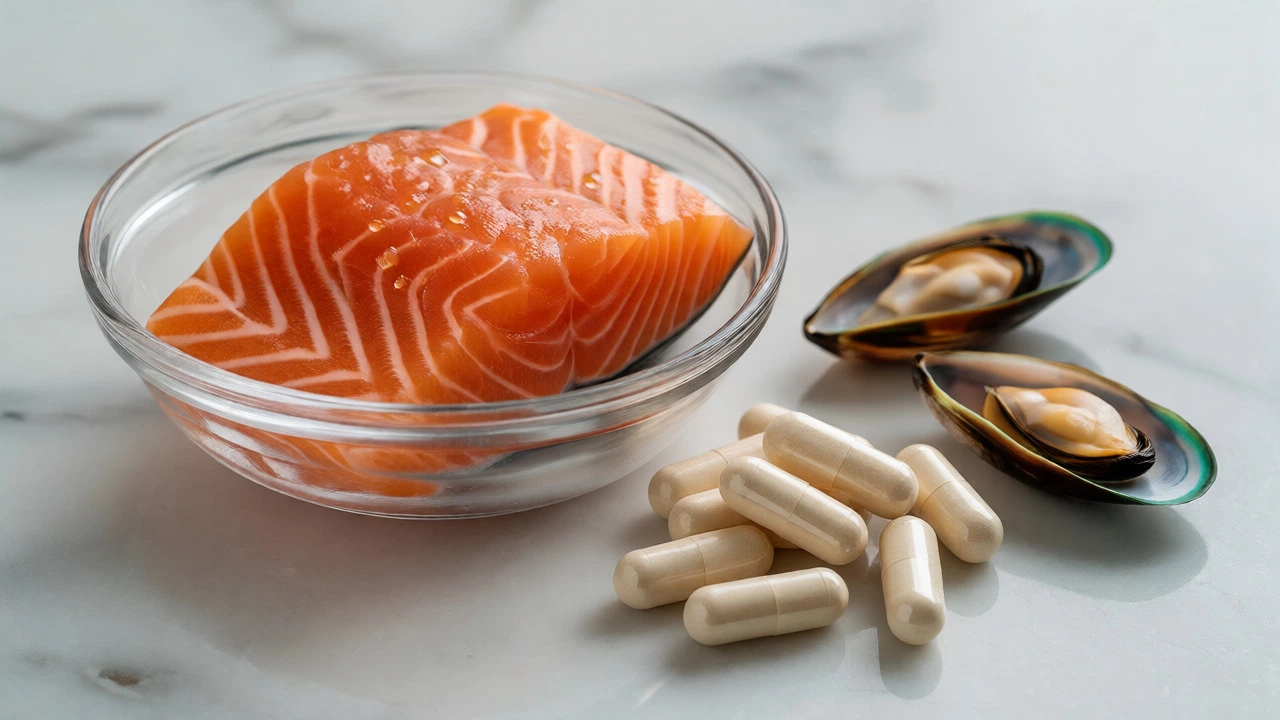
If there’s one supplement most vets feel comfortable recommending broadly, it’s fish oil. Why? Because many commercial dog foods use plant-based oils or cheaper fats that lack sufficient EPA and DHA-the good stuff found in cold-water fish.
Have you noticed your dog scratching more in winter? Dry skin is often linked to fatty acid deficiencies. Omega-3s act as natural anti-inflammatories. They don’t just make the coat shiny; they reduce the inflammatory response in allergic dogs. Many dermatologists prescribe high-dose fish oil alongside allergy meds to cut down on steroid usage.
But quality matters. Rancid fish oil smells terrible and can actually increase inflammation. Look for products that list the concentration of EPA and DHA specifically, not just "total fish oil." A bottle saying "1000mg Fish Oil" means nothing if only 100mg is active omega-3. Check the label for at least 30% combined EPA/DHA content.

Joint Care: Glucosamine and Beyond
Does your 10-year-old Golden Retriever hesitate before jumping into the car? Joint supplements are huge in the veterinary world, but expectations need managing. Glucosamine and chondroitin are popular because they are safe and have a low risk of side effects. However, studies show mixed results. Some dogs respond dramatically; others see no change.
For mild osteoarthritis, these supplements can slow progression and improve comfort. For severe joint destruction, they’re usually insufficient alone. Vets often combine them with NSAIDs (non-steroidal anti-inflammatory drugs) or newer injectable treatments like Librela or Solensia. If you’re considering glucosamine, look for veterinary-grade formulations. Human versions often contain fillers or incorrect dosages for canine metabolism.
Green-lipped mussel extract is another rising star. Sourced from New Zealand, it contains unique glycosaminoglycans that may offer stronger anti-inflammatory properties than standard glucosamine. It’s pricier, but many owners report visible improvements in mobility within four to six weeks.
Gut Health: Probiotics Are Not One-Size-Fits-All
Your dog has loose stools after a treat splurge. Should you grab a generic yogurt? Probably not. Canine gut flora differs significantly from human gut flora. While plain yogurt offers some benefit, specialized canine probiotics contain strains like Enterococcus faecium or Lactobacillus acidophilus specifically selected for dogs.
Vets frequently recommend probiotics during antibiotic courses. Antibiotics kill bad bacteria but also wipe out the good ones, leading to secondary digestive issues. A high-quality probiotic helps repopulate the gut faster. Look for products with guaranteed colony-forming units (CFUs) at the time of expiration, not just manufacture. Storage matters too-heat kills live cultures, so keep them in a cool place or refrigerate if instructed.
When Supplements Do More Harm Than Good
Here’s the catch nobody talks about enough: toxicity. Dogs metabolize nutrients differently than humans. Fat-soluble vitamins (A, D, E, K) accumulate in the body. Giving a human multivitamin to a small dog can lead to vitamin A toxicity, causing bone pain and liver damage.
Calcium is another trap. Owners often think "bones need calcium," so they add powder to homemade diets. But without precise balancing against phosphorus, you risk skeletal deformities in growing puppies. Always consult a vet nutritionist before altering mineral intake.
Also, beware of unregulated claims. The pet supplement industry falls under animal feed regulations, not drug laws. This means companies don’t always have to prove efficacy before selling. A product labeled "clinically tested" might refer to a tiny study funded by the manufacturer itself. Veterinary recommendations rely on peer-reviewed data and clinical experience, not marketing hype.
How to Choose Quality Products
Not all supplements are created equal. Since the FDA doesn’t pre-approve pet supplements, you have to be your own detective. Here’s how to spot trustworthy brands:
- NASDAQ Certification: Look for the National Animal Supplement Council (NASC) seal. This indicates third-party auditing of manufacturing practices.
- Transparency: Reputable brands publish Certificate of Analysis (CoA) reports showing purity and potency testing.
- Vet Formulation: Brands developed by veterinarians or pharmacists tend to prioritize safety over flashy ingredients.
- Specific Dosage: Avoid vague instructions like "give daily." Good labels specify milligrams per pound of body weight.
Price is often a proxy for quality. Cheap supplements may use poor-quality raw materials or inconsistent concentrations. If a bottle of fish oil costs less than a coffee, question its source and processing methods.
Talking to Your Vet: What to Ask
Next time you visit your clinic, bring the actual bottle you’re considering. Don’t just say "I’m thinking of giving him vitamins." Show the label. Ask:
- Is this necessary for my dog’s current health status?
- Could this interact with any medications he’s currently taking?
- What dosage do you recommend based on his weight?
- Are there signs of improvement I should watch for?
Vets appreciate when owners do homework. They’ll respect your initiative if you approach it collaboratively rather than independently. Remember, they know your dog’s medical history, bloodwork results, and breed-specific risks.
Final Thoughts: Less Is Often More
So, do vets recommend supplements? Yes, but selectively. They view them as tools in a toolbox, not foundational elements of health. Focus first on premium food, regular exercise, dental care, and preventive medicine. Then, layer in targeted supplements only when addressing specific gaps or age-related changes.
Your dog doesn’t need a pharmacy cabinet full of pills. They need the right pill, at the right dose, for the right reason. When in doubt, pause, observe, and consult. Your wallet-and your dog’s liver-will thank you.
Can I give my dog human supplements?
Sometimes, but caution is required. Dosages differ significantly between species. Human supplements may contain xylitol, an artificial sweetener that is toxic to dogs. Always check inactive ingredients and consult your vet before sharing your own vitamins with your pet.
How long does it take for dog supplements to work?
It varies by type. Digestive aids like probiotics may show results in days. Joint supplements like glucosamine typically require 4 to 8 weeks of consistent use to build up in the system and show noticeable mobility improvements. Skin and coat benefits from omega-3s usually appear after 6 to 12 weeks.
Are natural supplements safer than synthetic ones?
Not necessarily. "Natural" is an unregulated term. Some natural herbs can be toxic to dogs (like garlic in high doses). Synthetic supplements are often purer and more precisely dosed. Safety depends on the specific ingredient and dosage, not whether it was grown or manufactured.
Do senior dogs need different supplements?
Yes. Older dogs often benefit from joint support (glucosamine/chondroitin), cognitive support (medium-chain triglycerides or antioxidants), and easier-to-digest proteins. Kidney function declines with age, so monitoring protein and phosphorus levels becomes critical, sometimes requiring prescription diets rather than over-the-counter supplements.
Can supplements replace a good diet?
No. Supplements are meant to complement, not replace, a balanced diet. High-quality commercial dog food provides essential macronutrients and micronutrients in bioavailable forms. Supplements cannot replicate the complex nutritional matrix of whole-food-based kibble or wet food.