Prong Collar Transition Guide
Switching tools can be tricky. Use this interactive checklist to ensure your dog adjusts comfortably and learns new walking habits.
Great Job!
You have successfully outlined the plan to switch your dog to a safer, more comfortable harness.
Remember: Consistency is key. If your dog pulls initially, stop and wait for them to look at you before rewarding.
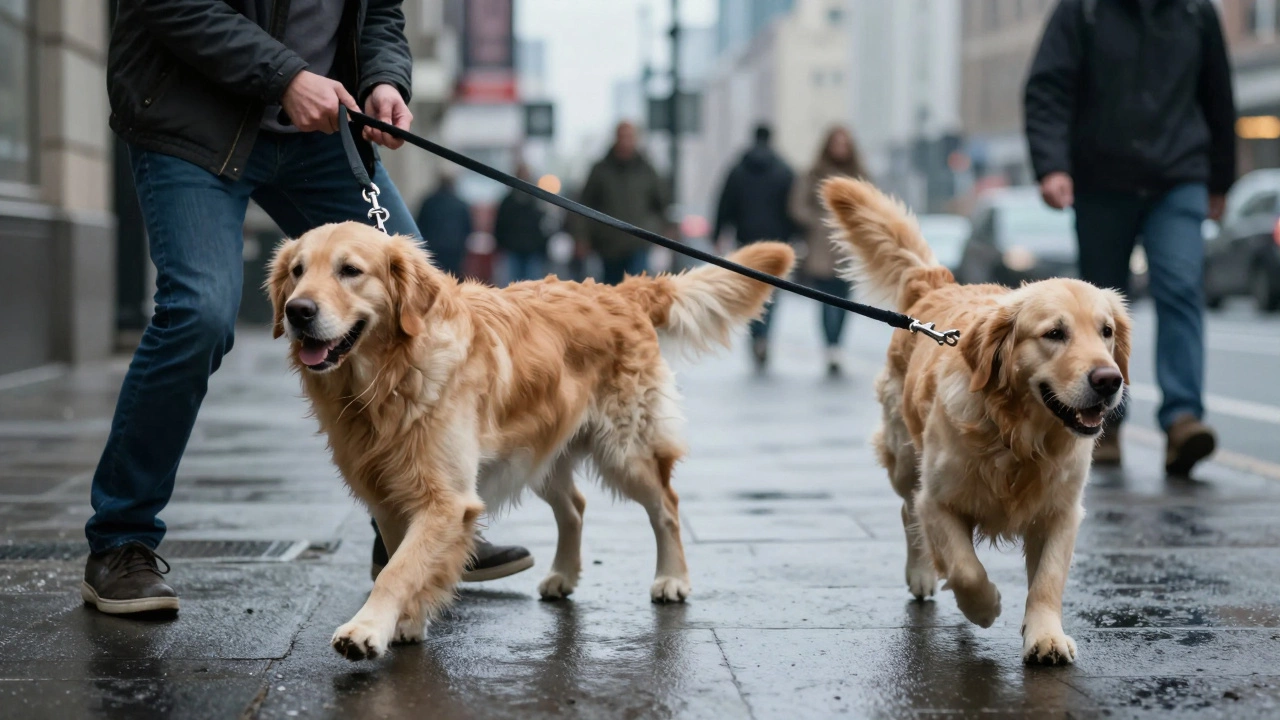
There is a moment in every dog owner’s life when the leash feels like it has turned into a rubber band. Your dog sees a squirrel, a jogger, or another dog, and suddenly you are being dragged across the pavement. In that panic, many owners reach for a prong collar. It promises immediate control. But does it actually work, and more importantly, do veterinarians stand behind it?
The short answer is no. Most veterinarians and veterinary behaviorists do not recommend prong collars as a first-line solution for pulling. While they may stop the physical act of dragging, they often create new behavioral and physical problems. The consensus among modern animal welfare professionals is shifting away from pain-based correction toward force-free methods.
Why don't vets recommend prong collars?
Veterinarians generally avoid recommending prong collars because they rely on pain and discomfort to correct behavior. This can lead to physical injuries like tracheal damage or skin lesions, and psychological issues such as increased anxiety or aggression. Furthermore, prong collars do not teach the dog what to do instead; they only punish the unwanted action.
How Prong Collars Actually Work
To understand why there is controversy, we have to look at the mechanics. A prong collar is a training tool consisting of metal links with blunt spikes that press into the dog's neck when tension is applied. When your dog pulls, the chain tightens, and those spikes dig into the fur and skin. The theory is that this mimics the bite of a mother dog correcting her puppy.
However, this analogy is flawed. A mother dog uses her mouth to guide, communicate, and restrain gently. She does not inflict sharp, puncturing pain around the neck. A prong collar applies pressure unevenly. If fitted incorrectly, one side might pinch harder than the other. If the dog jerks forward suddenly, the force is concentrated on a small area of the neck, which houses sensitive structures like the trachea, thyroid gland, and major blood vessels.
The problem isn't just the pain. It's the association. Dogs are associative learners. If your dog pulls toward a scary object-say, a loud motorcycle-and then gets pinched by the collar, he doesn't think, "I should walk nicely." He thinks, "Motorcycles cause pain." This can turn a neutral curiosity into a genuine fear response, making the behavior worse over time.
The Veterinary Consensus: Why Pain Isn't the Answer
If you ask a veterinarian in Auckland, London, or New York about prong collars, you will likely hear hesitation. Organizations like the American Veterinary Society of Animal Behavior (AVSAB) have published position statements advising against aversive tools, including prong collars, shock collars, and choke chains. Their reasoning is based on two pillars: physical safety and emotional well-being.
Physical Risks: Even with blunt tips, repeated use can cause hair loss, bruising, and open sores. More seriously, chronic pressure on the neck can contribute to tracheal collapse, especially in smaller breeds like Pomeranians or Yorkshire Terriers. It can also exacerbate existing eye conditions like glaucoma by increasing intraocular pressure due to restricted blood flow.
Behavioral Risks: Punishment suppresses behavior temporarily but doesn't eliminate the underlying motivation. Your dog still wants to chase the cat; he's just afraid to pull. This creates a state of high arousal and stress. In some cases, dogs become "leash reactive," snapping at other dogs or people because they associate the sight of others with the impending pain of the collar tightening.

When Do Trainers Use Them?
You might wonder, if vets dislike them, why do some professional trainers swear by them? The truth is nuanced. Some traditional trainers use prong collars as a last resort for large, powerful dogs where safety is an immediate concern-for example, a 100-pound Mastiff who drags his owner into traffic. In these specific scenarios, the collar is used briefly to gain attention, not as a permanent walking aid.
However, even among trainers, the landscape is changing. Modern force-free trainers argue that using a prong collar is a failure of management and training strategy. They believe that any dog can be taught to walk politely without inflicting pain. The key is consistency, patience, and using the right tools from the start. Relying on a prong collar often masks poor technique rather than solving the root cause of the pulling.
| Tool Type | Mechanism | Vet Recommendation | Best For |
|---|---|---|---|
| Prong Collar | Pain/Aversive | Generally Not Recommended | Emergency control only (controversial) |
| Flat Collar | Identification/Light Leash | Recommended for ID tags | Calm walkers, ID purposes |
| Front-Clip Harness | Redirection/Pressure Relief | Highly Recommended | Pullers, reactive dogs |
| Head Halter | Steering/Control | Recommended with caution | Strong pullers needing direction |
Better Alternatives That Vets Support
If you want to stop the pulling without risking your dog's health, there are several tools that veterinarians and certified behaviorists actively recommend. These tools work by redirecting the dog's body or providing positive reinforcement, rather than punishing them.
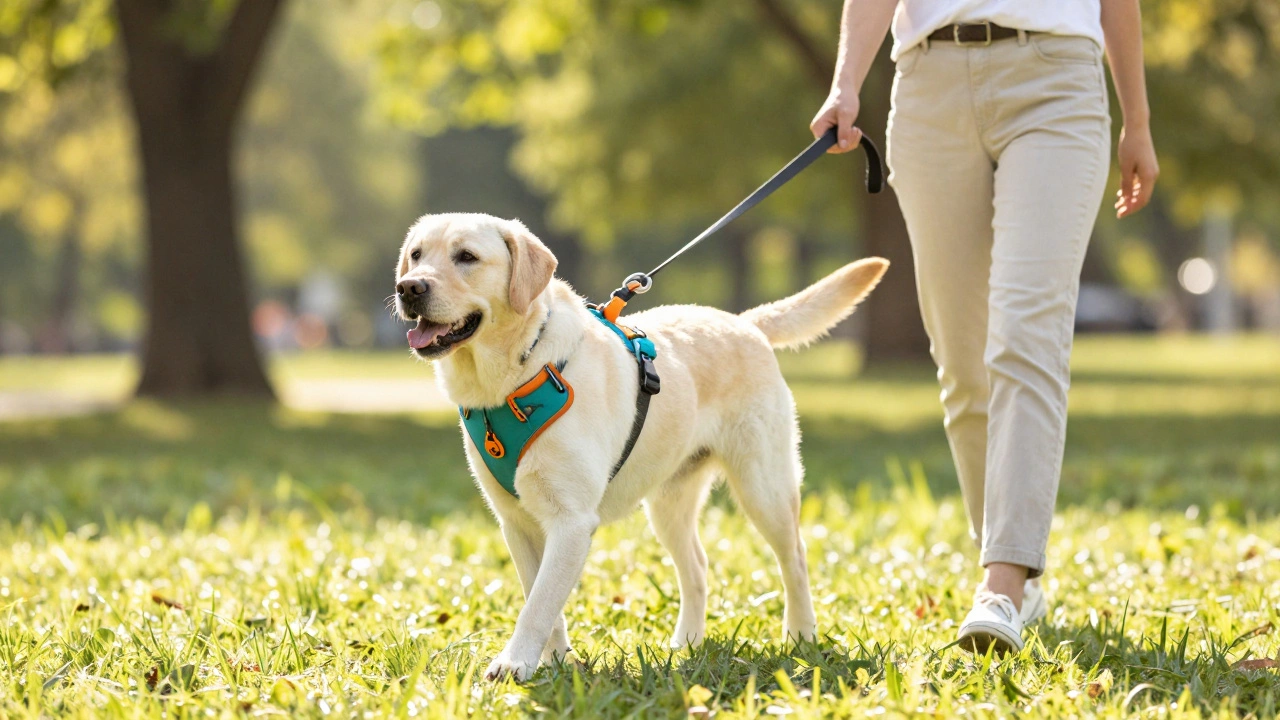
Front-Clip Harnesses: Brands like the Gentle Leader (body version) or Freedom Harness have a leash attachment point on the chest. When your dog pulls, the harness gently turns their shoulders toward you. It makes pulling physically inefficient. It’s uncomfortable enough to discourage the behavior but not painful. It distributes pressure across the chest and back, avoiding the neck entirely.
Head Halters: Similar to how a horse bit works, a head halter like the Gentle Leader or Halti goes around the snout and neck. Because dogs steer with their heads, controlling the head controls the body. It requires proper introduction so the dog doesn't feel trapped, but once acclimated, it offers immense control without pain. Many vets love these for large, strong breeds.
Positive Reinforcement Training: No tool replaces teaching. Using a high-value treat pouch, reward your dog for walking beside you. Mark the good behavior with a clicker or a "yes!" and immediately give a treat. Over time, the dog learns that staying close equals rewards, while pulling means missing out. This builds a cooperative relationship rather than a fearful one.
Signs Your Dog Is Suffering from a Prong Collar
If you are currently using a prong collar, watch for these red flags. They indicate that the tool is causing harm:
- Physical Marks: Persistent bald spots, scabs, or bruises on the neck.
- Reluctance to Walk: Your dog hesitates to go outside or tries to jump over the collar.
- Increased Reactivity: Snapping or growling more frequently when on leash.
- Shaking or Panting: Signs of stress unrelated to heat or exercise.
- Tracheal Cough: A honking cough after walks, which could signal windpipe irritation.
If you see any of these signs, switch tools immediately. Consult a veterinarian to check for underlying injuries and consider working with a certified force-free trainer to rebuild your walking routine.
Conclusion: Choosing Compassion Over Control
The question isn't just whether prong collars work-they often do stop pulling in the short term. The real question is whether the cost is worth it. For most dogs, the answer is no. The risk of physical injury and emotional distress outweighs the convenience of quick compliance.
Veterinarians prioritize long-term health and welfare. From that perspective, prong collars fail the test. By switching to a front-clip harness or head halter and investing time in positive reinforcement, you can achieve a loose-leash walk that strengthens your bond with your dog. Your dog will walk better, feel safer, and enjoy the journey with you. That is a result worth striving for.
Are prong collars cruel?
Many animal welfare organizations and veterinarians consider prong collars cruel because they inflict pain and fear to modify behavior. While proponents argue they are humane if used correctly, the potential for physical injury and psychological distress leads most experts to classify them as aversive and unnecessary given modern alternatives.
What is the best collar for a dog that pulls?
The best option for a dog that pulls is typically a front-clip harness or a head halter. These tools redirect the dog's movement without applying pressure to the neck. Combined with positive reinforcement training, they effectively reduce pulling while keeping the dog safe and comfortable.
Can prong collars damage my dog's trachea?
Yes, prong collars can contribute to tracheal damage, especially in small breeds or dogs with pre-existing respiratory issues. The sudden jerking motion and constant pressure on the neck can irritate the windpipe, leading to inflammation, coughing, or even tracheal collapse over time.
Is it illegal to use prong collars?
In many countries, including New Zealand, Australia, and parts of Europe, it is illegal to use prong collars, choke chains, and shock collars. In the United States, laws vary by state and city. Always check local ordinances, as regulations are increasingly banning aversive training tools.
How do I transition from a prong collar to a harness?
Start by letting your dog sniff and investigate the harness indoors. Reward calm behavior with treats. Put it on loosely for short periods during play or meals. Gradually attach the leash and practice walking in low-distraction environments. Be patient, as your dog may initially pull more while learning the new sensation. Consistency and rewards will help them adjust.