
Barking Behavior & Solution Finder
Select the situation that best describes when your dog barks excessively.
Select a scenario above
to see why your dog is communicating this way and how to fix it humanely.
Recommended Action:
It is a frustrating moment. Your neighbor knocks on the door with a look of annoyance, or you are trying to work from home while your dog sees a squirrel through the window and decides to announce it to the entire street. You want silence. You want peace. And then you see an advertisement for a device that promises to stop the barking instantly. It looks simple. It sounds effective. But before you buy it, you need to know what the experts actually think.
The short answer is no. Most veterinarians and certified professional dog trainers do not recommend bark collars, especially those that use shock, citronella, or vibration as punishment. In fact, many countries in Europe have banned them entirely. Why? Because while these devices might suppress the noise, they often create bigger problems with anxiety, aggression, and trust issues between you and your dog.
The Problem With Suppressing Symptoms
To understand why vets dislike bark collars, you first have to understand why dogs bark. Barking is not a behavior; it is a symptom. It is how dogs communicate. They bark because they are bored, scared, lonely, excited, or guarding their territory. If you treat the bark without treating the cause, you are like a doctor prescribing painkillers for a broken leg without setting the bone. The pain stops for a moment, but the injury remains.
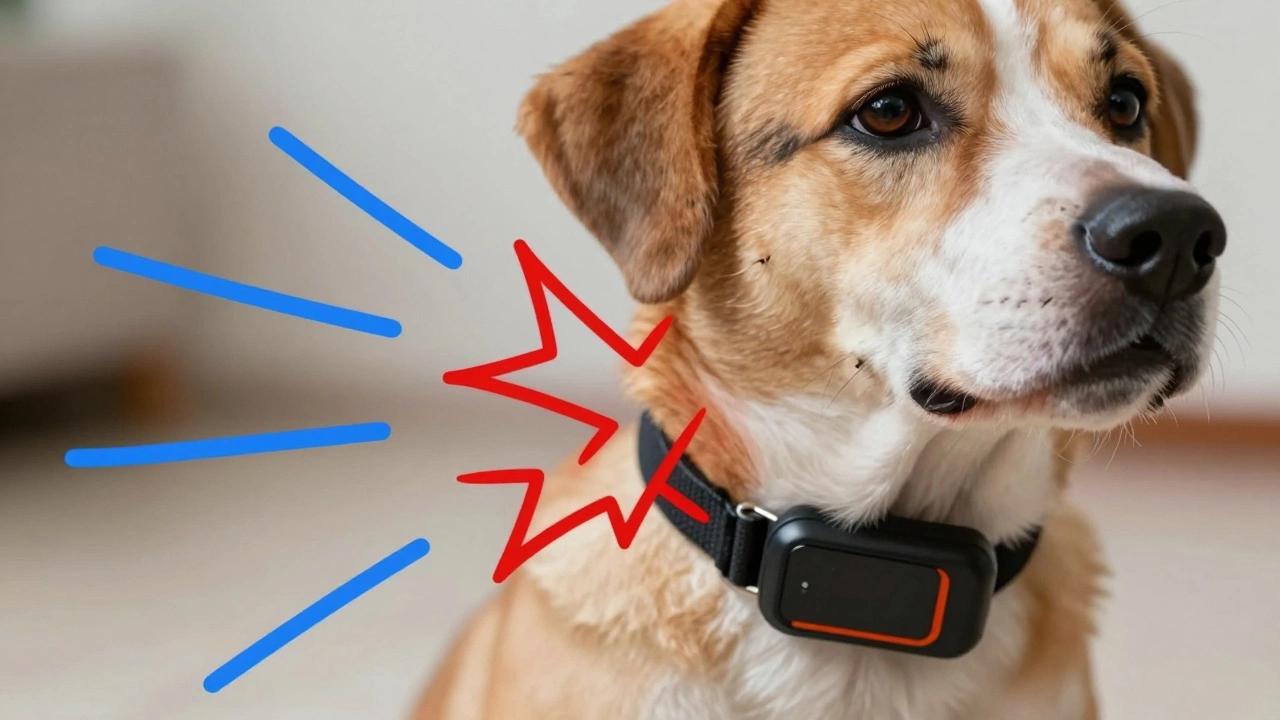
When you use an bark collar is a device worn by dogs designed to deter barking through sound, vibration, or static correction., you are punishing the communication itself. Your dog learns that making noise causes discomfort. This leads to a state known as "learned helplessness." The dog stops barking, yes, but they also become withdrawn, stressed, and confused. They still feel the fear or excitement, but they can no longer express it. That bottled-up energy has to go somewhere, and often, it comes out as destructive chewing, pacing, or even aggression toward people.
Types of Bark Collars and Their Risks
Not all bark collars are created equal, but most fall into three categories. Understanding the mechanics helps you see why professionals advise against them.
| Type | Mechanism | Veterinary Verdict | Potential Side Effects |
|---|---|---|---|
| Static Shock Collars | Delivers a mild electric shock when barking is detected | Strongly Discouraged / Banned in many regions | Anxiety, fear-based aggression, physical burns |
| Citronella Spray Collars | Sprays unpleasant scent near the dog's nose | Generally Discouraged | Respiratory irritation, association with smell rather than behavior |
| Vibration/Ultrasound Collars | Emits high-pitched sound or buzzes | Caution Advised | Startle response, increased stress, ineffective for hearing-impaired dogs |
Shock collars are the most controversial. Even at low settings, the unpredictability of the shock creates chronic stress. Dogs cannot predict when they will be shocked, which keeps their cortisol levels elevated. Citronella collars seem gentler, but spraying a pungent liquid near a dog's face can trigger a panic response. For dogs with asthma or sensitive airways, this is dangerous. Vibration collars are often marketed as "humane," but for many dogs, a sudden buzz around the neck is startling and uncomfortable, leading to the same avoidance behaviors as shock collars.
What Do Professional Organizations Say?
You do not have to take my word for it. Major veterinary and animal welfare organizations have taken clear stances on this issue. The American Veterinary Society of Animal Behavior (AVSAB) explicitly states that aversive methods, including shock collars, should not be used. They cite evidence linking these tools to increased aggression and fear.
In New Zealand, where I live, the Royal Society for the Prevention of Cruelty to Animals (SPCA) warns against electronic collars. They argue that these devices interfere with the human-animal bond. If your dog is afraid of you putting the collar on, you have damaged the trust required for effective training. Similar bans exist in the UK, Germany, Sweden, and Switzerland. These nations recognize that suppressing natural behaviors through pain or fear is not ethical training.
Better Alternatives: Positive Reinforcement
If bark collars are off the table, what can you do? The good news is that positive reinforcement works better in the long run. Instead of punishing the bark, you reward the quiet. This requires patience, but it builds a happier, more confident dog.
Here is a practical approach to reducing excessive barking:
- Identify the Trigger: Is your dog barking at passersby? At other dogs? Out of boredom? Write down when the barking happens. Pattern recognition is half the battle.
- Manage the Environment: If the dog barks at the window, close the blinds. If they bark at the mail carrier, keep them in another room until the carrier leaves. Prevention reduces rehearsal of the bad habit.
- Teach the "Quiet" Command: Let your dog bark once or twice, then say "quiet" calmly. Wait for a pause, even a split second, and immediately give a high-value treat. Repeat this until the dog associates the word "quiet" with getting a reward.
- Increase Exercise: A tired dog is a quiet dog. Mental stimulation through puzzle toys and physical exercise through walks drains the excess energy that fuels nuisance barking.
- Desensitization: If your dog barks at strangers, invite friends over. Have them stand quietly while you reward your dog for calm behavior. Gradually increase the proximity of the stranger as the dog remains relaxed.
When to Seek Professional Help
Sometimes, barking is a sign of separation anxiety or deep-seated fear. In these cases, DIY training may not be enough. If your dog destroys furniture, whines incessantly, or has accidents when left alone, they need behavioral support. Look for a Certified Professional Dog Trainer (CPDT) or a veterinary behaviorist. Avoid trainers who rely solely on dominance theory or aversive tools. Ask potential trainers about their philosophy. If they mention "alpha rolls" or shock collars, walk away.
Separation anxiety is a medical condition in some ways. It involves high levels of distress. In severe cases, a veterinarian may prescribe anti-anxiety medication alongside behavior modification. This is not cheating; it is helping your dog reach a baseline where they can learn again.

The Ethical Consideration
We share our homes with dogs because we love them. We want companionship. Using a device that inflicts discomfort to control a natural behavior contradicts that relationship. Dogs do not bark to annoy us; they bark because they are communicating a need or an emotion. Our job is to listen, understand, and guide them toward appropriate outlets.
Think about it this way: if your child screamed every time they saw a stranger, would you zap them with a shock collar? Or would you teach them manners, comfort their fears, and practice social skills? Dogs deserve the same respect. They are family members, not robots to be programmed.
Conclusion: Patience Pays Off
Getting rid of excessive barking takes time. There is no magic button. But the result is worth it. You get a dog that is not just quiet, but happy, confident, and bonded with you. Bark collars offer a quick fix that often backfires. Positive reinforcement offers a slow build that lasts a lifetime. Choose the path that respects your dog's well-being.
Are citronella bark collars safe for dogs?
While generally considered less harmful than shock collars, citronella collars are not risk-free. The spray can irritate a dog's eyes, nose, and lungs, especially in dogs with respiratory issues like asthma. Additionally, some dogs may develop an association between the smell of citronella and negative feelings, leading to anxiety around certain scents. Many vets prefer non-aversive training methods instead.
Why are shock collars banned in some countries?
Countries like the UK, Germany, and Sweden have banned shock collars due to animal welfare concerns. Studies show that aversive training methods can lead to increased aggression, fear, and stress in dogs. The ban reflects a shift towards recognizing dogs as sentient beings that require humane treatment and positive reinforcement-based training.
How do I stop my dog from barking at the doorbell?
Start by desensitizing your dog to the sound. Record the doorbell ring and play it at a low volume while feeding your dog treats. Gradually increase the volume as your dog remains calm. Then, practice having someone ring the bell while you reward your dog for staying quiet. Consistency and high-value rewards are key to breaking this habit.
Can vibration collars harm my dog?
Vibration collars are less likely to cause physical injury than shock collars, but they can still cause psychological distress. The sudden vibration can startle a dog, leading to fear or anxiety. Some dogs may ignore the vibration entirely, rendering the collar useless. It is generally recommended to try positive reinforcement techniques before resorting to any type of corrective collar.
Is barking a sign of separation anxiety?
Yes, excessive barking when left alone is a common symptom of separation anxiety. Other signs include destructive chewing, pacing, drooling, and attempts to escape. If you suspect separation anxiety, consult a veterinarian or a certified behaviorist. Medication combined with behavior modification therapy is often the most effective treatment plan.