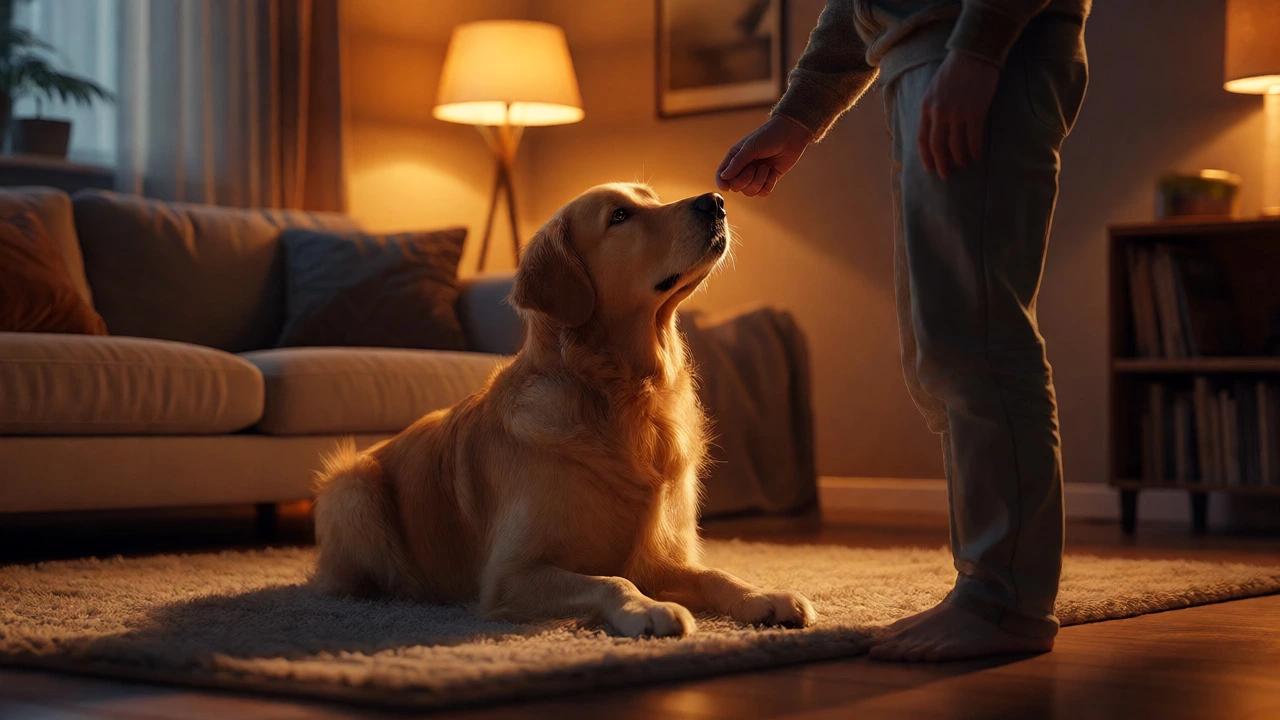
Dog Sleep Needs Calculator
Enter Your Dog's Details
Fill out the form to see your dog's ideal sleep schedule.
Recommended Daily Sleep
Consistency is key. Start winding down 30-60 minutes before the suggested bedtime.
You’ve probably noticed your dog yawning at the same time every night. Maybe they circle their bed three times before collapsing into it, or maybe they pace until you finally turn off the lights. It’s tempting to think dogs are just nocturnal party animals who crash whenever they want, but that’s rarely the case. Dog sleep schedules are deeply tied to their biology and your household habits. If you’re wondering whether enforcing a strict bedtime is necessary or just another human obsession, the short answer is: yes, consistency matters more than the specific hour.
Dogs don’t wear watches, but they do have an internal clock called the circadian rhythm. This biological process regulates when they feel alert and when they need rest. Unlike humans, who often stay up late scrolling through phones, dogs are crepuscular by nature-meaning they are most active during dawn and dusk. However, domestication has shifted this pattern significantly. Your dog’s energy levels now mirror yours. If you go to bed at 10 PM, your dog likely starts winding down around 9:30 PM. Ignoring these cues can lead to fragmented sleep, which affects their mood, health, and behavior just as much as it does for us.
The Science Behind Canine Sleep Cycles
To understand why a set bedtime helps, you need to look at how dogs actually sleep. They aren’t unconscious for eight straight hours like many humans hope to be. Instead, dogs experience shorter sleep cycles, typically lasting between 15 to 20 minutes. During these cycles, they move through non-REM (quiet) and REM (active dreaming) stages. A consistent bedtime helps regulate these cycles, allowing for deeper, more restorative rest.
When a dog’s sleep is irregular, they spend less time in deep sleep. This might sound minor, but sleep deprivation in dogs leads to irritability, reduced immune function, and even weight gain. Think of it like a teenager staying up until 3 AM on weekdays and trying to wake up at 7 AM for school. The cumulative effect is exhaustion and poor performance. For puppies, whose bodies are growing rapidly, quality sleep is critical for development. Adult dogs use sleep to repair muscle tissue and consolidate memories from the day’s training sessions.
Why Consistency Beats Specific Hours
Does it matter if your dog sleeps at 8 PM versus 11 PM? Not really. What matters is that it happens at roughly the same time every night. Dogs thrive on predictability. When they know what comes next, their anxiety drops. A chaotic schedule-where one night they sleep on the couch at midnight and the next night they’re crated at 6 PM-confuses their internal clock. This confusion often manifests as nighttime pacing, whining, or destructive behavior because they haven’t learned when "off-duty" time begins.
Establishing a routine creates a psychological cue. Just as you might brush your teeth to signal the end of the day, your dog learns that certain actions mean sleep is coming. This association reduces the mental effort required to wind down. Over time, the act of going to bed becomes automatic rather than a battle of wills. You aren’t forcing them to sleep; you’re creating an environment where sleep is the natural next step.
Building a Pre-Bedtime Routine
A successful bedtime isn’t just about turning off the lights. It’s about the wind-down period leading up to it. Most experts recommend starting this process 30 to 60 minutes before the actual bedtime. Here is a simple framework you can adapt:
- Dim the Lights: Lower the brightness in your home. This signals to the brain that evening is arriving.
- Calm Activities Only: Avoid high-energy play. No tug-of-war or fetch. Opt for gentle petting or quiet chewing on a long-lasting treat.
- Final Potty Break: Always take them out last. A full bladder keeps them awake and anxious.
- Settle Down: Guide them to their designated sleeping area. Use a consistent command like "Go to bed" or "Settle."
- Ignore Whining: If they fuss, wait a few seconds before responding. Immediate attention rewards the noise, not the calm.
Notice there’s no shouting or strict enforcement here. The goal is to lower arousal levels. If you try to force a hyper dog to sleep, you’ll just frustrate both of you. You need to burn off excess energy earlier in the day so that by bedtime, they are physically tired enough to comply willingly.
Age Matters: Puppies vs. Adults vs. Seniors
Not all dogs need the same amount of sleep, and their ability to hold a schedule varies wildly by age. Understanding these differences prevents unrealistic expectations.
| Life Stage | Average Daily Sleep | Nighttime Continuity | Key Considerations |
|---|---|---|---|
| Puppy (8-16 weeks) | 18-20 hours | Frequent breaks needed | Bladder control limits sleep duration; requires potty trips. |
| Adult Dog (1-7 years) | 12-14 hours | Can sleep 6-8 hours straight | Needs exercise to ensure fatigue; monitors for separation anxiety. |
| Senior Dog (7+ years) | 14-18 hours | Might wake due to discomfort | Joint pain may disrupt sleep; consider orthopedic bedding. |
Puppies are essentially newborns with fur. They lack the physical control to sleep through the night immediately. Expect interruptions. As they mature, usually around four to six months, their ability to hold urine improves, allowing for longer stretches. Senior dogs face different challenges. Arthritis or cognitive decline can make it hard to get comfortable or remember the routine. In these cases, comfort takes precedence over strict timing. If your senior dog wakes up needing water or help getting up, accommodate them without restarting the whole routine.
Troubleshooting Common Bedtime Issues
Even with a perfect plan, things go wrong. Here are common scenarios and how to handle them without losing your mind.
The Midnight Zoomies: If your dog bursts into frantic running at 2 AM, they likely didn’t get enough daytime exercise. Increase the intensity or duration of your evening walk. Mental stimulation also helps. Puzzle toys or scent work tires the brain faster than physical activity alone.
Separation Anxiety: Some dogs panic when left alone in a crate or room. If whining escalates quickly, they aren’t protesting; they’re distressed. Try moving their bed closer to yours initially, then gradually increase distance over weeks. Do not punish anxiety; it only makes it worse.
Inconsistent Schedules: Did you stay up late watching a movie? Your dog will sense the change. On nights when your schedule shifts, stick to the pre-bedtime ritual anyway. Dimming the lights and offering a final potty break helps bridge the gap between an unusual night and normalcy.

Environmental Factors That Impact Sleep
Your dog’s bedroom setup plays a huge role in sleep quality. Temperature, noise, and light exposure all matter. Dogs prefer cooler environments than humans do. If your thermostat is set to 75°F (24°C), your dog might be too warm to settle. Aim for a cooler spot or provide a breathable bed.
Noise sensitivity is another factor. City dogs might need white noise machines to mask traffic sounds. Rural dogs might be startled by distant sirens or wildlife. Observe what triggers waking episodes. Sometimes, simply moving the bed away from drafty windows or noisy appliances solves the problem instantly.
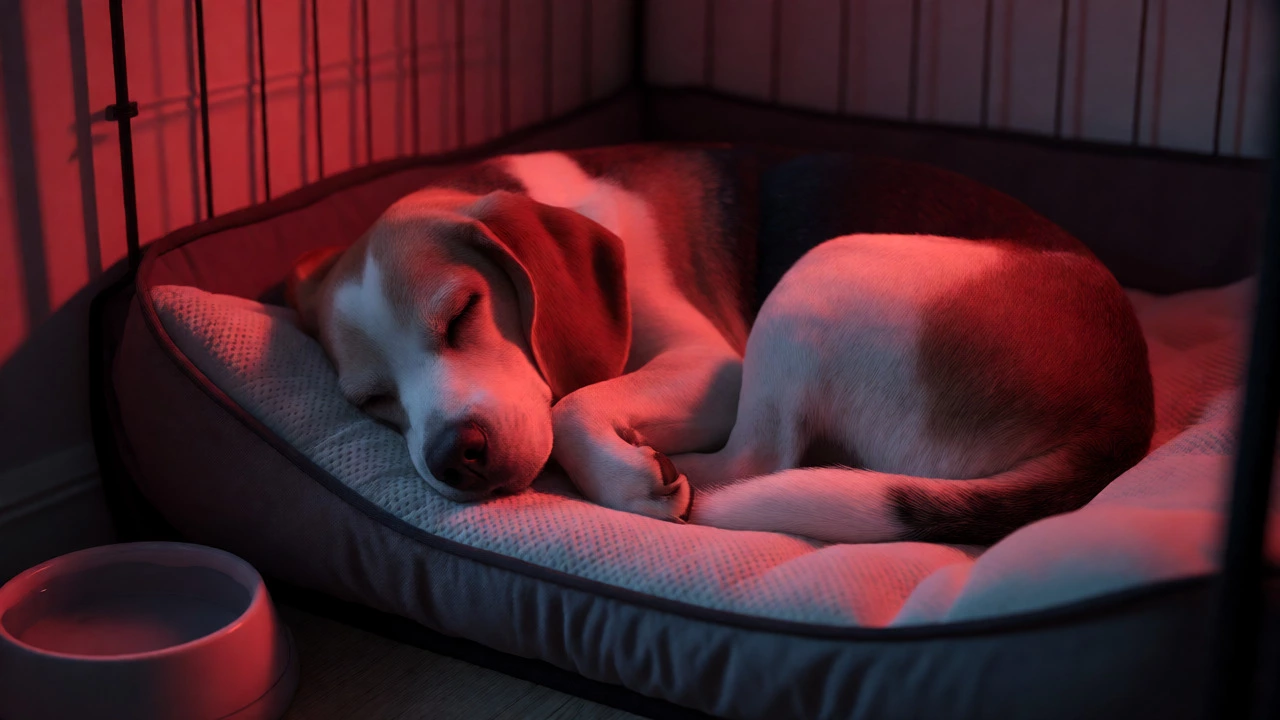
Light exposure is crucial for regulating melatonin. Keep the sleeping area dark. Nightlights should be red-spectrum if necessary, as blue light suppresses melatonin production in mammals, including dogs. If your dog sleeps in a crate, cover part of it with a blanket to create a den-like atmosphere, which provides security and blocks visual stimuli.
Health Implications of Poor Sleep Hygiene
Chronic sleep disruption isn’t just annoying; it’s a health risk. Studies suggest that poor sleep patterns correlate with higher rates of obesity and metabolic issues in pets. Lack of restorative sleep increases cortisol levels, the stress hormone. High cortisol can suppress the immune system, making your dog more susceptible to infections and slowing recovery from injuries.
Behavioral problems also stem from sleep debt. A tired dog is a cranky dog. You might see increased reactivity on walks, difficulty focusing during training, or excessive barking. Before assuming your dog has a behavioral issue, check their sleep. Are they getting enough uninterrupted rest? Often, fixing the sleep schedule resolves the "bad behavior" without any additional training interventions.
Practical Checklist for Establishing a Bedtime
If you’re starting from scratch, follow these steps to build a sustainable routine:
- Pick a Time: Choose a realistic bedtime based on your own schedule. Stick to it for at least two weeks.
- Create a Cue: Develop a phrase or action that signals bedtime, such as turning off the main TV or putting on pajamas.
- Exercise Early: Finish vigorous exercise at least two hours before bed to allow heart rates to drop.
- Limit Water Late: Pick up the water bowl an hour before bed to reduce nighttime accidents, but ensure they are hydrated earlier.
- Be Patient: Habits take time. Don’t give up after three nights. It can take 21 days to form a new habit.
Remember, the goal isn’t perfection. It’s consistency. Some nights will be messy. That’s okay. The key is returning to the routine the next morning. By respecting your dog’s biological needs and providing structure, you’re giving them the gift of better health and a calmer life. And let’s be honest-you’ll sleep better too.
How many hours should a dog sleep at night?
Most adult dogs sleep for 6 to 8 hours at night, similar to humans. However, they also nap throughout the day. Total daily sleep ranges from 12 to 14 hours for adults, while puppies and seniors may sleep 18 to 20 hours total.
Should I wake my dog up for bed?
Generally, no. If your dog is asleep, let them rest. Waking them abruptly can cause disorientation or grumpiness. Instead, encourage them to move to their sleeping area gently if they are lying elsewhere. If they are still energetic, engage in calm activities until they naturally tire out.
What if my dog refuses to go to bed?
This usually indicates insufficient physical or mental exercise during the day. Ensure they had adequate activity hours before bedtime. Also, check for medical issues like pain or urinary tract infections that might prevent them from settling comfortably. Consistency in the pre-bedtime routine also helps reinforce the expectation.
Is it bad for dogs to sleep in my bed?
It depends on the dog and the owner. If both sleep well, it’s fine. However, if the dog’s movement disturbs your sleep or vice versa, separate beds might improve rest quality for both. For dogs with separation anxiety, sharing a room (but not necessarily a bed) can be beneficial.
How long does it take to train a dog’s bedtime?
Typically, it takes 2 to 4 weeks of consistent practice for a dog to fully adapt to a new bedtime routine. Puppies may learn faster due to their need for structure, while older dogs with established habits may take longer to adjust.