Dog Supplement Efficacy Checker
Select a supplement type below to see its evidence level, best use cases, and expected time to results.
Select a supplement and click "Check Evidence" to view details.
You’re standing in the pet aisle, staring at a wall of colorful bottles. Glucosamine here, CBD oil there, some exotic mushroom blend promising to "unlock your dog’s potential." Your wallet hurts just looking at them. You want what’s best for your pup, but you also don’t want to throw money down the drain on snake oil. So, do dog supplements actually work, or are they just expensive placebo pills for our furry friends?
The honest answer is: it depends entirely on what you’re trying to fix and what you’re feeding your dog. Some supplements have hard science behind them. Others are marketing fluff wrapped in a pretty label. Let’s cut through the noise and figure out which ones deserve a spot in your dog’s bowl.
The Regulatory Wild West
First, you need to understand why this question is so tricky. Unlike human pharmaceuticals, pet supplements are not regulated by the FDA with the same rigor as drugs. They fall under animal feed regulations, which means manufacturers aren’t required to prove their product works before selling it. They only have to prove it’s safe.
This creates a massive quality control issue. A study published in the Journal of Animal Science found that many commercial supplements contained significantly less active ingredient than listed on the label. Sometimes, it was zero. This doesn’t mean every brand is lying, but it does mean you can’t trust the bottle blindly. You have to be a detective.
When Supplements Actually Help
There are specific scenarios where supplements shine. If your dog has a diagnosed condition or a dietary gap, supplementation can make a tangible difference. Here are the heavy hitters that actually have data backing them up.
Joint Health: Glucosamine and Chondroitin
If you have an older Labrador or a large breed prone to arthritis, you’ve probably heard of Glucosamine. It’s a natural compound found in cartilage. The theory is simple: add more glue to hold the joints together.
Does it work? Yes, but with caveats. Clinical trials show modest improvements in mobility and pain reduction for dogs with osteoarthritis. It’s not a miracle cure that will make a limping dog sprint like a puppy again. But for managing chronic stiffness, especially when combined with weight management, it helps. Look for products that combine glucosamine with chondroitin and MSM (methylsulfonylmethane) for a synergistic effect.
Gut Health: Probiotics
Your dog’s gut microbiome affects everything from digestion to mood. Probiotics introduce beneficial bacteria into the digestive tract. These are incredibly effective for acute issues, like diarrhea after eating something questionable at the park, or during antibiotic treatment, which wipes out good bacteria along with the bad.
However, not all probiotics are created equal. Strain specificity matters. Lactobacillus acidophilus might help one dog, while Enterococcus faecium helps another. For chronic issues like IBS (Irritable Bowel Syndrome), consistent use of high-quality, veterinary-grade probiotics can stabilize stool quality and reduce gas. Just remember: heat kills these bacteria. Don’t mix them into hot food.
Skin and Coat: Omega-3 Fatty Acids
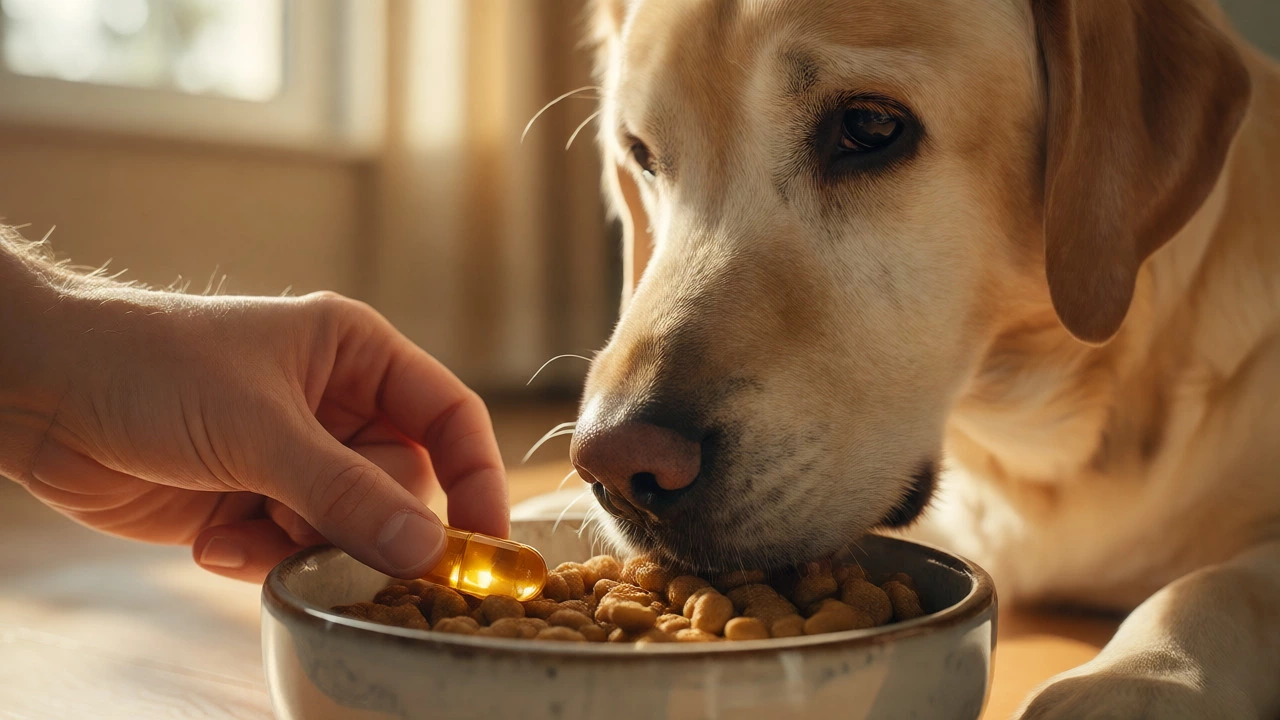
If your dog is constantly scratching, their skin barrier might be compromised. Omega-3 fatty acids, specifically EPA and DHA found in fish oil, are potent anti-inflammatories. Research consistently shows that high doses of Omega-3s can reduce itching and improve coat shine in allergic dogs.
The catch? Most standard kibble contains plenty of Omega-6s (which are pro-inflammatory) but very little Omega-3s. This imbalance drives inflammation. Adding a fish oil supplement corrects this ratio. It takes about 4-8 weeks to see results, so patience is key. And please, avoid cod liver oil if you’re worried about Vitamin A toxicity; stick to body oil sources.
When Supplements Are Probably Useless
Now for the bad news. Many popular supplements lack robust evidence for healthy dogs.
Multivitamins for Dogs Eating Commercial Food
If you feed your dog a AAFCO-certified complete and balanced diet, adding a multivitamin is often unnecessary. In fact, it can be harmful. Excess Vitamin D or Calcium can cause serious health issues. Think of it like pouring water into a full cup-it just spills over. Only add vitamins if your vet diagnoses a deficiency or if you’re feeding a homemade diet that hasn’t been properly formulated.
"Detox" and Immune Boosters
Dogs have livers and kidneys. They detox themselves. Unless your dog has liver disease diagnosed by bloodwork, buying a "liver detox" supplement is likely a waste of money. Similarly, immune boosters like echinacea haven’t shown consistent benefits in canine studies. If your dog’s immune system is weak, you need a medical diagnosis, not a herbal pill.
| Supplement Type | Evidence Level | Best For | Time to See Results |
|---|---|---|---|
| Glucosamine/Chondroitin | Moderate | Osteoarthritis, senior dogs | 4-12 weeks |
| Omega-3 Fish Oil | High | Allergies, dry skin, heart health | 4-8 weeks |
| Probiotics | High | Diarrhea, antibiotic recovery | Days to 2 weeks |
| Multivitamins | Low | Homemade diets, diagnosed deficiencies | N/A (Preventative) |
| CBD Oil | Emerging/Mixed | Anxiety, chronic pain | Variable |
How to Spot a Quality Supplement
Since regulation is lax, you have to vet the brand yourself. Here is your checklist before you swipe your credit card:
- Third-Party Testing: Look for seals from organizations like NASC (National Animal Supplement Council) or USP. These groups audit factories and test batches for purity and potency.
- Clear Labeling: Avoid proprietary blends. You should know exactly how many milligrams of each ingredient are in a serving. "Proprietary Blend" usually means they’re hiding low amounts of the good stuff.
- Source Transparency: Where is the fish oil sourced? Is the glucosamine derived from shellfish (allergy risk) or corn fermentation? Good brands brag about their sourcing.
- Vet Formulation: While not a guarantee, products developed with veterinary input tend to have better dosing guidelines based on clinical experience.
The Danger of Interactions
Just because it’s natural doesn’t mean it’s harmless. Supplements interact with medications. St. John’s Wort can interfere with anesthesia. High-dose Vitamin E can thin the blood, which is risky if your dog is on aspirin or other anticoagulants. Always tell your vet what supplements your dog takes. Bring the actual bottle to appointments if possible.
Also, consider breed-specific sensitivities. Collies and other herding breeds have a genetic mutation (MDR1 gene) that makes them sensitive to certain substances. While this mostly affects drugs, always check safety profiles for any new supplement involving these breeds.
Real Talk: Lifestyle Beats Pills
No amount of glucosamine will save an obese dog’s joints. No amount of fish oil will fix a coat ruined by flea allergies. Supplements are tools, not foundations. The foundation is a high-quality diet, regular exercise, dental care, and parasite prevention.
If you have to choose between a $50 bottle of "miracle powder" and upgrading your dog’s kibble to a higher protein, lower carb formula, buy the food. Better nutrition yields systemic benefits that targeted supplements can’t match. Use supplements to plug specific gaps, not to replace good husbandry.
Frequently Asked Questions
Can I give my dog human supplements?
Sometimes, but be careful. Dosages differ significantly between humans and dogs. More importantly, human supplements often contain additives like xylitol (an artificial sweetener), which is toxic to dogs, or excessive levels of iron or zinc that can upset a dog’s stomach. Always check the inactive ingredients list, and consult your vet for proper dosing conversions.
How long does it take for dog supplements to work?
It varies by type. Probiotics may show effects on digestion within a few days. Joint supplements like glucosamine typically require 4 to 12 weeks of consistent use to build up in the system and show visible improvement in mobility. Skin and coat supplements like Omega-3s usually take 4 to 8 weeks to reflect changes in fur texture and reduced itching.
Are CBD supplements safe for dogs?
Current research suggests CBD is generally safe for dogs when used correctly, showing promise for anxiety and pain management. However, the market is unregulated, and quality varies wildly. Ensure the product is THC-free (or below 0.3%) and third-party tested. Start with a low dose and monitor for side effects like drowsiness or dry mouth. Consult your veterinarian, as laws vary by region.
What happens if I overdose my dog on supplements?
Overdosing depends on the nutrient. Fat-soluble vitamins (A, D, E, K) accumulate in the body and can cause toxicity, leading to liver damage or bone issues. Minerals like calcium and phosphorus can disrupt balance, causing kidney stones or skeletal problems. Water-soluble vitamins (B, C) are usually excreted in urine but can still cause gastrointestinal upset in large amounts. If you suspect an overdose, contact your vet immediately.
Do puppies need supplements?
Generally, no. Puppies grow rapidly and have specific nutritional needs met by high-quality puppy formulas. Adding extra calcium to a large-breed puppy’s diet without veterinary guidance can actually cause orthopedic issues by disrupting the calcium-phosphorus ratio. Supplements are usually reserved for puppies with specific medical conditions or those on homemade diets.