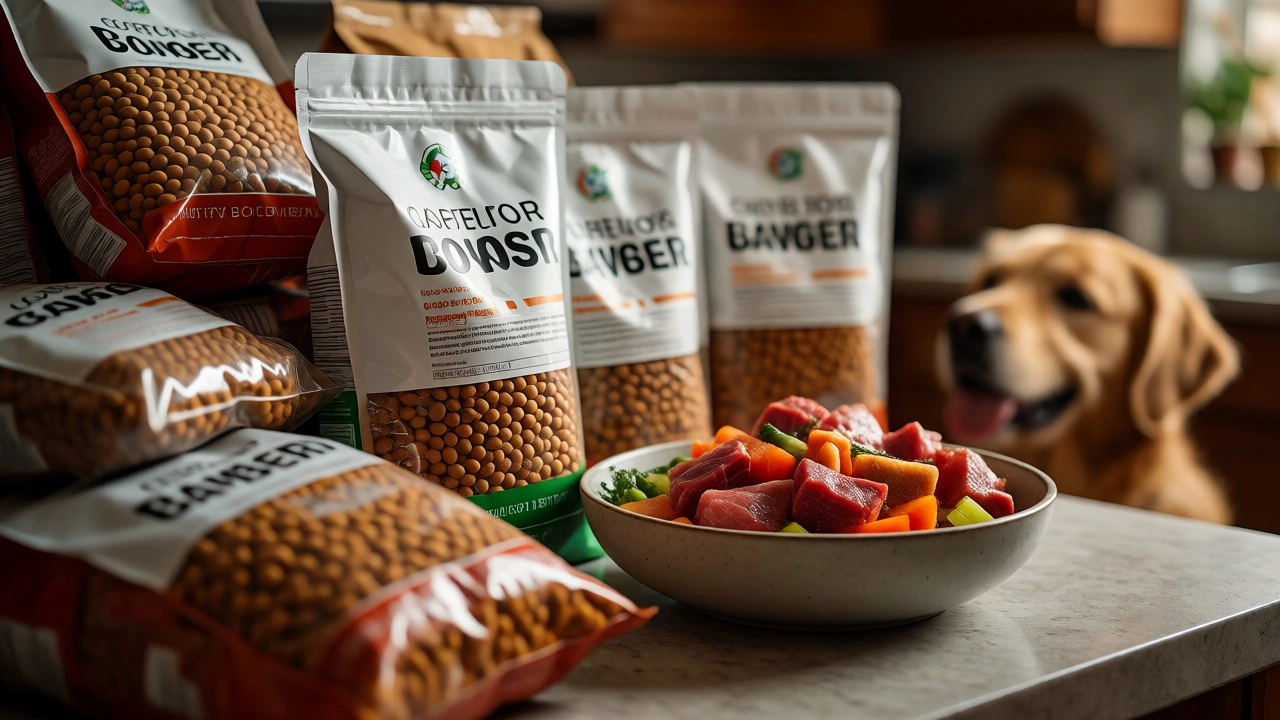
Dog Food Budget Calculator
Enter your current spending and dog details to see how much you could save by switching to smarter feeding strategies.
Estimated New Monthly Cost:
Monthly Savings:
Note: Adjust quality slider to reflect specific ingredient choices.
Have you ever stared at your vet bill or the grocery store receipt and wondered if feeding your dog has become more expensive than feeding yourself? You’re not alone. With premium kibble brands pushing prices past $80 a bag, many owners are scrambling for cheaper alternatives to dog food that don’t compromise their pup’s health. The good news? You have options. From strategic bulk buying to simple homemade meals, there are ways to cut costs without cutting corners on nutrition.
Dog Food is defined as food specifically formulated to meet the nutritional requirements of dogs. While commercial dry kibble remains the most popular choice due to convenience, it isn't the only way to keep your dog healthy. Understanding what goes into these products helps you spot where the money is going-and where you can save.
Why Is Commercial Dog Food So Expensive?
Before we talk about saving money, let’s look at why you’re spending so much in the first place. It’s not just marketing fluff. High-quality commercial diets involve rigorous testing, specific sourcing of proteins, and strict adherence to guidelines set by organizations like the Association of American Feed Control Officials (AAFCO). When you buy a bag labeled "grain-free" or "limited ingredient," you’re paying for the R&D, the specialized manufacturing lines, and often, higher-grade meat sources.
However, a significant portion of the price tag comes from packaging, distribution, and brand positioning. If you’re willing to do a bit of work-like cooking or mixing-you can bypass some of these overheads. But be careful: swapping to a cheaper option doesn’t mean grabbing the cheapest bag off the bottom shelf. That usually leads to fillers like corn gluten meal that offer little nutritional value, meaning your dog eats more to feel full, which actually increases long-term costs.
The Rise of Fresh and Frozen Diets
If you want something closer to human-grade food but cheaper than custom delivery services, consider frozen raw or fresh-cooked diets. These aren't always cheap upfront, but they can be cost-effective if you buy in bulk or prepare them yourself. Brands like Stella & Chewy's or local butchers often sell "bone-in" raw chunks that are significantly cheaper per pound than pre-packaged kibble because they require less processing.
Here’s the catch: raw feeding requires strict hygiene. You need separate cutting boards and thorough hand washing to prevent Salmonella or E. coli contamination. For many Auckland households, this extra step is manageable. If you go this route, focus on muscle meats, edible bones, and organ meats rather than expensive cuts meant for human consumption. Chicken thighs, beef trimmings, and turkey necks are excellent, affordable protein sources that provide calcium and essential fats naturally.
Homemade Dog Food: The Ultimate Budget Hack?
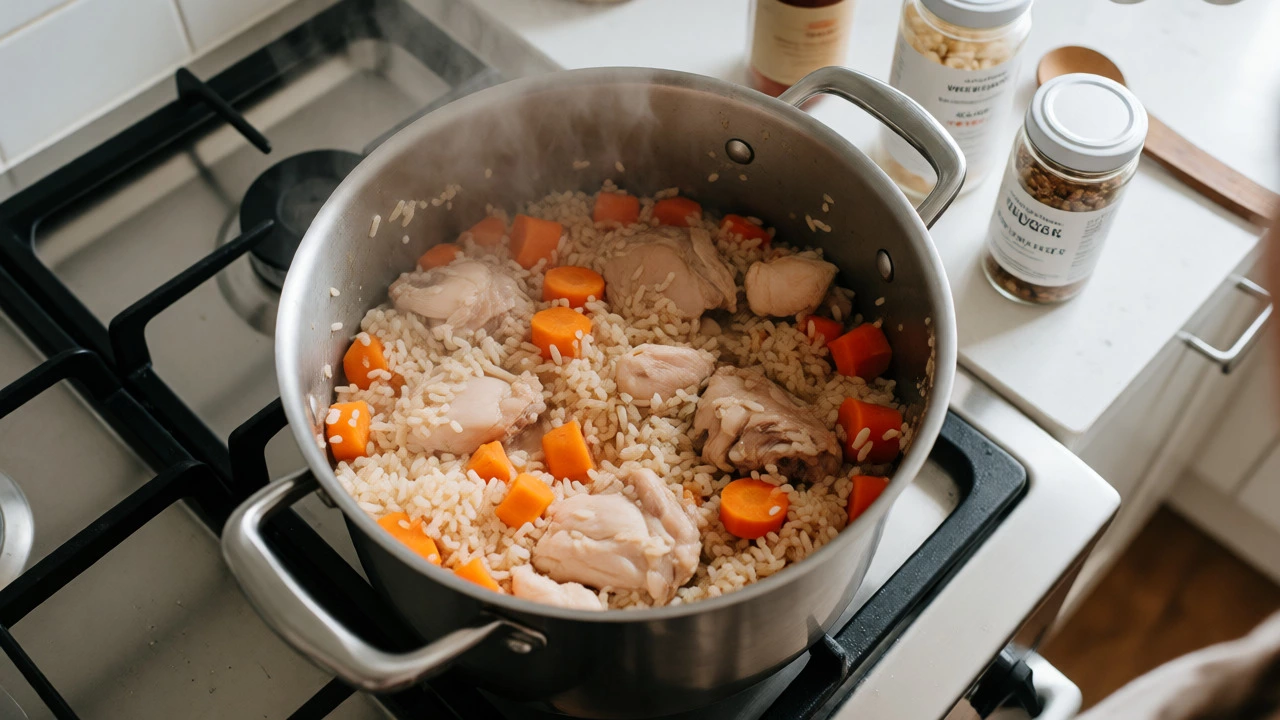
Cooking for your dog might seem time-consuming, but batch cooking once a week can save serious cash. A simple recipe involving boiled chicken, rice, and steamed carrots can cost a fraction of premium kibble. However, homemade food is notorious for being nutritionally unbalanced. Dogs need specific ratios of calcium, phosphorus, and vitamins that a simple chicken-and-rice mix lacks.
To make homemade food safe and cheap, use a multivitamin/mineral supplement designed for home-prepared diets. These powders, costing around $15-$20 a month, ensure your dog gets all micronutrients. Without them, you risk long-term deficiencies. Also, avoid toxic ingredients like onions, garlic, grapes, and chocolate. Always consult your vet before switching to a fully homemade diet, especially for puppies or dogs with kidney issues.
Smart Shopping Strategies for Kibble Buyers
If you prefer sticking to dry food, you can still find cheaper alternatives without sacrificing quality. First, stop buying small bags. The price per kilogram drops significantly when you buy 15kg or larger sacks. Second, ignore the flashy "boutique" brands. Look for established manufacturers who produce both premium and economy lines. Often, the difference is just in the source of the protein (e.g., named chicken vs. poultry by-products), but for many adult dogs, mid-range options are perfectly adequate.
Consider switching to store-brand or house-brand foods. Many supermarkets and pet stores contract the same large factories to produce their own labels. The formula might be nearly identical to the name-brand product, but the price is 30-40% lower. Check the guaranteed analysis on the back of the bag. If the crude protein percentage is similar (e.g., 24%+) and the fat content is reasonable, you’re likely getting comparable nutrition for less.
| Food Type | Approx. Cost/Month (Medium Dog) | Convenience Level | Nutritional Balance Risk |
|---|---|---|---|
| Premium Kibble | $60 - $90 | High | Low |
| Budget Kibble | $30 - $45 | High | Medium |
| Frozen Raw (Bulk) | $40 - $60 | Medium | Low |
| Homemade + Supplements | $25 - $40 | Low | High (without supplements) |
Mixing Wet and Dry Food
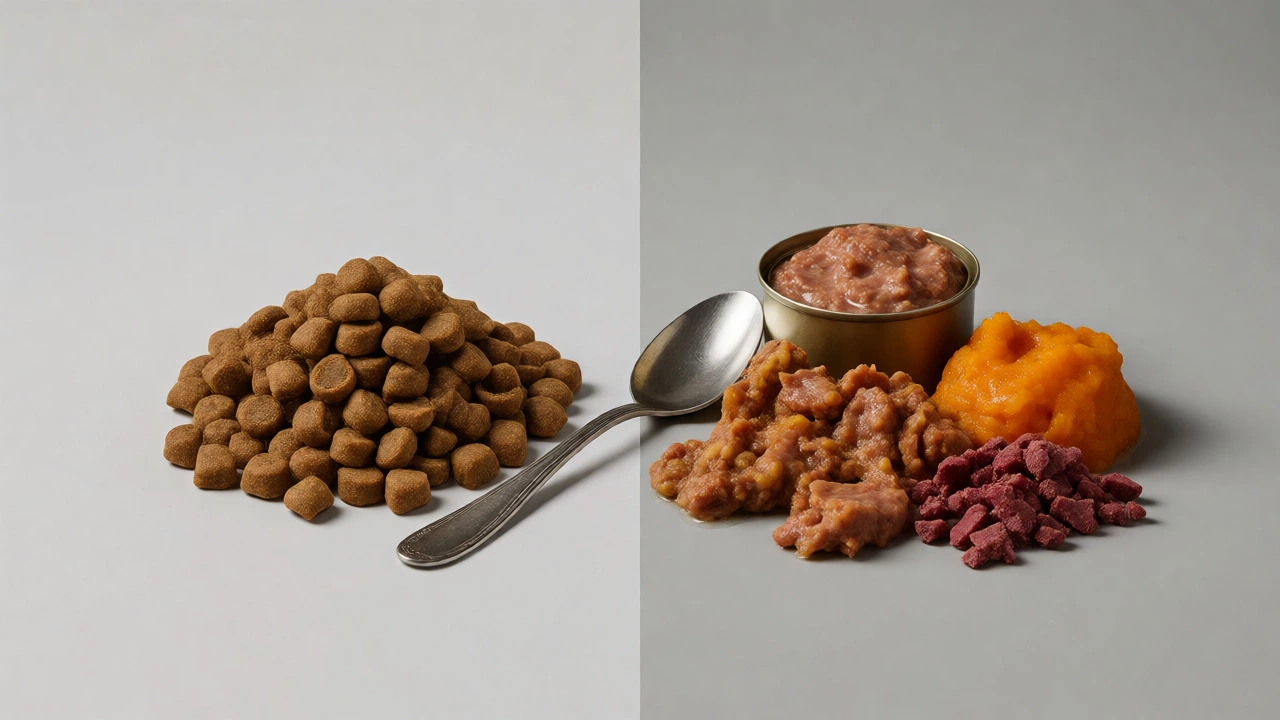
Another effective strategy is diluting expensive dry food with cheaper wet food or water. Canned dog food often looks more appealing to picky eaters and adds moisture, which supports urinary health. By using half the recommended amount of premium kibble and adding a scoop of standard canned food, you stretch the dry food further while enhancing palatability. This works particularly well for older dogs or those with dental issues who struggle with hard kibble.
Just watch out for calorie density. Wet food can be high in calories depending on the gravy or sauce. Use low-calorie broths or plain pumpkin puree (not pie filling) as a filler instead of sugary gravies. Pumpkin is great for digestion and costs very little, especially if you buy it in bulk cans.
What About Human Food Scraps?
We’ve all been guilty of slipping our dog a piece of cheese or leftover steak. While occasional treats are fine, relying on human scraps as a primary food source is risky. Human food rarely meets the AAFCO nutrient profiles required for complete canine nutrition. Plus, many common household items are dangerous. Xylitol (found in gum and peanut butter) is deadly to dogs. Cooked bones can splinter and cause internal blockages.
Use human food as a topping, not a base. A tablespoon of plain yogurt or a few green beans on top of their regular meal can add variety and probiotics without breaking the bank or unbalancing their diet. This approach keeps costs down while providing enrichment through different textures and tastes.
Local Sourcing: The New Zealand Advantage
Living in Auckland gives you access to some of the world’s best agricultural products. Local butchers often sell off-cuts, liver, and heart at bargain prices. These organ meats are nutrient-dense superfoods for dogs. Liver is packed with Vitamin A, and hearts are rich in taurine, crucial for heart health. Instead of buying processed treats, ask your butcher for "trimmings." They’re often discarded for human consumption but are gold for dogs.
You can also dehydrate these meats at home for long-lasting treats. A simple oven setting at 70°C for several hours turns lean beef strips into chewy snacks that last weeks. This eliminates the markup on packaged jerky and ensures you know exactly what’s in the treat.
Transitioning Safely
No matter which alternative you choose, never switch your dog’s diet overnight. Their gut bacteria need time to adjust. Start by mixing 25% of the new food with 75% of the old food for three days. Then move to a 50/50 split for another three days, and finally 75% new to 25% old. Watch for loose stools or vomiting. If these occur, slow down the transition. A sudden change can cause digestive upset, leading to vet visits that erase any savings you made on food.
Is homemade dog food really cheaper than kibble?
Yes, it can be, but only if you buy ingredients in bulk and cook in batches. Small-scale shopping for single meals can actually be more expensive due to waste and packaging. Additionally, you must factor in the cost of a balanced vitamin/mineral supplement, which is non-negotiable for long-term health.
Can I feed my dog just chicken and rice?
Chicken and rice is great for short-term gastrointestinal issues, but it is not a complete diet for long-term feeding. It lacks sufficient calcium, certain vitamins, and fatty acids. Feeding this exclusively for months can lead to bone density issues and skin problems unless supplemented properly.
Are grain-free diets worth the extra cost?
Not necessarily. Grain-free was marketed as a healthier option, but recent studies suggest potential links between certain grain-free diets and dilated cardiomyopathy (DCM) in dogs. Unless your dog has a specific grain allergy diagnosed by a vet, traditional grains like oats or barley are often cheaper and safer.
How do I know if a cheaper food is nutritious?
Look for an AAFCO statement on the label stating the food is "complete and balanced" for your dog's life stage. Check the ingredient list for named protein sources (e.g., "chicken" rather than "meat meal") within the first three ingredients. Avoid products with excessive artificial colors or flavors.
Is freezing raw dog food safe?
Yes, freezing kills parasites and slows bacterial growth, but it does not sterilize the food. Always handle raw meat with care, wash hands thoroughly, and clean bowls immediately after eating. Thaw food in the fridge, not on the counter, to prevent bacterial multiplication.
Final Thoughts on Saving Money
Feeding your dog well doesn’t have to drain your wallet. Whether you opt for bulk-buying mid-range kibble, preparing simple homemade meals with supplements, or sourcing local off-cuts, the key is consistency and balance. Start small. Try one change at a time and monitor your dog’s energy levels, coat condition, and stool quality. If they thrive, you’ve found a sustainable solution. Remember, the cheapest food isn’t always the one with the lowest sticker price-it’s the one that keeps your dog healthy enough to stay out of the vet’s office.