Pet Travel Cost & Method Estimator
Trip Details
Enter your trip details and click calculate to see estimates.
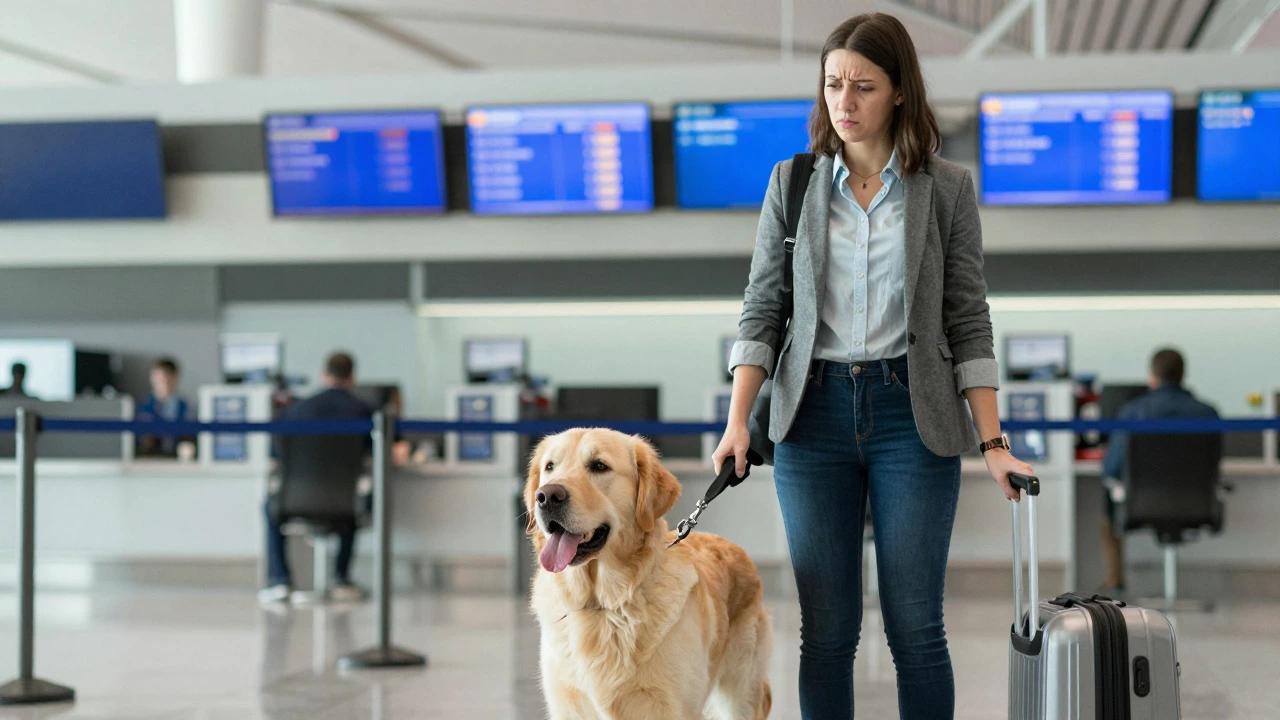
That moment when you book a last-minute trip and realize your furry best friend is coming along. You pack the leash, the favorite toy, and that collapsible bowl, but then you hit the airline’s website. The rules are confusing. One site says "under 20 pounds," another mentions "carrier dimensions," and a third warns about "cargo fees." If you have a 50 lb dog, which falls into the medium-to-large size category, the short answer is: it depends entirely on the airline, the route, and whether you’re willing to pay extra.
Most major airlines have strict weight limits for pets traveling in the cabin, usually capping out at 15 to 20 pounds including the carrier. A 50-pound dog almost certainly exceeds this limit. However, that doesn’t mean your dog is grounded. It just means the logistics change from sitting under the seat to checking them as baggage or shipping them as cargo. Let’s break down exactly how to get your medium-sized pup from point A to point B safely and legally.
The Weight Limit Reality Check
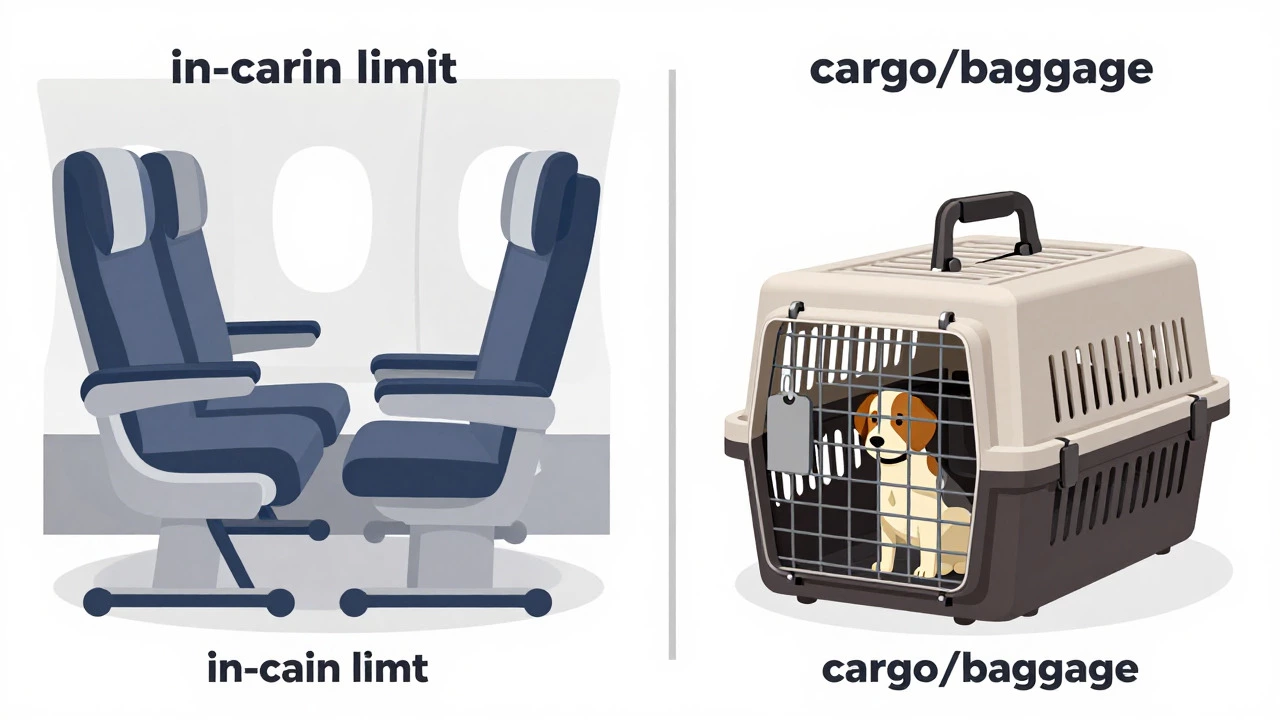
You need to know the hard numbers before you even look at flight schedules. When we talk about bringing a dog on a plane, there are two distinct zones: the cabin (where you sit) and the hold (where luggage goes). For the cabin, airlines use a combined weight of the dog plus the carrier. Most carriers like Delta, American, and United cap this at 20 pounds total. Even if your dog weighs 49 pounds, they are too heavy for the cabin on these carriers.
However, some smaller regional airlines or specific international carriers might have slightly more flexible policies, though rare. Always check the specific "Pet Policy" page of the airline you intend to fly. Do not rely on general advice found on forums; airline policies change frequently due to space constraints and safety regulations. If your dog is 50 pounds, prepare for them to travel in the climate-controlled cargo hold as "excess baggage" rather than in-cabin.
| Airline Type | In-Cabin Limit | Cargo/Baggage Option | Typical Fee Range |
|---|---|---|---|
| Major US Carriers | 20 lbs (dog + carrier) | Yes (as checked baggage) | $125 - $200 each way |
| Low-Cost Carriers | Often None | Rarely Available | N/A |
| International Airlines | Varies (often stricter) | Yes (via specialized cargo) | $300 - $600+ |
Checked Baggage vs. Air Cargo: What’s the Difference?
This is where most owners get confused. There are two ways a 50-lb dog travels in the hold: as "Excess Baggage" or as "Air Cargo." Understanding this distinction is critical for your dog's safety and your peace of mind.
Excess Baggage: This is the preferred option if available. Your dog travels on the same flight as you. The crate is loaded onto the plane alongside your suitcases. You can meet your dog immediately upon arrival. Not all airlines offer this, especially during peak seasons or on smaller aircraft. You must call the airline directly to reserve a spot, as there is often a limit to how many animals can fly per flight (usually 2-4).
Air Cargo: This is used when the airline does not allow pets as excess baggage, or if you are flying internationally with complex routing. Your dog is shipped separately via a dedicated cargo service, such as PetsAir or SkyPets. They may arrive on a different flight than you. This requires more paperwork, including health certificates and import permits if crossing borders. It is generally more expensive but offers specialized handling for animals.
Preparing the Right Crate
If your dog is going in the hold, the crate is their home for several hours. It cannot be just any plastic box. The International Air Transport Association (IATA) sets strict standards for travel crates. Your crate must be sturdy, well-ventilated, and large enough for your dog to stand, turn around, and lie down comfortably.
- Material: Hard-sided plastic crates are standard. Wire crates are rarely accepted because they can collapse or injure other passengers/cargo.
- Size Calculation: Measure your dog from nose to tail base, and from floor to the top of ears or horns. Add 2-4 inches to each dimension. For a 50-lb dog, you likely need a 36-inch crate.
- Security: Doors must have secure locking mechanisms. Screw-top bolts are better than snap locks. Tape the door shut with strong packing tape (but leave a small gap for handlers to open it quickly if needed).
- Labeling: Attach a tag with your name, phone number, destination address, and the dog’s name. Include a photo of your dog inside a clear plastic sleeve attached to the crate.
Acclimate your dog to the crate weeks before the trip. Leave it open in the house with treats and toys inside. A stressed dog in an unfamiliar environment is a recipe for disaster. If your dog panics in the crate, consider consulting a trainer or using calming aids approved by your vet.
Health Checks and Documentation
Before you book anything, visit your veterinarian. Most airlines require a health certificate issued within 10 days of travel. This document confirms your dog is free from contagious diseases and fit to fly. For domestic flights within the US, this is often sufficient. For international travel, the requirements skyrocket. You may need rabies titers, microchipping, and quarantine arrangements depending on the destination country.
Discuss sedation with your vet. Surprisingly, most veterinarians advise against sedating dogs for air travel. Sedation can affect breathing and balance at high altitudes. Instead, ask for natural calming supplements or anti-anxiety medication that doesn’t cause drowsiness. Ensure your dog is hydrated but has had a chance to relieve themselves right before heading to the airport.
TSA Screening and Airport Logistics
Even if your dog is in a crate, you will go through security together. The Transportation Security Administration (TSA) requires all pets to be screened. You will take your dog out of the crate, walk them through the metal detector, and place the empty crate on the X-ray belt. Keep your dog on a short leash and close to your legs. Security officers may swab your hands and the outside of the crate for explosive traces.
Arrive at the airport early-ideally three hours before a domestic flight and four for international. You need time to drop off your dog at the cargo facility or check-in counter. These facilities are often located away from the main terminal, so factor in shuttle bus times. Once you drop off your dog, you’ll receive a receipt and a contact number for updates. Try to stay calm; dogs pick up on human anxiety.

Weather Restrictions and Safety Concerns
Temperature plays a huge role in pet travel. Many airlines impose embargoes on transporting pets in the cargo hold during extreme heat or cold. If the temperature at departure, arrival, or layover cities is above 85°F (29°C) or below 45°F (7°C), airlines may refuse to transport your dog as baggage. This is to prevent heatstroke or hypothermia while waiting on the tarmac.
If you must travel during summer or winter, consider booking morning flights when temperatures are cooler. Alternatively, wait until the weather moderates. Some airlines offer "pet-friendly" flights year-round with enhanced monitoring, but these come at a premium price. Always monitor the weather forecast closely in the days leading up to your trip.
Alternatives to Flying
If the stress of air travel seems too high, or if your dog has health issues that make flying risky, consider ground transportation. Services like Wag! Move or Furbo offer door-to-door pet taxi services. While slower, your dog stays in a climate-controlled vehicle, can take breaks, and avoids the noise and pressure changes of an airplane. For distances under 500 miles, driving yourself might be the safest and least stressful option for both of you.
Which airlines allow 50 lb dogs in the cabin?
Very few, if any, major commercial airlines allow a 50 lb dog in the cabin. Most cap the combined weight of dog and carrier at 20 lbs. Some smaller regional carriers or private charters might have different rules, but for standard commercial flights, a 50 lb dog must travel as checked baggage or cargo.
How much does it cost to fly with a 50 lb dog?
Costs vary widely. Domestic checked baggage fees typically range from $125 to $200 each way. International cargo shipping can cost between $300 and $600 or more, depending on distance and services included. Always confirm current rates directly with the airline.
Is it safe for a large dog to fly in the cargo hold?
Generally, yes. Modern aircraft cargo holds are pressurized and temperature-controlled. Accidents are rare. However, risks exist, such as delays or mishandling. To minimize risk, choose direct flights, avoid extreme weather, and ensure your dog is healthy and acclimated to the crate.
Do I need a health certificate for domestic flights?
While not always legally required for domestic US flights, most airlines mandate a veterinary health certificate issued within 10 days of travel. It proves your dog is fit to fly and free of contagious diseases. Always check your specific airline’s requirements.
What should I put in my dog’s crate for a long flight?
Include a familiar blanket or shirt with your scent, a secure water dish attached to the door, and perhaps a frozen Kong toy filled with peanut butter (avoid chocolate). Avoid loose bedding that could shift and block ventilation. Ensure the crate is large enough for comfort.