Senior Dog Grooming Safety Checker
Enter your dog's details below to get personalized grooming safety advice tailored to their specific needs.
Recommended Frequency
Based on coat type and age.Ideal Session Length
To prevent stress and fatigue.Professional vs. Home
Safety first recommendation.Specific Safety Tips for Your Dog:
You stare at your beloved senior dog, noticing their coat is getting matted and their nails are clicking loudly on the floor. You want to help them look neat and feel comfortable, but a nagging doubt creeps in: can a dog be too old to groom? It’s a question many owners ask when their pets hit the golden years of 10 or more. The short answer is no, age alone isn’t a barrier. In fact, regular grooming becomes even more critical as dogs age. However, the approach needs to shift from routine maintenance to gentle, health-conscious care.
As dogs enter their senior years, usually around seven to ten years depending on breed size, their bodies change. Joints stiffen, skin thins, and energy levels drop. A standard two-hour salon appointment that was fine for your young Labrador might be stressful or even painful for an elderly one. But skipping grooming entirely can lead to painful mats, skin infections, and mobility issues. The goal isn’t just aesthetics; it’s about maintaining quality of life. Let’s break down how to safely groom your aging companion without causing unnecessary stress.
Why Senior Dogs Need More Than Just a Bath
Many owners think grooming is only about looking good. For senior dogs, it’s a vital part of healthcare. Older dogs often have reduced flexibility, making it hard for them to clean themselves properly. This leads to hygiene issues around the rear end and paws. If you don’t trim these areas, feces and urine can stick to the fur, causing irritation and potential infection.
Moreover, grooming sessions are perfect opportunities for early detection of health problems. When you run your hands over your dog’s body, you’re not just checking for tangles. You’re feeling for new lumps, bumps, or changes in muscle tone. Arthritis, common in older dogs, can make certain areas sensitive. Spotting this during a gentle brush-down allows you to consult your vet before the pain becomes severe. According to veterinary standards, physical exams during grooming can reveal up to 30% of health issues that owners might otherwise miss until they become emergencies.
Physical Limitations and Safety Concerns
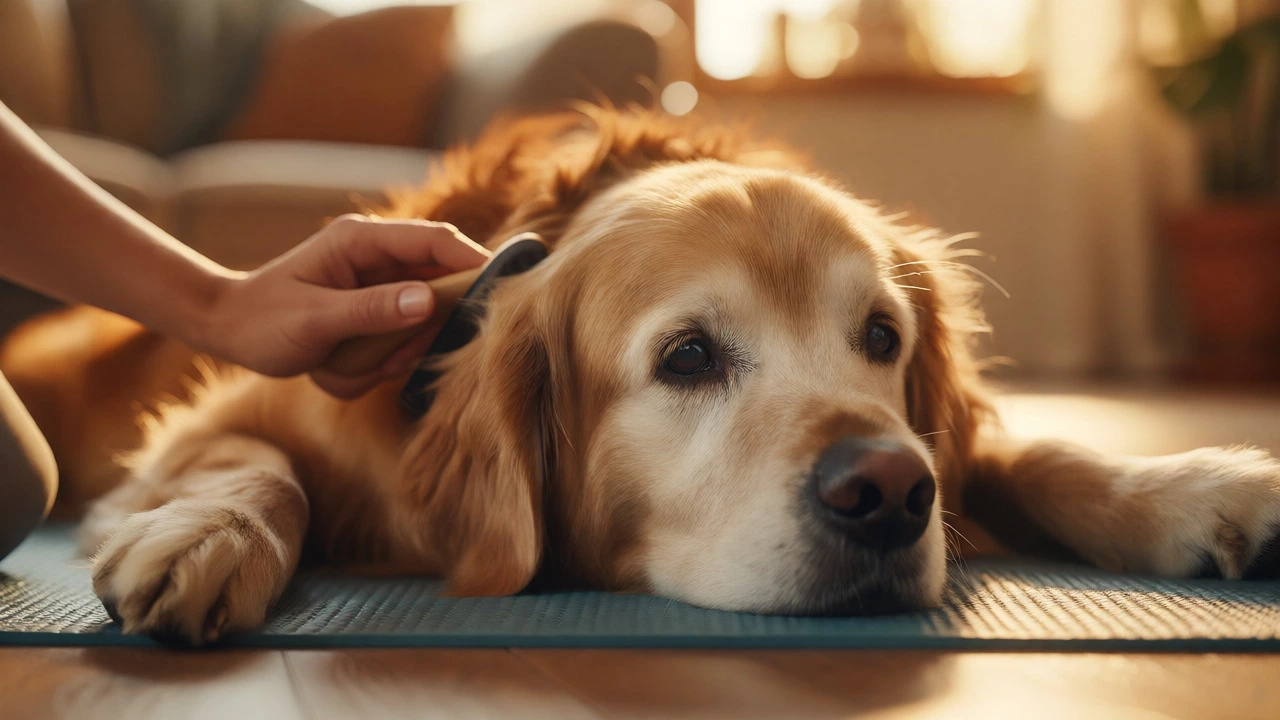
The biggest risk with senior dog grooming isn’t the clippers or the shampoo; it’s the stress and physical strain. Older dogs may suffer from cognitive decline, arthritis, or heart conditions. Standing still for long periods can be exhausting or painful for them. A dog with severe hip dysplasia might not tolerate being lifted onto a grooming table. Instead, ground-level grooming using non-slip mats is often safer and less intimidating.
Consider the environment. Loud dryers and unfamiliar smells can trigger anxiety in dogs with dementia or sensory loss. If your dog has hearing loss, they might startle easily if touched suddenly. Always announce your presence gently before touching them. Watch for signs of distress: panting, trembling, or trying to escape. If your dog shows these signs, stop immediately. Pushing through can cause aggression or trauma, making future handling harder. Remember, a quick, partial groom today is better than a full, traumatic session that requires sedation next time.
Adapting Your Tools and Techniques
Standard grooming tools might need adjustments for older skin and coats. Senior dogs often have thinner skin that tears more easily. Sharp blades can nick them quickly. Using clippers with guard combs reduces the risk of cuts. Also, avoid pulling tight on the skin when brushing. Use a slicker brush with rounded tips or a comb designed for sensitive skin. Work in small sections rather than tackling the whole dog at once.
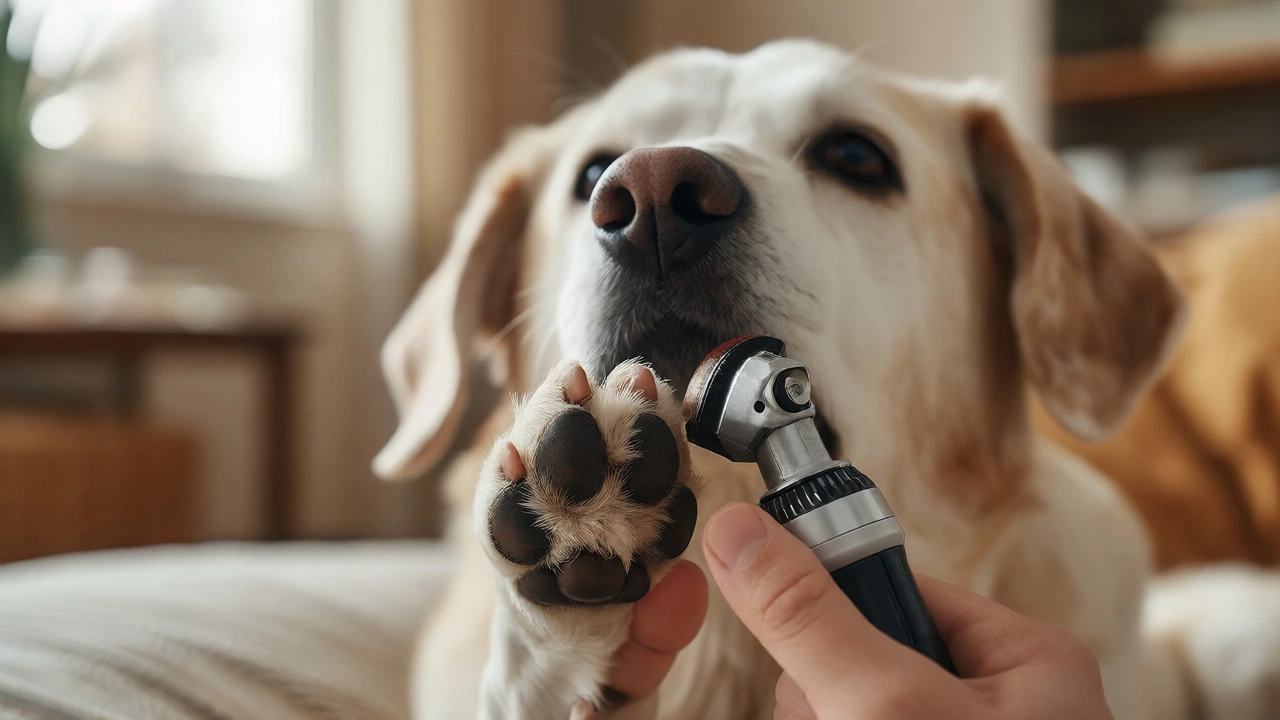
Nail trimming deserves special attention. Older dogs’ nails can grow thicker and curve into the paw pads if not worn down by walking. This causes significant pain and alters their gait, worsening arthritis. If you can’t see the quick clearly due to dark nails, trim tiny amounts frequently. Alternatively, use a Dremel-style grinder, which is quieter and less likely to pinch than traditional clippers. If your dog resists, try splitting the task: do two paws today, two tomorrow. Patience wins over perfection here.
When to Seek Professional Help vs. DIY
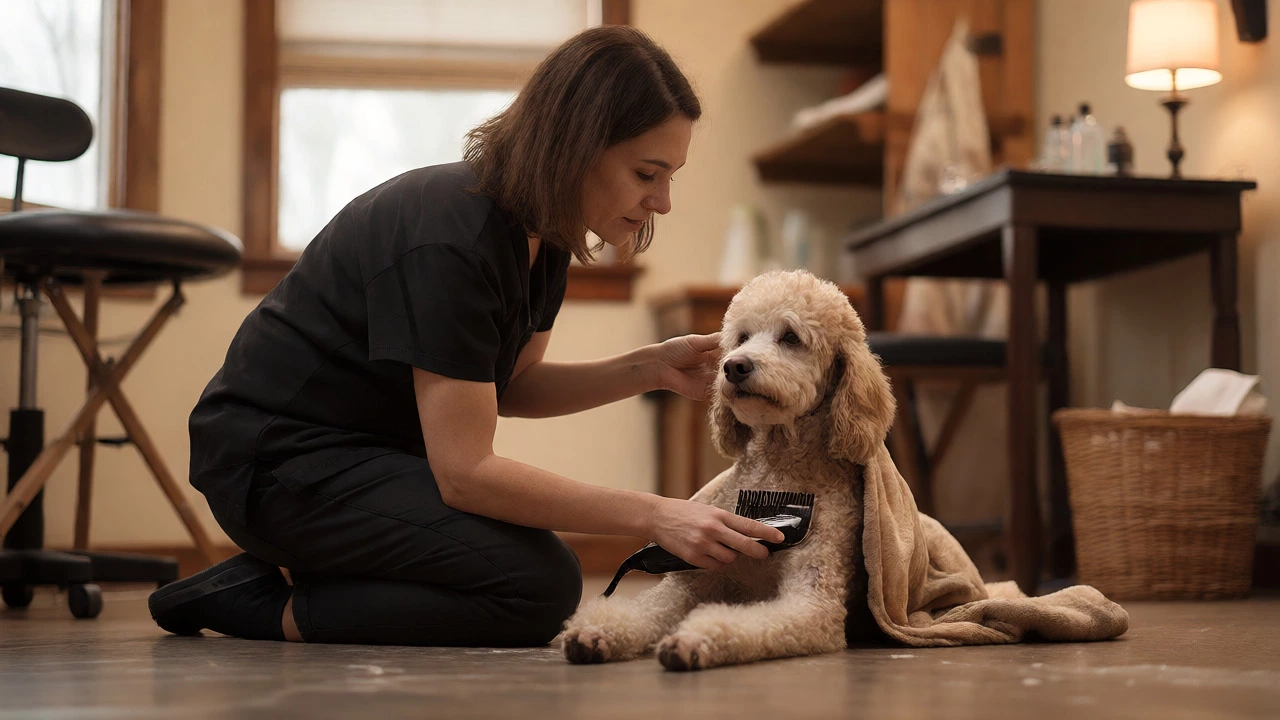
Deciding whether to handle grooming at home or visit a professional depends on your dog’s specific health status. If your dog is mobile, calm, and has minor matting, home grooming is feasible. However, severe matting close to the skin should be handled by a pro. Cutting out mats incorrectly can cut the skin, especially if the mat pulls the skin upward. Professionals know how to shave mats out safely without cutting the dog.
Look for groomers who specialize in senior pets. Ask them about their experience with arthritic dogs or those with cognitive issues. Do they offer shorter appointments? Can they work on the floor instead of a high table? A good senior-friendly groomer will prioritize comfort over speed. They might take breaks every 15 minutes or use calming aids like lavender-infused wipes. Never force a professional to rush. If a groomer seems impatient with your slow-moving senior, find another one. Your dog’s trust is worth more than a perfectly styled haircut.
| Grooming Aspect | Adult Dog (1-7 Years) | Senior Dog (8+ Years) |
|---|---|---|
| Frequency | Every 4-6 weeks | Every 6-8 weeks or spot-cleaning weekly |
| Duration | Full session (1-2 hours) | Short sessions (20-30 mins) or split visits |
| Positioning | Table grooming is standard | Floor grooming preferred for joint relief |
| Skin Care | Standard moisturizing shampoos | Hypoallergenic, oatmeal-based, gentle formulas |
| Risk Factors | Behavioral excitement | Arthritis, cognitive decline, heart strain |
Managing Stress and Anxiety During Grooming
Mental well-being matters as much as physical comfort. Many senior dogs develop anxiety because they associate grooming tables with unpleasant experiences. To combat this, desensitization is key. Start by letting your dog sniff the brushes and clippers without turning them on. Reward calm behavior with high-value treats. Gradually introduce sounds and vibrations. If your dog has dementia, familiar scents and routines provide security. Use a blanket from home at the groomer’s shop to create a sense of familiarity.
Hydration is also crucial. Older dogs are prone to dehydration, which makes skin less elastic and more prone to tearing. Ensure your dog drinks water before and after grooming. Avoid hot blow-drying, which can overheat an older dog with compromised temperature regulation. Air-drying or using a cool setting is safer. Keep the room warm enough so they don’t shiver, as shivering increases stress hormones.
Special Considerations for Specific Breeds
Breed plays a huge role in grooming needs for seniors. Long-haired breeds like Shih Tzus or Poodles require daily brushing to prevent mats, regardless of age. Short-haired breeds like Greyhounds have thin skin and low body fat, making them sensitive to cold and rough handling. For brachycephalic breeds like Bulldogs or Pugs, heatstroke risk is higher. Never leave them in a hot dryer box. Their breathing difficulties mean they tire faster, so keep sessions brief.
Terriers and wire-coated dogs may need hand-stripping, which can be painful for older joints. Discuss with your groomer if clipping is a viable alternative for comfort. There’s no shame in choosing comfort over breed-standard appearance in retirement years. The goal is a clean, healthy dog, not a show-ring winner.
Checklist for Safe Senior Grooming
- Vet Clearance: Get a check-up before major grooming if your dog hasn’t been seen recently.
- Non-Slip Surface: Use yoga mats or rubber rugs for floor grooming.
- Gentle Products: Choose sulfate-free, moisturizing shampoos.
- Short Sessions: Break tasks into 15-minute chunks.
- Watch the Quick: Trim nails carefully to avoid bleeding.
- Monitor Breathing: Stop if panting becomes excessive or irregular.
- Calm Environment: Reduce noise and sudden movements.
Grooming your senior dog is an act of love and care. It keeps them comfortable, helps detect health issues early, and strengthens your bond. By adapting your methods to their physical limitations, you ensure that their twilight years are dignified and pain-free. Don’t let fear hold you back. With patience and the right approach, even the oldest dogs can enjoy a fresh, clean coat.
Is it safe to bathe a very old dog?
Yes, bathing is safe if done correctly. Use lukewarm water and gentle, hypoallergenic shampoo. Ensure the dog doesn’t get chilled afterward by drying them thoroughly in a warm room. If the dog has heart issues, keep the bath short to minimize exertion.
How often should I groom my senior dog?
It depends on the coat type. Long-haired dogs need brushing several times a week to prevent mats. Full baths might be needed every 4-8 weeks. Focus on keeping sanitary areas clean regularly. Adjust frequency based on your dog’s ability to self-groom.
My dog gets anxious during grooming. What can I do?
Try desensitization techniques. Introduce tools slowly without using them. Use positive reinforcement with treats. Consider calming pheromone sprays or supplements approved by your vet. If anxiety is severe, discuss mild sedatives with your veterinarian for professional grooming sessions.
Can matting hurt my old dog?
Absolutely. Mats pull on the skin, causing pain and restricting movement. They can trap moisture and debris, leading to skin infections. Severe mats can even hide ticks or wounds. Regular light brushing prevents mats from forming and becoming painful.
Should I shave my senior dog in summer?
Not necessarily. Double-coated breeds like Huskies regulate temperature through their undercoat. Shaving can disrupt this insulation and increase sunburn risk. Instead, focus on de-shedding treatments and keeping the coat clean and free of mats. Consult a groomer for breed-specific advice.