Dog Food Transition & Nutrition Planner
Enter your dog's details to generate a customized transition plan and analyze potential dietary considerations.
Note: Always check the bag for an AAFCO statement appropriate for your dog's life stage. Named meat sources should appear in the first few ingredients.
Sudden changes can cause digestive upset. Follow this gradual mixing ratio:
Tip: If loose stools occur, pause at the current ratio until digestion stabilizes before proceeding.
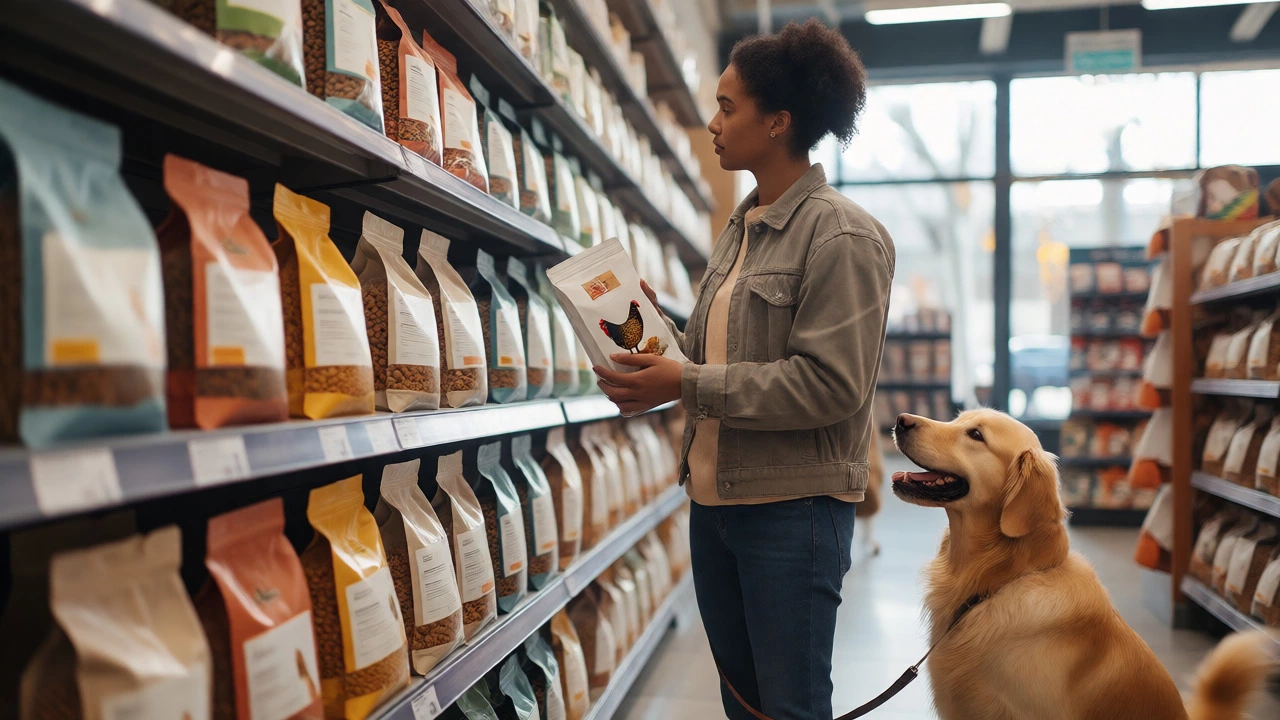
You stare at the aisle of bags in your local pet store, overwhelmed by words like "ancestral," "grain-free," and "biologically appropriate." Your dog is wagging their tail, completely unbothered by the marketing hype. You just want to know what to put in their bowl so they stay healthy, energetic, and happy. The truth? There is no single "best" food for every dog. But there is a best food for your specific dog, if you know how to look past the fancy packaging.
Choosing dog food isn't about finding a magic formula; it's about matching nutritional science to your dog's life stage, activity level, and any health quirks. Whether you're in Auckland or anywhere else, the principles remain the same. Let’s cut through the noise and figure out exactly what belongs in your dog's bowl.
Key Takeaways
- Look for the AAFCO Statement: This label proves the food meets minimum nutritional standards for your dog's life stage.
- Protein Quality Matters More Than Quantity: Named meat sources (like chicken or beef) beat vague terms like "meat by-products" or "animal digest."
- Life Stage is Critical: Puppies, adults, and seniors have vastly different calorie and nutrient needs. Feeding adult food to a puppy can stunt growth.
- Transition Slowly: Switching foods too fast causes digestive upset. Mix old and new food over 7-10 days.
- Consult Your Vet First: If your dog has allergies, kidney issues, or obesity, commercial diets may need veterinary guidance before switching.
The Myth of the Single Best Diet
Ask ten dog owners what they feed their pets, and you’ll get ten different answers. Some swear by dry kibble because it’s convenient and good for teeth. Others insist on raw meaty bones because they believe it’s closer to what wolves eat. Still others cook homemade meals to control every ingredient. Who is right?
Actually, they all might be. The best food to feed my dog depends entirely on individual factors like breed size, age, activity level, and medical history. A high-energy Border Collie needs different fuel than a sedentary Bulldog. A growing Great Dane puppy requires careful calcium ratios to protect its joints, while a senior Beagle needs fewer calories to avoid gaining weight.
Instead of hunting for a universal winner, focus on meeting your dog’s specific biological requirements. Dogs are omnivores with a carnivorous bias. They thrive on protein but also need fats, carbohydrates, vitamins, and minerals. The goal is balance, not purity.
Decoding the Label: What Actually Matters
Pet food marketing is designed to sell you dreams, not necessarily nutrition. Terms like "holistic," "premium," and "natural" have no strict legal definition in many countries. So, ignore those buzzwords. Instead, flip the bag over and look for two specific things: the ingredient list and the nutritional adequacy statement.
The ingredient list is ordered by weight. The first five ingredients carry the most weight. You want to see named protein sources upfront-chicken, lamb, salmon, or beef. Avoid products where the first three ingredients are grains like corn or wheat unless your dog specifically tolerates them well. Also, watch out for "splitting," where manufacturers use multiple forms of corn (corn flour, corn gluten meal, corn syrup) to make it seem like there’s less corn than there actually is.
| Green Flag (Good) | Red Flag (Caution) |
|---|---|
| Named meats (e.g., Deboned Chicken) | Generic terms (e.g., Meat By-Products) |
| Whole grains (e.g., Brown Rice, Oats) | Fillers (e.g., Corn Gluten Meal, Soybean Hulls) |
| Clear fat sources (e.g., Chicken Fat) | Vague fats (e.g., Animal Fat) |
| Added vitamins/minerals listed clearly | Artificial colors (e.g., Yellow #5) |
Next, find the AAFCO statement. In New Zealand and Australia, we follow similar standards, often referencing FEDIAF or local equivalent bodies, but the principle is identical. Look for a phrase like "formulated to meet the nutritional levels established by the AAFCO Dog Food Nutrient Profiles." Crucially, check which life stage it covers: "Growth," "Maintenance," "All Life Stages," or "Senior." If you’re feeding a puppy, do not buy food labeled only for "Adult Maintenance." It lacks the necessary nutrients for bone development.
Kibble vs. Wet vs. Raw: Pros and Cons
Once you understand the label, you have to choose a format. Each type has trade-offs regarding cost, convenience, and dental health.
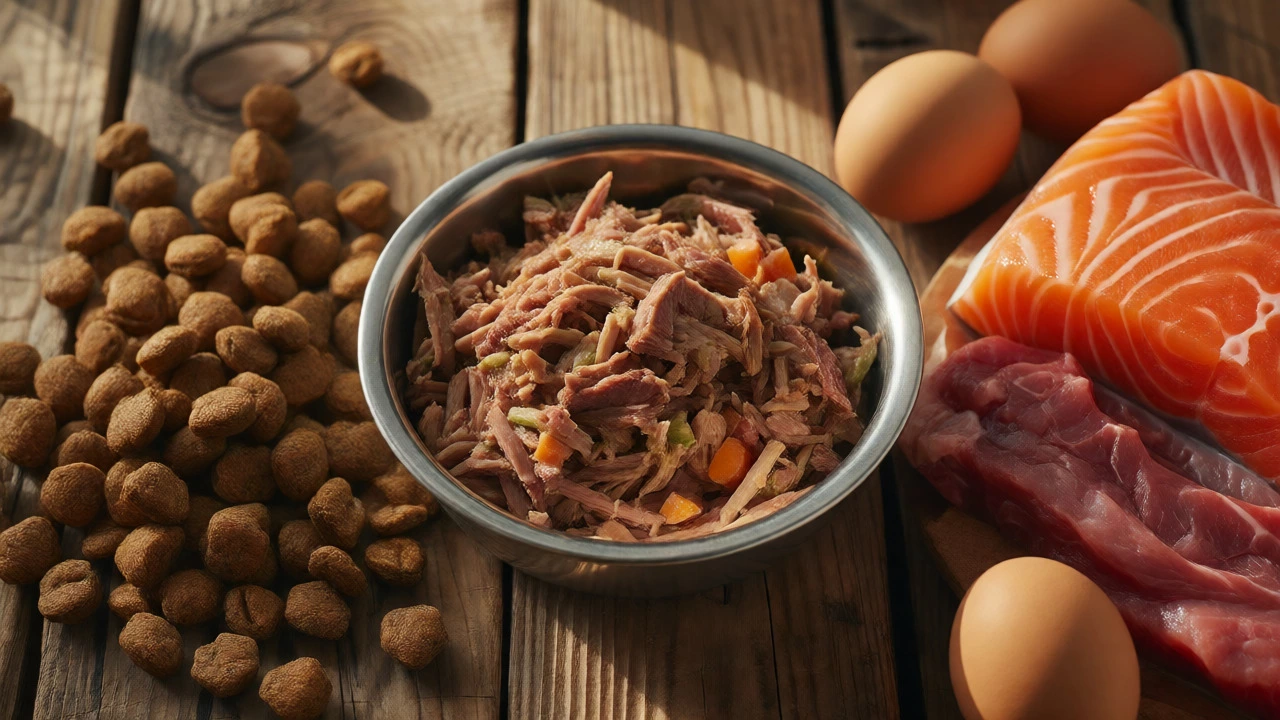
Dry Kibble is the most popular choice for a reason. It’s affordable, easy to store, and doesn’t spoil quickly once opened. The crunchy texture can help reduce plaque buildup, though brushing teeth is still superior. However, kibble is heavily processed, which can degrade some heat-sensitive nutrients. Manufacturers add these back in, but the quality varies wildly between brands.
Wet/Canned Food is highly palatable and contains more moisture, which helps with hydration. This is great for dogs who don’t drink enough water or have kidney issues. The downside? It’s expensive per calorie and messy. Once opened, it must be refrigerated and used within a few days. It also does little for dental health and can contribute to gum disease if not paired with regular brushing.
Raw Diets (BARF) have surged in popularity. Proponents argue that cooking destroys enzymes and natural nutrients found in fresh meat. Many owners report shinier coats and smaller stools. However, raw feeding carries risks. Bacterial contamination (Salmonella, E. coli) is a real concern for both the dog and the humans handling the food. Furthermore, balancing a raw diet correctly is difficult. Without precise supplementation, dogs can suffer from calcium-phosphorus imbalances, leading to serious skeletal problems. Always consult a vet nutritionist before starting a raw diet.
Grain-Free: Hype or Health Hack?
A few years ago, grain-free became the gold standard. Then, reports linked certain grain-free diets containing lentils, peas, and chickpeas to Dilated Cardiomyopathy (DCM) in dogs. This caused panic, but the science is nuanced.
It turns out, grains themselves aren’t usually the problem. Most dogs tolerate corn, wheat, and rice perfectly fine. The issue arose when manufacturers replaced grains with high amounts of legumes and potatoes to boost carbohydrate content. These ingredients contain taurine inhibitors or affect amino acid absorption. If your dog isn’t diagnosed with a grain allergy, there’s no proven benefit to going grain-free. In fact, whole grains provide valuable fiber and energy. Save the grain-free label for dogs with confirmed allergies, diagnosed by an elimination diet under veterinary supervision.

Special Considerations: Age, Size, and Breed
Your dog’s physical traits dictate their dietary needs more than brand loyalty ever will.
Puppies grow rapidly. Large breeds like German Shepherds need controlled calcium intake to prevent joint disorders like hip dysplasia. Small breeds like Chihuahuas have tiny jaws and higher metabolic rates, requiring dense, small-kibble food. Never feed large-breed puppies adult food; it’s too low in calories and calcium for their growth phase.
Adult Dogs need maintenance diets. Active working dogs require higher fat content for sustained energy. Indoor, couch-potato dogs need lower-calorie options to prevent obesity, which strains their heart and joints. Monitor your dog’s body condition score regularly. You should be able to feel their ribs without pressing hard, but not see them sticking out.
Senior Dogs often experience slower metabolism and reduced organ function. They may benefit from diets lower in phosphorus to support kidney health and higher in antioxidants to combat cellular aging. Joint supplements like glucosamine and chondroitin are often added to senior formulas, though evidence on their efficacy is mixed. Keep an eye on weight loss in seniors, as it can signal underlying illness rather than just appetite changes.
How to Transition Your Dog’s Food Safely
You’ve picked the perfect bag. Now, don’t just dump it in the bowl. Sudden dietary changes shock the gut microbiome, leading to diarrhea, vomiting, and gas. Dogs have sensitive digestive systems that adapt slowly to new proteins and carbs.
Follow this 7-day transition plan:
- Days 1-3: Mix 75% old food with 25% new food.
- Days 4-6: Mix 50% old food with 50% new food.
- Day 7: Mix 25% old food with 75% new food.
- Day 8 onwards: 100% new food.
If your dog has a particularly sensitive stomach, stretch this timeline to 10 or 14 days. Watch their stool consistency closely. If it gets loose, slow down the transition. Adding a probiotic supplement during the switch can also help stabilize gut bacteria.
When to Consult a Professional
While this guide covers general best practices, some situations require expert intervention. If your dog suffers from chronic ear infections, skin itching, or digestive issues, they might have a food allergy or intolerance. Identifying the trigger requires a strict elimination diet, which is hard to manage alone.
Similarly, if your dog has diagnosed conditions like diabetes, kidney disease, or pancreatitis, over-the-counter food might not suffice. Veterinary therapeutic diets are formulated to manage these specific pathologies. Don’t guess with medical diets; ask your vet for recommendations tailored to your dog’s bloodwork and symptoms.
Is grain-free really better for dogs?
Not necessarily. Unless your dog has a diagnosed grain allergy, whole grains like rice and oats provide beneficial fiber and energy. Recent studies have linked some grain-free diets high in legumes to heart issues, so stick to traditional grains unless advised otherwise by a vet.
Can I feed my dog human food?
Yes, but in moderation. Plain cooked chicken, carrots, and green beans are safe treats. Avoid toxic foods like chocolate, grapes, onions, and xylitol. Human food should never replace a balanced commercial diet unless it’s part of a professionally formulated home-cooked plan.
How much should I feed my dog?
Start with the guidelines on the bag based on your dog’s weight, then adjust. Weigh your dog monthly. If they gain weight, reduce portions by 10%. If they lose weight or look rib-heavy, increase slightly. Treats should make up no more than 10% of daily calories.
Is expensive dog food always better?
No. Price doesn’t guarantee quality. Some premium brands use exotic ingredients that offer no extra health benefits. Focus on the ingredient list and AAFCO statement instead of the price tag. Mid-range brands often provide excellent nutrition without the luxury markup.
What if my dog refuses to eat the new food?
Don’t force it. Try warming the food slightly to enhance aroma or mixing in a little wet food or bone broth as a topper. Ensure the food isn’t spoiled. If refusal persists for more than 24 hours, contact your vet to rule out illness.