
Canine Supplement Matcher
Not sure what your dog actually needs? Select their profile below to get personalized supplement recommendations and avoid wasting money on unnecessary products.
You’re standing in the pet aisle, staring at a wall of colorful bottles. Glucosamine here, fish oil there, some mysterious "gut-soother" blend costing more than your own vitamins. It’s overwhelming. And honestly? Most of it is marketing fluff designed to empty your wallet faster than your dog empties their food bowl.
But here’s the truth: dog supplements can genuinely improve your pet's quality of life if you choose the right ones for the right reasons. They aren't magic pills, but they are powerful tools when used correctly. The key isn't buying everything; it's understanding what your specific dog actually needs versus what looks good on the label.
The Core Three: What Every Dog Might Benefit From
If you only remember three things, make it these. These three categories cover the vast majority of common health issues in domestic dogs, from aging Labradors to energetic puppies.
Omega-3 Fatty Acids are arguably the most universally beneficial supplement. Found primarily in fish oil, these fats fight inflammation systemically. You’ll see immediate results in coat shine and skin health within four to six weeks. But the real win is internal. For older dogs with stiff joints or itchy skin allergies, high-quality EPA and DHA levels (look for at least 500mg combined per dose) act as a natural anti-inflammatory without the side effects of pharmaceuticals like NSAIDs.
Next up is Glucosamine and Chondroitin. This duo is the gold standard for joint health. If your dog hesitates before jumping into the car or seems stiff after a long walk, this combo helps rebuild cartilage and lubricate joints. Note that glucosamine sulfate is generally better absorbed than glucosamine hydrochloride. It takes time-usually 8 to 12 weeks-to notice a difference, so patience is required.
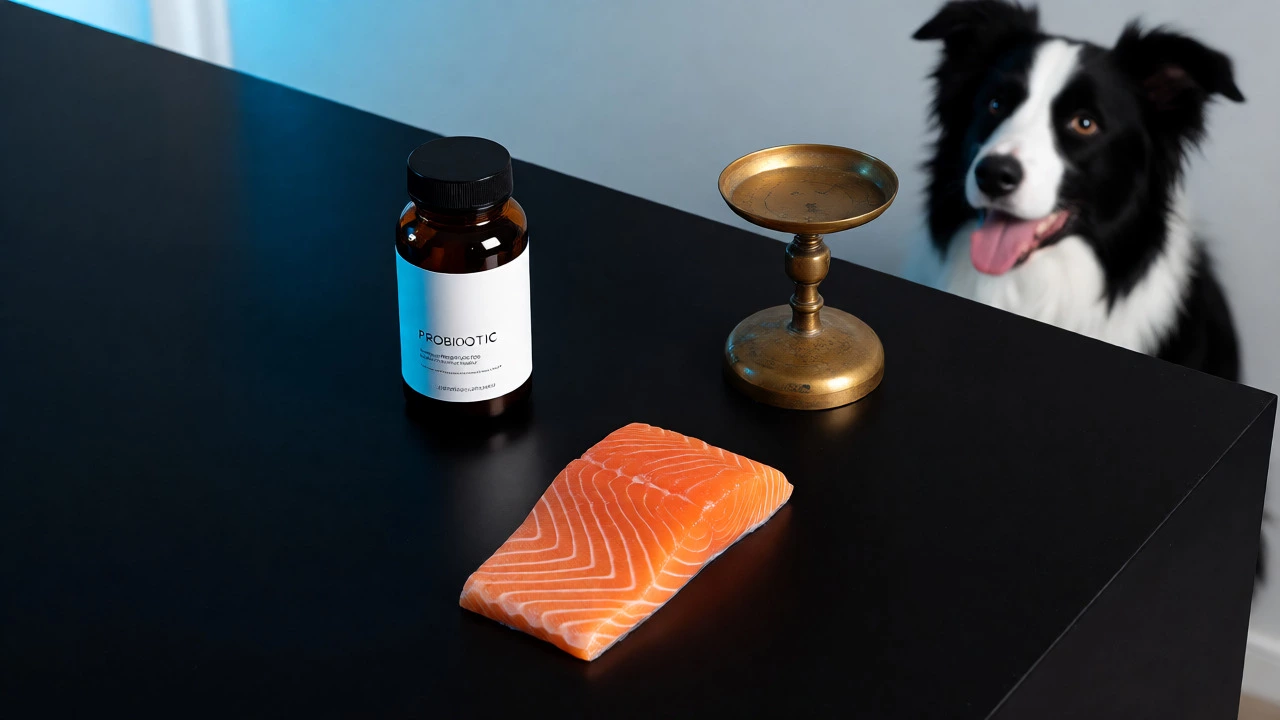
Finally, consider Probiotics. Gut health dictates immune function, mood, and digestion. If your dog has loose stools, gas, or just finished a course of antibiotics, a targeted probiotic can restore balance. Look for strains like *Lactobacillus acidophilus* or *Enterococcus faecium*. Avoid generic "digestive enzymes" unless you have a diagnosed pancreatic issue; live bacteria do more for general gut flora than enzymes alone.
Matching Supplements to Your Dog’s Life Stage
A puppy’s needs differ wildly from a senior dog’s. Giving a growing pup heavy joint support might be unnecessary waste, while ignoring antioxidants in a geriatric dog misses a crucial opportunity for longevity.
| Life Stage | Primary Focus | Top Supplement Choices | Why It Matters |
|---|---|---|---|
| Puppy (0-12 months) | Growth & Brain Development | DHA-rich Fish Oil, Calcium (if diet lacks it) | Supports neural development and bone density during rapid growth phases. |
| Adult (1-7 years) | Maintenance & Prevention | Multivitamin, Omega-3s, Dental Chews | Fills nutritional gaps in kibble and maintains coat/skin health. |
| Senior (7+ years) | Joint Support & Cognitive Function | Glucosamine, Antioxidants (Vitamin E), CoQ10 | Combats oxidative stress, supports mobility, and may slow cognitive decline. |
| Active/Working Dogs | Recovery & Energy | Electrolytes, Collagen, B-Complex Vitamins | Helps muscle recovery after intense exercise and sustains energy levels. |
For seniors, don’t overlook Coenzyme Q10 (CoQ10). As dogs age, their natural production of this antioxidant drops. Supplementing with CoQ10 supports heart health and cellular energy, which can help combat that sluggishness many owners attribute simply to "getting old." It’s not about reversing age, but maintaining vitality.

The Pitfalls: What to Avoid
Not all supplements are created equal, and some can actually harm your dog if misused. The biggest mistake owners make is assuming "natural" means "safe." Garlic, for instance, is often touted for flea prevention, but in large doses, it can cause hemolytic anemia in dogs. Stick to veterinary-formulated products where dosages are precise.
Another trap is over-supplementing fat-soluble vitamins. Unlike water-soluble vitamins (like C and B-complex) which are excreted in urine, vitamins A, D, E, and K accumulate in the body. Too much Vitamin D, for example, can lead to kidney damage. Always check the total daily intake from both food and supplements. If your dog eats a premium AAFCO-approved diet, they likely already meet basic vitamin requirements. Adding a multivitamin on top might push them into toxicity ranges.
Also, watch out for fillers. Many cheap chews use wheat gluten or artificial colors to bind ingredients together. If your dog has a sensitive stomach, opt for soft gels or powders mixed directly into wet food rather than hard-baked biscuits loaded with starches.
How to Choose Quality Products
The supplement industry is loosely regulated compared to human medicine. There’s no FDA pre-approval process for pet supplements. So how do you know what’s inside the bottle matches the label? Look for third-party testing seals.
- NASC Seal: The National Animal Supplement Council audits manufacturers for quality control and labeling accuracy. It’s one of the best indicators of reliability.
- USP Verified: Less common for pets, but indicates purity and potency testing.
- Ingredient Transparency: Good brands list exact amounts of active ingredients (e.g., "500mg EPA") rather than vague terms like "Fish Oil Blend."
Price often correlates with quality here. A $10 bottle of glucosamine might contain mostly sugar and shellfish dust, whereas a $40 bottle uses pharmaceutical-grade sources. Read reviews specifically looking for comments on palatability-if your dog won’t eat it, the best formulation in the world is useless.
When to Talk to Your Vet First
While many supplements are safe, interactions exist. If your dog is on blood thinners, adding high-dose fish oil could increase bleeding risk. If they have diabetes, certain herbal supplements might affect blood sugar levels. Always run new additions past your veterinarian, especially if your dog has chronic conditions like kidney disease or liver failure.
Start with one supplement at a time. Wait two weeks before introducing another. This way, if your dog gets an upset stomach, you know exactly which product caused it. Keep a simple log: date started, dosage, and any observed changes in energy, stool quality, or coat condition. Data beats guessing every time.
Can I give my dog human supplements?
Sometimes, but be careful. Dosages differ significantly between humans and dogs. Also, human supplements often contain additives like xylitol (an artificial sweetener), which is highly toxic to dogs. Always check ingredient lists for hidden toxins and consult your vet for proper dosing calculations based on your dog's weight.
How long does it take for dog supplements to work?
It depends on the supplement. Probiotics may show results in digestive health within 3-7 days. Skin and coat improvements from Omega-3s typically appear in 4-6 weeks. Joint supplements like glucosamine require 8-12 weeks of consistent use before noticeable mobility improvements occur. Patience is essential.
Are natural supplements safer than synthetic ones?
Not necessarily. Safety depends on dosage and source, not origin. Some natural herbs interact negatively with medications. Synthetic vitamins can be purer and more precisely dosed than whole-food extracts. Focus on bioavailability and third-party testing rather than the word "natural."
Do senior dogs really need supplements?
Often, yes. Aging reduces nutrient absorption efficiency. Senior dogs frequently benefit from joint support, antioxidants to fight cellular decay, and easily digestible proteins. However, always tailor choices to their specific health profile, such as avoiding phosphorus-heavy supplements if they have kidney issues.
What is the safest way to introduce a new supplement?
Start with half the recommended dose for the first few days to monitor tolerance. Mix powder supplements into wet food or hide capsules in a small piece of cheese or peanut butter (xylitol-free). Watch for vomiting, diarrhea, or lethargy. If none occur, gradually increase to the full dose.