Dog Food Cost & Strategy Estimator
Enter your dog's details to see estimated costs and savings strategies.
Most people assume that feeding a dog well means spending a fortune on premium brands with fancy packaging. But here’s the truth: you can keep your dog healthy, happy, and full without emptying your wallet. The best and cheapest way to feed dogs isn’t about finding one magic bag of food; it’s about understanding what your dog actually needs and buying smart.
If you’ve ever looked at the price tags in the pet aisle and felt a pang of guilt for putting the cheaper option in your cart, stop right there. Price does not equal quality. In fact, some of the most expensive foods are just marketing hype wrapped around basic ingredients. Let’s break down how to save money while keeping your pup in top shape.
Understanding What Your Dog Actually Needs
Before you spend a single dollar, you need to know what you’re buying. Dogs are omnivores, but they lean heavily toward carnivorous diets. They require protein, fats, carbohydrates, vitamins, and minerals. That’s it. You don’t need "grain-free" unless your vet diagnosed an allergy. You don't need "human-grade" if it’s cooked in a factory anyway.
The Association of American Feed Control Officials (AAFCO) sets the standards for pet food. If a bag says "complete and balanced," it meets these minimum nutritional requirements. This is your safety net. It means you can buy less expensive brands that still meet legal health standards, rather than paying extra for unproven health claims like "improved coat shine" or "boosted immunity."
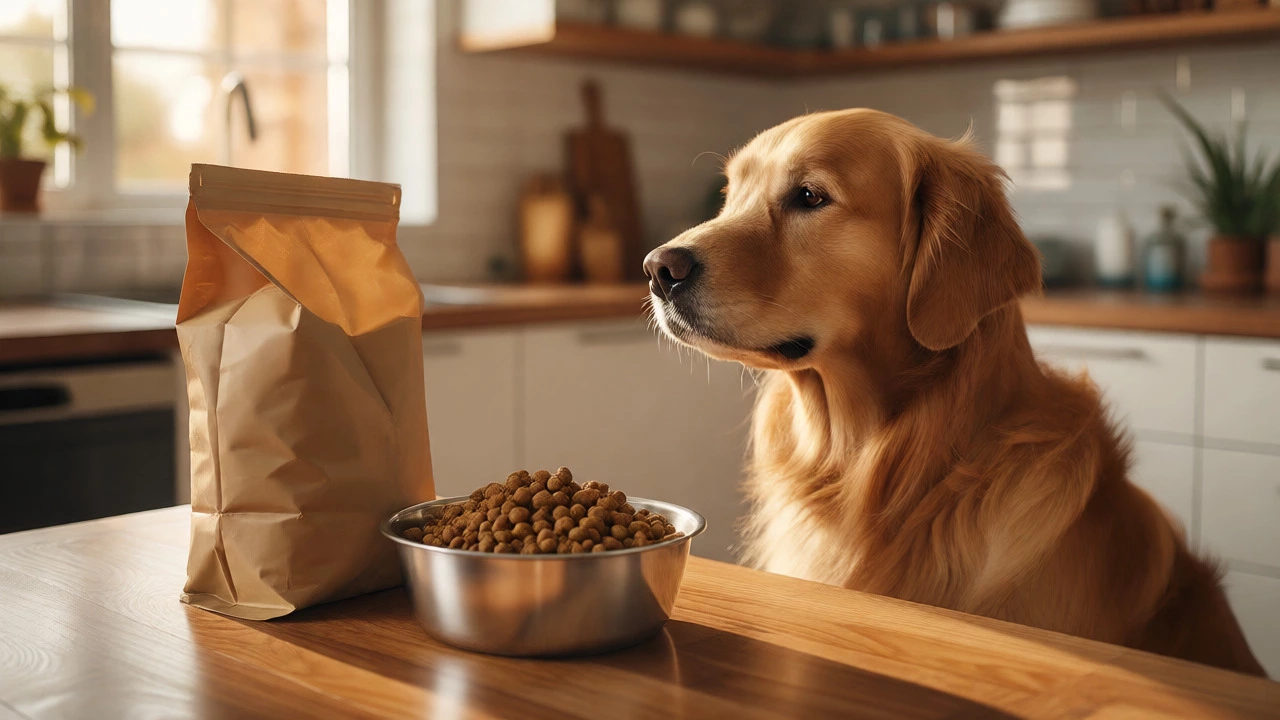
Kibble is a dry, extruded dog food made from meat meals, grains, and vegetables. It is widely considered the most cost-effective commercial option because it has a long shelf life and low shipping weight compared to wet food.
The Cost Breakdown: Kibble vs. Wet vs. Raw
Let’s look at the numbers. For a medium-sized dog (about 50 lbs), here is a rough estimate of monthly food costs based on average US prices in 2026:
| Food Type | Avg. Monthly Cost | Prep Time | Storage Needs |
|---|---|---|---|
| Budget Kibble | $30 - $45 | Zero | Cool, Dry Place |
| Premium Kibble | $60 - $90 | Zero | Cool, Dry Place |
| Wet/Canned | $80 - $120 | Open & Serve | Fridge after opening |
| Homemade Cooked | $40 - $70 | High (Cooking) | Fridge/Freezer |
| Commercial Raw | $100 - $150+ | Thaw & Serve | Freezer Required |
See that? Budget kibble wins on pure cost. But is it the "best"? Not always. Cheap kibble often uses fillers like corn and wheat, which dogs digest poorly. This means they eat more to feel full, and you buy more bags. Premium kibble might cost double, but if your dog eats 30% less per day because it’s nutrient-dense, the savings balance out.
Strategy 1: Buy in Bulk and Rotate Brands
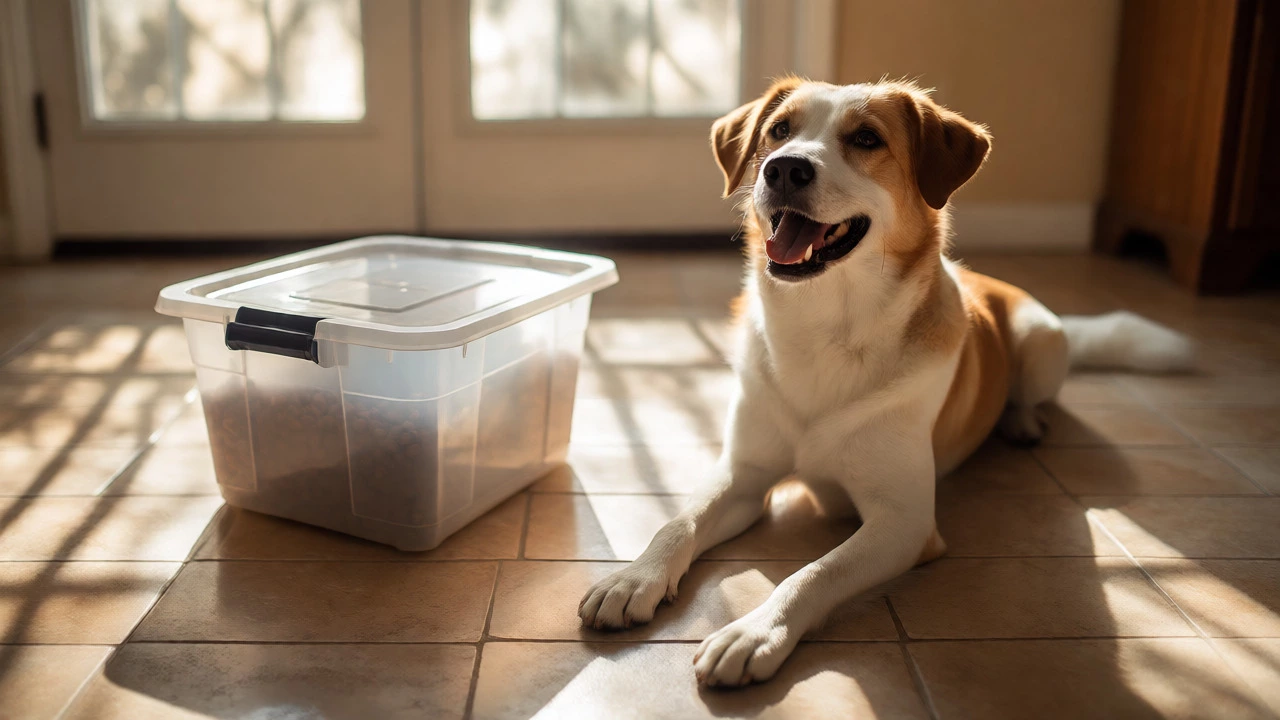
Here is a pro tip most people miss: never pay retail price for dog food. Large bags (30-40 lbs) have a significantly lower cost-per-pound than small bags. If you have storage space, buy the biggest bag available. Store it in an airtight container to keep it fresh and prevent pests.
Also, consider rotating brands. Why? Two reasons. First, it prevents your dog from getting bored. Second, it hedges against recalls. If Brand A gets recalled for contamination, you aren’t stuck with a month’s supply of bad food. Buy two different mid-range brands and alternate them every few weeks. This keeps your dog’s gut microbiome diverse and your risk low.
Strategy 2: The Homemade Hybrid Method
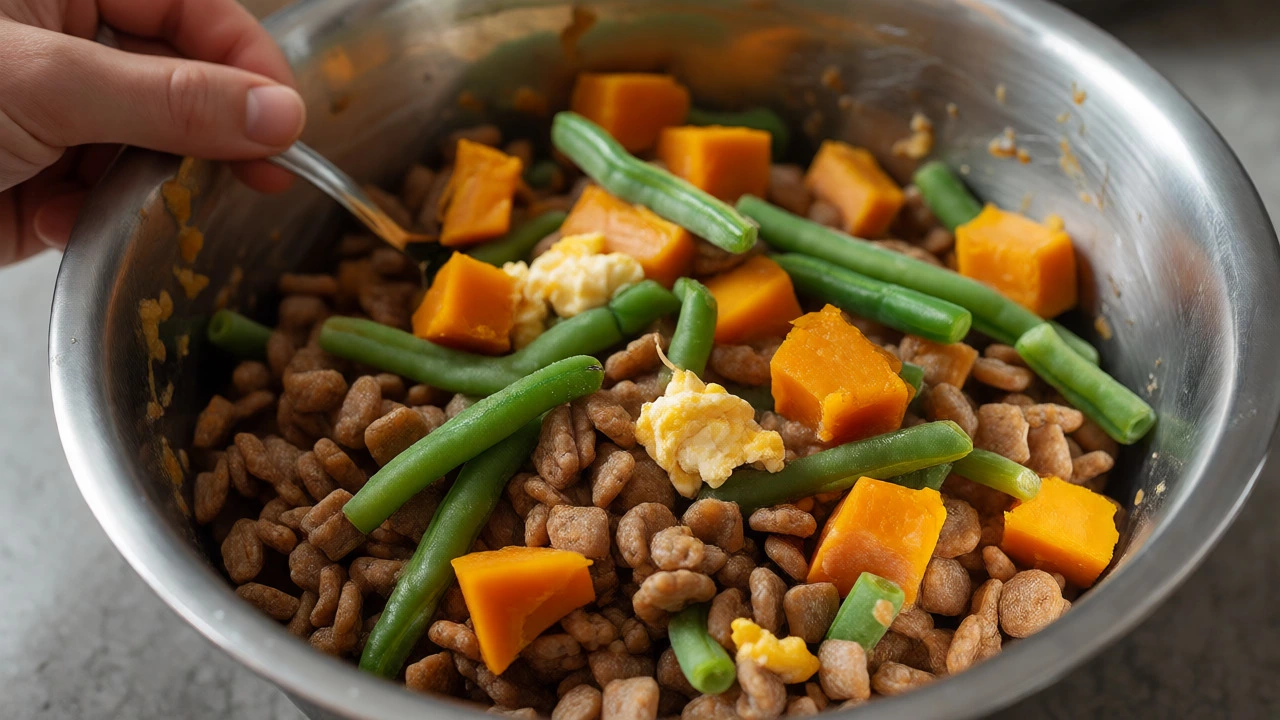
You don’t have to cook everything from scratch to save money. Try the "hybrid" approach. Buy a high-quality, moderately priced kibble as your base. Then, add cheap, nutritious whole foods to boost the value without breaking the bank.
- Canned Pumpkin: Great for digestion, costs pennies per serving.
- Scrambled Eggs: One egg adds high-quality protein for about $0.25.
- Plain Yogurt: Probiotics for gut health. Look for store-brand plain yogurt.
- Carrots and Green Beans: Frozen veggies are dirt cheap and add volume so your dog feels fuller.
This method lets you use less kibble per meal because the additions provide satiety. You’re essentially stretching your expensive food with cheap, healthy supplements. Just remember: this is a supplement, not a replacement. Your dog still needs the complete nutrition profile provided by the AAFCO-certified kibble base.
What About Raw Diets?
Raw feeding is trendy, but is it cheap? Usually, no. Commercially prepared raw food requires freezing and has high shipping costs due to weight. However, DIY raw feeding can be cheaper if you buy meat in bulk from warehouse clubs like Costco or Sam’s Club. Chicken thighs, ground turkey, and organ meats are affordable staples.
But beware: DIY raw diets are easy to mess up nutritionally. You must balance calcium and phosphorus correctly. If you get this wrong, your dog could develop bone issues over time. Unless you are willing to research thoroughly or consult a veterinary nutritionist, stick to cooked homemade or kibble. The risk of malnutrition outweighs the potential savings for most owners.
Pitfalls to Avoid When Saving Money
Saving money shouldn’t mean sacrificing health. Here are three traps to avoid:
- Buying "Grocery Store" Brands Blindly: Some supermarket brands use low-quality meat by-products that vary wildly between batches. Check reviews and ingredient lists. Look for named meat sources (e.g., "chicken meal") rather than vague terms ("meat by-products").
- Ignoring Portion Control: Overfeeding is the most expensive mistake. Follow the feeding guidelines on the bag, then adjust based on your dog’s body condition score. If you can’t feel their ribs easily, cut back. Less food equals lower bills.
- Treats Sneaking Up: Treats should make up no more than 10% of daily calories. Use training treats wisely. Often, pieces of their regular kibble work just fine.
Final Verdict: What Is Truly Best?
For most dog owners, the best and cheapest way to feed dogs is a high-quality, mid-range kibble bought in bulk, supplemented occasionally with cheap whole foods like eggs or frozen veggies. This balances convenience, nutrition, and cost perfectly.
If you have a large dog, focus on calorie density. If you have a small dog, watch out for waste-don’t buy huge bags that go stale before you finish them. Always prioritize AAFCO statements over marketing fluff. Your dog doesn’t care about the brand name; they care about taste and feeling full. You care about the receipt. Find the middle ground where both win.
Is grain-free dog food healthier?
Not necessarily. Grain-free was marketed as healthier, but the FDA has linked some grain-free diets to dilated cardiomyopathy (DCM) in certain breeds. Unless your dog has a specific grain allergy, standard grains like rice or oats are safe, cheap, and good energy sources.
Can I feed my dog human leftovers?
Yes, but carefully. Plain chicken, carrots, and green beans are great. Avoid onions, garlic, grapes, chocolate, and anything with added salt or spices. Leftovers should only be a small part of the diet to ensure nutritional balance.
How do I know if my dog is hungry or begging?
Dogs are opportunistic scavengers and will act hungry even when full. Check their body condition instead. If you can feel their ribs without pressing hard, but see a slight waist from above, they are at a healthy weight. Don't rely solely on their sad eyes.
Is canned food better than dry food?
Canned food has higher moisture content, which helps hydration, especially for cats or dogs prone to urinary issues. However, it is much more expensive per calorie. For most healthy adult dogs, dry kibble is sufficient and far more economical.
Do I need to change my dog's food gradually?
Yes. Switching too fast can cause diarrhea and vomiting. Mix 25% new food with 75% old food for a few days, then increase the new food ratio every few days until fully switched. This protects their digestive system and saves you cleanup costs.